



White Blue Earthenware Figure
A white blue earthenware figure brings domestic ceramic charm to a shelf, capturing Victorian portraiture and Dutch delft animal forms in blue and white.
White Blue Earthenware Figure
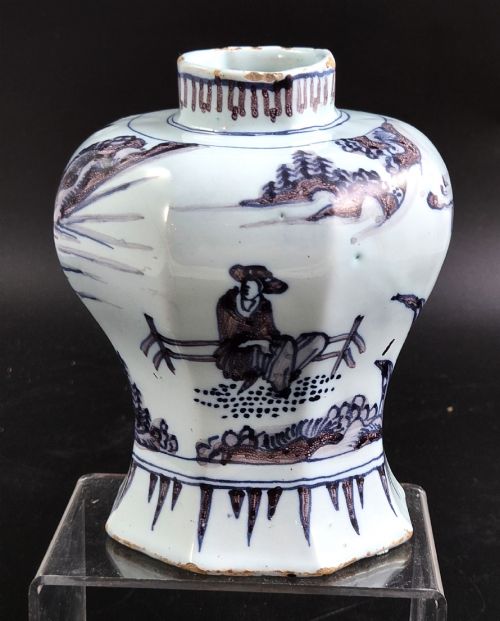
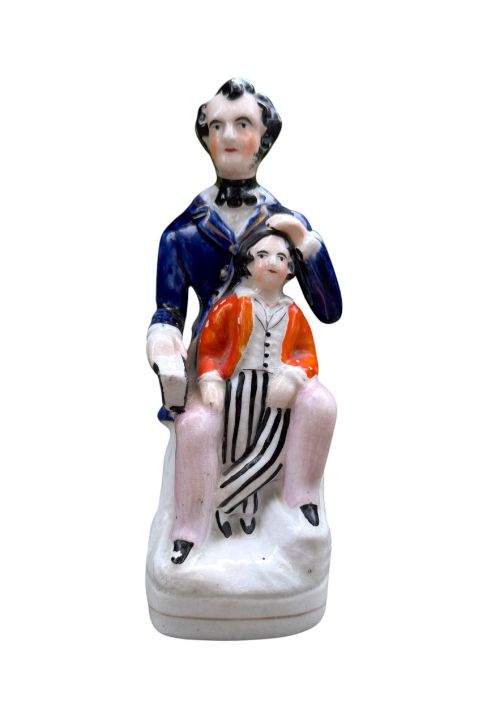
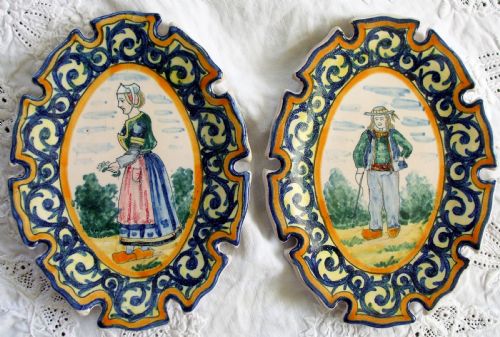
Buyers searching for a white blue earthenware figure encounter a diverse mix of decorative pottery, ranging from Victorian Staffordshire portrait groups and flatbacks to Dutch delft candlesticks and French faience pin trays. These objects span from the eighteenth century into the late nineteenth century, recording figures, animals, and historical events.
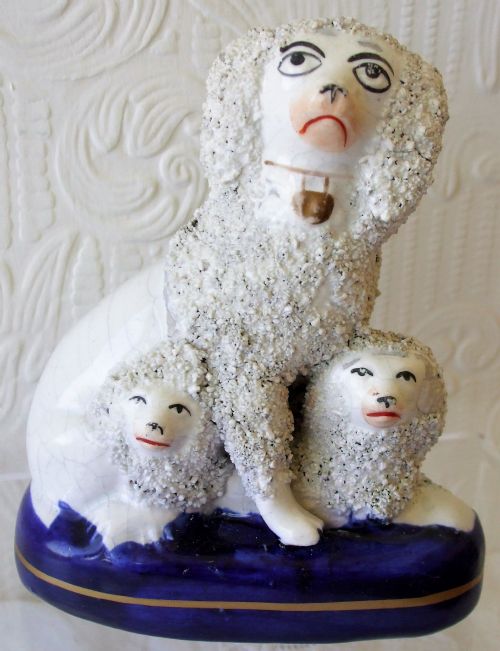
The domestic animal forms, including pairs of cows, poodles with pups, and dogs holding baskets as quill holders, sit alongside portrait subjects such as Lord Shaftesbury, Admiral Sir Charles Napier, and Napoleon III. Most pieces belong to the Victorian era, offering a direct view into nineteenth century mantelpiece decoration.
How they were made
Potters shaped these earthenware bodies using moulds before applying tin glaze, lead glaze, or plain glaze surfaces. Cobalt blue pigment dominated the palette, often supplemented by enamel paint for facial details and highlights.
Makers produced flatbacks and hollow figurines designed primarily for display against walls, whilst smaller functional items like pin trays and candlesticks utilised the same ceramic and enamel techniques.
Materials recorded across the selection include earthenware, ceramic, lead glaze, tin-glazed earthenware, and enamel paint.
What varies in quality
Quality rests upon the crispness of the moulded details and the precision of the blue and white brushwork. Superior modelling gives animals and human figures distinct facial expressions rather than a blank glaze finish.
The depth of the glaze and the preservation of the enamel paint applied over the white ground distinguish finer studio output from standard commercial pottery.
HR Quimper
The White Blue Earthenware Figure Glossary
- Earthenware
- Porous pottery fired at lower temperatures than stoneware or porcelain, requiring a glaze to hold liquids.
- Flatback
- A figurine moulded with a finished front and a plain, unadorned back designed to sit flush against a wall.
- Tin-glazed earthenware
- Pottery covered with a white tin-oxide glaze that provides an opaque ground for painted blue decoration.
- Quill holder
- A small desk accessory incorporating a modelled figure or animal with a built-in channel to rest writing quills.
- Enamel paint
- Coloured vitreous material fused to the ceramic surface during a secondary firing to add surface details.
White Blue Earthenware Figure: Frequently Asked Questions
What are white blue earthenware figures?
These pieces are moulded ceramic objects from the eighteenth and nineteenth centuries, including animals, portrait figures, and small functional items.
They reflect popular culture, historical events, and domestic tastes of the period through blue and white glazes.
How were these pottery figures used?
Most functioned as mantelpiece ornaments and shelf decorations in nineteenth century homes, designed to catch the eye in a parlour.
Some specialised pieces, such as quill holders and pin trays, served practical deskside duties whilst maintaining a decorative character.
How do I care for antique earthenware?
Keep these glazed ceramics away from direct sunlight and moisture to protect the underlying earthenware body and surface enamel paint.
Dust them gently with a soft, dry cloth without using harsh cleaning agents or immersing them in water.
How do I identify Victorian Staffordshire pottery?
Look for characteristic moulded forms with flat backs, hollow interiors, and hand-painted blue and white or polychrome enamel details.
Subjects often include royal personages, military commanders, and domestic animals like poodles and cows from the mid to late nineteenth century.