


West Persia Rug
A west persia rug brings geometric medallions, rich earthy tones and durable nomadic craftsmanship directly into modern living spaces.
West Persia Rug
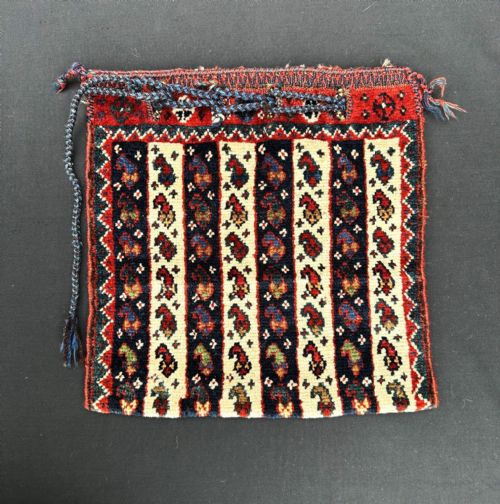
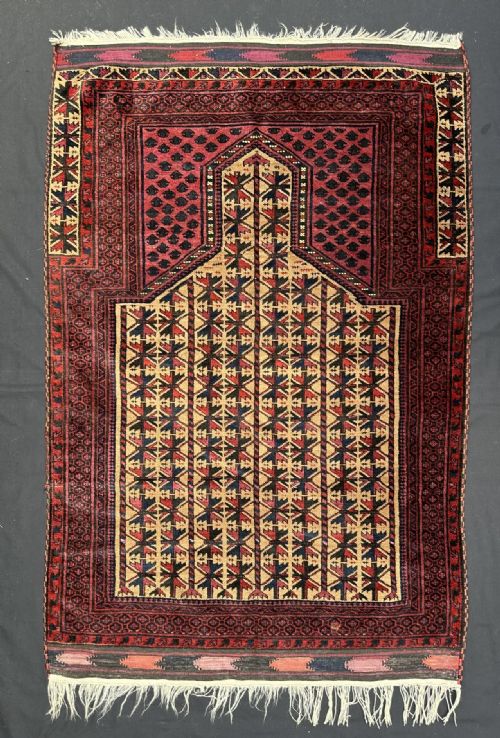
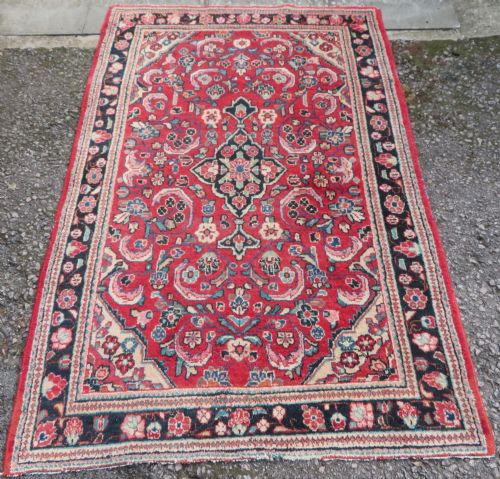
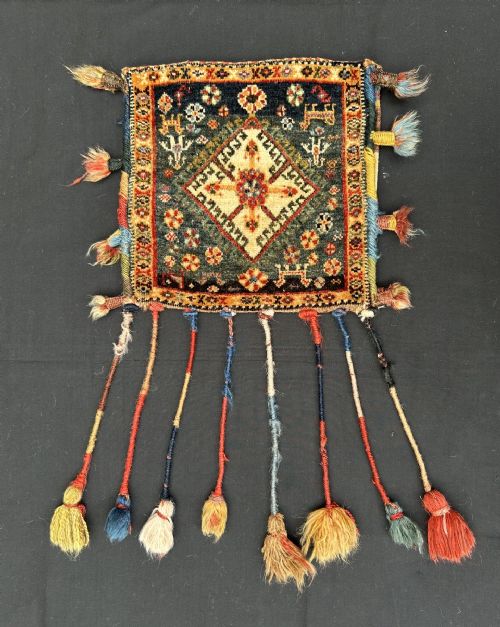
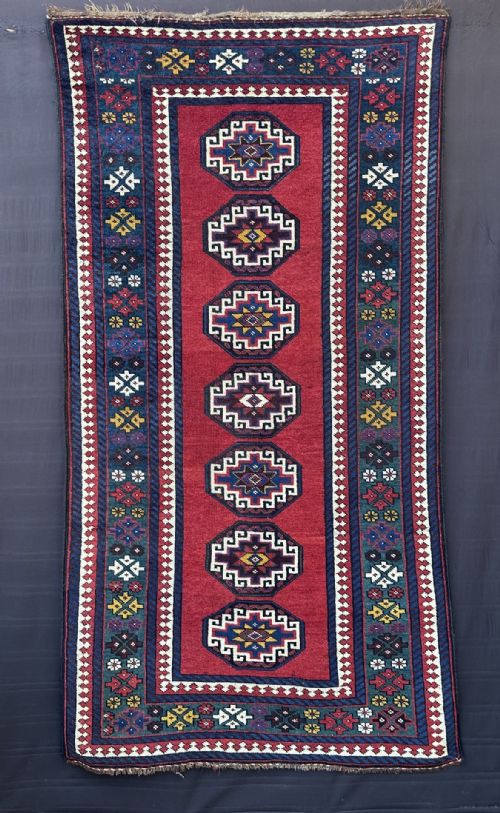
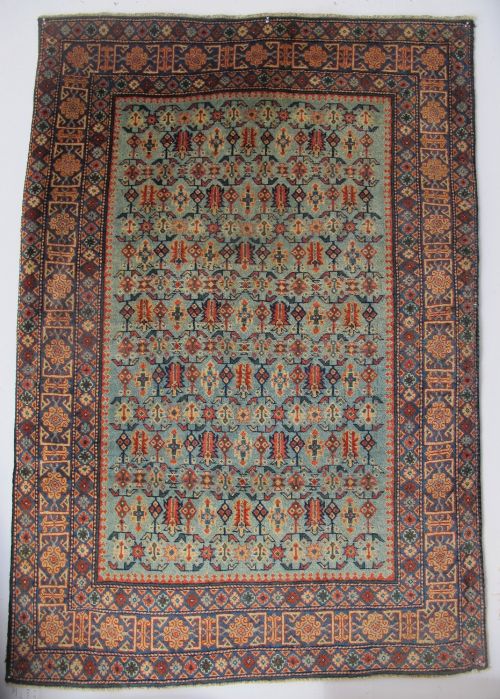
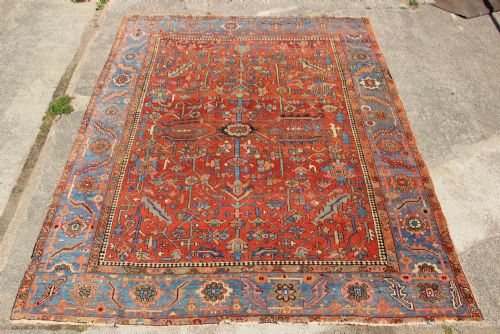
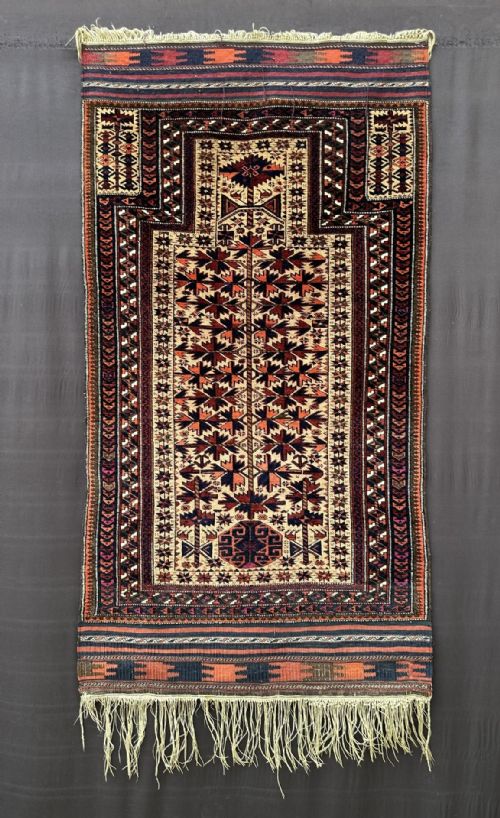
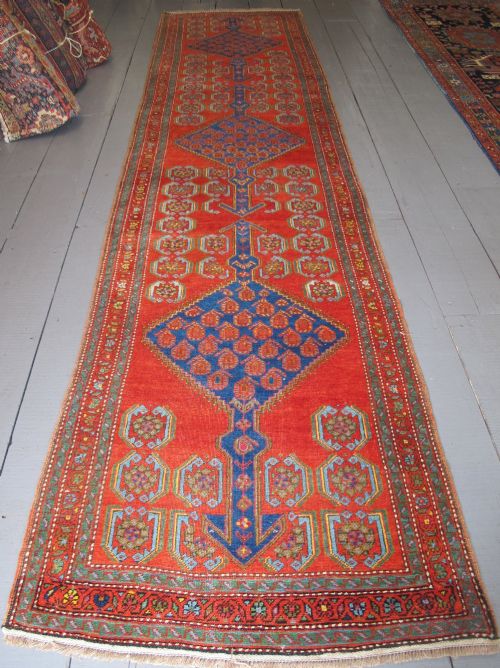
A west persia rug encompasses floor coverings and woven textiles originating from the historical villages, nomadic confederacies and weaving centres of western regions. Buyers searching this phrase encounter floor carpets, runner rugs, prayer mats and utilitarian bags produced across the nineteenth and early twentieth centuries.
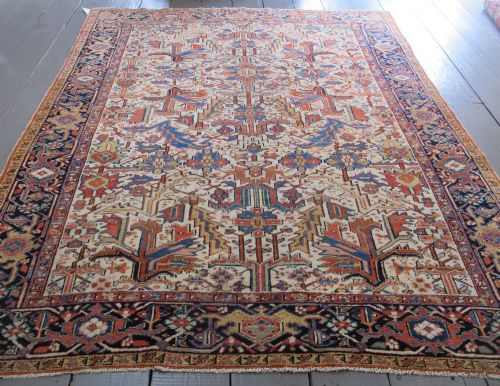
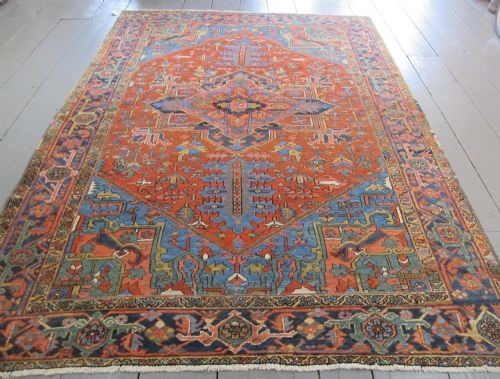
The selections span village productions from districts such as Mahal, Sarouk, Bakhtiari and Bidjar alongside nomadic pieces woven by Kurdish and Luri tribes. These items reflect distinct regional patterns, from intricate floral lattices to bold geometric motifs tied to specific tribal identities.
How They Were Made
Weavers utilised hand-spun wool and cotton foundations, often pairing wool pile with sturdy cotton warps andwefts for structural integrity. Natural dyes derived from local plants and minerals provided the foundational palette, yielding deep madder reds, indigos and earthy browns that mature gracefully over time.
Nomadic and village workshops relied on upright vertical looms, executing symmetrical or asymmetrical knots depending on tribal tradition. Utility bags and flatweaves incorporated supplemental materials like goat hair, leather and wood to reinforce edges and fastening points.
West Persia Rug Retail Price Guide 2026
Typical asking prices for west persia rug among the pieces listed under this phrase on Sellingantiques today, from the lower quarter to the upper quarter. They describe what is for sale here now, not the wider market.
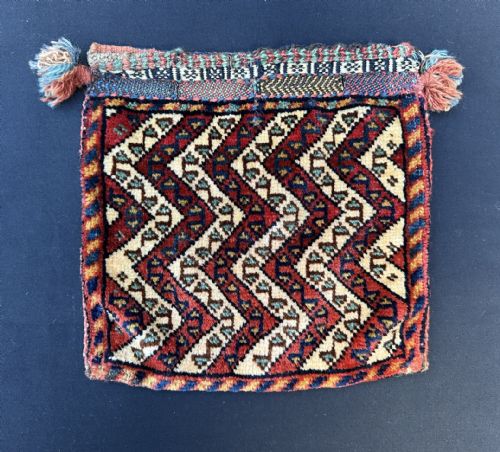
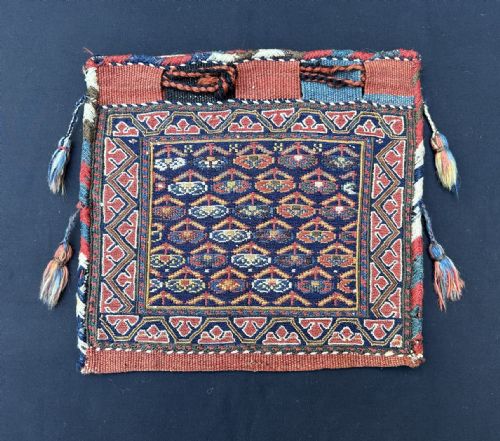
Surviving infant cradles and tobacco pouches prove nomadic weavers found artistic canvas in the smallest corners of daily life.
What Varies in Quality
The standard of a west persia rug relies heavily on knot density, precision of the geometric or curvilinear layout and the depth of the dye work. Tightly packed knots executed with finely spun wool create a supple handle and resilient pile that withstands centuries of foot traffic.
Artistic execution and proportion separate exceptional examples from standard village output. Pieces displaying harmonious colour saturation, balanced borders and well-resolved central medallions demonstrate superior weaving discipline and regional mastery.
Benlian·Ziegler
The West Persia Rug Glossary
- Khorjin
- A traditional woven saddle-bag used by nomadic groups for transport and storage during migrations. These pieces often feature highly intricate face panels that survive independently as decorative wall hangings or small mats.
- Sofreh
- A flatwoven textile utilised primarily for sharing meals or preparing bread dough within tribal households. Their minimalist geometric fields hold distinct utilitarian value distinct from standard floor rugs.
- Soumak
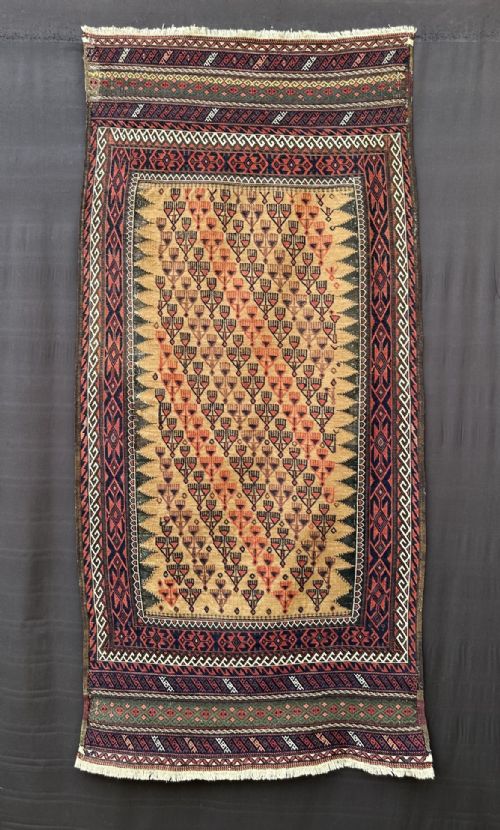
- A supplementary weft-wrapping technique that creates a durable, non-pile flatweave structure with distinctive braid-like textures on the face. This method allows weavers to produce sharp geometric diagonals without traditional knotting.
- Madder
- A natural red dye extracted from the roots of the Rubia tinctorum plant. It forms the rich crimson base characteristic of numerous nineteenth-century village carpets.
- Abrahe
- A natural tonal variation within dyed wool yarns caused by uneven uptake during the dye bath. Collectors prize this subtle shading for the visual depth and movement it imparts to open fields.
West Persia Rug: Frequently Asked Questions
How do I clean an old rug?
Surface dust should be gently removed using low-suction vacuuming without a beating brush bar. Professional textile conservators should handle deeper washing to protect natural wool pile and ancient dye compounds.
Harsh chemical detergents or automated immersion washing must be avoided entirely to prevent dye bleeding and fibre degradation. Spot cleaning requires lukewarm water and mild, pH-neutral soap applied sparingly by hand.
Can I place these on heated floors?
Natural materials like wool and cotton tolerate moderate ambient warmth quite well when laid over standard underfloor heating systems. Breathable natural felt or rubber rug underlays help protect both the flooring and the textile base.
Excessive heat can dry out natural lanolin present in hand-spun wool fibres over extended periods. Regular rotation prevents uneven thermal exposure and balances wear across heavy foot traffic zones.
Are these rugs suitable for hallways?
Long runner formats and durable village weaves function exceptionally well in high-traffic corridors and entryways. The resilient structure of hand-spun wool handles daily movement while maintaining structural integrity.
Placing a secure, non-slip underlay beneath the textile prevents bunching and reduces friction against hard flooring surfaces. Regular rotation distributes wear evenly along the primary pathways of the room.
How do I identify regional styles?
Attribution relies on observing specific structural characteristics, border designs, and primary colour palettes tied to known weaving districts. Village workshops often feature balanced floral layouts, whereas tribal pieces lean towards bold geometric medallions.
Fringe construction, selvage finishes and foundation materials offer additional clues regarding geographic origin. Comparing knot types and wool texture against documented examples clarifies whether a piece stems from Kurdish, Qashqa'i or Mahal traditions.