

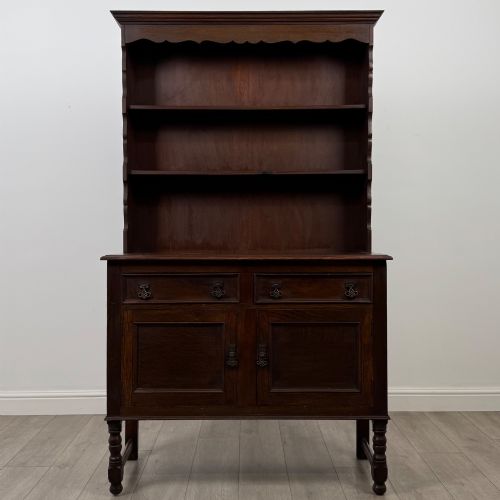
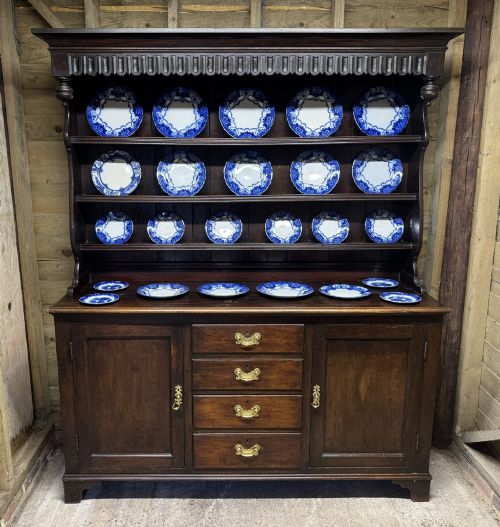
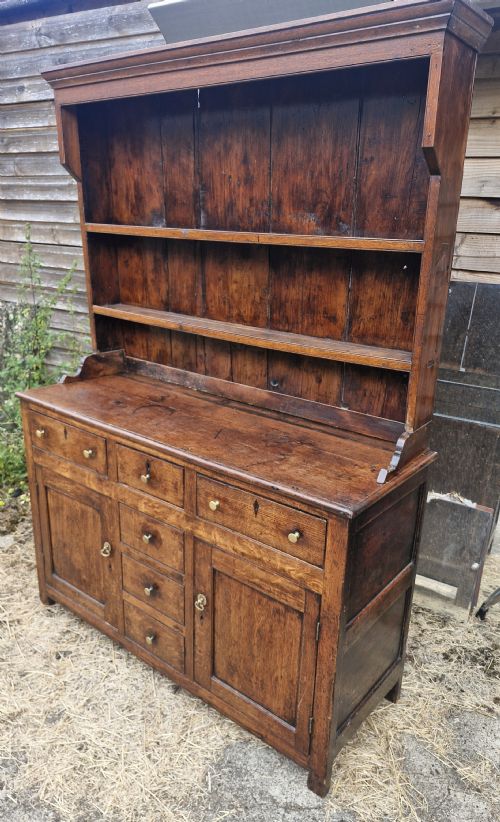
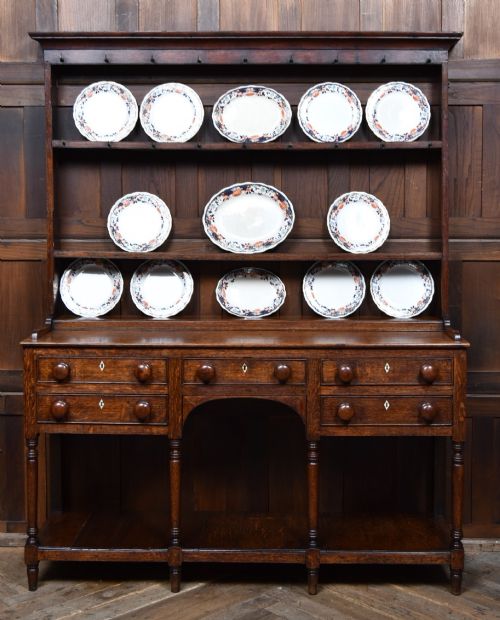
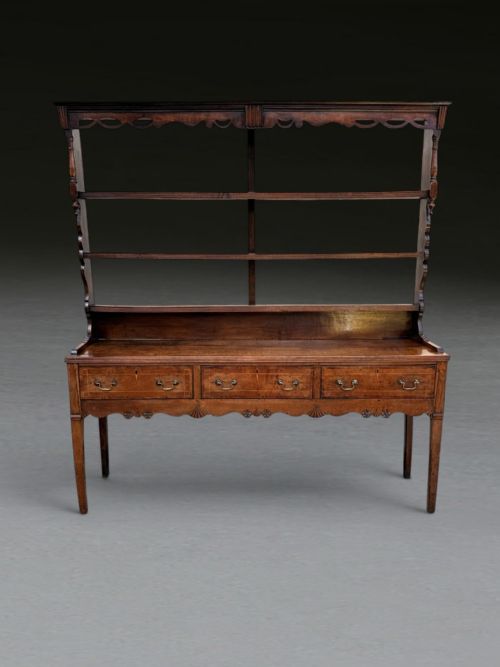
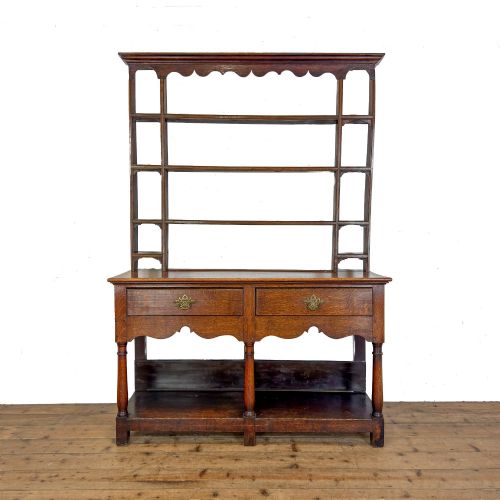
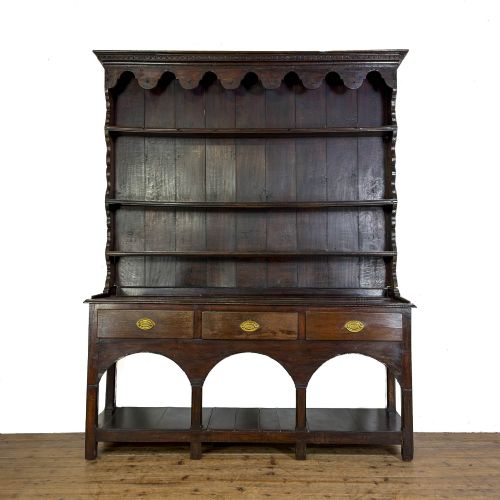
Welsh Oak Sideboard Rack
A welsh oak sideboard rack brings substantial rustic utility and shelving into a home through traditional craftsmanship.
Welsh Oak Sideboard Rack
When searching for a welsh oak sideboard rack, buyers are looking at substantial timber furniture combining a lower base with upper display shelving. These pieces serve as practical storage units and traditional display spaces for household pottery.
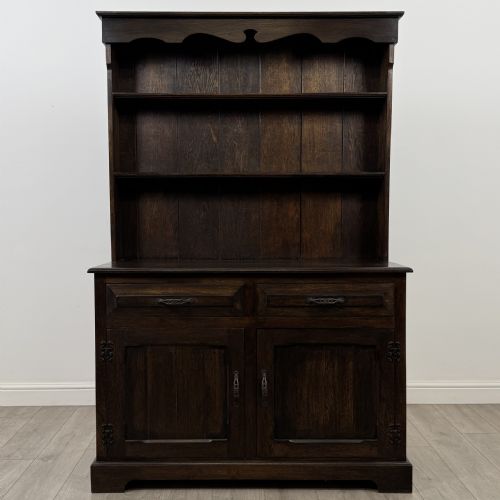
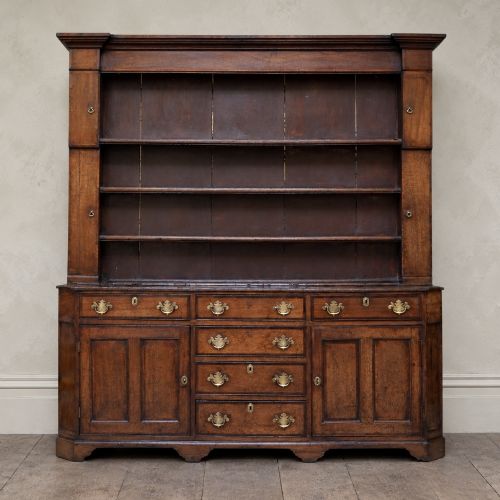
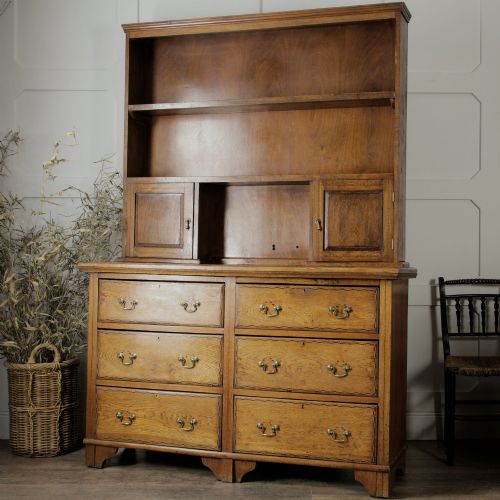
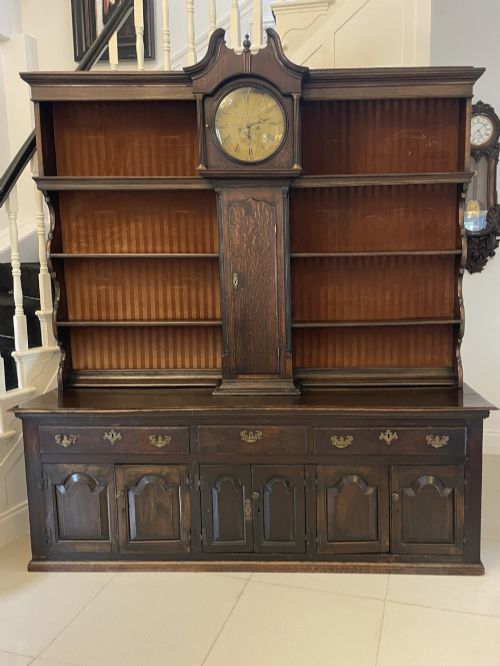
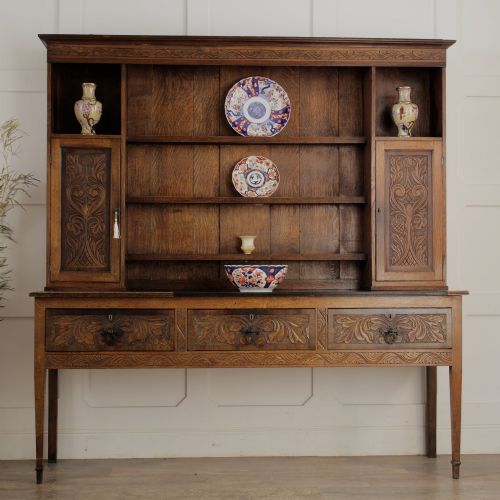
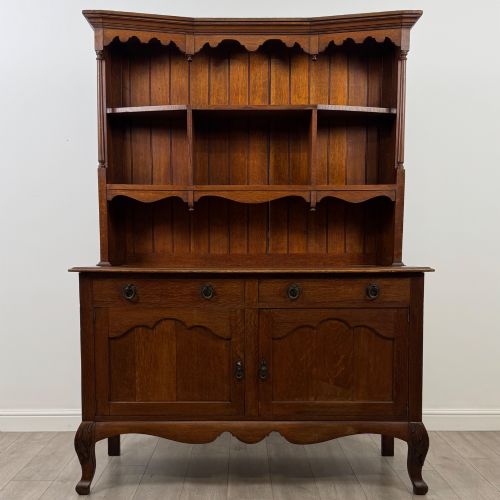
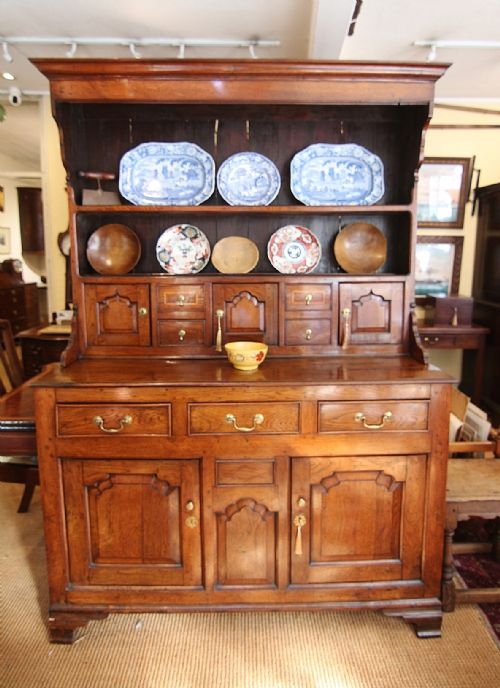
The version most commonly met on this page is an antique oak dresser featuring an integrated or associated plate rack. Examples span periods from the eighteenth century through to the Edwardian era, incorporating regional variations from locations such as Snowdonia and Anglesey.
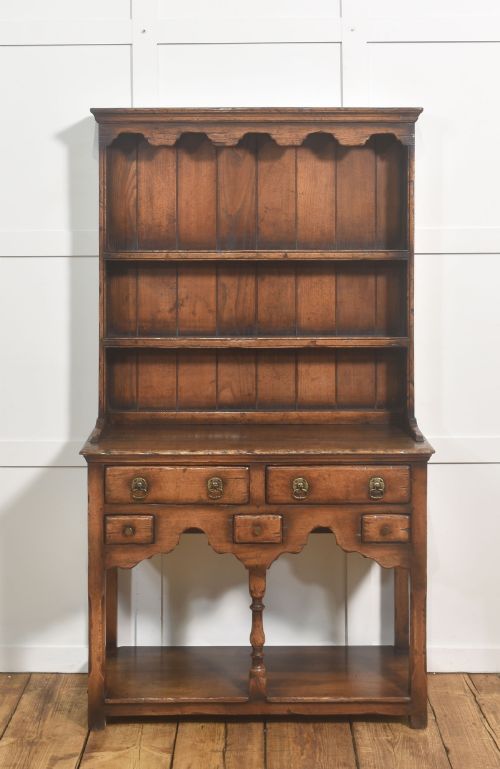
Makers utilised native hardwoods to construct sturdy country furniture ranging from simple cottage designs to elaborate breakfront forms. The combination of lower cupboards or potboards with open upper tiers defines the traditional character of these items.
Assessing Standard
Superior examples display crispness in timber moulding and retention of original hardware, whereas lesser pieces show heavy timber fatigue or replaced components. The integration between the lower sideboard base and the upper rack influences overall harmony and historical integrity.
Regional distinctiveness and sophisticated cabinetry details, such as breakfront facades or intricate inlay work, elevate specific items above standard utility pieces. The depth of the timber grain and the warmth of the natural surface finish also separate standard domestic furniture from finer workshop output.
Listings feature oak alongside pine, mahogany, and elm across eighteenth and nineteenth-century periods.
The Welsh Oak Sideboard Rack Glossary
- Potboard
- A lower open shelf positioned beneath the main counter of a dresser, historically utilised for storing pots and pans. This slatted or planked platform sits just above the floor.
- Plate Rack
- The upper wooden shelving unit fixed to the back of a dresser, featuring horizontal grooves or rails to secure plates upright. These shelves display ceramic collections.
- Breakfront
- A cabinet design where the central section projects forward from the flanking outer sections. This architectural arrangement adds visual depth to large dressers.
- Joined
- A term indicating furniture constructed using traditional mortise and tenon joints secured by wooden pegs rather than metal nails. This method signifies older carpentry traditions.
- Cottage Dresser
- A smaller, simpler vernacular version of the large regional dresser, built for modest rural homes without elaborate ornamentation. These pieces emphasise straightforward utility.
Welsh Oak Sideboard Rack: Frequently Asked Questions
What is a welsh oak sideboard rack?
A welsh oak sideboard rack is a traditional kitchen or dining room furniture piece combining a solid timber base with upper display shelving. It functions as both a storage cupboard and a plate rack.
These pieces evolved across rural regions to house domestic ceramics and utensils. The lower section typically includes drawers and cupboards while the upper tiers display plates.
How do I date an old oak dresser?
Dating relies upon examining construction methods, timber patination, and stylistic details. Eighteenth-century pieces often feature pegged joinery and hand-carved panels.
Later Victorian and Edwardian examples incorporate machine-sawn elements or different hardware styles. Regional variations also provide clues regarding the workshop origin.
Where were these dressers originally made?
These items originated in rural workshops across Wales and English border regions. Specific counties like Anglesey and Snowdonia developed distinct regional cabinetry styles.
Local joiners utilised native hardwoods available in their immediate geographic areas. This regional concentration created recognisable local characteristics in furniture design.
How should I care for antique oak furniture?
Maintenance involves keeping timber away from direct heat sources and sudden humidity changes. Regular dusting with a dry cloth protects the aged surface.
Occasional application of traditional wax helps nourish the dry oak. Avoiding harsh chemical cleaners preserves the historic patina.