



Warm Oak Welsh Dresser
A warm oak welsh dresser anchors a room with timber grain built for centuries of kitchen life.
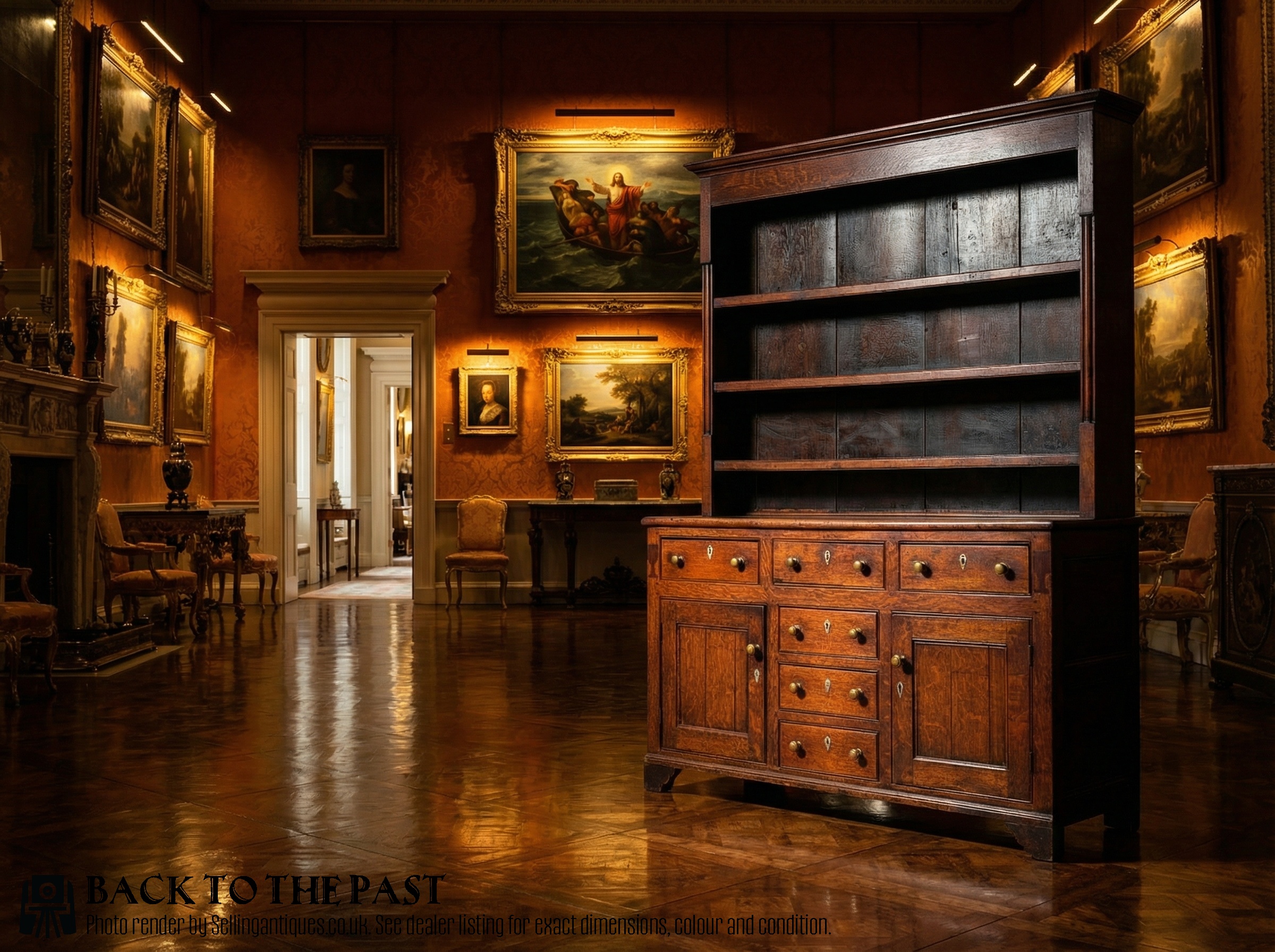
Warm Oak Welsh Dresser
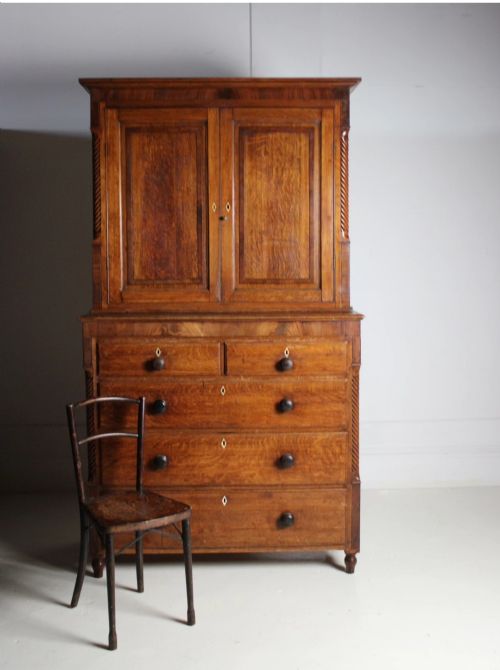
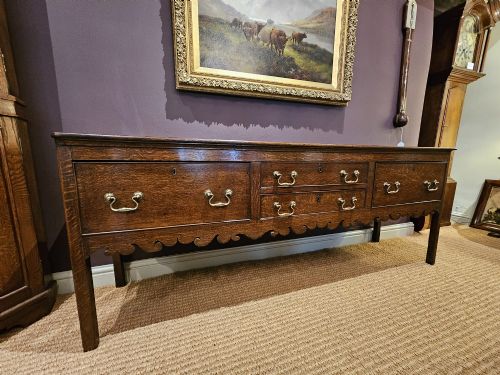
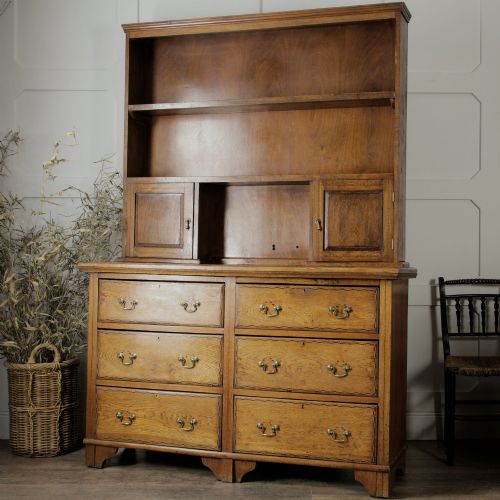
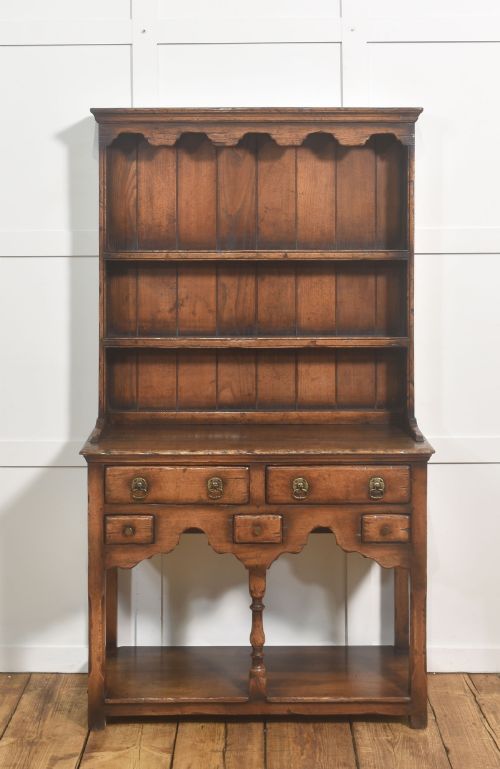
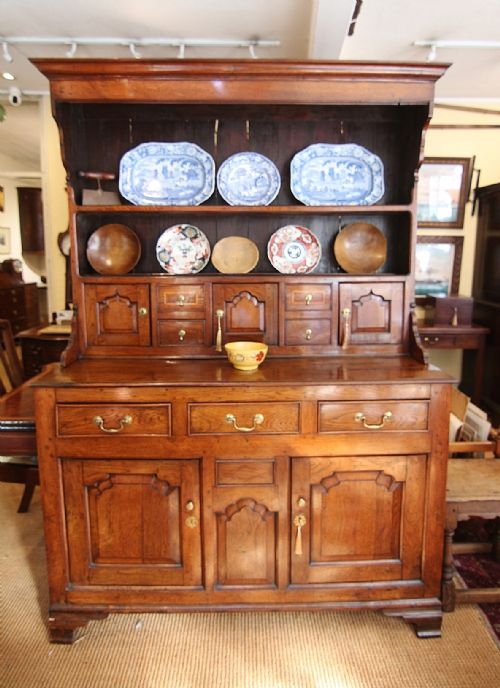
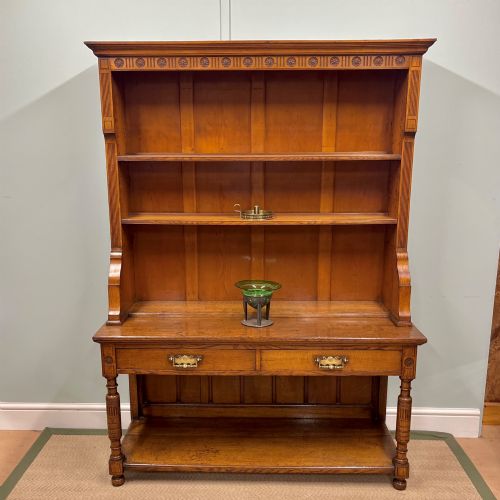
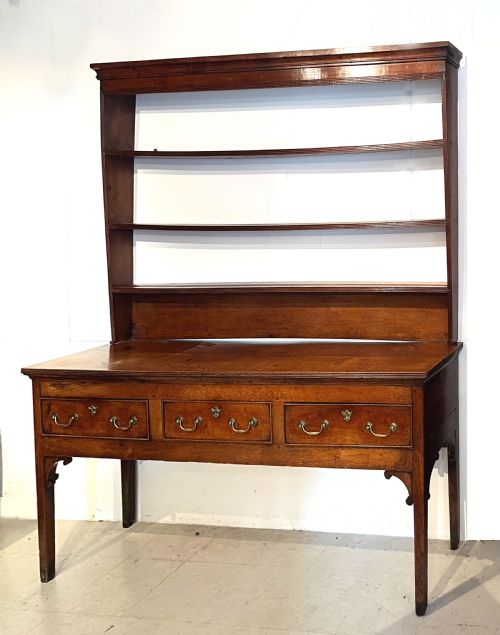
A warm oak welsh dresser brings together a timber base fitted with drawers or cupboards and an upper plate rack designed to display ceramics. These pieces emerge predominantly from the eighteenth and nineteenth centuries, carrying the weight of Georgian and vernacular country design.
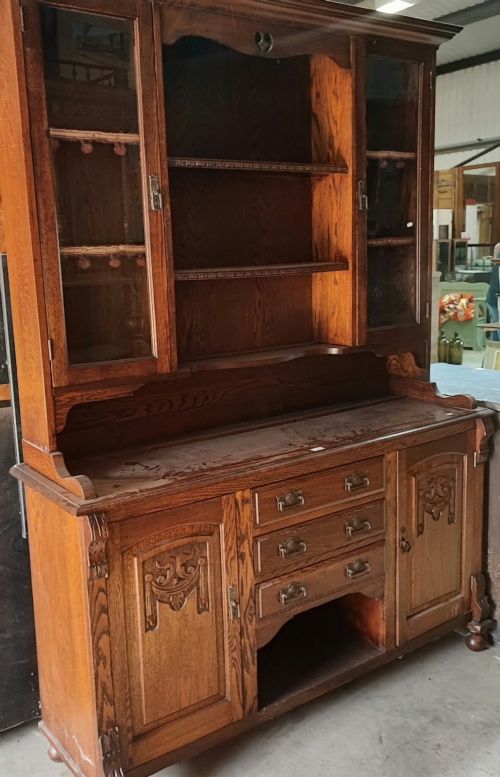
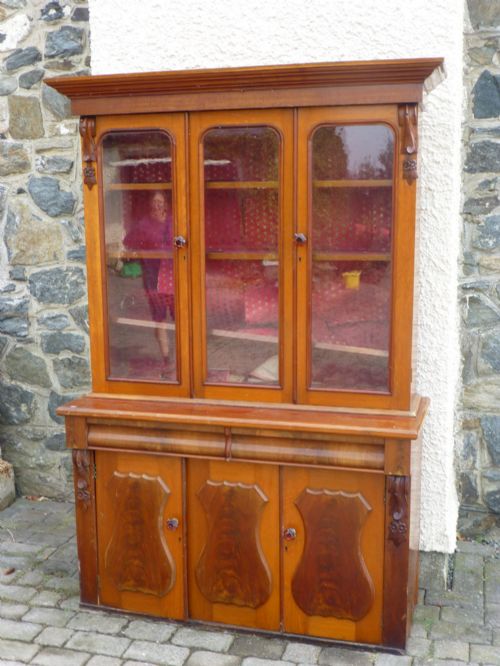
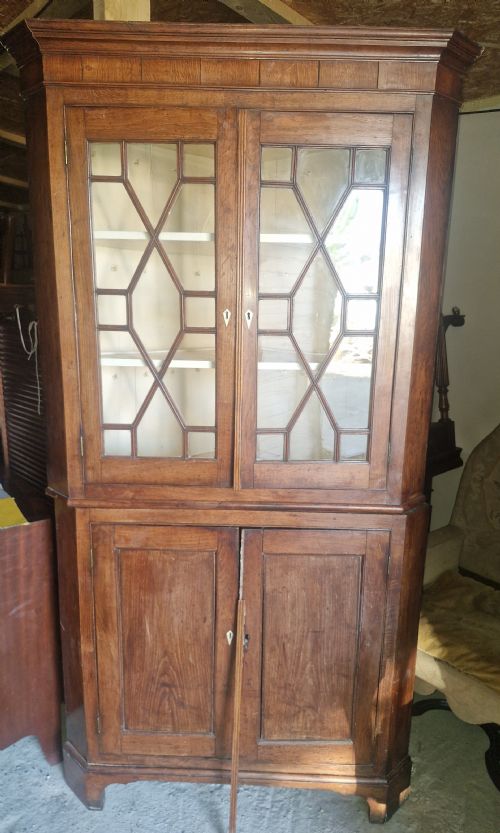
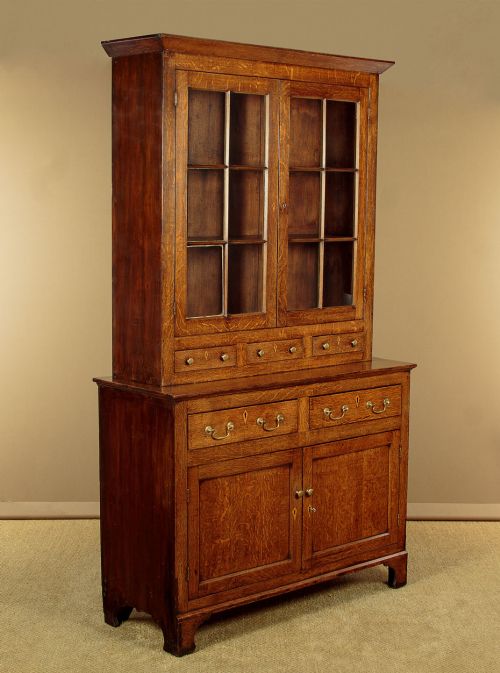
Buyers seeking this phrase encounter regional forms like the Snowdonia dresser or the traditional Cwpwrdd Gwydr, alongside simpler bases and glazed bookcase cupboards. Oak dominates the selection, though variations include mahogany inlays, fruitwood accents, and pine elements.
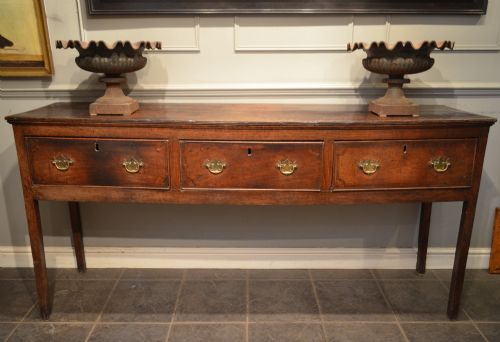
The format ranges from two-part architectural storage units to compact provincial bases. Each piece reflects the domestic storage needs of historic kitchens and dining spaces across England and Wales.
Materials and construction methods
Makers relied on solid oak planks for the primary structure, selecting timber that developed a rich honey or deeper aged tone over generations. Secondary timbers such as pine or fruitwood occasionally appeared in internal drawer linings and backing boards.
Traditional joinery involved pegged mortise and tenon frames, hand-cut dovetails on drawer boxes, and panelled doors. Brass drop handles, iron hinges, and glass panes added functional contrast to the dominant woodwork.
One notable nineteenth-century Welsh dresser carries the legacy of dogs from Café Snowdon.
Distinguishing quality across examples
Quality rests in the integrity of the timber selection and the crispness of the hand-carved mouldings. Uniformity in the oak grain and minimal timber replacement elevate an example above standard utility pieces.
Regional detailing, such as inlaid mahogany crossbanding or shaped friezes characteristic of Snowdonia and Talwrn workshops, marks out more ambitious craftsmanship. The survival of an original plate rack paired correctly to its base determines the overall architectural coherence.
The Warm Oak Welsh Dresser Glossary
- Cwpwrdd Gwydr
- A Welsh term for a glazed cupboard, often describing the upper display section of a regional dresser.
- Plate rack
- The open shelving superstructure attached above the dresser base to hold ceramic plates upright for display.
- Dresser base
- The lower section of a dresser featuring drawers, cupboards, or open potboards without the upper plate rack.
- Vernacular
- Architectural and furniture styles rooted in local building traditions and materials rather than polite academic design.
- Crossbanding
- A decorative technique where thin strips of veneer are laid across the grain to form a contrasting border.
Warm Oak Welsh Dresser: Frequently Asked Questions
What is a Welsh dresser?
A Welsh dresser is a traditional storage unit featuring a lower sideboard of drawers or cupboards combined with an upper open rack for displaying plates.
Historically used in farmhouse kitchens for domestic utensils, these pieces evolved distinct regional characteristics depending on whether they originated in areas like Snowdonia or Talwrn.
How do I date an oak dresser?
Dating relies on examining construction methods, timber patination, and stylistic markers such as hardware and mouldings. Hand-cut dovetails, pegged joints, and vernacular quirks point towards eighteenth or nineteenth-century origins.
Later Victorian and revival pieces often display machine-cut elements and different internal secondary woods.
Are all dressers made of solid oak?
While solid oak forms the primary material for most listed examples, makers frequently incorporated secondary timbers. Pine, fruitwood, and mahogany appear in drawer linings, backing boards, or decorative inlay work.
Checking the interior construction reveals these varied wood selections.
How do I style a dresser at home?
A dresser serves as both functional storage and a display focal point for kitchens or dining rooms. Arranging ceramics and glassware on the upper plate rack balances the heavy timber base.
The warm tones of the wood pair naturally with whitewashed walls or traditional country interiors.