
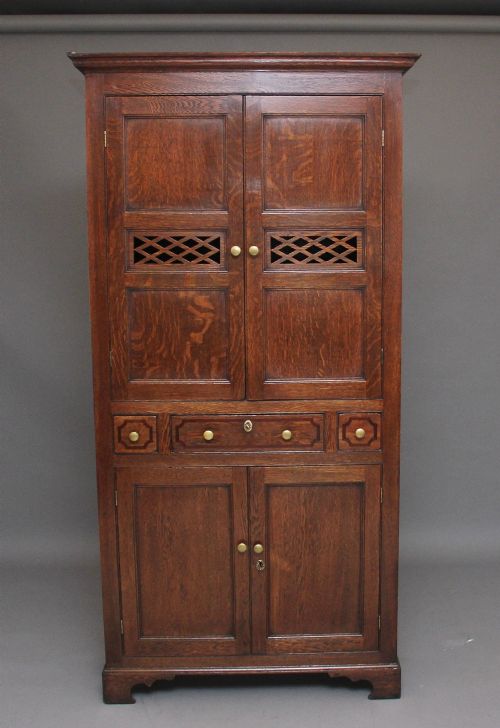


Welsh Oak Food Cupboard
These robust pieces of regional vernacular furniture offer practical storage with a distinct character.
Welsh Oak Food Cupboard
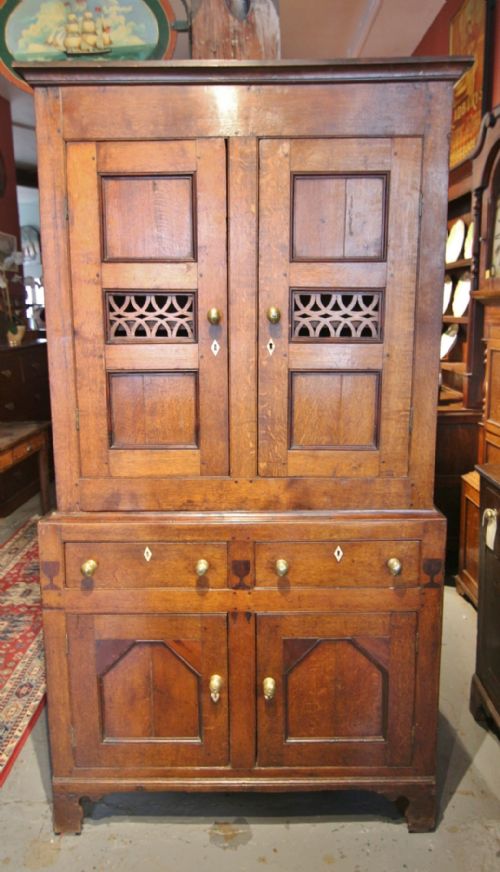
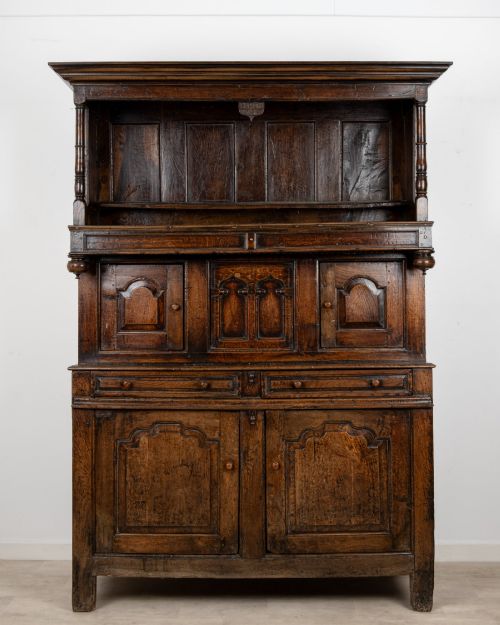
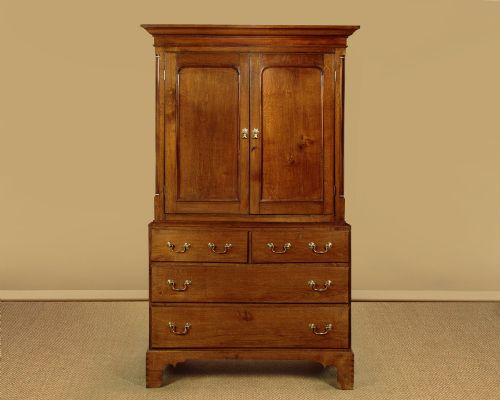
A welsh oak food cupboard serves as a practical storage piece rooted in regional domestic history. Buyers encounter forms ranging from simple wall-hanging units to substantial multi-tiered presses.
The selection includes specific regional variants such as the deuddarn and tridarn, alongside specialised bread and cheese cupboards. These pieces reflect the domestic storage needs of historic rural households.
Dating spans from the seventeenth century through the Georgian era and into the nineteenth century. Examples exhibit the vernacular traditions associated with different Welsh localities.
Materials and construction methods
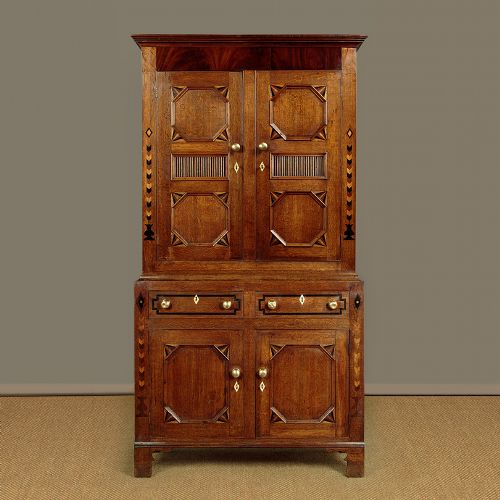
Construction relies primarily on solid oak, often complemented by secondary woods and detailed with inlaid decoration using materials like ebony and holly. Iron and brass hardware, including hinges and latches, secure the doors.
Joinery methods reflect traditional vernacular woodworking techniques appropriate for sturdy domestic furniture. Cabinetmakers utilised pegged joints and panelled construction to build lasting storage units.
Historic bread and cheese cupboards kept dairy and loaves secure from mice using clever pierced wooden ventilation panels.
Distinguishing characteristics in the range
Quality differences emerge through the crispness of carved details and the finesse of inlaid contrasting woods. The integrity of original timbers and hardware also separates standard examples from exceptional survivals.
Surface appearance, often described through patination, reflects the natural ageing of the wood over centuries. Pieces retaining distinct regional characteristics command closer attention from collectors.
The Welsh Oak Food Cupboard Glossary
- Deuddarn
- A traditional two-part Welsh cupboard featuring enclosed storage sections. This form typically dates from the seventeenth and eighteenth centuries.
- Tridarn
- A three-tier Welsh cupboard incorporating an open middle stage between lower cupboards and an upper canopy. These are substantial architectural pieces.
- Bread and cheese cupboard
- A specialised food storage cabinet featuring ventilated panels or pierced decoration to allow air circulation. These units kept provisions fresh in domestic kitchens.
- Press cupboard
- A large enclosed storage piece used for linens and provisions. They utilise heavy panelled doors and robust frame construction.
- Vernacular furniture
- Domestic pieces built by local craftsmen following regional traditions rather than metropolitan high styles. These objects utilise locally available materials like oak.
Welsh Oak Food Cupboard: Frequently Asked Questions
What is a bread and cheese cupboard?
A bread and cheese cupboard is a specialised food storage unit designed to keep provisions cool and ventilated. These pieces often feature pierced panels to allow air circulation.
They served an essential role in historic kitchens before modern refrigeration. Today they function as distinctive storage cabinets in domestic interiors.
How do I date an oak cupboard?
Dating relies on examining construction techniques, joinery methods, and the presence of regional stylistic markers. Early pieces from the seventeenth century display heavy frame and panel construction.
Later Georgian examples incorporate refined proportions and occasional inlaid decoration. Hardware types and timber characteristics also provide clues to the period of origin.
Where were these cupboards made?
These pieces originate from various regions across Wales, including Snowdonia and Anglesey. Local cabinetmakers adapted designs to suit the domestic requirements of rural households.
Regional variations appear in the decorative motifs and structural proportions. This local distinctiveness defines the Welsh vernacular tradition.
How should I care for historic oak?
Historic oak requires stable indoor humidity levels and protection from direct sunlight to prevent timber movement. Gentle cleaning preserves the natural surface patination.
Avoid harsh chemical polishes that can damage the antique finish. Regular maintenance ensures the timber remains stable over time.