


Welsh Oak Deuddarn
A Welsh oak deuddarn is a traditional two-part storage piece offering sturdy country character for the home.
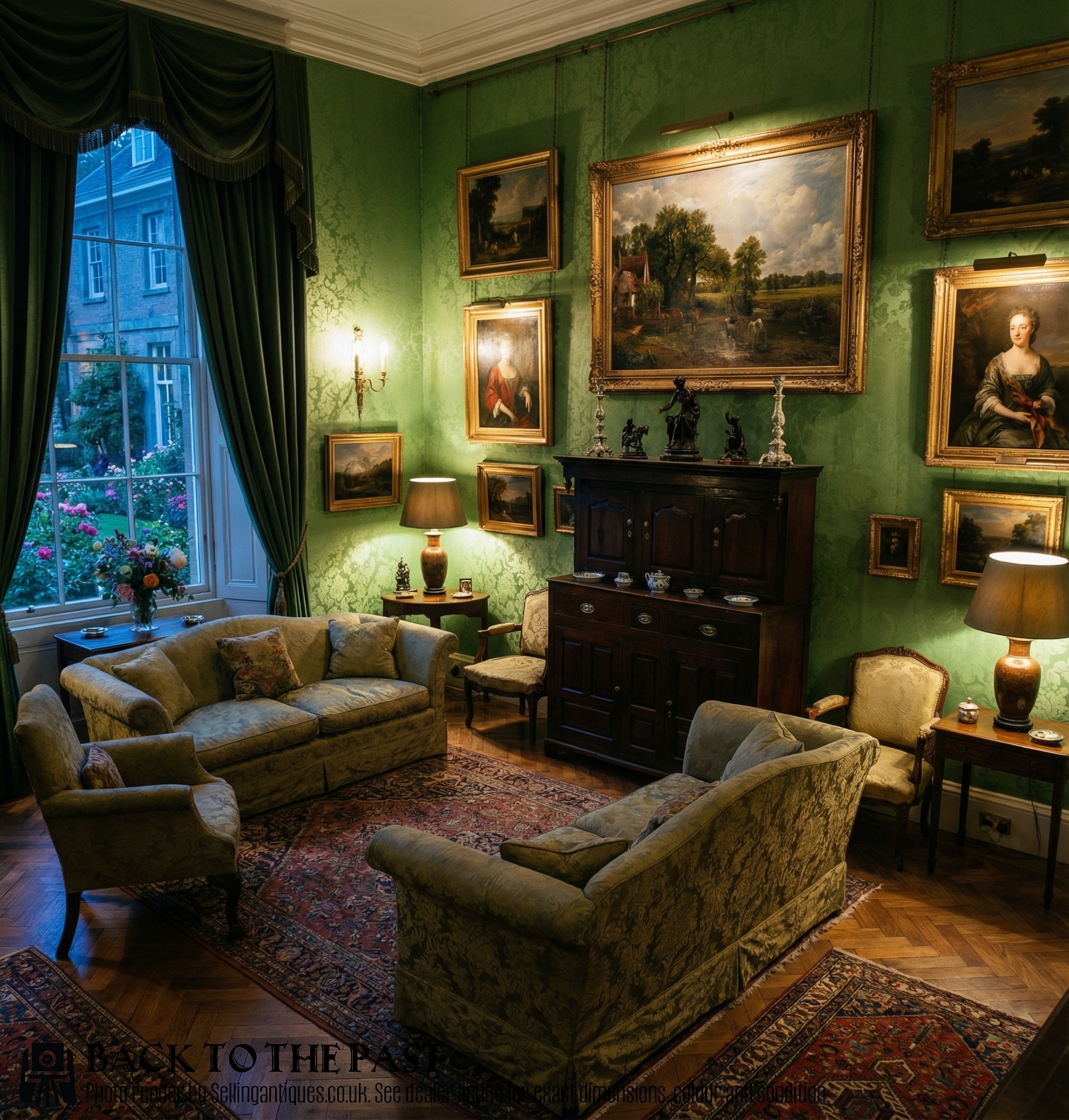
Welsh Oak Deuddarn
A welsh oak deuddarn is a traditional two-part cupboard originating from Welsh vernacular workshops. These substantial storage pieces combine an upper recessed section with a larger lower base, serving historically as principal storage furniture in rural homes. Buyers searching for a welsh oak deuddarn seek authentic regional character and robust construction.
Most examples encountered date from the seventeenth century through the nineteenth century, spanning Georgian and Jacobean styles. Surviving pieces frequently manifest as press cupboards or court cupboards with panelled doors and fitted interiors. The typical form reflects generations of domestic utility within Welsh country interiors.

Factors of quality
Quality in a welsh oak deuddarn rests upon the crispness of the original joinery, the integrity of the timber and the depth of surface patination. Early seventeenth-century examples often display more pronounced vernacular carving and heavier proportions compared to later Georgian pieces.
Proportions also dictate distinction, with smaller scaled specimens commanding particular interest among collectors. The survival of original brass and iron fittings without extensive timber replacement distinguishes finer survivals from heavily restored examples.
Listings for the welsh oak deuddarn span three distinct centuries, extending from the seventeen hundreds through the nineteenth century.
The Welsh Oak Deuddarn Glossary
- Deuddarn
- A traditional Welsh two-part cupboard featuring an enclosed upper section recessed above a lower base. This regional form evolved specifically for domestic storage in rural households.
- Cwpwrdd
- The Welsh language term for cupboard, frequently prefixed to deuddarn in historic listings. It denotes the enclosed cabinet function of the furniture.
- Court cupboard
- An older term often applied to early deuddarns featuring an upper stage supported by pillars or columns. These seventeenth-century forms display heavier architectural detailing.
- Vernacular
- Style of furniture built by regional craftsmen using local traditions rather than metropolitan pattern books. These pieces prioritise utility and local material availability.
Welsh Oak Deuddarn: Frequently Asked Questions
How do I date a deuddarn?
Dating relies on examining construction methods, timber patination and stylistic details. Seventeenth-century examples often show heavier proportions and simple architectural mouldings.
Later eighteenth and nineteenth-century pieces display refined Georgian stylistic influences, smoother panel work and more regular proportions.
Were these pieces painted?
Most surviving examples were constructed from solid timber intended to display the natural grain. Over centuries of polishing, the wood develops a warm historic surface patination.
Original finishes were maintained through simple waxing rather than heavy industrial varnishes, preserving the tactile quality of the oak.
Where were they made?
These cupboards were produced by regional joiners and country cabinet makers working across Wales. Their construction reflects local vernacular traditions rather than urban workshop standards.
Makers utilised locally felled timber, resulting in regional variations in construction details and ornamental carving styles.