


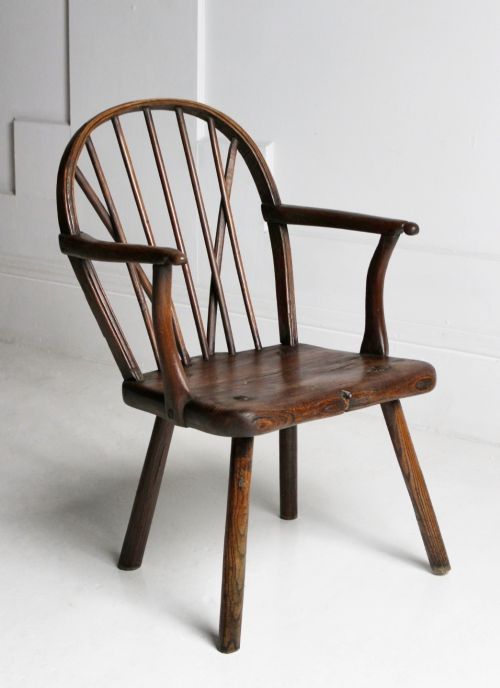


Welsh Oak Armchair
These heavy timber seats embody centuries of vernacular craft, offering robust construction and earthy grain that anchors a traditional room.
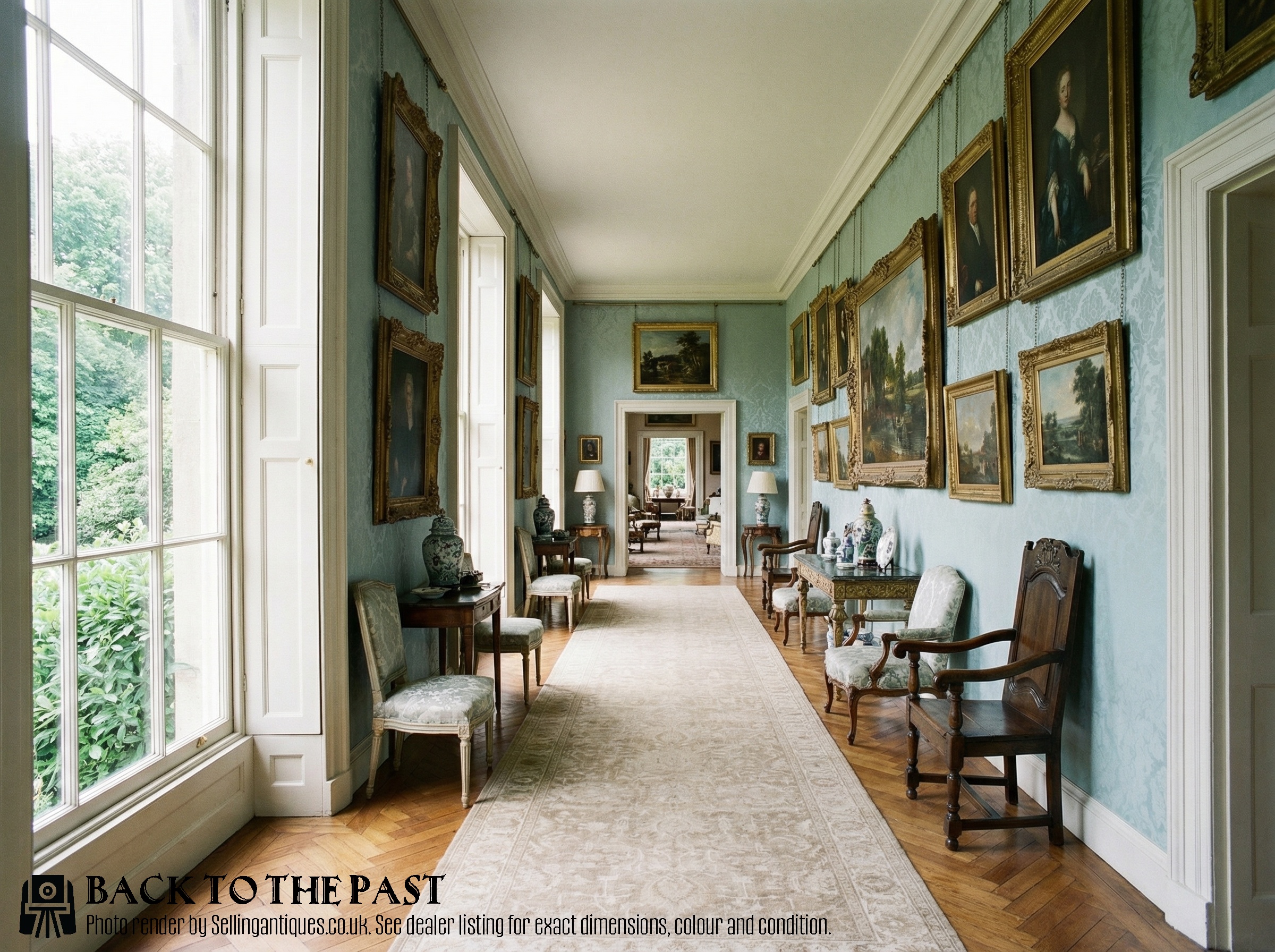
Welsh Oak Armchair
A welsh oak armchair serves as a sturdy anchor for traditional interiors, emerging from rural workshops across the country in various regional forms. The items appearing in this collection span several centuries, including seventeenth-century wainscot constructions and later farmhouse interpretations.
Buyers encounter robust proportions and heavy timber framing, often incorporating panelled backs, stick backs, or solid seats. Examples range from simple country seating to more substantial open elbow chairs originating from specific districts like Carmarthenshire or North Wales.
Domestic settings across the eras utilised these seats near hearths, in farmhouses, and within panelled halls. Their straightforward utility and honest joinery reflect the practical needs of rural households over generations.
What varies in quality
The distinction between standard domestic seating and exceptional examples lies in the integrity of the timber selection and the ambition of the regional design. Heavier proportions, sophisticated carved enrichment, and documented local provenance elevate certain pieces above everyday farmhouse utility.
Proportional balance and the preservation of original surfaces dictate the character of surviving items. Pieces retaining their early patination and uncompromised structural joints demonstrate superior craftsmanship from regional workshops.
Welsh Oak Armchair Retail Price Guide 2026
Typical asking prices for welsh oak armchair among the pieces listed under this phrase on Sellingantiques today, from the lower quarter to the upper quarter. They describe what is for sale here now, not the wider market.
The documented forms include wainscot armchairs, stick backs, camel backs, and commode seats originating from Welsh country workshops.
The Welsh Oak Armchair Glossary
- Wainscot armchair
- A heavy wooden chair featuring a panelled back and solid seat, typical of earlier centuries. These pieces often display significant architectural presence and sturdy joinery.
- Stick back
- A seating form constructed by inserting individual turned spindles into a solid wooden seat and bent rail. This technique lightened the overall structure while maintaining robust support.
- Vernacular
- Objects designed and built by local tradesmen for everyday use rather than following strict academic stylistic rules. This approach produced practical furniture rooted in regional traditions.
- Bar back
- A chair design featuring a horizontal curved wooden slat across the upper backrest. This structural element provided comfortable lower back support for daily domestic activities.
- Box seat
- A seating construction incorporating a storage compartment hidden beneath the hinged seat board. Such designs maximised utility in smaller rural living spaces.
Welsh Oak Armchair: Frequently Asked Questions
Where were these chairs made?
These pieces originate from rural workshops and farmsteads across Wales, with distinct regional styles developing in areas such as North Wales and Carmarthenshire. Local joiners utilised native timber to supply domestic seating for regional households.
Makers adapted traditional forms to suit local materials and utility, resulting in diverse seating types from simple farmhouse chairs to elaborate eisteddfod thrones.
How should I care for oak furniture?
Maintaining antique oak involves keeping the timber away from direct heat sources and sudden humidity changes to prevent wood splitting. Regular dusting with a dry cloth preserves the natural surface patination.
Avoid applying modern silicone polishes, as traditional beeswax feeds the dry wood and enhances the historic grain over time.
How do I identify the period?
Dating relies on observing construction methods, joinery techniques, and the evolution of regional styles from the seventeenth century onward. Earlier examples typically feature pinned mortise and tenon joints and solid panelled backs.
Later nineteenth-century interpretations often display lighter turnings, simpler stick back construction, or occasional upholstered elements reflecting Victorian domestic preferences.