

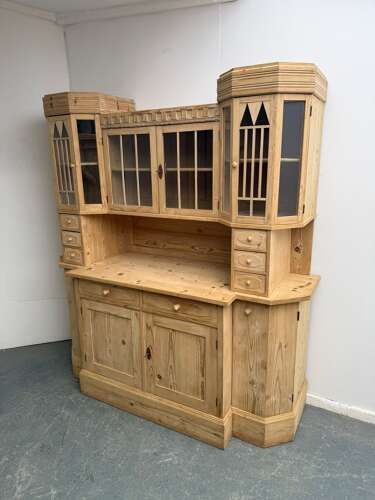
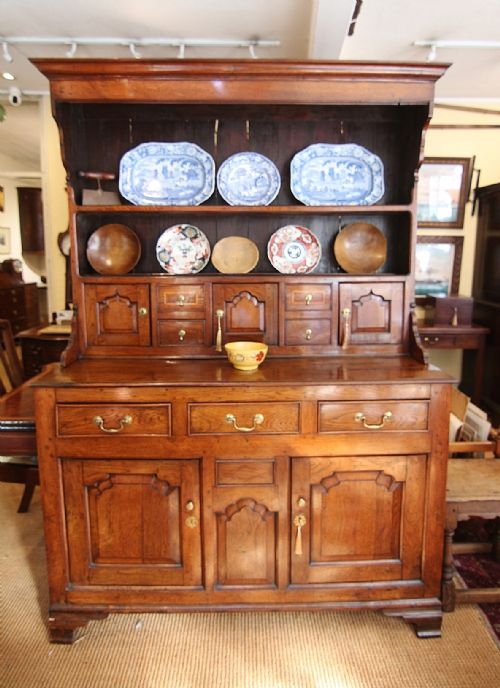
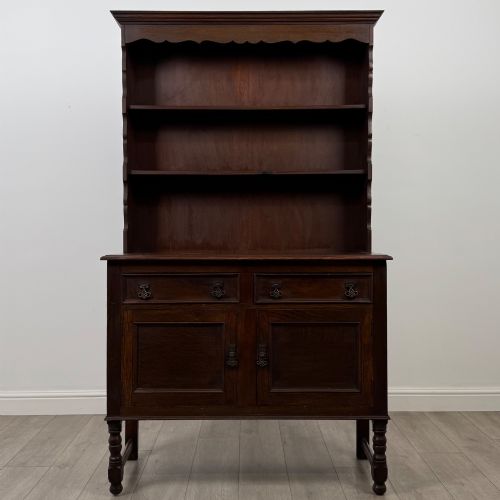
Welsh Kitchen Cupboard
A welsh kitchen cupboard provides robust domestic storage rooted in centuries of rural craft.
Welsh Kitchen Cupboard
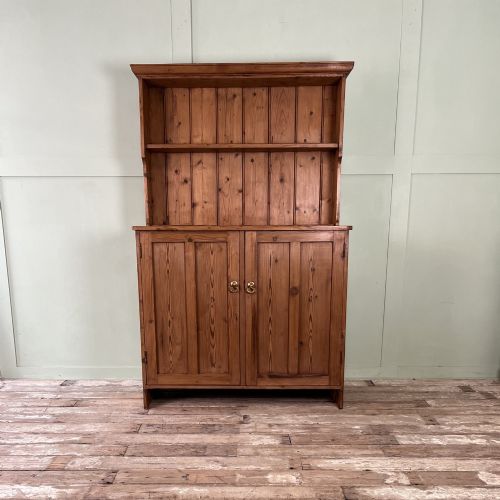
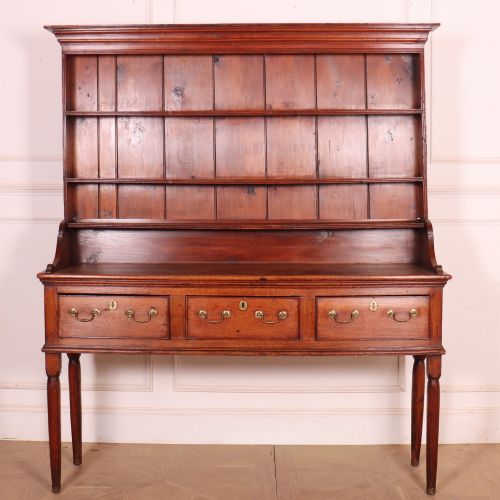
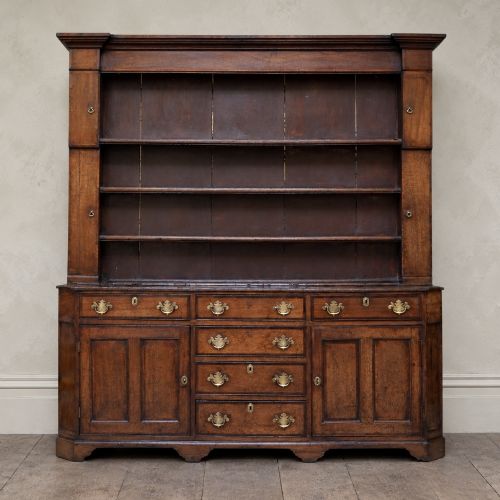
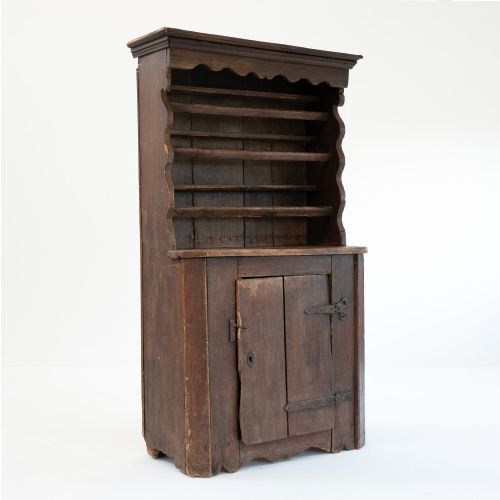
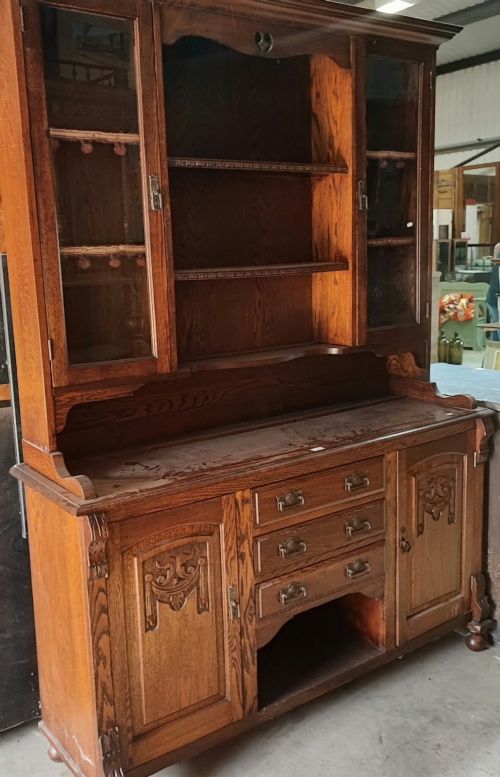
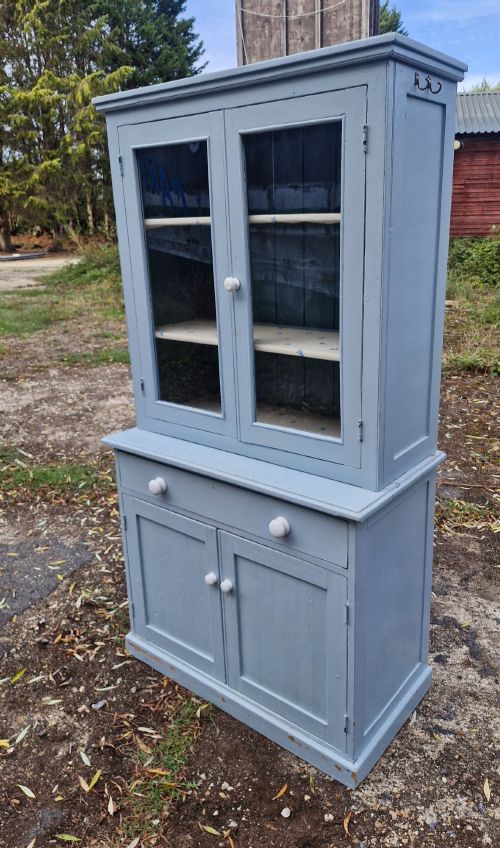
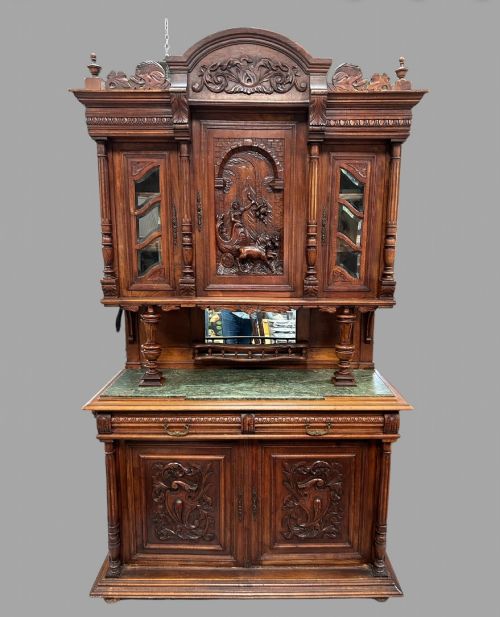
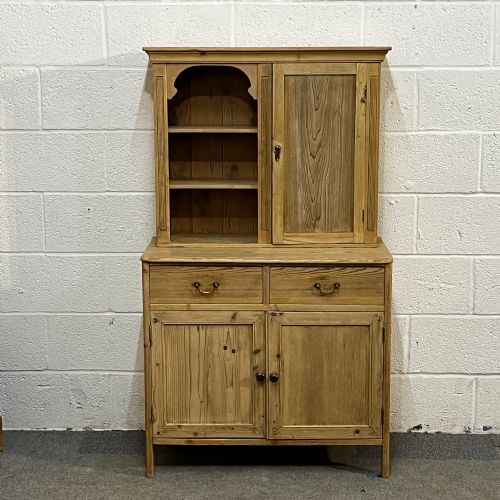
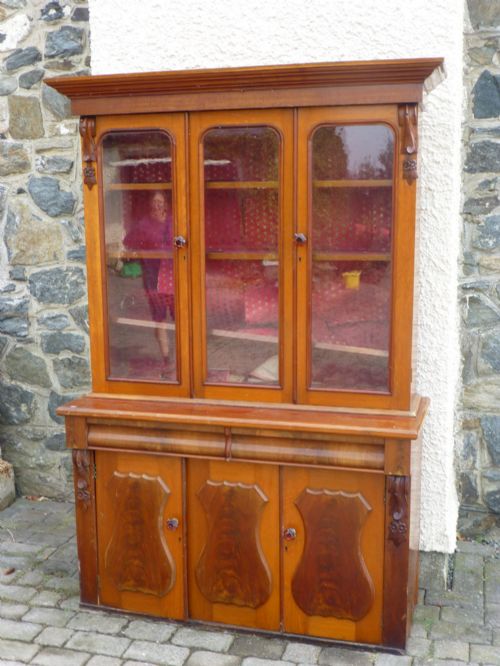
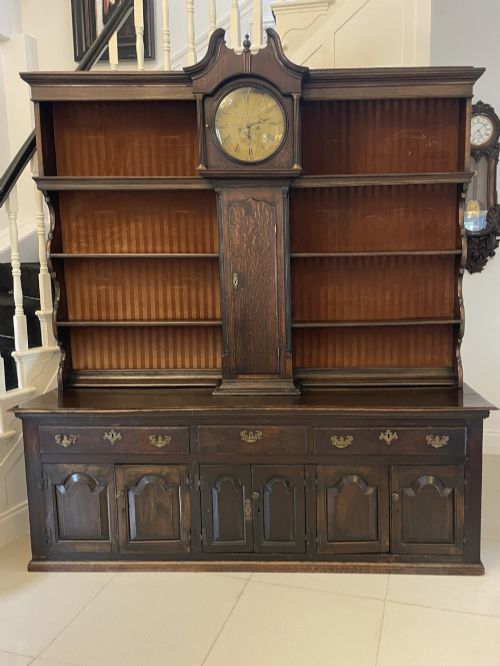
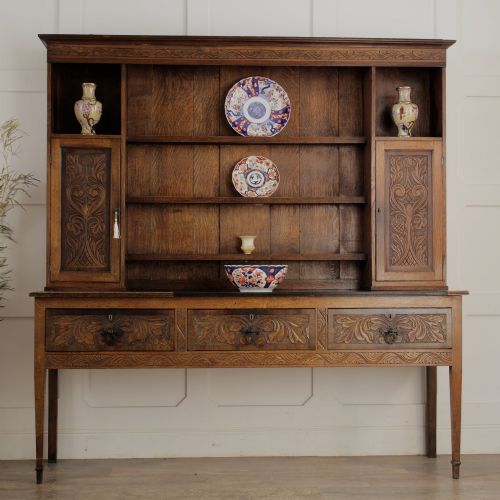
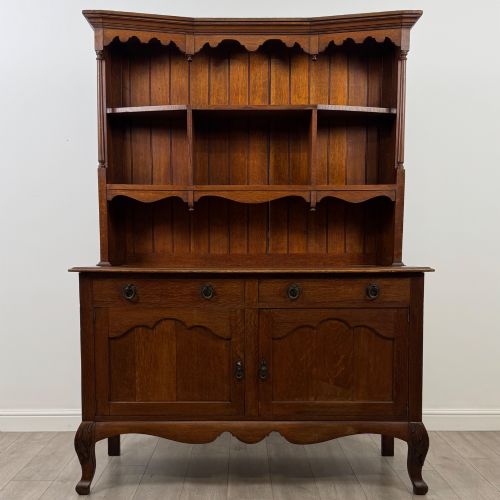
A welsh kitchen cupboard unites practical lower storage with upper display shelving or enclosed compartments designed for household provisions. These pieces emerge predominantly in oak and pine from the eighteenth and nineteenth centuries, reflecting regional workshops across Wales and the wider British countryside.
The format typically divides into a heavy base fitted with drawers and cupboards, paired with an open plate rack or glazed upper section. Regional variations range from simple cottage dressers to specialised food cupboards created for domestic economy.
Buyers encounter frequent examples from the Georgian and Victorian eras, alongside vernacular interpretations featuring unpretentious lines and local timber selections. These items served as the central storage unit in historic kitchens before fitted cabinetry replaced them.
How They Were Made
Joiners constructed these cabinets primarily using solid oak and pine, frequently combining woods such as mahogany for subtle inlay or detail work. Timber was locally sourced and seasoned, relying on pegged mortise and tenon joinery to sustain heavy daily use in busy households.
Surfaces received varying treatments, from traditional wax finishes that nurtured the grain over generations to early painted applications in pine. Iron hinges, brass pulls and glass panels were integrated where specific regional styles demanded display or secure provision storage.
Construction methods evolved from eighteenth-century vernacular framing to the more standardised proportions seen in nineteenth-century workshops, whilst retaining hand-planed panels and dovetailed drawer construction.
Keepers of these cupboards often discovered secret compartments hidden behind spice drawers, designed for stashing household silver and coins.
What Varies In Quality
Quality rests upon the integrity of the timber selection, the crispness of surviving mouldings and the retention of original brass or iron hardware. Pieces fashioned from dense, well-figured oak display superior structural longevity compared to utilitarian utility items.
Proportion and regional character define the upper tier of examples, particularly where marquetry inlay, mahogany cross-banding or specialised cupboard configurations remain intact. Alterations to plate racks or replaced cornices alter the integrity of the piece.
Construction depth separates standard vernacular output from master regional workshop production, where secondary woods and internal drawer linings match the quality of the external presentation.
Early Heals of London
The Welsh Kitchen Cupboard Glossary
- Bread and cheese cupboard
- A traditional regional food cupboard featuring pierced wooden panels or slats for ventilation, historically used to store dairy and provisions. These pieces often form a distinct sub-category within Welsh vernacular furniture.
- Plate rack
- The open wooden shelving unit mounted atop the dresser base, designed to display ceramic plates and platters upright. Earlier variants incorporate specific plate grooves and shaped friezes.
- Pot board
- The lower open shelf situated just above the floor between the legs of an earlier dresser, originally utilised for storing heavy pots and pans. This structural feature helps date pieces to the eighteenth and early nineteenth centuries.
- Housekeeper's cupboard
- A large storage cabinet combining multiple internal shelves and drawers for linens or dry goods, usually enclosed by solid panelled doors. These items reflect grander domestic service environments.
- Vernacular furniture
- Domestic pieces built by regional tradesmen to local traditions rather than following metropolitan design books. This approach prioritized practical utility and local material availability.
Welsh Kitchen Cupboard: Frequently Asked Questions
What is a bread and cheese cupboard?
A bread and cheese cupboard is a specialised vernacular storage piece designed with ventilated panels to keep dairy and dry provisions cool. These cabinets reflect historic rural domestic routines before modern refrigeration.
They appear frequently in Welsh and West Country inventories, often integrated into dresser bases or standing independently as tall food stores.
How do I date an antique dresser?
Dating relies on examining construction techniques, timber choice, and hardware styles across the piece. Eighteenth-century examples typically display pegged joinery, hand-planed boards, and simpler structural framing.
Later nineteenth-century iterations incorporate machine-sawn elements, standardised drawer dovetailing, and occasionally softer secondary woods like pine beneath painted finishes.
Are plate racks usually original?
Plate racks were frequently separated, lost, or reunited with dresser bases over centuries of domestic use. Inspecting the contact points, timber ageing, and mounting fixtures reveals whether the rack belongs to the base.
Matched pairs share consistent wear patterns and wood species, whilst married elements display subtle discrepancies in colour or construction depth.
How should I care for antique oak?
Antique oak benefits from simple maintenance using traditional beeswax applied sparingly to nourish the dry wood grain. Avoid synthetic polishes and keep timber away from direct heat sources or rapid humidity fluctuations.
Regular gentle buffing preserves the natural patina developed through generations of household use.