

Waxed Pine Cabinet
A waxed pine cabinet brings practical storage and honest country character into a room through warm finishes and solid timber construction.
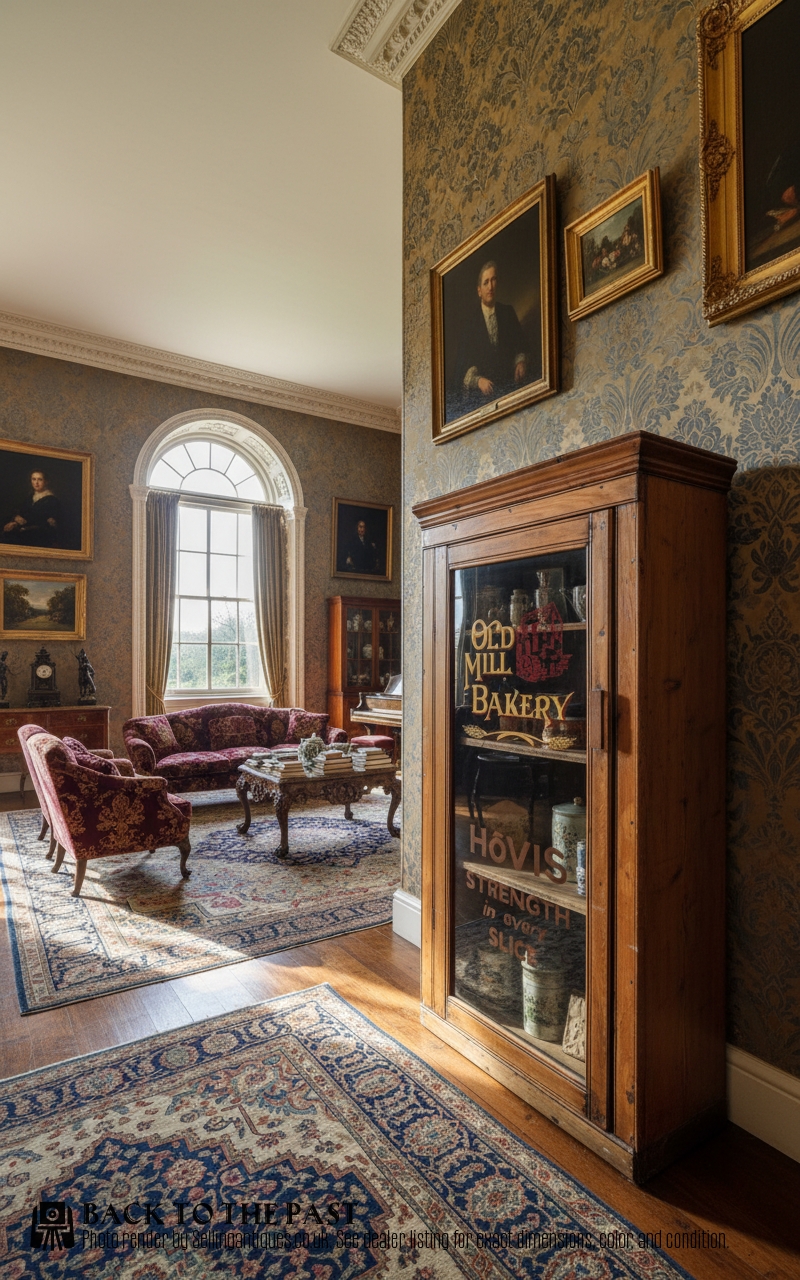
Waxed Pine Cabinet
When searching for a waxed pine cabinet, buyers encounter a diverse selection of storage furniture originating primarily from the Victorian and Georgian periods, alongside pieces from 1910.
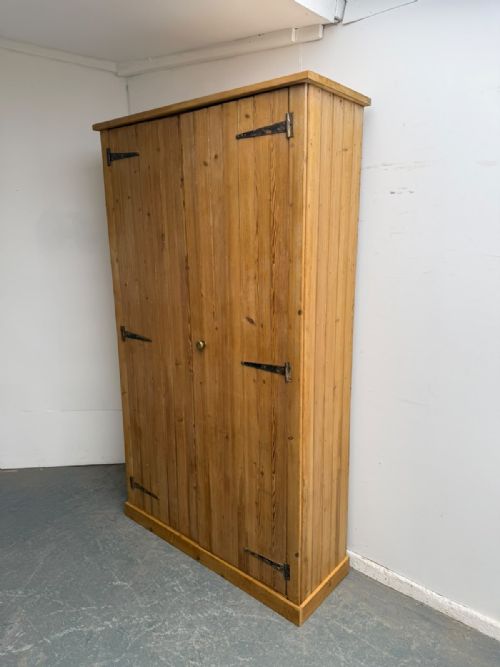
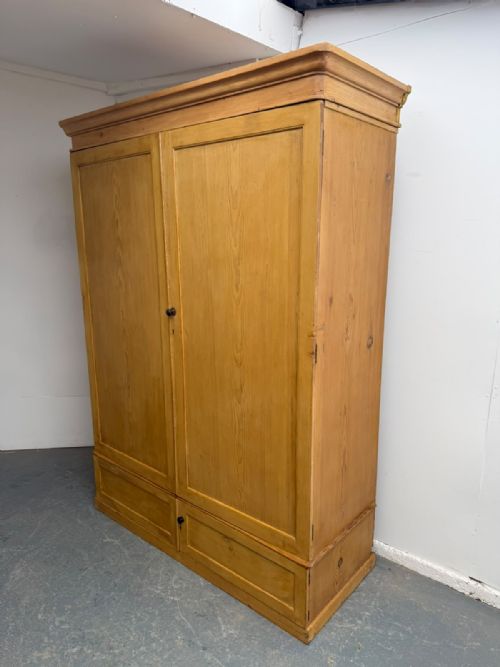
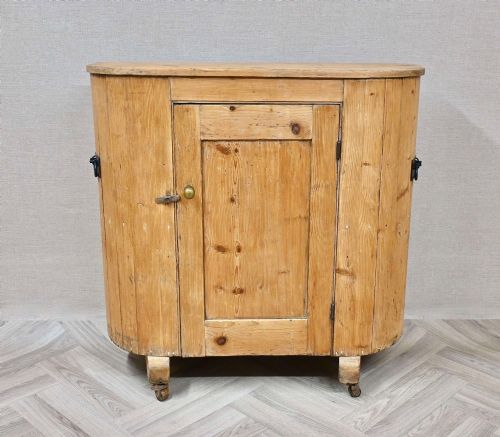
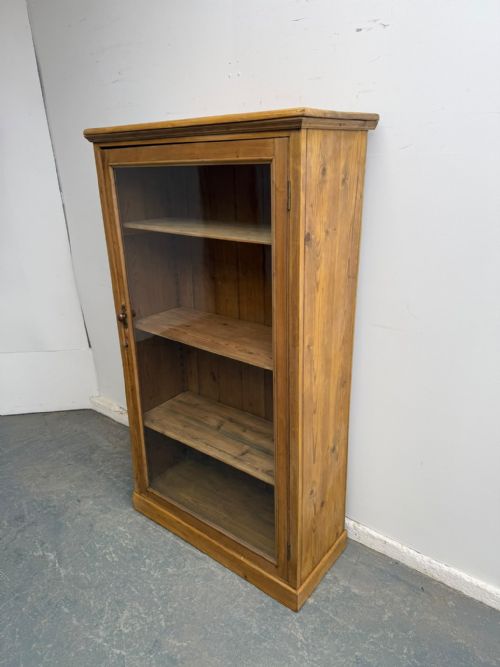
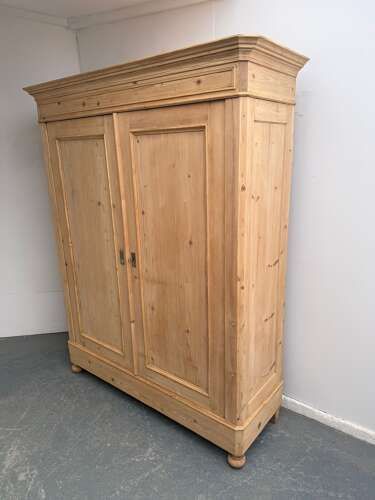
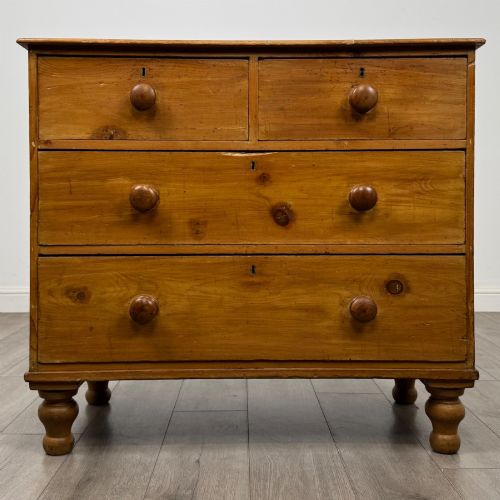
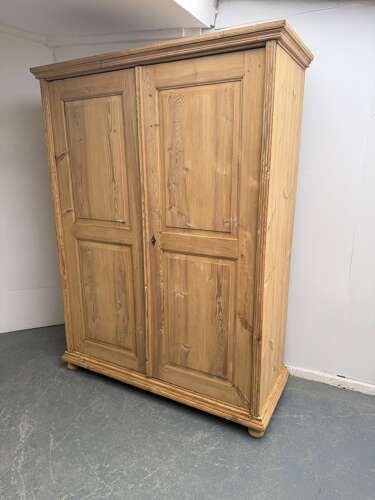
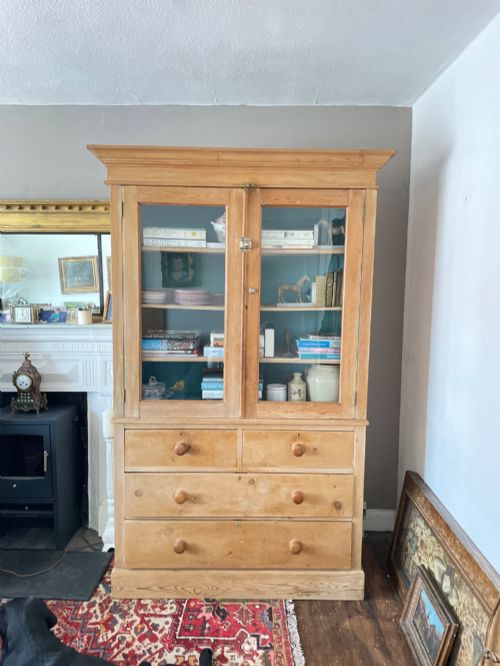
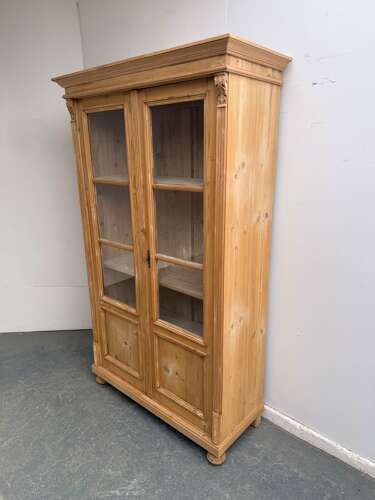
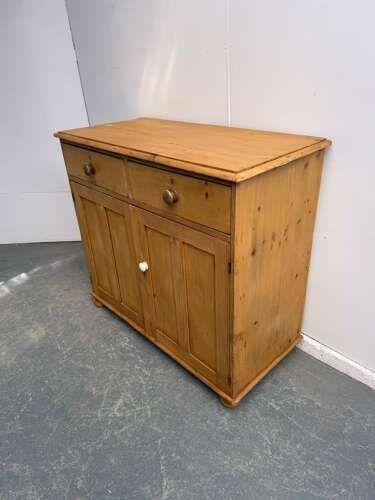
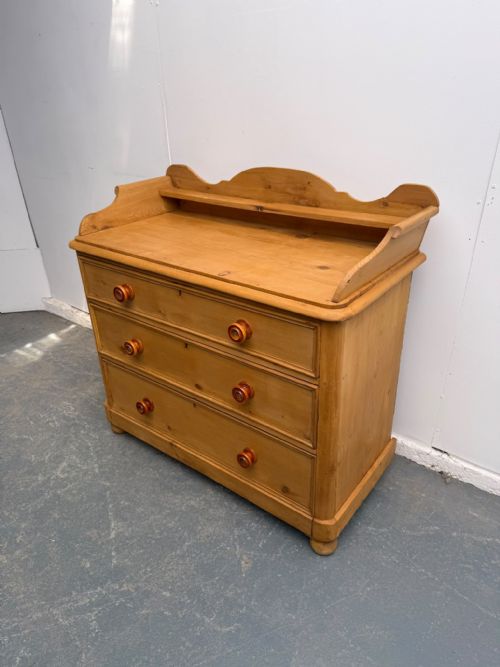
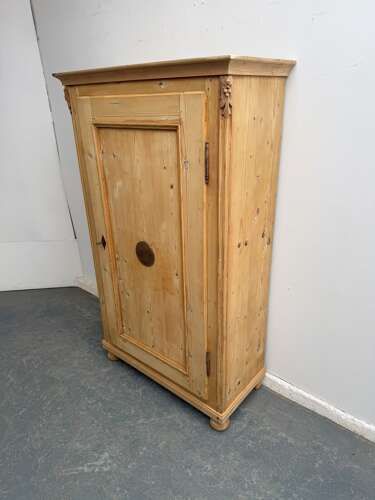
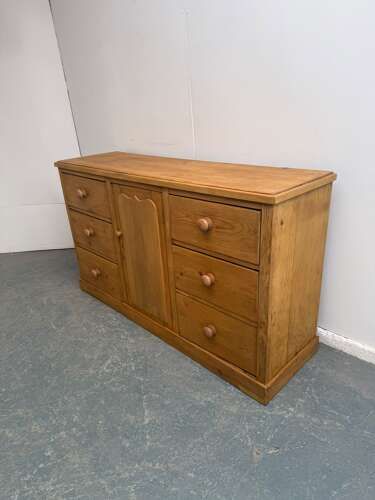
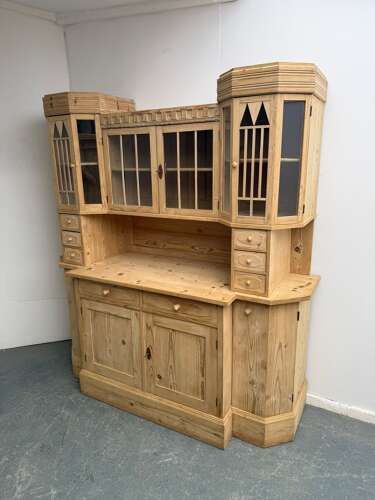
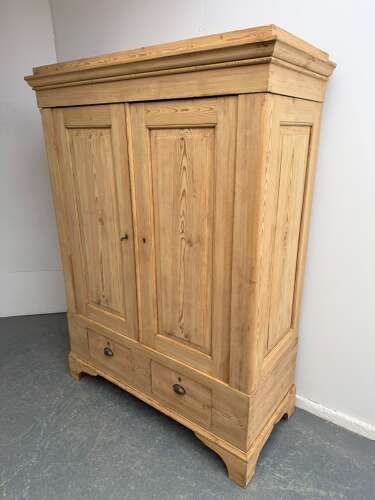
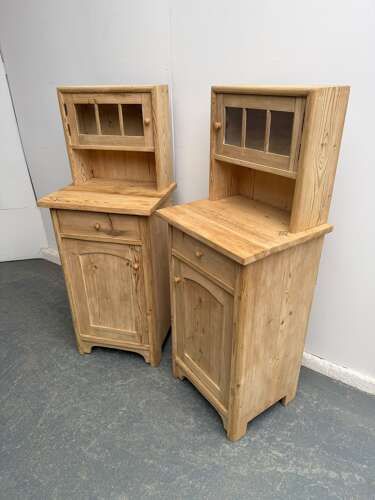
The inventory on this page consists heavily of functional domestic forms such as storage cupboards, display cabinets, bedside cabinets, dressers, and large wardrobes or armoires.
Victorian examples dominate the listings, offering versatile configurations with drawers, glazed doors, and panelled fronts suited to modern living spaces.
How they were made
Construction relies primarily on solid pine and ash timber, joined using traditional cabinet-making methods designed for durability in busy domestic settings.
Finishing typically involves a traditional wax coating that nourishes the wood grain, though many items retain the option for a paint finish.
Waxed Pine Cabinet Retail Price Guide 2026
Typical asking prices for waxed pine cabinet among the pieces listed under this phrase on Sellingantiques today, from the lower quarter to the upper quarter. They describe what is for sale here now, not the wider market.
Several large wardrobes carry the label 'knockdown', proving that flat-pack furniture engineering predates modern retail by well over a century.
What varies in quality
Quality differences often hinge on the integrity of the original timber and the presence of period details like fielded panels, arched mouldings, and matching hardware.
The scale and proportion of a piece influence its desirability, ranging from small wall-hanging corner units and bedside cabinets to massive knockdown wardrobes and multi-door dressers.
The condition of the wax finish and the survival of original glass panes distinguish well-preserved examples from those requiring extensive restoration.
The Waxed Pine Cabinet Glossary
- Waxed pine
- Timber treated with natural wax to protect the surface and enhance the grain. This finish provides a warm lustre that develops character over time.
- Knockdown
- Furniture designed to be taken apart for ease of transport and installation. This construction method was particularly common for large wardrobes.
- Fielded panel
- A wooden panel with bevelled edges that fits into a grooved frame. This technique allows the wood to expand and contract with humidity changes.
- Dresser base
- The lower section of a kitchen dresser, typically featuring a combination of cupboards and drawers. These pieces function independently as sideboards.
- Glazed cabinet
- A storage unit featuring glass-fronted doors designed to display contents while protecting them from dust.
Waxed Pine Cabinet: Frequently Asked Questions
What rooms suit a pine cabinet?
These versatile pieces integrate easily into kitchens, bedrooms, and living rooms where functional storage is required. Their honest wooden construction complements both traditional and contemporary interiors.
Smaller formats like bedside cabinets work well in intimate spaces, while larger wardrobes and dressers anchor bigger rooms.
How do I care for waxed pine?
Maintenance involves regular dusting with a soft cloth and occasional re-waxing to keep the timber nourished. Avoid placing wooden furniture near direct heat sources or moisture.
Applying a quality beeswax periodically preserves the warm lustre and protects the surface from everyday wear.
Are Victorian and Georgian pieces different?
Georgian furniture generally displays simpler, more restrained country proportions and earlier construction characteristics. Victorian pieces frequently offer more varied configurations, including glazed display sections and elaborate mouldings.
Both periods utilise solid pine and ash, but the design details reflect the changing domestic tastes of their respective eras.
What is a knockdown wardrobe?
A knockdown wardrobe is a large piece of furniture engineered to be disassembled into manageable sections for moving. This clever design helped historical pieces navigate narrow staircases and small doorways.
They reassemble securely using pegs, bolts, or wedge joints hidden within the framework.