



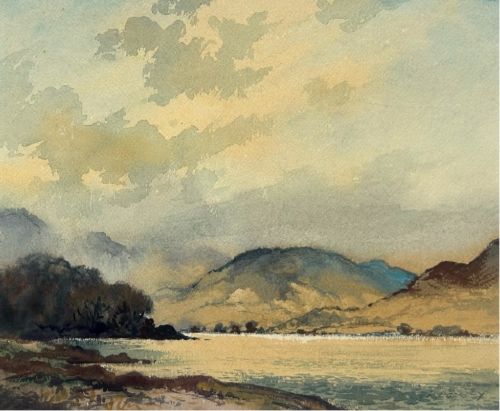
Watercolour Landscape Painting
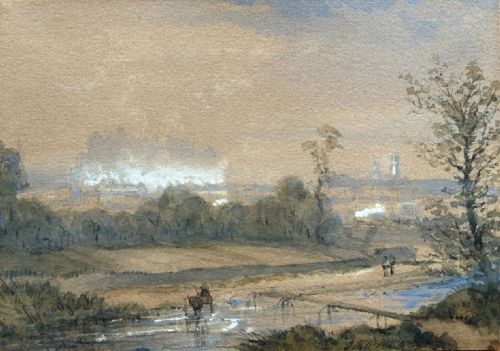
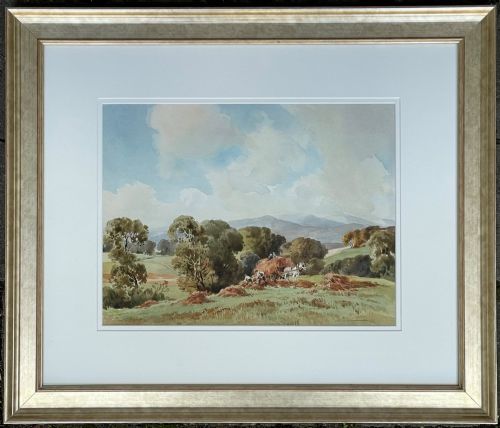
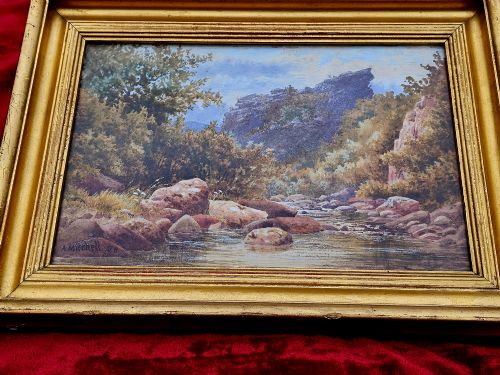
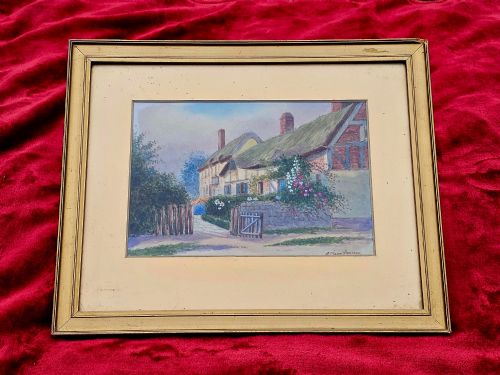
A watercolour landscape painting captures the shifting moods of British and European countryside, rivers, and coastal havens with spontaneous brushwork.
Watercolour Landscape Painting
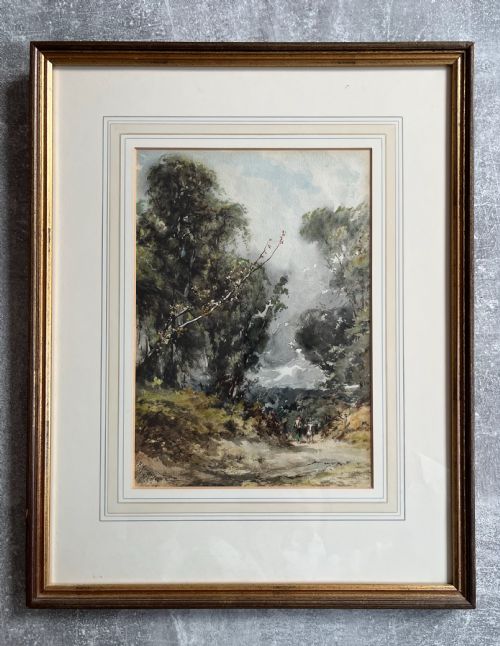
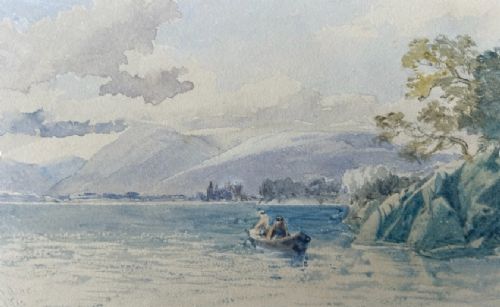
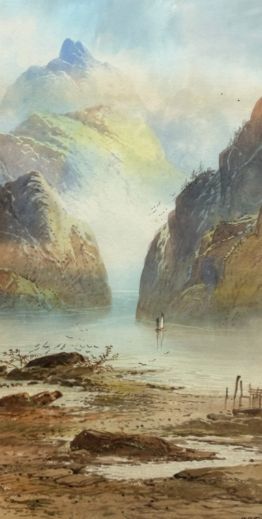
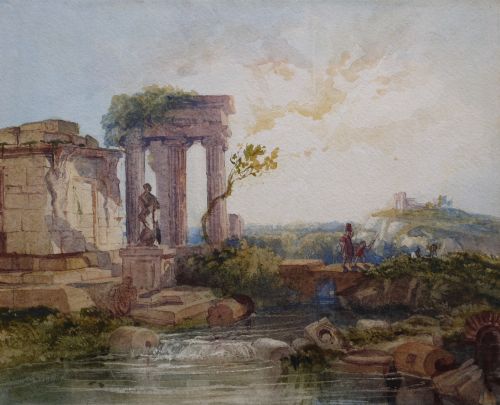
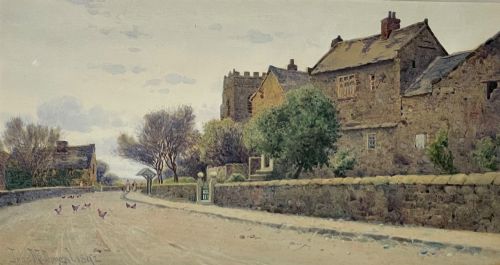
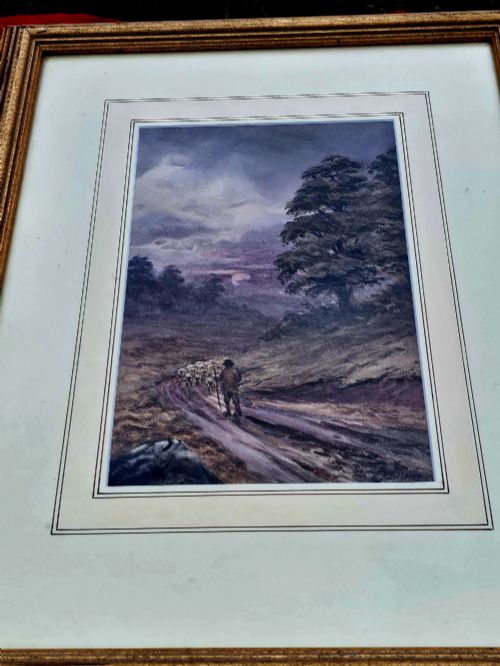
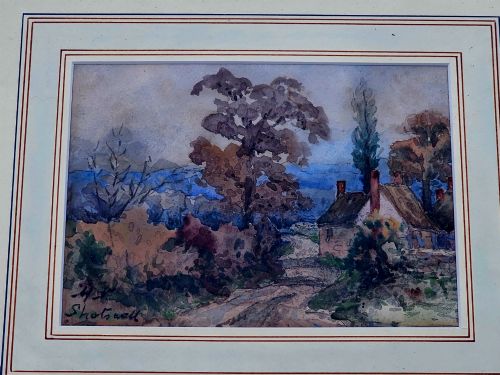
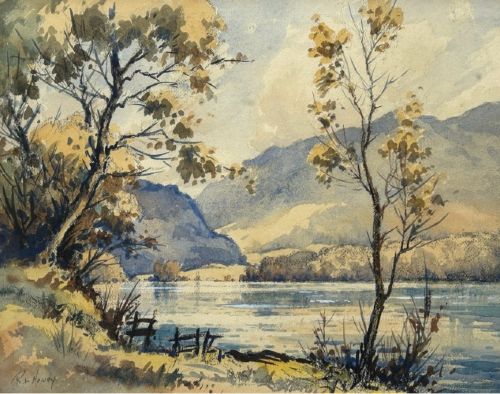
A watercolour landscape painting on this page presents framed views of rivers, mountains, and coastal scenes dating primarily from the Victorian era through the mid twentieth century. Buyers encounter atmospheric British countryside views alongside continental European scenes executed by named regional artists and Royal Academy exhibitors.
The selection ranges from detailed topographical studies of Scottish lochs and Yorkshire villages to impressionist sketches and pastoral river views. Most surviving examples utilise traditional paper grounds, preserving the delicate washes and brisk handling characteristic of nineteenth and early twentieth century plein air practice.
How They Were Made
Artists applied gum-based watercolour pigments onto heavyweight rag paper, sometimes building form through preliminary pencil underdrawings or grisaille monochrome layers. Works were frequently protected behind glass within original gilt wood or moulded frames that complement the tonal subtlety of the painted surface.
The transparency of watercolour pigment required swift, confident application rather than layering corrections, relying on the white of the exposed paper to supply highlights. Painters worked either entirely outdoors to capture transient weather or completed finished studio watercolours based on field sketches.
Watercolour Landscape Painting Retail Price Guide 2026
Typical asking prices for watercolour landscape painting among the pieces listed under this phrase on Sellingantiques today, from the lower quarter to the upper quarter. They describe what is for sale here now, not the wider market.
Artists frequently chased shifting daylight across Scottish lochs and Yorkshire moors, armed with portable paintboxes and stout boots.
What Varies in Quality
Quality rests upon the artist's command of light, tonal balance, and brush dexterity, distinguishing hurried amateur sketches from masterly academic compositions. Superior works display confident atmospheric perspective and structural integrity rather than flat washes or overworked details.
The preservation of the paper support and the vibrancy of the original pigments also dictate worth. Stronger examples retain their original framing context and clear signatures, whereas prolonged exposure to direct sunlight can fade fugitive pigments and diminish the intended contrast.
George Fotherly Hargitt·Thomas Miles Richardson Jnr·James Orrock·William Henry Earp·Richard Principal Leitch·John R Prentice·Thomas Ellison·Alfred Young Nutt·Percy Lancaster·A Mitchell·A Marie Parsons·John McDougal·EJ Letheren·Robert Leslie Howey·James E Aitken·John E Aitken·William Banks Fortescue·Robert A Nottingham·William Joseph Boyes·Muriel Metcalfe·Thomas William Morley·Robert Thorne Waite·John Smith Atherton·Th Thibault·Hector Caffieri
The Watercolour Landscape Painting Glossary
- Grisaille
- A monochrome painting executed entirely in shades of grey, frequently utilised in early works as an underpainting or finished study.
- Plein air
- The practice of painting outdoors to capture direct observations of natural light, weather, and topography.
- Wash
- A thin, fluid layer of watercolour pigment spread evenly across the paper to create skies, water, or atmospheric depth.
- Provenance
- The documented history of ownership associated with an artwork, confirming its attribution and past exhibition record.
- Gilt wood
- Timber frames finished with a thin layer of gold leaf or metallic gilt, standard for framing fine watercolours.
Watercolour Landscape Painting: Frequently Asked Questions
How do I identify Victorian watercolours?
Victorian watercolours often feature detailed topographical scenes, pastoral landscapes, or coastal harbours finished with fine brushwork and heightened with gum arabic. Paper watermarks, artist signatures, and period gilt frames help confirm the era of production.
Examining the reverse of the paper frequently reveals artist inscriptions, gallery labels, or old exhibition dates that place the work securely in the nineteenth century.
What is the difference between gouache and watercolour?
Watercolour relies on transparent pigments where the white of the paper shines through to create luminosity and light. Gouache incorporates an opaque white additive that makes the paint solid and chalky, allowing for bright highlights.
Many nineteenth century artists combined both mediums within a single landscape, using transparent washes for skies and opaque gouache for foreground details.
Are these paintings original works?
Every piece featured in these listings is a unique, hand-painted original work executed directly onto paper by the named artist. They are individual studio or plein air creations rather than mechanical prints or reproductions.
Signatures, artist ciphers, and distinct brush textures confirm the hand-painted nature of each individual sheet.