
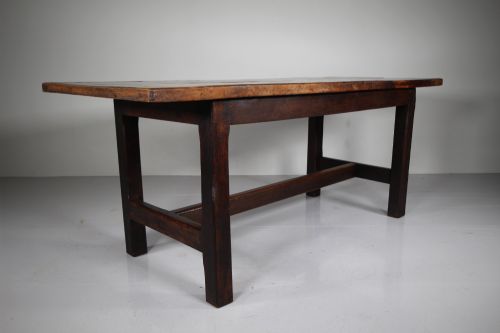
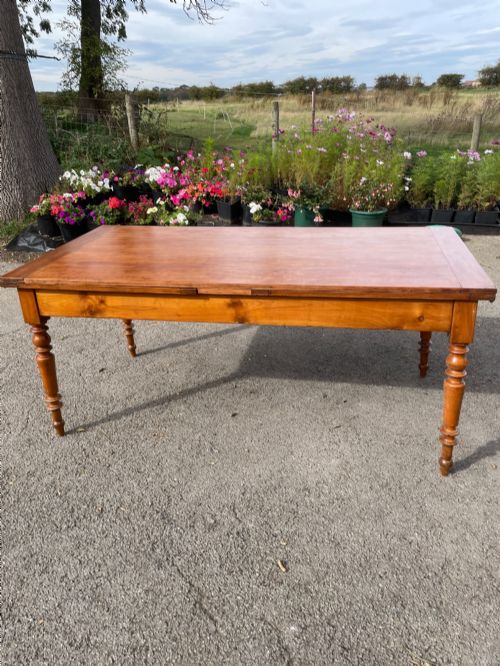
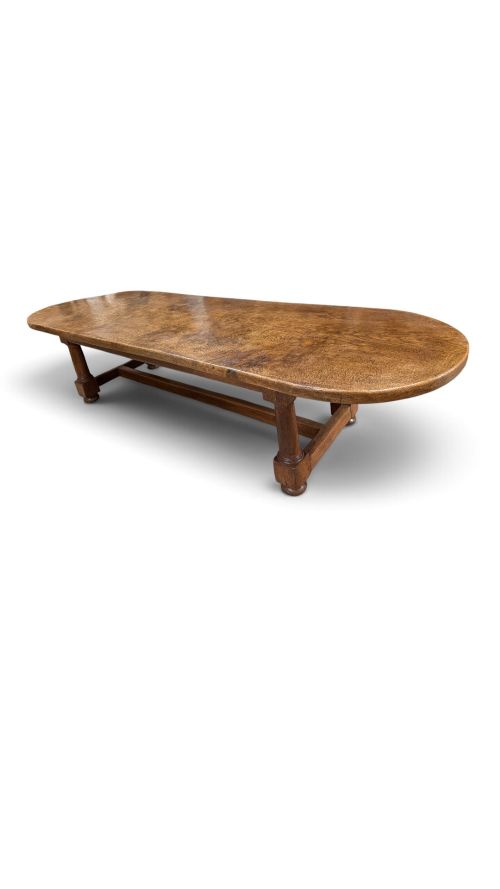
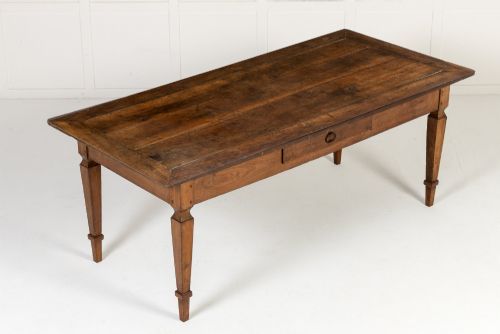

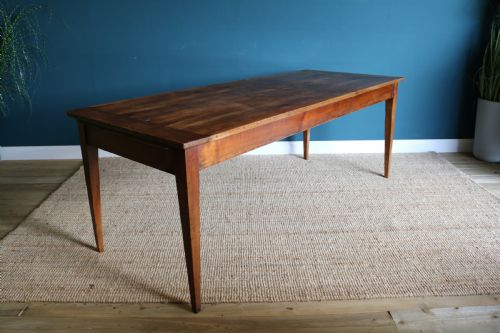
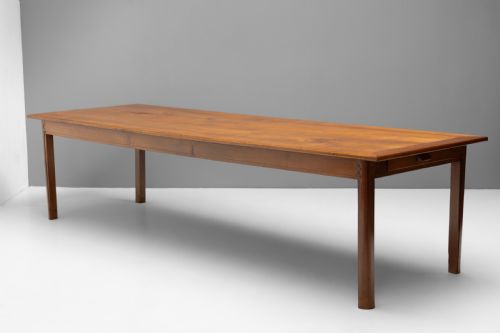


Warm Wood Dining Table
A warm wood dining table anchors the room through rich grain and centuries of timber tradition.

Warm Wood Dining Table
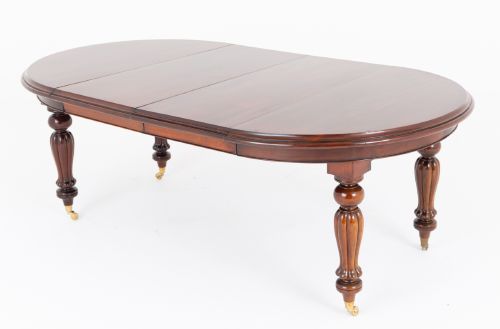
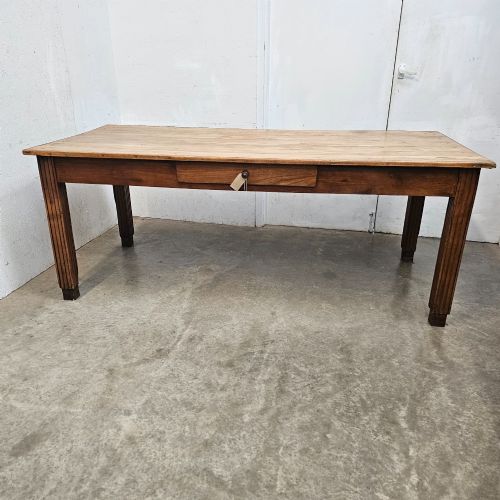
A warm wood dining table encompasses large kitchen refectory tables, gate leg designs, and extending formats built for daily family use. These pieces emerge from the eighteenth and nineteenth centuries, carrying the marks of prolonged domestic history.
Makers and workshops across Britain and France produced these dining pieces using regional timbers that aged into deep, honeyed tones. The resulting surfaces display decades of polish and wear that modern reproductions cannot replicate.
Distinctions in quality and finish
The distinction between ordinary utility tables and exceptional dining pieces lies in the choice of timber and the integrity of the original construction. Superior examples utilise single-plank tops or beautifully matched fruitwood boards that have retained their structural rigidity over centuries.
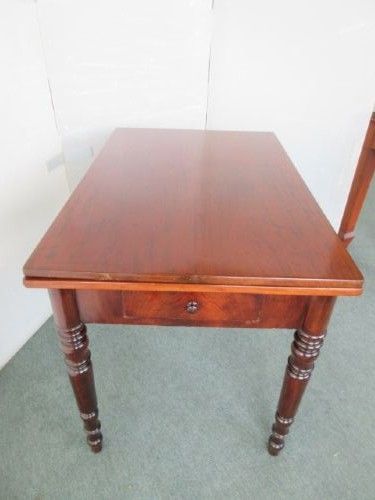
Proportion and refined details elevate certain pieces, such as finely turned legs, integrated drawers with original brass hardware, and subtle parquetry. Tables that preserve their uncompromised patination without excessive restoration command greater appreciation from collectors.
Several eighteenth-century tables still hide bread slides and secret drawers once used to stash flour scoops and baking tools.
Whytock & Reid of Edinburgh·George Bullock
The Warm Wood Dining Table Glossary
- Refectory table
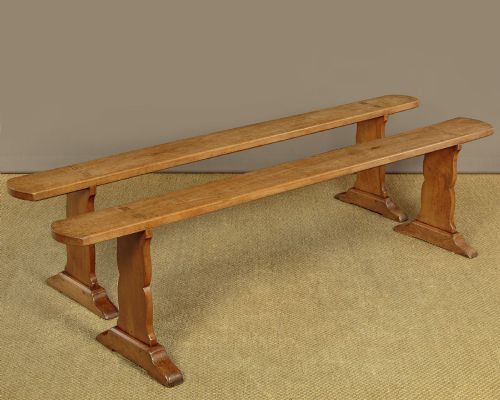
- A long, narrow dining table originally designed for communal dining in monasteries or large country houses. These heavy timber tables typically feature robust legs joined by stretcher rails for added stability.
- Draw leaf table
- A dining table equipped with sliding leaves stored beneath the main surface that pull out to extend the length. This mechanism allows the table to expand without requiring separate loose leaves.
- Bread slide
- A pull-out wooden board integrated beneath the main tabletop, historically used for cooling bread or serving food. It adds functional surface area and signals traditional craftsmanship.
- Tilt top table
- A round or oval table featuring a mechanism that allows the top to pivot to a vertical position when not in use. This clever design enabled tables to be stored flat against a wall to save space in smaller rooms.
- Parquetry
- A geometric mosaic of wood pieces used for decorative effect on tabletops. This technique showcases contrasting tones of fruitwood and timber grain.
Warm Wood Dining Table: Frequently Asked Questions
What defines a farmhouse dining table?
A farmhouse dining table is a utilitarian wooden table traditionally used in domestic kitchens or rural homes for daily food preparation and family meals. These tables prioritize robust timber construction, often displaying heavy legs and generous proportions.
Over decades of use, the wood develops a distinctive warm patina shaped by daily scrubbing and gathering. They remain popular for adding grounded character to contemporary dining spaces.
How do extending tables work?
Period extending tables utilise mechanical ingenuity such as draw leaves tucked beneath the main surface or double extending rails that pull apart. These systems allow the table length to increase smoothly when hosting guests.
Such mechanisms reflect the practical demands of nineteenth-century households that required flexible furniture for changing social occasions.
Where should I place a tilt top table?
A tilt top table works well as a centre table in an entrance hall or as an occasional surface in a living room where floor space varies. Because the top pivots vertically, the piece can stand flat against a wall when not in active use.
This historic space-saving feature allows you to appreciate the decorative wood grain even when the table is stored.
How do I care for antique wood furniture?
Care for antique wood involves protecting the surface from direct sunlight and maintaining consistent indoor humidity to prevent timber splitting. Regular dusting with a soft cloth preserves the natural polish without building up heavy chemical residues.
Applying occasional appropriate wax nourishes the grain and maintains the historical patination developed over centuries of use.