

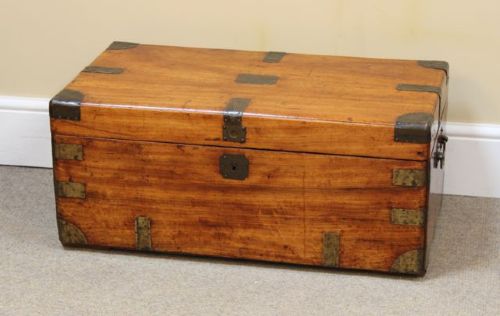
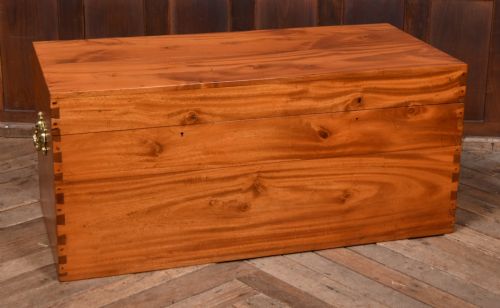
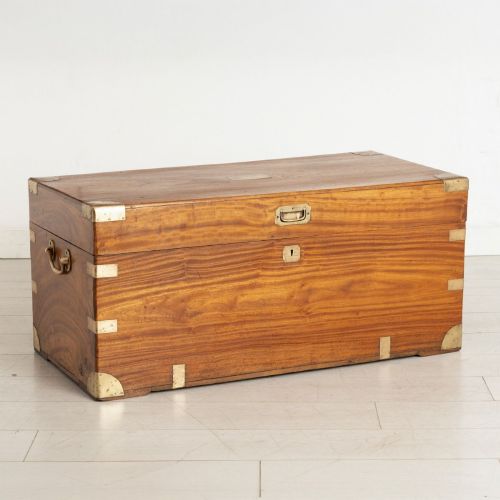
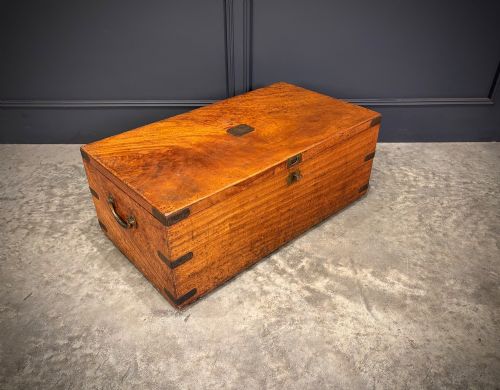
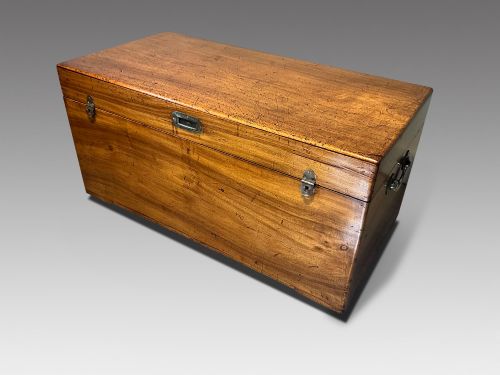


Warm Wood Campaign Chest
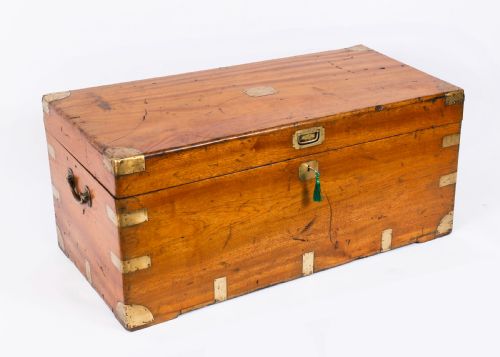
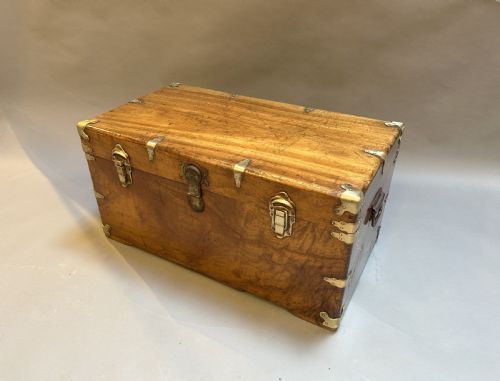
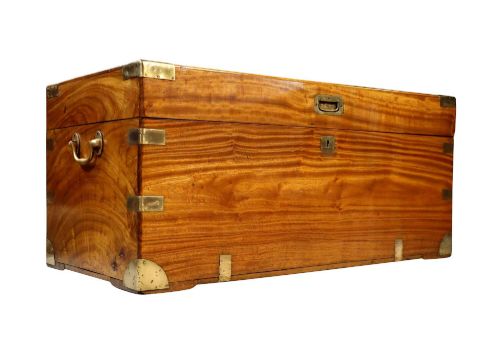
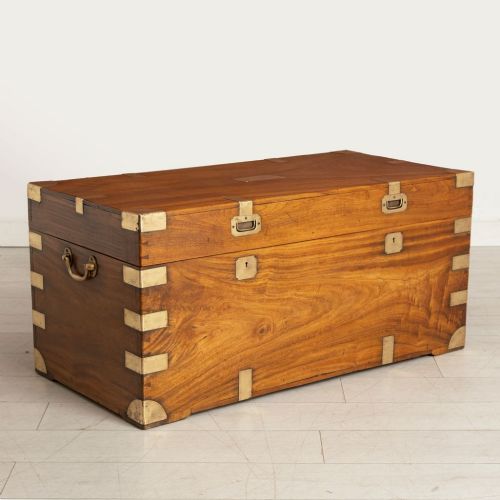
A warm wood campaign chest is a portable, brass-bound piece built for travel, offering rich timber tones and robust construction.
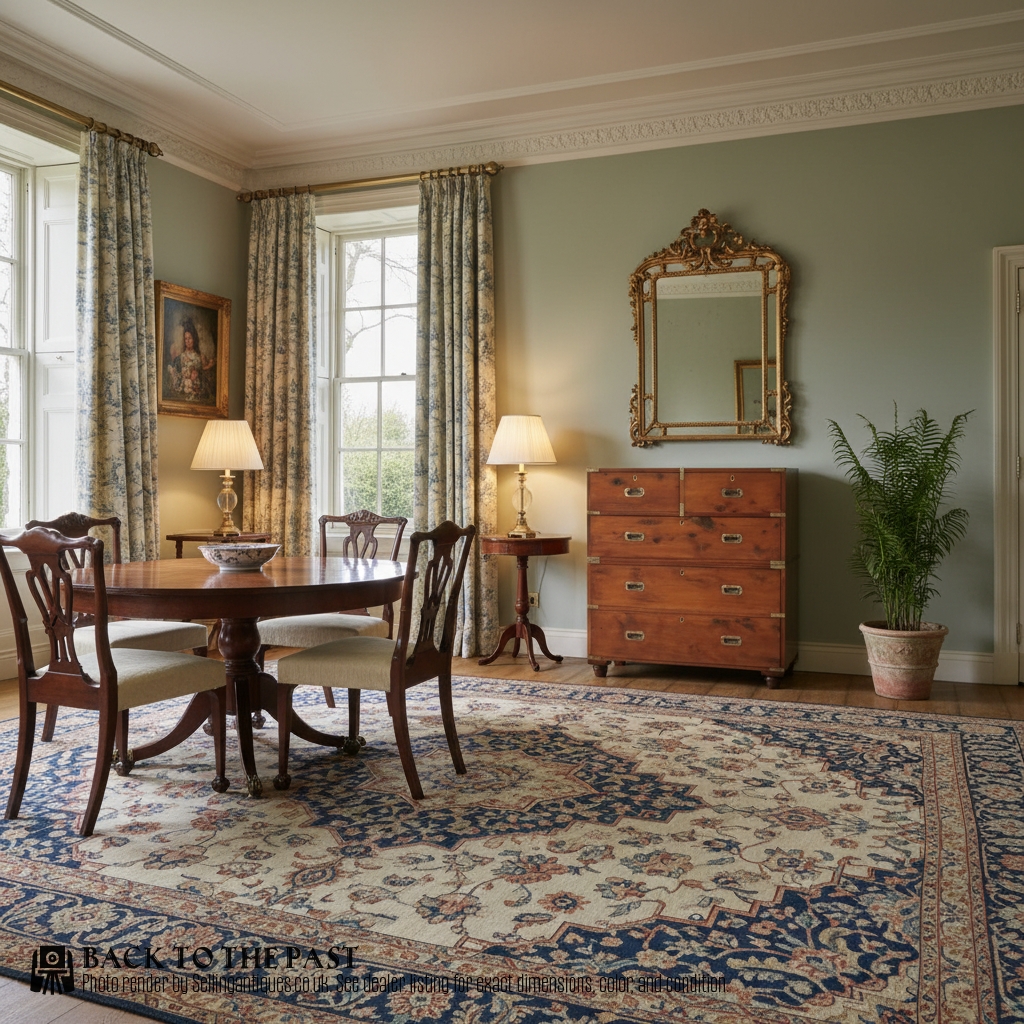
Warm Wood Campaign Chest
When you search for a warm wood campaign chest, you encounter sturdy portable storage designed for officers on the move during the nineteenth century. These pieces encompass chests of drawers, secretaire chests with fitted interiors, trunks, and writing slopes.
The version you are most likely to meet on this page is a nineteenth-century camphor wood trunk or chest of drawers. Dating predominantly from the Victorian era and periods such as eighteen-eighty or eighteen-sixty, these items display the classic division into sections for easier transport.
Makers utilised resilient timbers suited to distant postings, predominantly camphor wood, alongside teak, cedar, and hardwood. These selections ensure the wood retains its character while enduring the rigours of military deployments across the British Empire.
How they were made
Construction relied heavily on solid camphor wood, teak, and cedar, chosen for stability and resistance to insects. Joinery had to withstand extreme climates without warping or splitting during transit.
Brass fittings, including corner braces, binding strips, and recessed carrying handles, protected the edges from impact. These metal components were screwed flush into the timber so nothing caught during loading.
Camphor trunks still retain their distinct, medicinal aroma after more than a century.
What varies in quality
The distinction between ordinary utility pieces and finer examples rests on the grain of the timber and the integrity of the brass hardware. Superior items display carefully selected solid camphor wood with prominent figuring and complete, original fittings.
Complexity of internal arrangement also separates the tiers, with standard blanket boxes sitting below fitted secretaire chests and metamorphic writing slopes. Retaining the original hardware and sound structural divisions marks out the better specimens.
The Warm Wood Campaign Chest Glossary
- Secretaire chest
- A chest of drawers incorporating a pull-out desk drawer with pigeonholes and small drawers inside. This allowed officers to write dispatches in the field.
- Camphor wood
- An aromatic timber native to Asia, frequently used for campaign furniture because its natural scent repelled insects. It provides the reddish-brown warmth characteristic of these trunks.
- Brass binding
- Flat strips of brass screwed around the edges and corners of trunks to reinforce them against heavy handling. It is a defining visual marker of military pieces.
- Regency
- A period of British design spanning the early nineteenth century, known for clean lines and classical restraint. Pieces from this era often show refined proportions.
Warm Wood Campaign Chest: Frequently Asked Questions
What is a campaign chest?
A campaign chest is a portable set of drawers or a trunk made in two or more stackable sections. These units were constructed for military officers who needed to pack their belongings quickly during relocations.
The design prioritises durability and ease of transport, incorporating flush brass handles and protective corner brackets to prevent damage on rough journeys.
Why use camphor wood?
Camphor wood was chosen for its natural insect-repellent properties, which protected uniforms and documents stored inside during tropical postings. Its distinct aroma kept pests away from contents in damp climates.
Beyond utility, the timber ages to a rich reddish-brown colour with an attractive grain, making it a popular choice for furniture that survived the return to domestic British settings.
How do I date a chest?
Dating relies on construction methods, timber choice, and the style of the brass hardware. Nineteenth-century examples often feature Dovetail joints, hand-turned feet, and specific recessed brass pull designs.
Victorian and Georgian pieces show different levels of refinement in the internal drawers and the thickness of the brass strapping used to reinforce the corners.
Were these made for military use?
Many trunks and chests originated for British military officers stationed abroad, while others served the wider needs of colonial administrators and merchants. The robust two-section form allowed servants to load them onto pack animals or ships.
Over time, the style transitioned from strictly functional barracks equipment into fashionable household furniture valued for its practical storage capacity.
How do I maintain camphor wood?
Maintenance involves keeping the timber away from direct heat sources and excessive moisture to prevent the wood from drying out or splitting. A light application of appropriate wax preserves the sheen of the grain.
Regular dusting with a soft cloth keeps the surface clean without altering the natural patina developed over the course of the nineteenth century.