





Warm Walnut Dressing Table
A warm walnut dressing table brings rich timber grain and classic Georgian or Art Deco form directly into a bedroom.
Warm Walnut Dressing Table
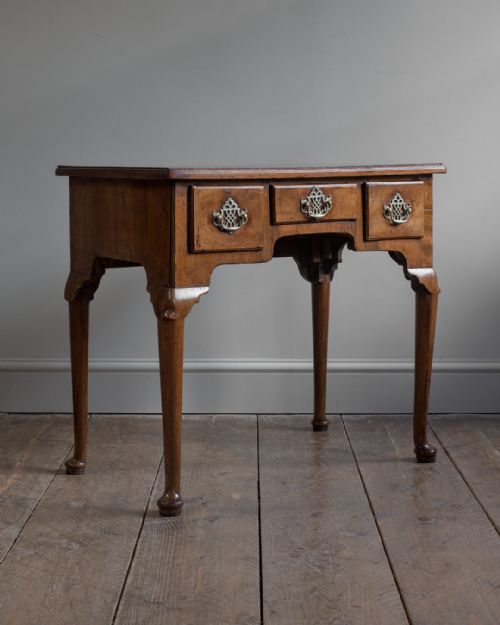
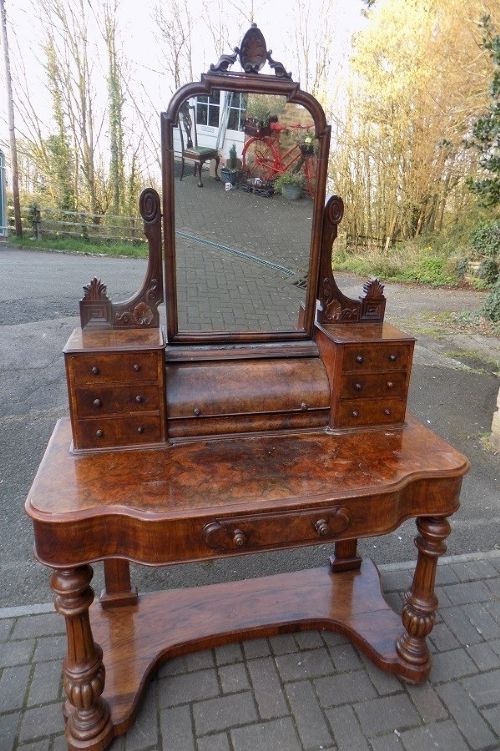
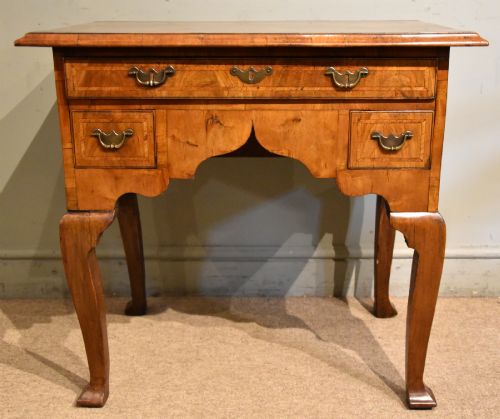
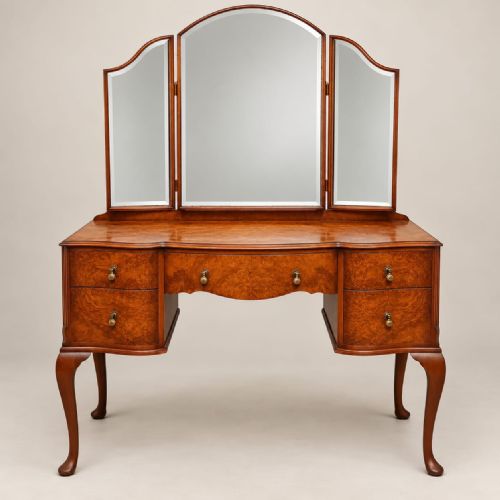
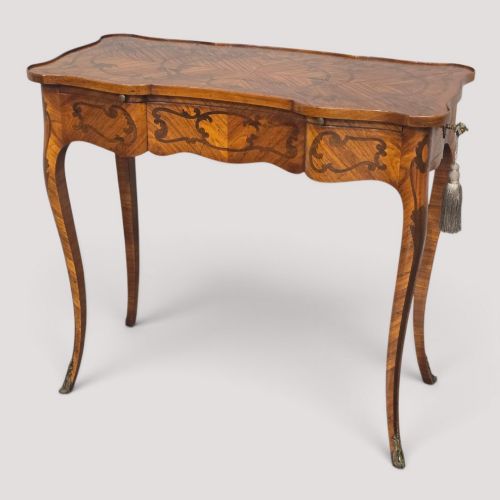
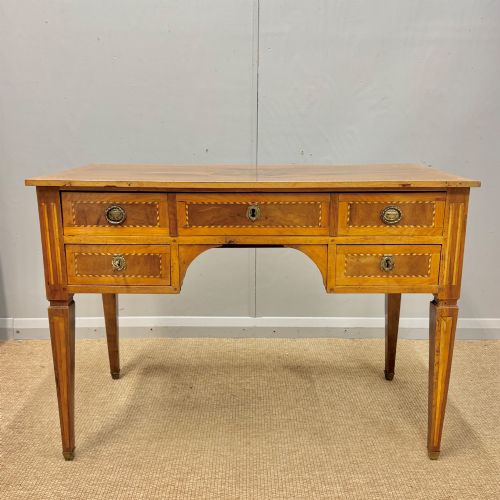
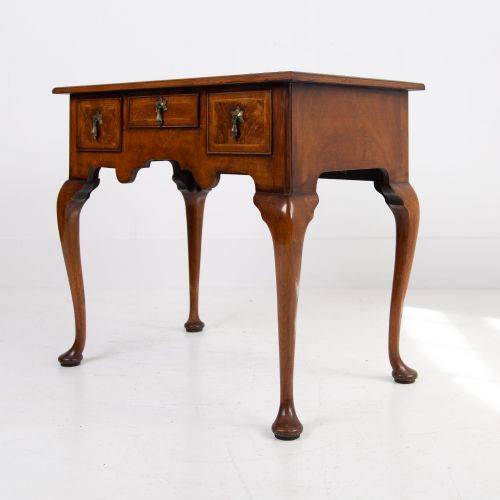
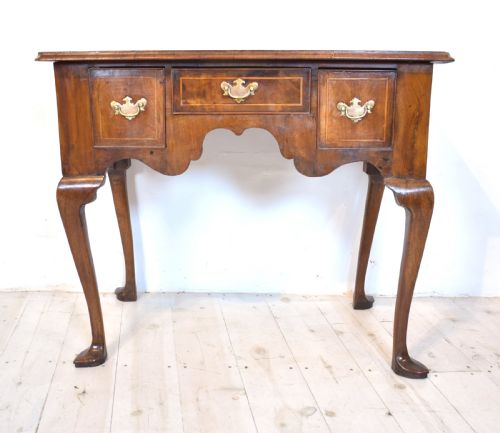
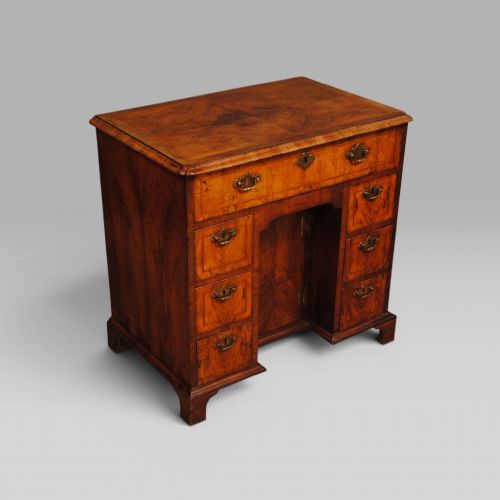
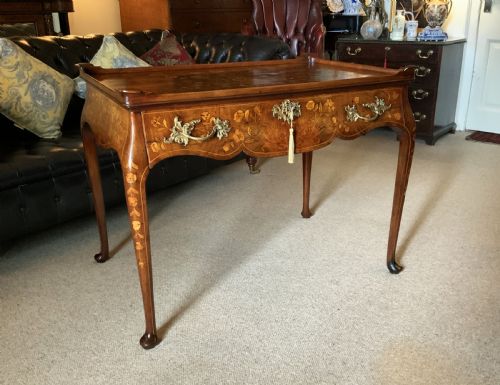
A warm walnut dressing table encompasses everything from 18th Century lowboys and George II kneehole desks to 1930s Art Deco pedestal vanities and Victorian Duchess tables. When searching for a warm walnut dressing table, buyers encounter diverse forms ranging from compact side tables and writing desks to elaborate dressing mirrors.
The pieces on offer span multiple centuries, uniting periods such as Queen Anne, Georgian, Victorian, and the early twentieth century. Walnut and burr walnut dominate these listings, often paired with fruitwood, oak, and brass hardware to complete the traditional or continental aesthetic.
Factors That Determine Quality
The refinement of the timber grain and the complexity of the surface decoration distinguish the finer examples from standard pieces. Richly figured burr walnut veneers and crisp feather banding demonstrate superior cabinetmaking skill.
The integrity of the original hardware, including brass pulls and mirrors, influences the overall character of the piece. Proportion and the elegance of structural elements like cabriole legs or bracket feet separate standard regional items from high-status furniture.
Warm Walnut Dressing Table Retail Price Guide 2026
Typical asking prices for warm walnut dressing table among the pieces listed under this phrase on Sellingantiques today, from the lower quarter to the upper quarter. They describe what is for sale here now, not the wider market.
Several lowboys managed to survive centuries of changing interior fashions without losing their original brass handles.
The Warm Walnut Dressing Table Glossary
- Lowboy
- A small table with drawers, commonly used as a dressing table or side table in the 18th Century. These pieces typically feature cabriole legs and multiple small drawers.
- Kneehole desk
- A desk or dressing table featuring a central recess for the knees, flanked by pedestals of small drawers. They often incorporate a concealed secretaire drawer or fitted compartments.
- Feather banding
- A decorative inlay technique using veneer strips arranged in a herringbone pattern around the edges of drawer fronts or tabletops. This detail creates a distinctive border effect.
- Burr walnut
- Timber harvested from walnut tree growths, producing highly figured, swirling grain patterns. Cabinetmakers prize this material for decorative veneering.
- Cabriole leg
- A furniture leg that curves out in a convex arc and tapers inward in a concave arc, ending in a pad or foot. This form appears frequently on Georgian and Queen Anne pieces.
Warm Walnut Dressing Table: Frequently Asked Questions
What is a lowboy?
A lowboy is a small, low table equipped with drawers, frequently utilised as a dressing table or side table during the 18th Century.
These compact items typically stand on cabriole legs and provide convenient surface space alongside functional drawer storage.
Are mirrors original?
Mirrors on antique dressing tables and vanity pieces require careful inspection of the glass plate, silvering, and the surrounding wooden frame.
Original mirror glass often exhibits light ageing or foxing, while replacement plates generally appear clearer and fit differently within the rebate.
Where were these pieces made?
The furniture originates from British workshops as well as continental European centres, including French and Dutch makers.
Regional styles range from English Georgian walnut designs to French provincial marquetry and continental Art Deco vanity units.