



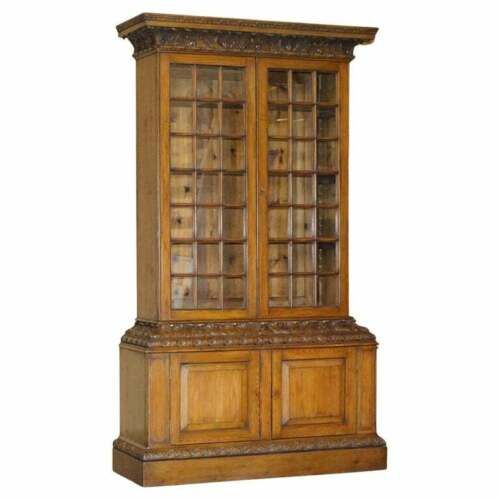


Warm Oak Glazed Cabinet
A warm oak glazed cabinet brings together visible storage and timber grain, offering a practical way to house books and display objects.
Warm Oak Glazed Cabinet
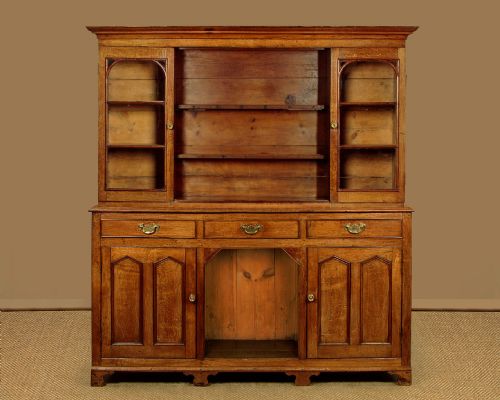
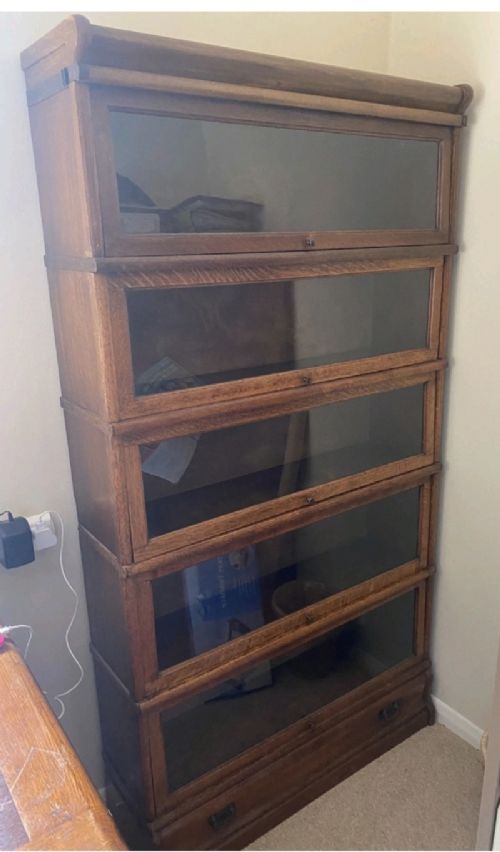
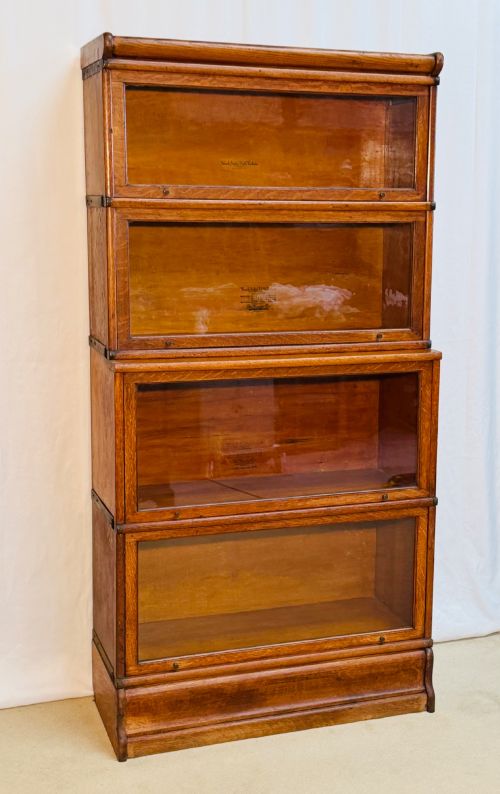
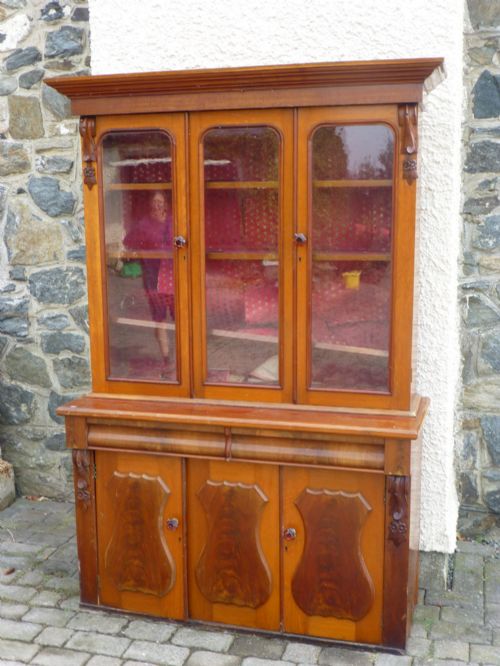
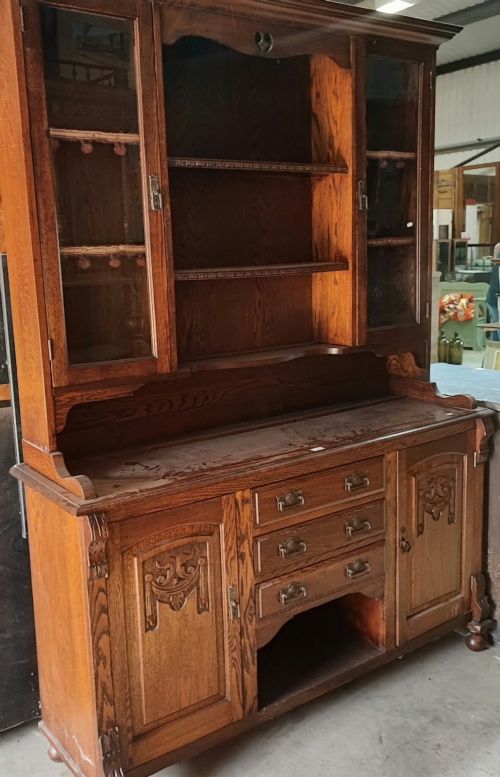
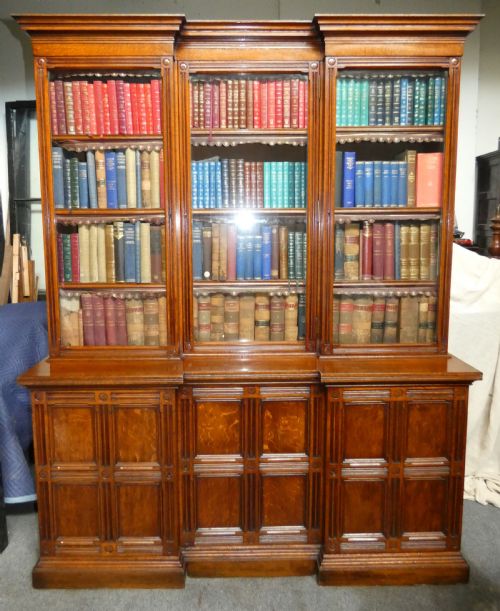
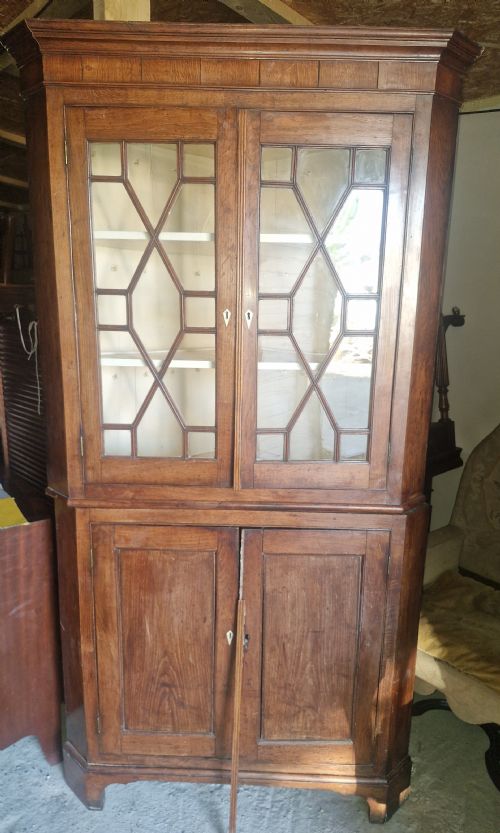
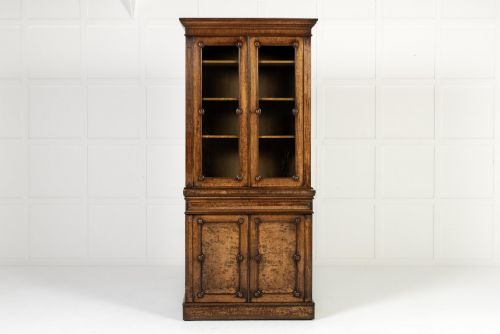
A warm oak glazed cabinet is primarily found in forms such as bookcases, display cabinets, corner cupboards, and dressers. Buyers searching for a warm oak glazed cabinet encounter pieces that span the nineteenth and twentieth centuries, including Victorian, Edwardian, and Regency examples.
Many variants combine glazed upper doors for display with lower wooden cupboards or drawers for concealed storage. The overriding character comes from the natural figure of the timber beneath glass panels designed to protect the contents.
Materials and construction
The primary material across the selection is oak, frequently supported by secondary timbers like mahogany or highlighted with pollard oak veneers. Glazing provides the transparent front panels, while brass hardware such as hinges and handles completes the assembly.
Construction techniques involve traditional joinery to build sturdy frames for large bookcases and corner cupboards. Carved details and turned elements, including barley twist supports, appear on specific Victorian and later pieces.
Warm Oak Glazed Cabinet Retail Price Guide 2026
Typical asking prices for warm oak glazed cabinet among the pieces listed under this phrase on Sellingantiques today, from the lower quarter to the upper quarter. They describe what is for sale here now, not the wider market.
Listings span multiple eras including the Victorian period, Regency, Edwardian, and the nineteen-thirties.
Evaluating quality and proportion
Quality in these cabinets rests upon the selection of the timber, particularly where figured oak or pollard oak veneer is utilised to create visual depth across larger surfaces. The integration of glazed doors with the main wooden structure demands precise joinery to maintain clean lines.
Proportion and scale dictate the visual presence of each piece, distinguishing modest country workshops from ambitious urban cabinet makers. The crispness of carved ornamentation and the appropriateness of period brassware contribute further to the distinction between standard items and exceptional examples.
The Warm Oak Glazed Cabinet Glossary
- Pollard oak
- Timber taken from trees that have been pollarded, producing a dense, highly figured grain pattern. It is often used for decorative veneer on cabinet fronts.
- Cwpwrdd Gwydr
- A traditional Welsh term for a glazed cabinet or dresser. These vernacular pieces frequently feature local timber construction.
- Corner cupboard
- A cabinet specifically designed to fit into the corner of a room, maximising space efficiency. They appear in single or two-part configurations.
- Barley twist
- A type of turned wooden column resembling the spiral shape of barley sugar. This decorative detail is common on seventeenth-century revival and nineteenth-century furniture.
- Vernacular furniture
- Domestic pieces made by regional craftsmen using local traditions rather than mengikuti metropolitan styles. Welsh dressers are a notable example within this tradition.
Warm Oak Glazed Cabinet: Frequently Asked Questions
What is a Cwpwrdd Gwydr?
A Cwpwrdd Gwydr is a traditional Welsh term for a glazed cupboard or dresser.
These regional pieces often incorporate local oak and serve both display and storage functions in domestic settings.
How do I date an oak cabinet?
Dating relies on observing construction methods, timber selection, and stylistic details such as carved ornamentation or hardware.
Items span periods from the Regency era through the Victorian period and into the nineteen-thirties.
Are glazed oak cabinets suitable for small rooms?
Certain forms, particularly corner cabinets and counter-top variants, are specifically designed to fit compact spaces without dominating a room.
Tall bookcases and large dressers require more substantial floor and wall area to sit comfortably.
What is the difference between a dresser and a bookcase?
A bookcase is built primarily for holding books, typically featuring adjustable shelving behind glass doors.
Dressers and hutches often combine open or glazed upper sections with lower cupboards or drawers suited for kitchen or dining storage.