
Warm Elm Seat
A warm elm seat brings honest country character into a room, offering robust construction and deep timber patination through generations of daily use.
Warm Elm Seat
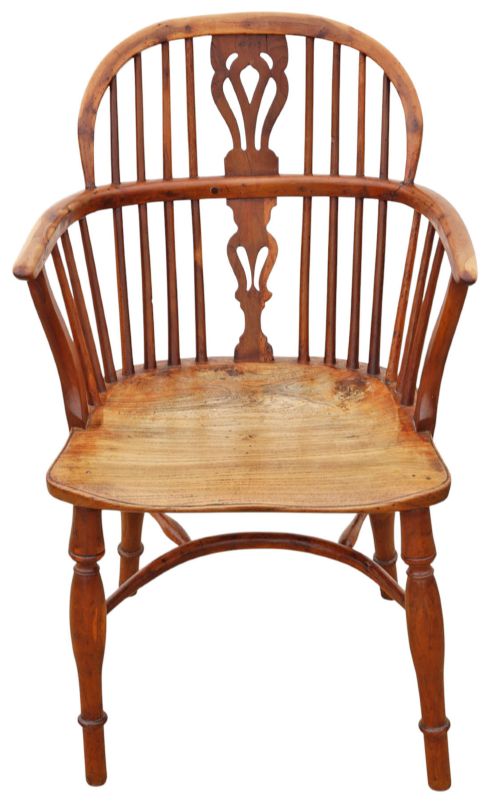
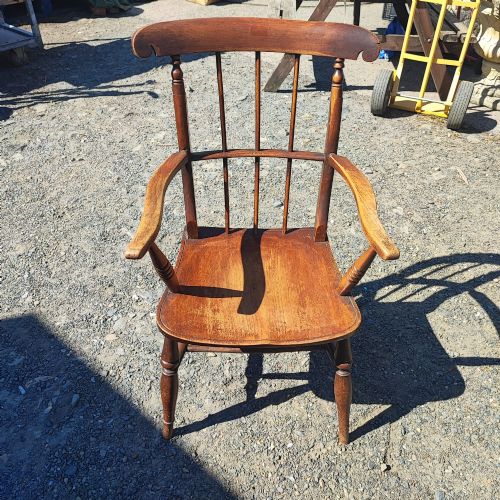
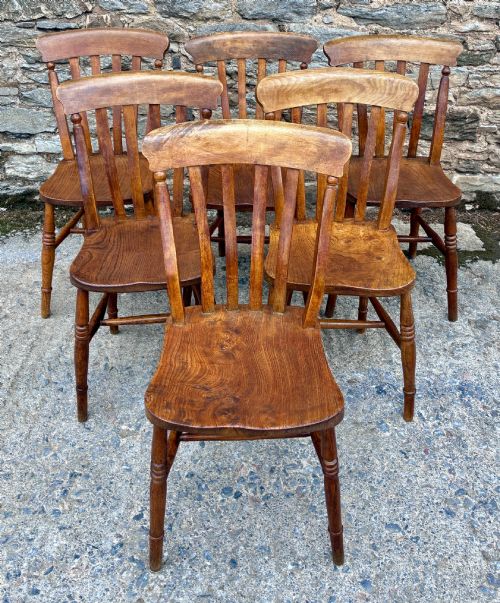
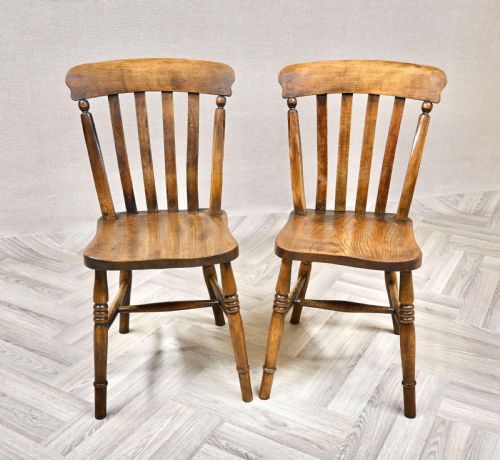
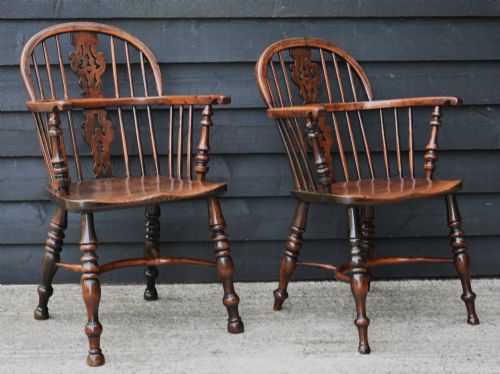
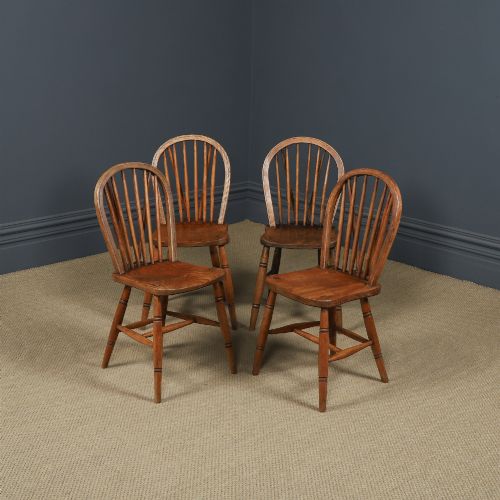
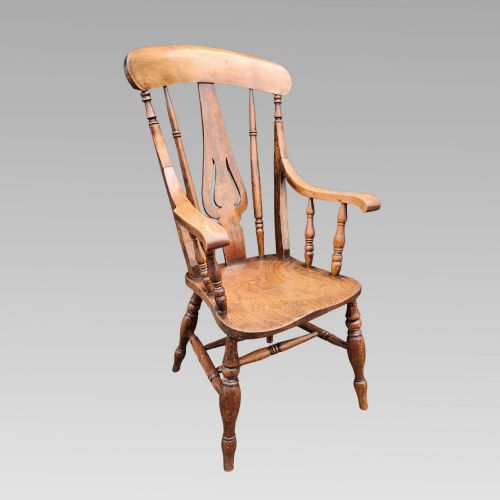
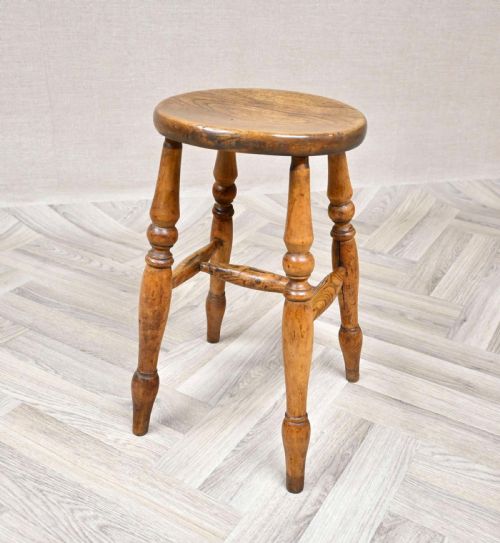
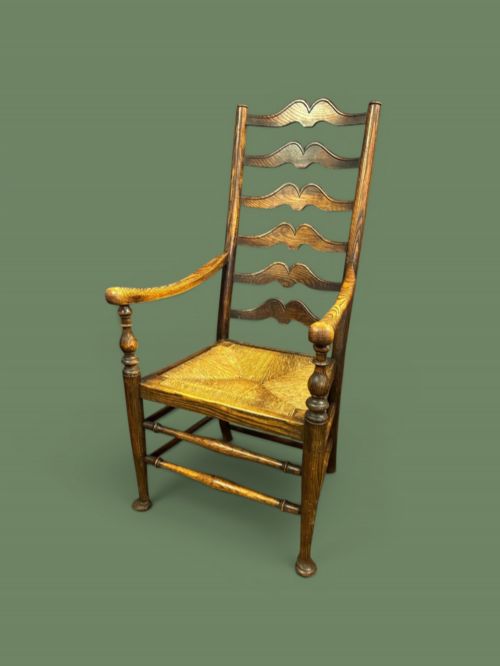
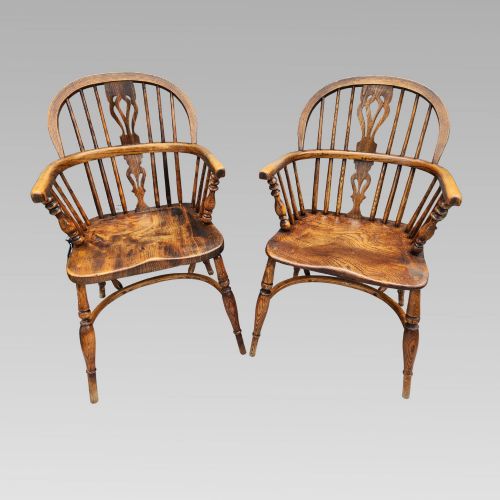
Every warm elm seat on this page draws on English country traditions, spanning the eighteenth, nineteenth and mid-twentieth centuries. These pieces encompass sturdy Windsor armchairs, matched dining sets, low stools and slim hallway benches.
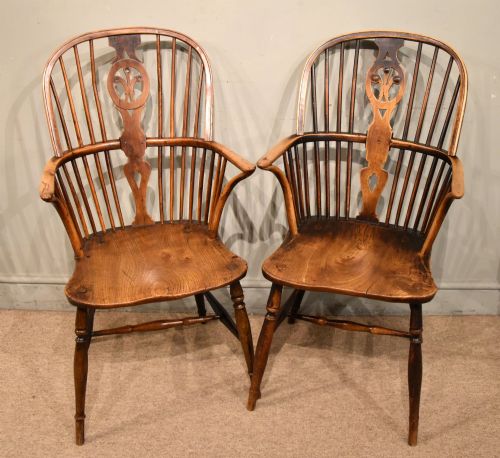
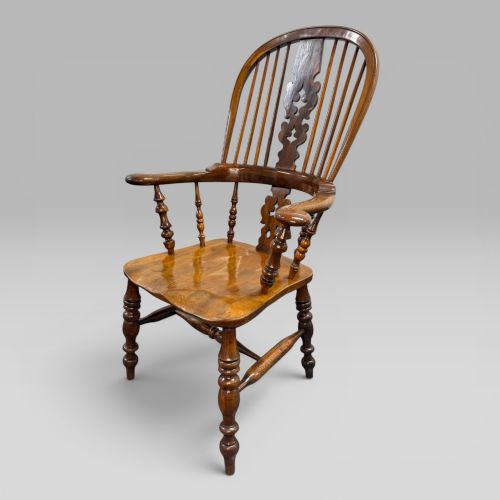
The version most commonly met here is the traditional Windsor chair, combining a solid sculpted wooden base with various spindle, hoop, comb or lathe backs. Makers across English regions built these chairs for farmhouse kitchens, reception halls and firesides.
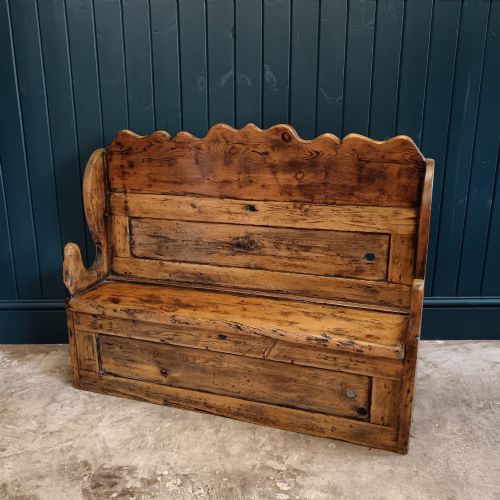
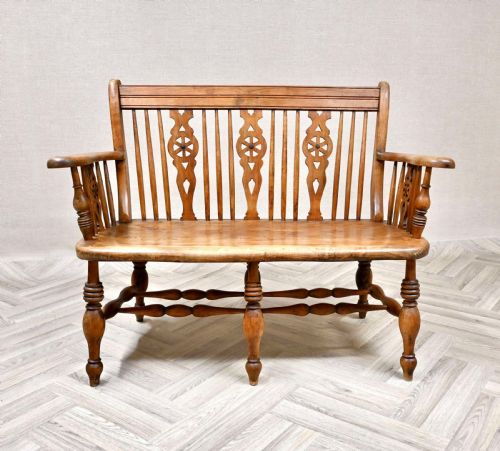
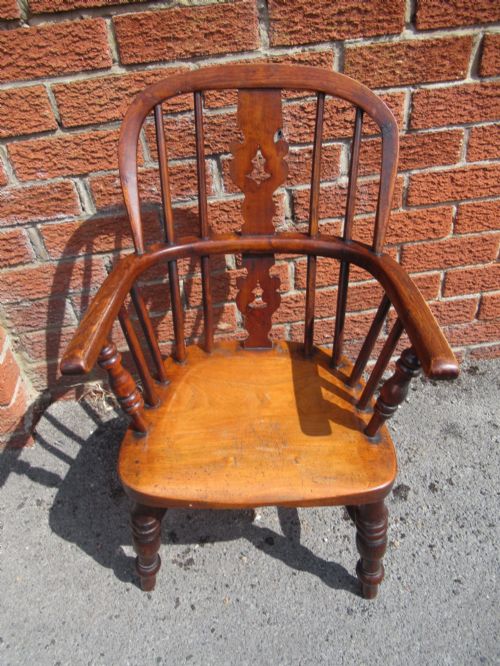
Beyond armchairs and side chairs, the selection includes children's chairs and long benches fashioned from domestic timbers. Each form prioritises functional utility alongside the distinct grain patterns inherent in the wood.
Materials and Construction
Elm provides the primary material for the substantial, sculpted saddle seats, chosen for its interlocking grain that resists splitting under pressure. Craftsmen paired this durable timber with contrasting woods such as yew, ash, beech, fruitwood and pine for the bending elements and turned spindles.
Traditional bodgers and country joiners utilised steam-bending techniques to form the continuous hoops and bows of the chair backs. Components were secured using wedge-tenon joints, where the legs and spindles pass entirely through the seat slab and lock firmly into place.
Listings feature periods spanning from the Georgian era through Victorian times to mid-century utility, constructed in elm, ash, yew, beech and fruitwood.
Assessing Quality and Character
Quality rests on the depth of the timber's figuring and the organic integration of the mixed woods used within a single frame. Superior examples display a rich, unforced surface sheen developed through decades of polishing.
Structural harmony dictates the merit of each piece, evident in the balanced taper of turned legs and the ergonomic shaping of the solid seat. Pieces that retain their original component parts without excessive timber replacement hold greater integrity.
The Warm Elm Seat Glossary
- Windsor chair
- A chair built with a solid wooden saddle seat into which the back legs and spindle sticks are directly inserted. These sturdy seats formed the mainstay of English country domestic furniture.
- Carver
- An armchair designed with elbow supports, frequently used at the head of a dining table or as a fireside seat. They match side chair designs in a larger scale.
- Comb back
- A chair back style featuring a low, horizontal top rail supported by vertical spindles, resembling the teeth of a dressing comb. This form emerged during the eighteenth century.
- Smokers bow
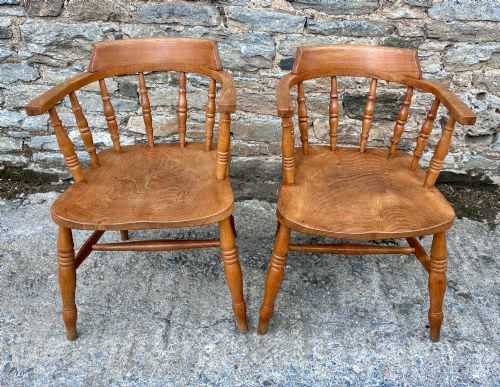
- A low-backed Windsor armchair with a continuous curved armrail, historically found in inns, offices and rural homes. They offer a compact footprint combined with robust elbow support.
- Bodger
- A specialist woodland woodturner who produced chair legs and spindles on pole lathes near the timber source. These turned components were supplied directly to chairmakers for final assembly.
Warm Elm Seat: Frequently Asked Questions
What is a warm elm seat?
A warm elm seat refers to traditional wooden furniture built with a solid elm saddle base, prized for its tactile grain and natural timber warmth.
These pieces include country Windsor armchairs, kitchen dining sets, benches and stools originating from the eighteenth to the twentieth centuries.
How were country Windsor chairs used?
Country Windsor chairs served multiple domestic functions around the farmhouse, acting as sturdy seating for kitchens, firesides and writing desks.
Smaller variants provided dedicated seating for children, while long benches accommodated multiple occupants in hallways and reception rooms.
How do I care for antique elm furniture?
Keep elm furniture away from direct heat sources and sudden temperature shifts to prevent the timber from drying out or splitting.
Apply traditional beeswax occasionally and buff gently with a soft cloth to maintain the natural lustre of the surface.
How do I date a country chair?
Dating relies on observing construction methods, tool marks beneath the seat, and the evolution of back styles from heavy Georgian hoops to Victorian spindle variations.
Timber combinations, such as yew and ash used alongside elm, also offer clues to the regional workshop and period of origin.