
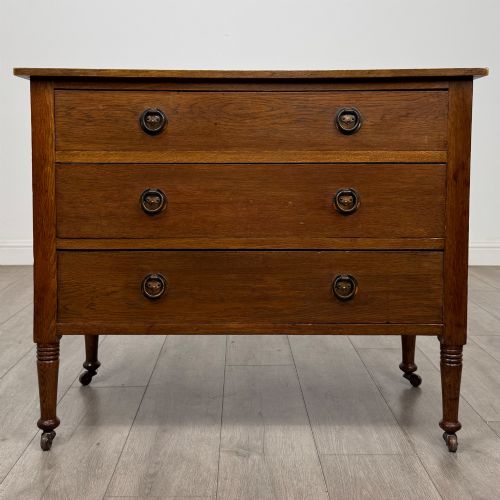
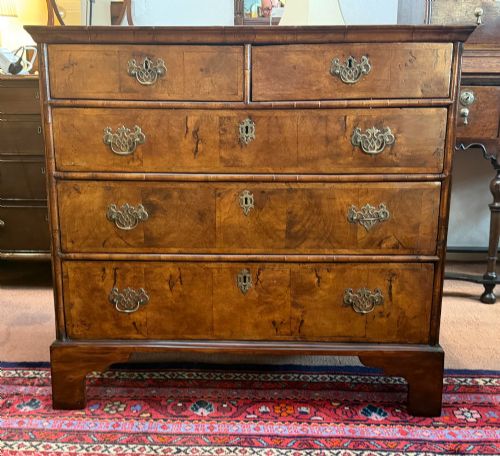
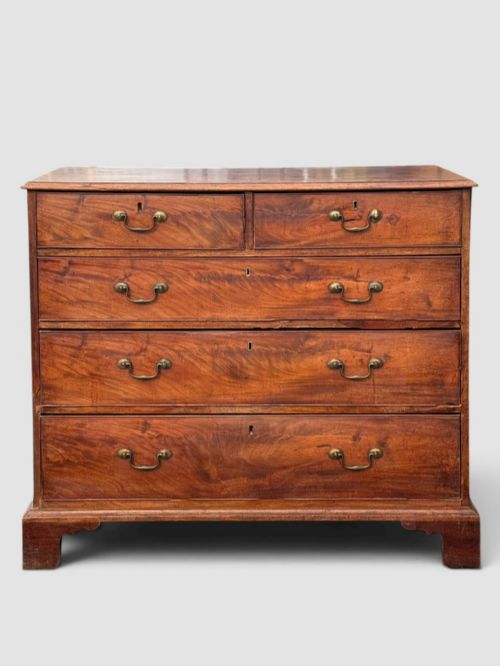
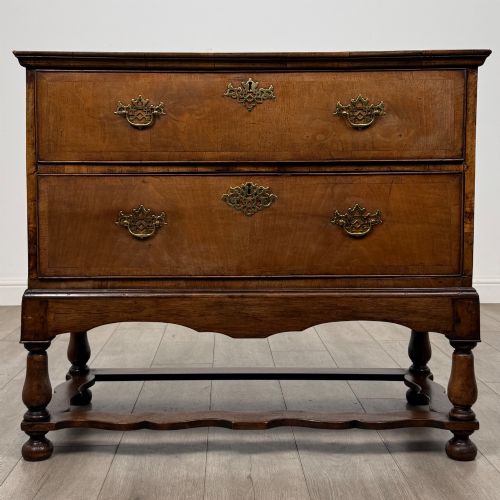
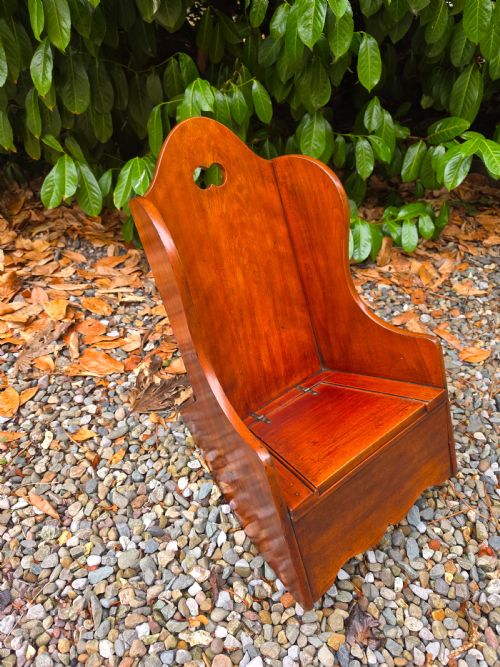
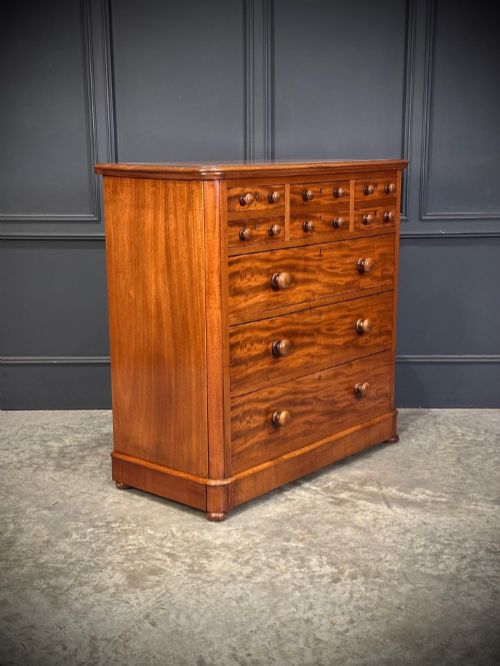
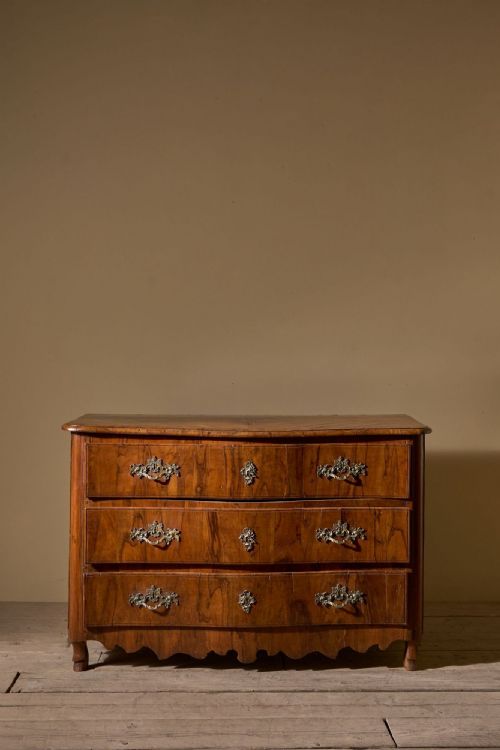
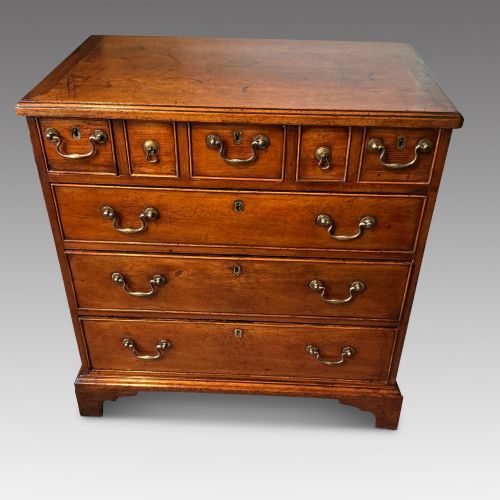
Warm Brown Wooden Commode
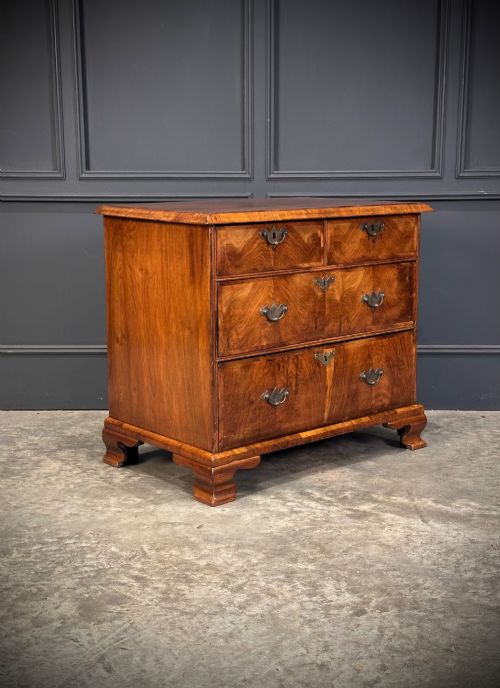
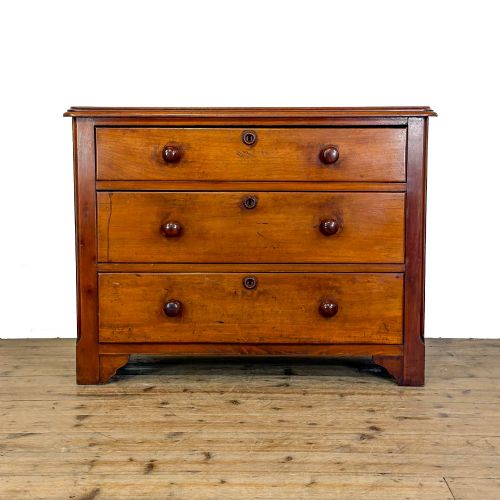
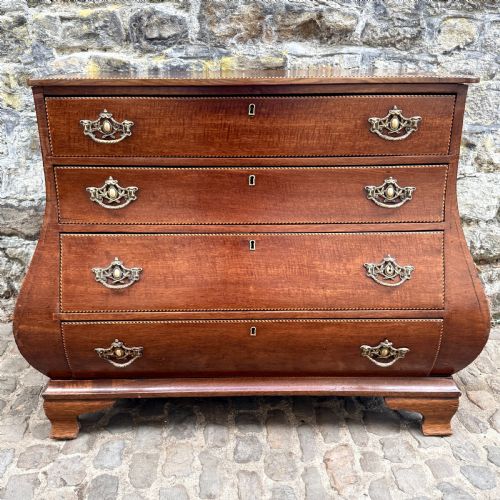
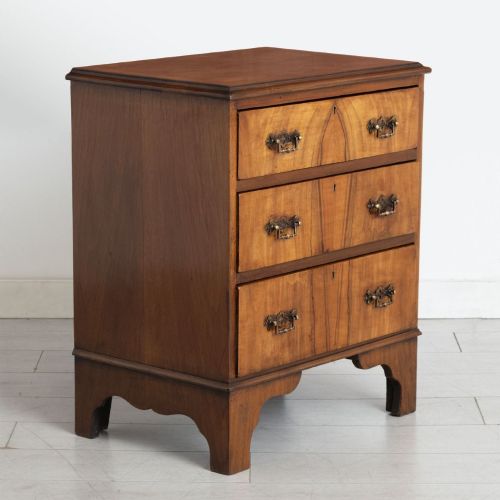
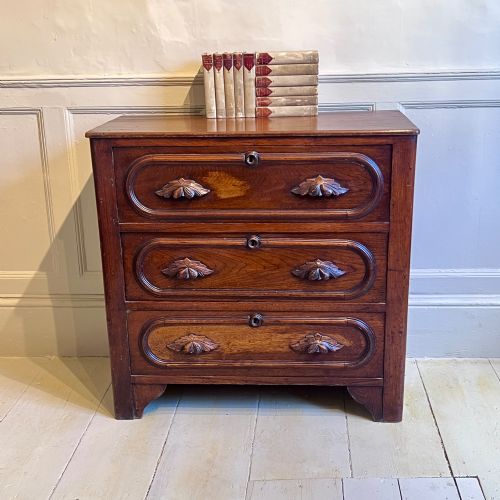
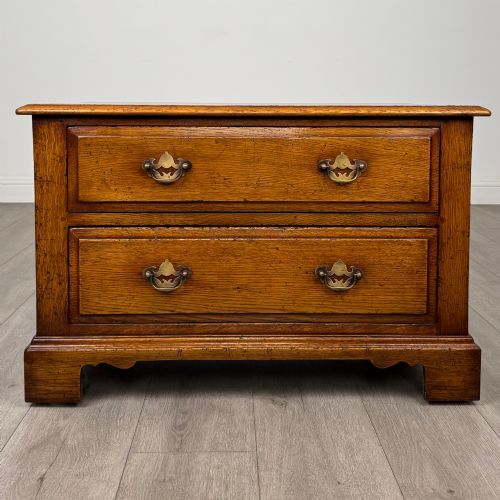
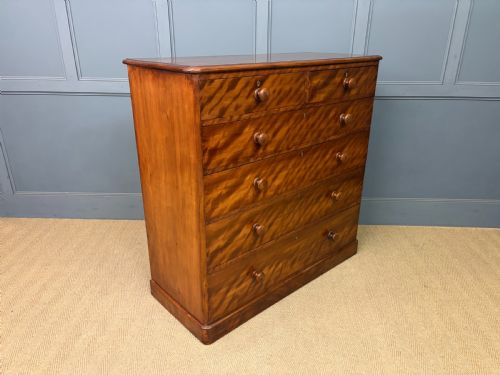
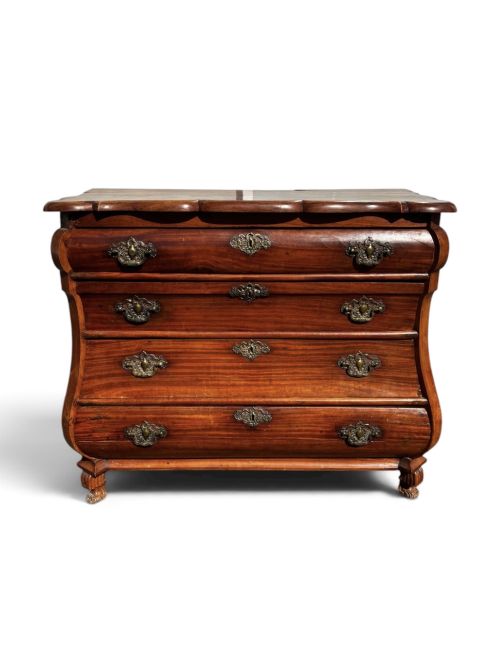
A warm brown wooden commode brings rich timber tones and practical storage to a room, ranging from Georgian mahogany to French provincial walnut.
Warm Brown Wooden Commode
A warm brown wooden commode takes the form of a chest of drawers, side cabinet, or bedside table designed for storage. When searching for a warm brown wooden commode, buyers encounter pieces spanning the Georgian, Victorian, Edwardian, and Regency periods alongside earlier 18th-century examples.
The selection on this page leans heavily toward traditional chests of drawers and commodes built in Britain, France, Italy, and the Netherlands. Timber choices dominate the visual appeal, showing rich grain patterns across various historical eras.
How they were made
Cabinet makers constructed these pieces using solid timbers and veneers such as mahogany, walnut, oak, fruitwood, and pine. Artisans applied crossbanding and feather-banded borders to enhance the surface appearance of drawer fronts and top panels.
Brass handles and escutcheons provided functional hardware that complemented the deep tones of the wood. Joinery techniques varied by period, supporting structural longevity through dovetailed drawer construction and framed panels.
Listings feature woods including mahogany, walnut, oak, fruitwood, pine, kingwood, burr walnut, olive wood, satinwood, cedar, elm, and cherry.
What varies in quality
The choice of timber grain and veneer figure dictates much of the visual distinction between examples. Pieces featuring figured walnut, burr walnut, or matched mahogany display greater depth than plain domestic woods.
Refinement in proportion, subtle serpentine shaping, and the integration of original brass hardware elevate certain specimens above standard utilitarian storage items from the same era.
Heal And Son
The Warm Brown Wooden Commode Glossary
- Commode
- A low chest of drawers or cabinet, often of French or continental origin, designed for domestic use. These pieces frequently feature serpentine fronts and decorative wood veneers.
- Crossbanding
- A border technique where thin strips of veneer are laid running perpendicular to the grain of the main panel. This method frames drawer fronts and table tops with contrasting timber direction.
- Serpentine
- A gently undulating furniture front line that curves outward at the centre and inward at the sides. This contour appears on 18th-century pieces requiring advanced woodworking skill.
- Feather-banding
- A decorative inlay technique using veneer strips cut diagonally to form a herringbone pattern along the borders of furniture. It is characteristic of fine walnut pieces from the Georgian era.
Warm Brown Wooden Commode: Frequently Asked Questions
What periods do these commodes come from?
The pieces span several centuries, beginning with late 17th-century items through Georgian, Victorian, and Edwardian eras up to the 1930s. Regional European pieces from France, Italy, and the Netherlands also appear.
Each period exhibits distinct proportions and decorative treatments, allowing buyers to match specific historical interiors.
How do I distinguish walnut from mahogany?
Walnut displays a rich, varied grain pattern with darker swirls and a warm, golden-brown tone that often includes figured or burr sections. Mahogany tends to show a redder, deeper brown colour with straighter, interlocked grain lines.
Cabinet makers used both timbers extensively across the 18th and 19th centuries for high-status furniture.
Where were commodes used in the home?
These items served primarily as storage furniture in bedrooms, dressing rooms, and living spaces for clothing and personal items. Smaller variations functioned as bedside tables or side cabinets.
Their practical drawer arrangements made them central to domestic organisation before fitted wardrobes became common.