

Victorian Commode
When you search for a victorian commode, you enter a dense world of heavy timber, continental marble, and domestic storage.
Victorian Commode
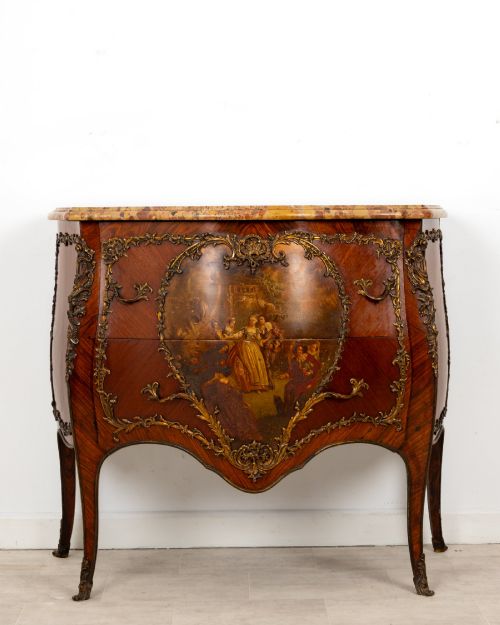
A victorian commode spans everything from robust English pine chests of drawers to elaborate French marble-top cabinets and occasional commode chairs with original ceramic pots. The phrase covers both local utilitarian bedroom storage and imported continental revival pieces designed for reception rooms.
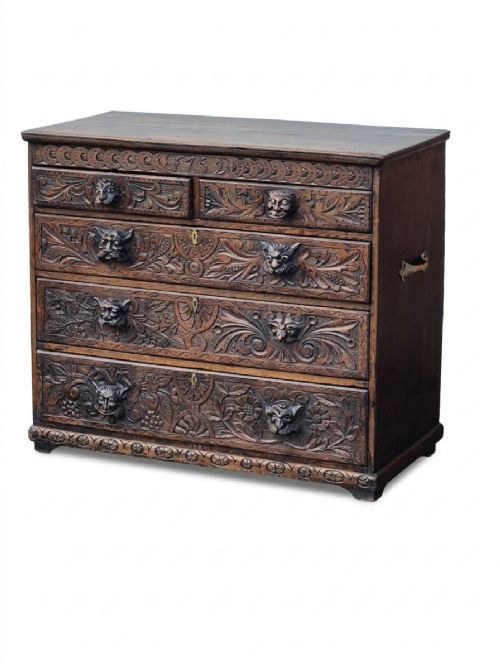
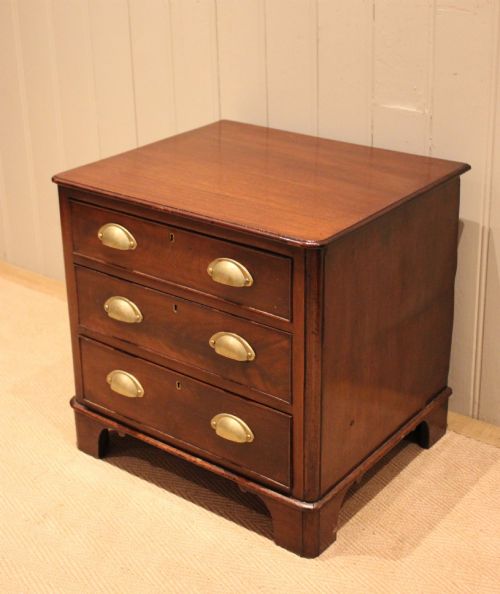
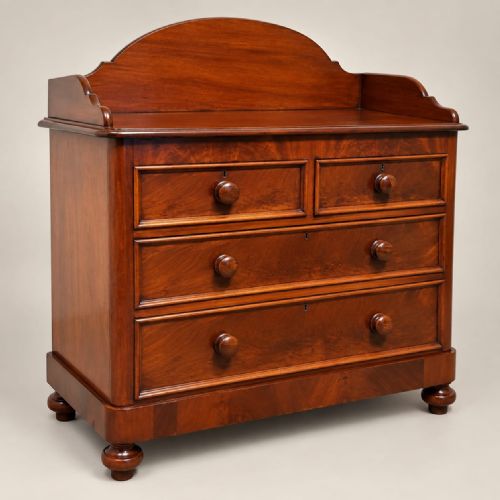
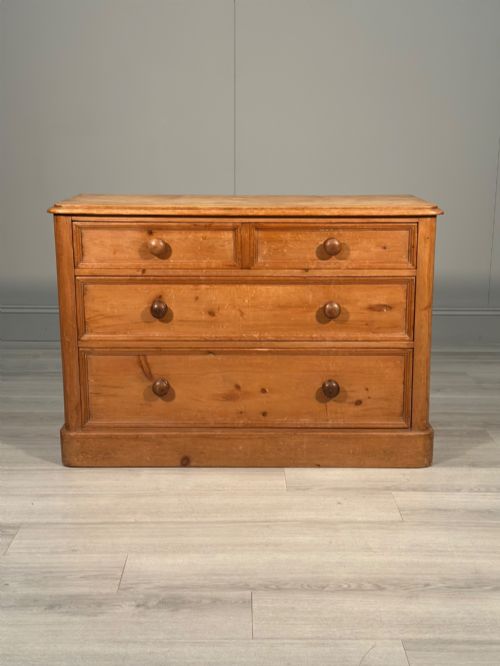
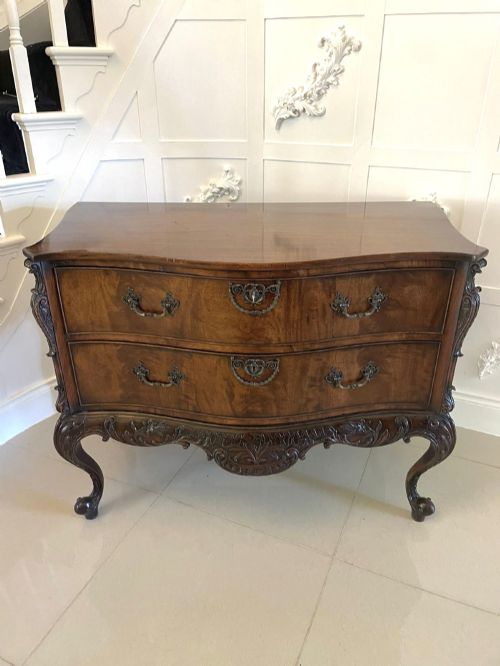
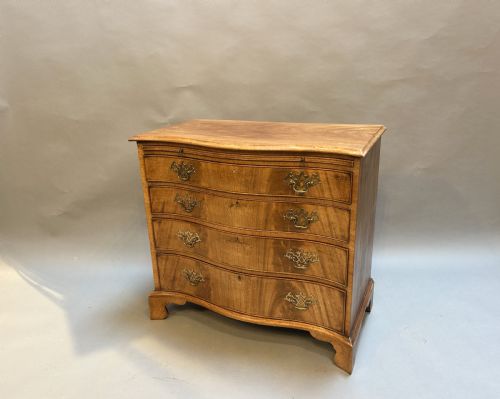
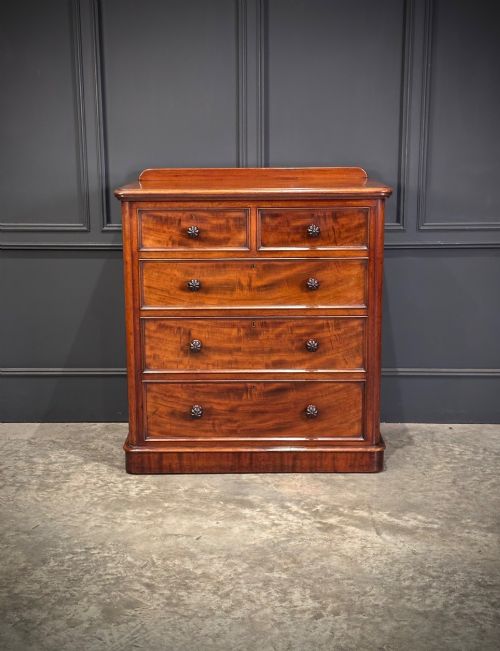
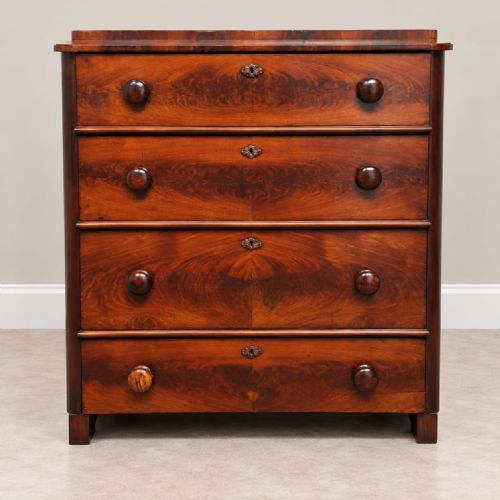
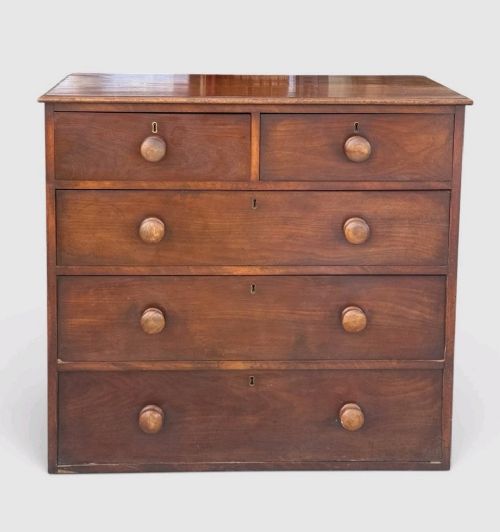
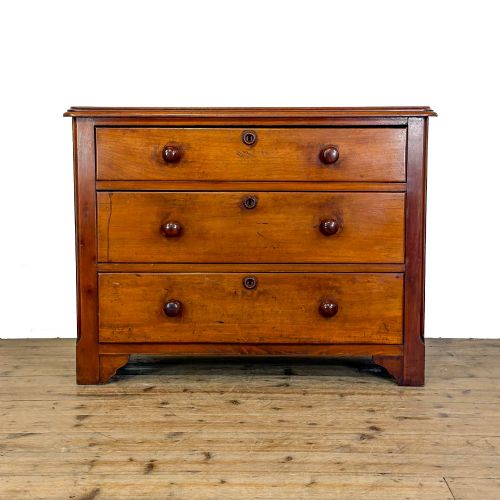
Most examples found on this page lean heavily toward mahogany chests of drawers, pine domestic furniture, and serpentine or bow front formats. Alongside these standard drawer configurations appear side cabinets, bed steps, and library step commode combinations dating right through the nineteenth century.
Materials and Techniques
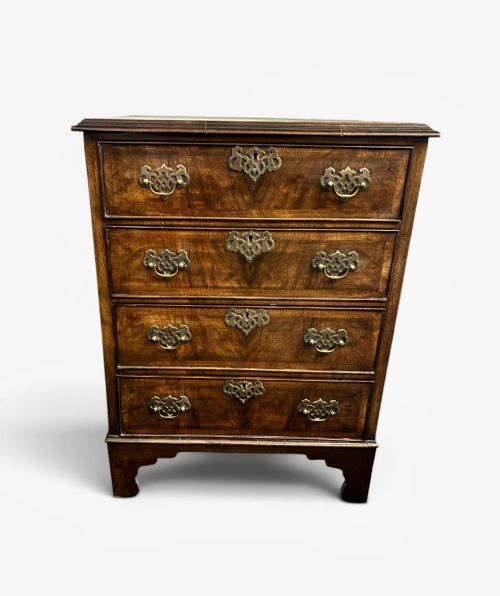
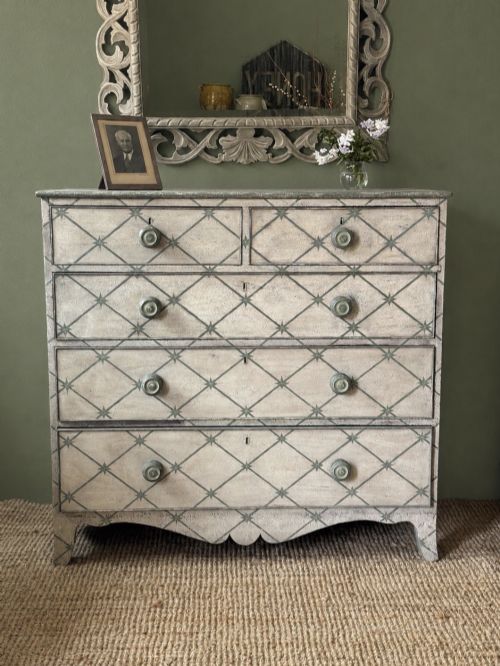
Makers relied on solid mahogany, oak, and pine as structural timbers, frequently elevating the visual weight with flame mahogany veneer or kingwood, walnut, and satinwood marquetry. Parquetry and painted stencilling appear on select panels, accompanied by bone details and brass hardware.
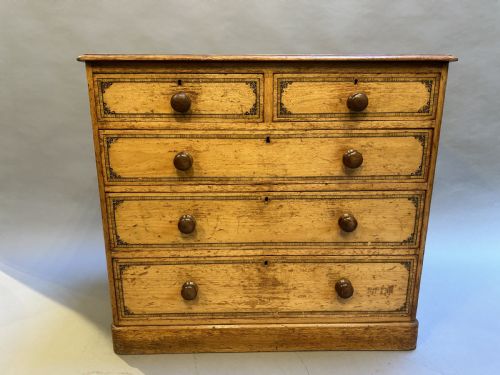
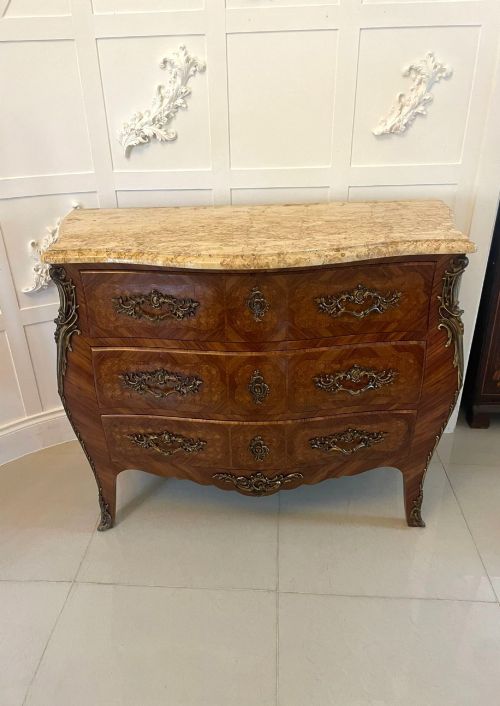
French-influenced pieces utilise heavy marble tops and cast ormolu mounts to frame inlaid wood surfaces. British country workshops relied on simpler wax finishes, scrubbed pine, and turned bun handles for daily domestic endurance.
Several items combine domestic storage with hidden ceramic pots, proving that Victorian practicality had a very private side.
Gradations of Make
The divide between standard utility furniture and high-end reception pieces rests in the selection of timbers and the ambition of the silhouette. Figured veneers, serpentine outlines, and intricate parquetry distinguish grand drawing room commodes from plain painted or scrubbed pine bedroom chests.
Construction details such as dovetailed drawer linings, integrated library step mechanisms, and the weight of imported marble tops separate standard regional production from pieces bearing workshop provenance.
Heal and Son·Howard and Sons·Edwards and Roberts
The Victorian Commode Glossary
- Commode
- Originally a low cabinet or chest of drawers, the term also encompasses nineteenth century chair commodes fitted with interior ceramic receptacles.
- Serpentine
- A cabinet front or top curved in a wave pattern with a convex centre flanked by concave sides, demanding high carpentry skill.
- Marquetry
- Decorative veneer work forming pictures or geometric patterns by assembling small pieces of various coloured woods.
- Parquetry
- A geometric mosaic of wood pieces used for floors or cabinet surfaces, creating repeating angular patterns.
- Ormolu
- Gilded bronze mounts applied to furniture edges and feet, typical of French-inspired nineteenth century revival pieces.
Victorian Commode: Frequently Asked Questions
How do I use a commode today?
These pieces serve well as bedroom drawer chests, hallway storage units, or statement side cabinets in a living room.
Marble-topped versions also function effectively as serving surfaces or lamp tables in larger entrance halls.
Were all commodes used for the same purpose?
Nineteenth century usage varied widely depending on whether the object was a domestic drawer chest, a library step hybrid, or a sanitary commode chair.
Many pieces imported from France served purely decorative and formal storage roles in reception rooms rather than private bedrooms.
How do I distinguish French styles from English ones?
French nineteenth century pieces frequently feature heavy marble tops, ormolu mounts, and kingwood marquetry or parquetry.
English equivalents tend to rely on solid mahogany, oak, or pine with simpler architectural lines and brass handles.
What is the difference between a chest of drawers and a commode?
While nineteenth century British retailers often used the terms interchangeably, commodes more frequently denote lower, decorative cabinets with continental stylistic influences.
Standard chests of drawers generally focus on vertical storage capacity using mahogany, oak, or pine.