
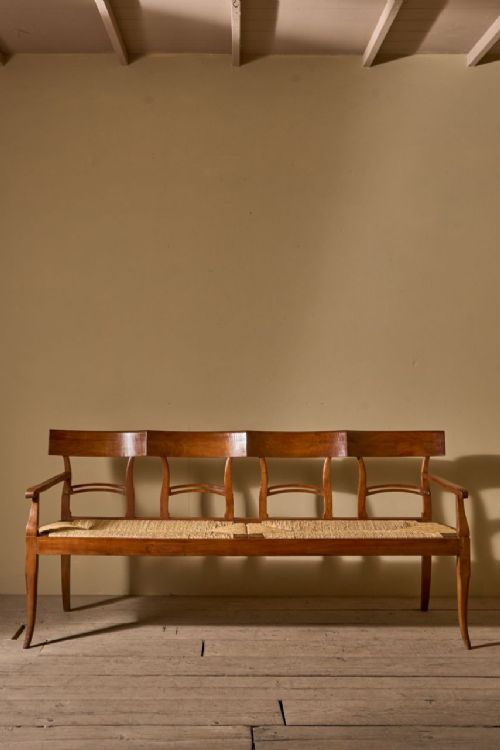
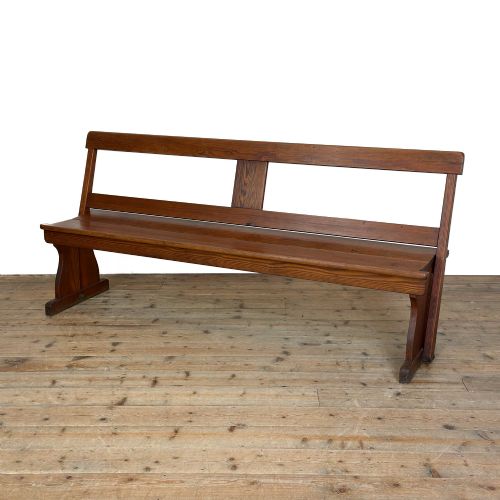
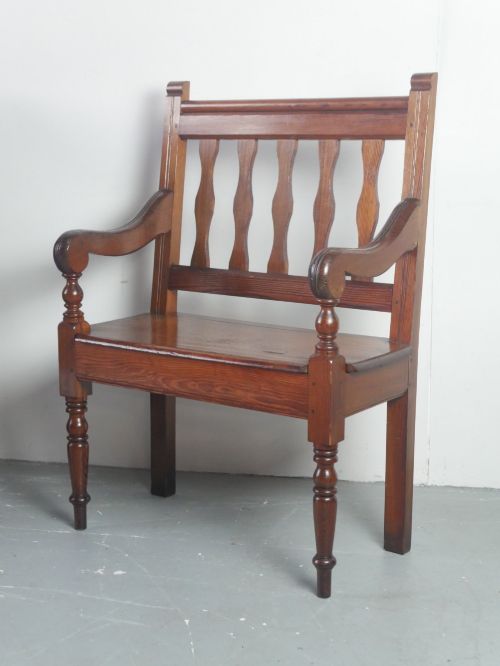
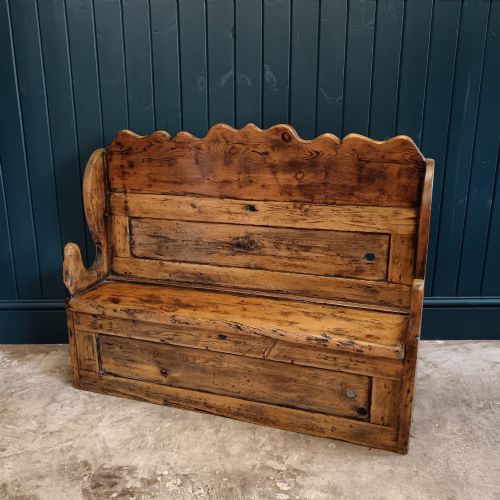


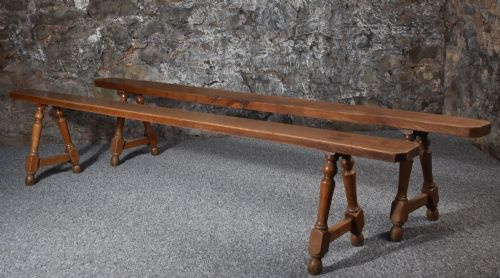

Warm Brown Wooden Benches
Warm brown wooden benches bring rich grain and honest utility to any room, offering versatile seating rooted in centuries of practical country craft.
Warm Brown Wooden Benches
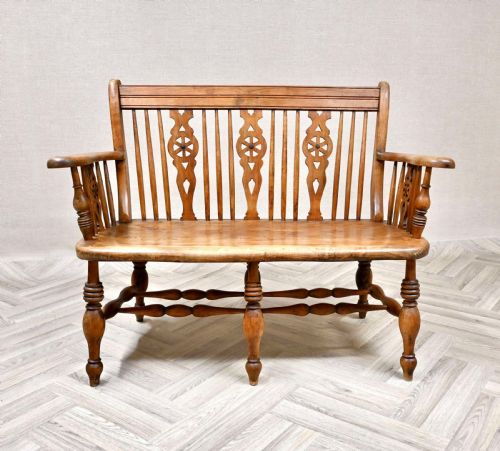
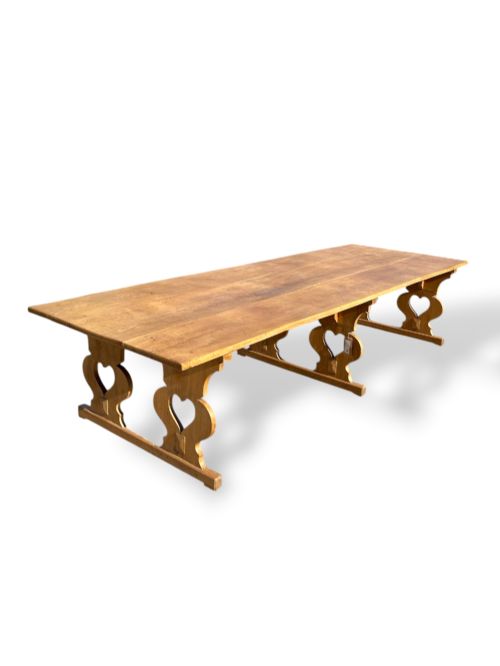
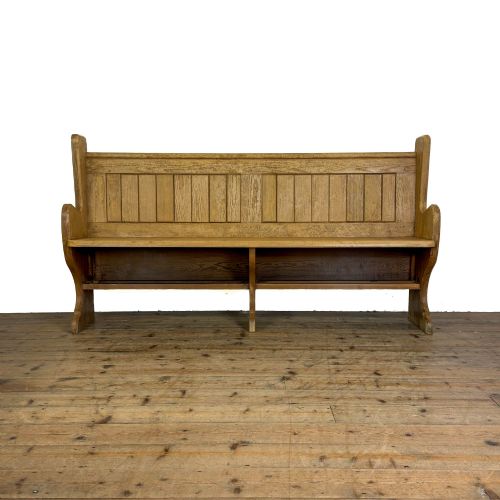
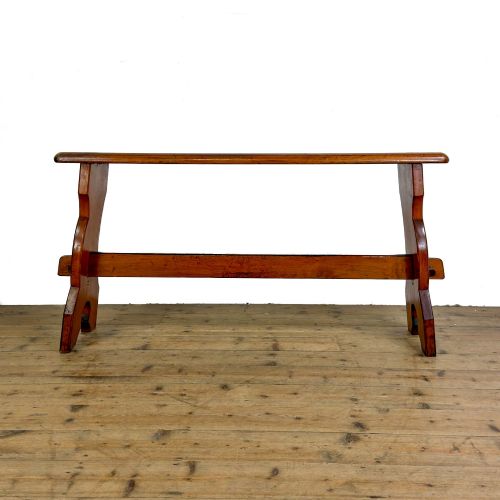
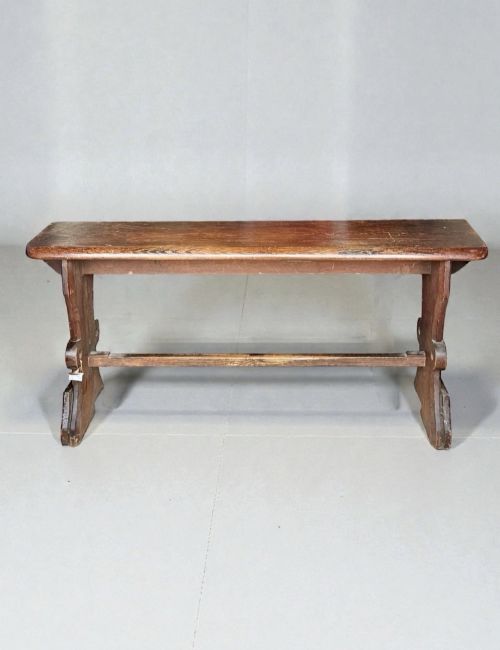
Warm brown wooden benches encompass a practical range of seating forms designed for halls, refectories, and country interiors. When exploring warm brown wooden benches, buyers encounter pieces spanning from the eighteenth century through the early twentieth century.
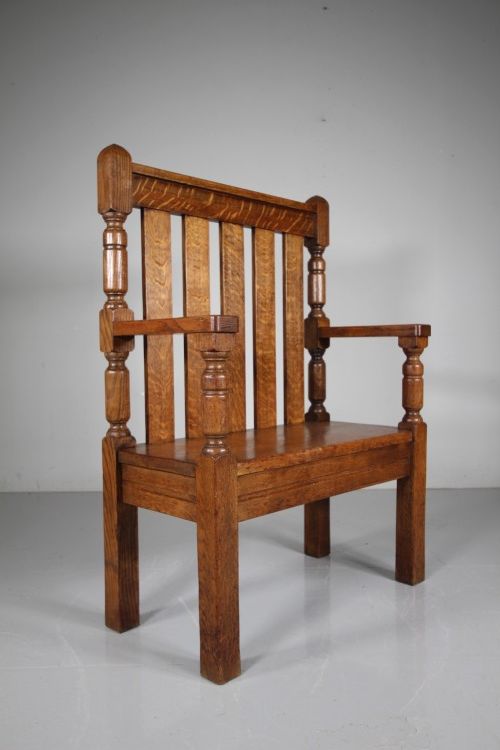
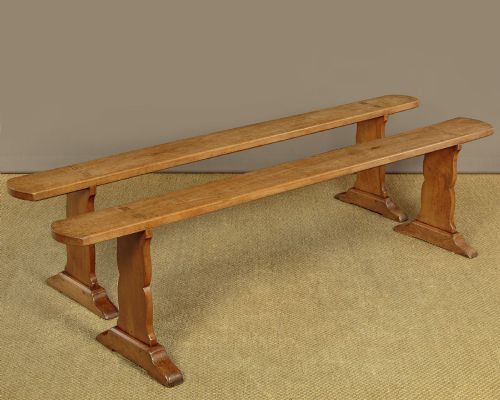
The selection ranges from slim hallway seating and chapel pews to robust refectory dining benches and rustic settles. Most examples originate from British, French, and colonial traditions, reflecting straightforward domestic utility.
Makers utilised local timbers to supply daily seating needs for churches, taverns, and farmhouses. These forms survive as enduring examples of utilitarian woodworking.
Materials and construction methods
Craftsmen built these seats using solid native timbers including pine, oak, elm, cherrywood, fruitwood, and mahogany. These woods were selected for their natural strength and rich figuring.
Joinery techniques relied on pegged mortise and tenon joints, sturdy trestle frames, and shaped plank construction. Surfaces developed deep patinas through decades of daily use and simple wax polishing.
Listings feature pieces spanning from the 18th century to 1920, constructed in pine, oak, elm, cherrywood, mahogany, and fruitwood.
Evaluating craftsmanship and proportion
Quality rests in the selection of timber, the integrity of the structural joinery, and the depth of the natural patina. Superior examples display thoughtful proportions and honest signs of period wear rather than heavy restoration.
The distinction between standard utility items and finer pieces lies in the subtlety of shaping, such as carved details, slatted backs, or shaped arm supports. Coarser pieces prioritise pure function, while better workshops delivered refined provincial elegance.
Liberty
The Warm Brown Wooden Benches Glossary
- Settle
- A wooden bench with a high back, solid arms, and often a storage compartment beneath the seat. It provided shelter from draughts in traditional parlours and taverns.
- Pew
- A long wooden bench traditionally utilised in churches, chapels, and institutional buildings. These seats feature solid plank construction and simple upright supports.
- Refectory bench
- A long, narrow seating form designed to accompany a communal dining table. They are built for stability and frequent daily use.
- Patina
- The surface sheen and colour developed over decades through handling, polishing, and natural ageing. This quality indicates genuine period use.
- Trestle
- A structural support consisting of a horizontal beam fixed to two splayed legs. This framework provides maximum legroom and robust support for long benches.
Warm Brown Wooden Benches: Frequently Asked Questions
Where should I place a wooden bench?
These benches fit naturally in entrance halls, along dining tables, or as standalone statement pieces in living spaces. Their narrow footprint makes them particularly useful in transitional areas.
Ensure the length and height align with your intended table or wall space to maintain comfortable proportions within the room.
How do I care for antique timber?
Maintain the wood by applying a natural beeswax polish periodically and avoiding direct placement near heat sources. Gentle dusting preserves the historical surface.
Keep moisture away from unsealed joints to protect the structural integrity of the timber over time.
Are these benches sturdy enough for daily use?
Most pieces were constructed for demanding domestic, ecclesiastical, or tavern environments using solid hardwoods. Their robust joinery makes them well-suited for everyday seating.
Check that the legs and stretchers remain firm to ensure safe support for daily household routines.
How do I date a wooden bench?
Dating relies on observing tool marks, timber selection, construction methods, and the style of the legs or backrest. Eighteenth-century pieces often display hand-sawn surfaces and pegged joinery.
Later nineteenth- and early twentieth-century examples incorporate industrial sawn timber and revived historical styles like Gothic or Hepplewhite.