



Traditional Country Elm Bench
A traditional country elm bench brings honest timber, tactile grain and centuries of domestic use straight into a hallway or kitchen.
Traditional Country Elm Bench
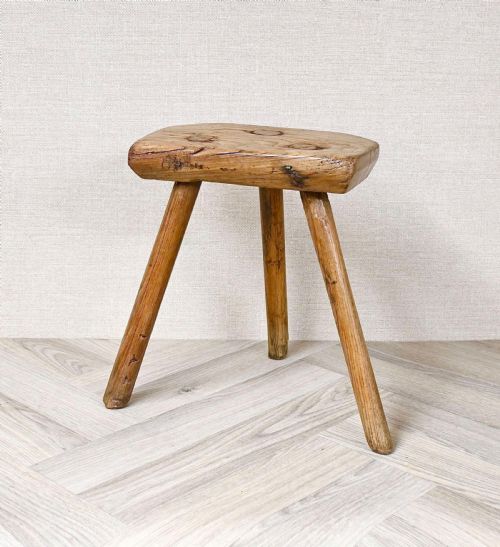
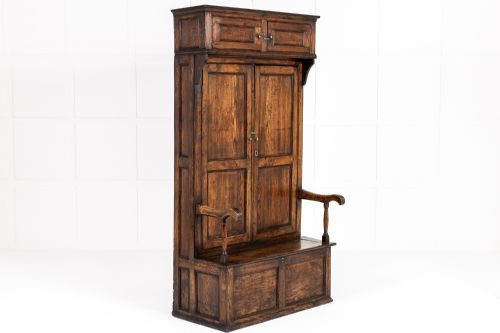
A traditional country elm bench spans several centuries of provincial woodworking, emerging from vernacular forms designed for everyday utility. These sturdy seats appear across the eighteenth and nineteenth centuries, taking the shape of low benches, slim hallway forms and high-backed settles with integrated storage. Examples frequently display the rustic character and unpretentious charm typical of rural English and European farmhouses.
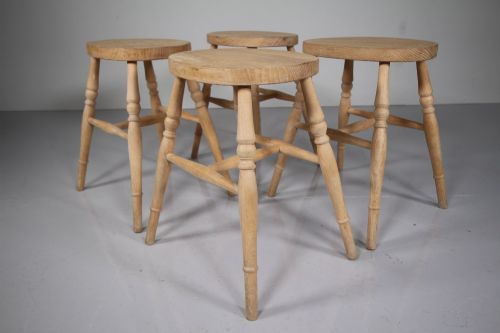
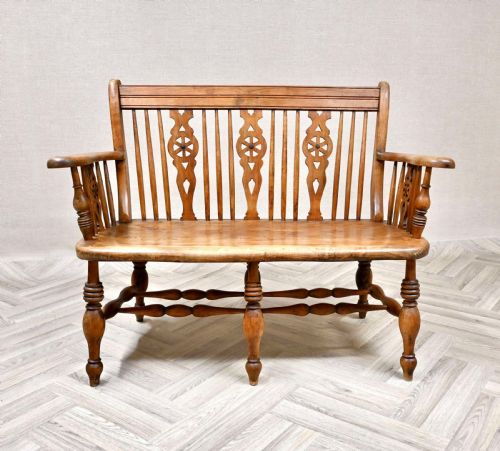
Buyers encounter various related forms in this category, including Windsor bench seats, primitive milking stools and heavy tavern tables. While many pieces originate from English country workshops, occasional specimens arrive from further afield, such as rustic Chinese hardwood variants. The primary focus remains on solid timber construction intended to withstand heavy domestic service over generations.
Materials and construction
Makers relied heavily on elm for its tough, interlocking grain, which resists splitting under the daily strain of provincial life. This native timber was frequently paired with secondary woods like pine, oak, ash and yew depending on regional availability and the specific structural requirement of the seat or legs. Artisans shaped these materials using traditional hand tools, pegging joints firmly together without relying on modern fasteners.
Surface preparation focused on practical utility rather than elaborate polish, leaving tool marks and natural knots visible across the timber. Over decades of polishing and handling, the wood developed a deep, lustrous patina that highlights the organic movement of the grain. This honest method of production ensures each piece retains a direct connection to the rural workshop where it was originally fashioned.
Current listings feature pieces spanning the Georgian era, the 1890s and the Edwardian period, constructed from elm, pine, oak, ash, yew and hardwood.
Judging quality and character
Quality in a traditional country elm bench rests primarily on the integrity of the timber and the honesty of its surface wear. Superior examples exhibit a rich, untouched patination acquired through long service, whereas lesser or heavily restored pieces often show the deadening effects of over-sanding and harsh chemical stripping. The depth of tone and tactile warmth of the wood tell the true story of age and handling.
Structural proportion and original joinery also dictate the standing of a piece within this category. Benches that retain their original pegged joints, unaltered heights and uncompromised proportions command greater appreciation than those cut down or heavily altered to fit modern interiors. The relationship between the seat board and its supports reveals the competence of the provincial maker.
The Traditional Country Elm Bench Glossary
- Patina
- The surface sheen and mellow tone developed by timber over decades of use and waxing. This characteristic layer is highly prized by collectors for its authenticity.
- Settle
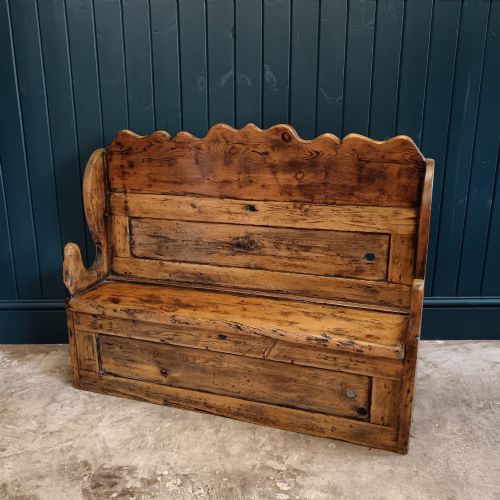
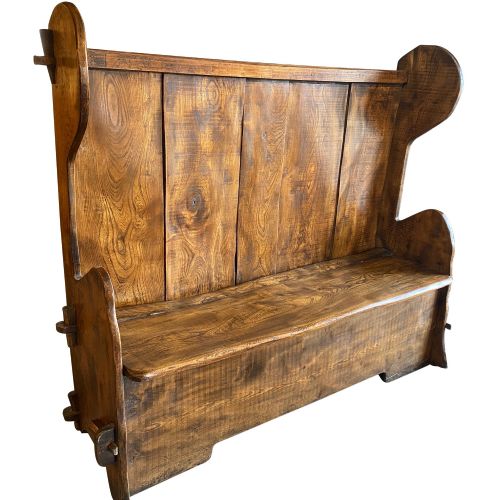
- A wooden bench featuring a high back to block draughts, often incorporating a hinged box seat for storage beneath. These pieces served practical roles near hearths in country houses.
- Windsor
- A style of chair or bench construction where individual turned spindles and legs are wedged directly into a thick solid seat. This method provides robust structural rigidity.
- Provincial
- Denoting items made in regional workshops outside major metropolitan centres for local domestic use. Such pieces often display idiosyncratic local design variations.
- Primitive
- A descriptive term for early or unrefined domestic furnishings made with basic hand tools. These objects prioritise stark utility over decorative embellishment.
Traditional Country Elm Bench: Frequently Asked Questions
Where should I place a country bench?
These benches suit narrow hallways, boot rooms or dining spaces where their linear forms and sturdy seats can be utilised daily. Their low profiles also allow them to function effectively beneath windows or alongside rustic dining tables.
Because they were built for robust domestic environments, they handle regular foot traffic and everyday placement with ease. Placing them away from direct heat sources helps protect the historic timber from drying out.
How do I clean old elm wood?
Maintenance requires only a soft, dry cloth to remove dust and occasional applications of traditional beeswax to nourish the dry timber. Avoid modern liquid polishes or silicone sprays, which can build up an artificial film and soften the historic surface.
Gentle care preserves the natural patina and protects the grain from moisture damage over time. Regular waxing maintains the tactile warmth that defines antique provincial furniture.
How can I tell the age of a bench?
Dating relies on observing construction techniques, tool marks, timber shrinkage and the depth of the surface patina. Hand-cut peg joins and irregular board widths generally point towards eighteenth or nineteenth-century provincial production.
Comparing the wear patterns around the seat edges and footrests also helps verify long-term domestic use. Subtle variations in regional turning styles further assist in narrowing down the period.
Did these benches have storage?
Certain forms, particularly high-backed settles, feature hinged seats opening to deep compartments originally used for blankets or provisions. Smaller hallway benches typically remained open beneath the seat rail for boots or baskets.
This built-in utility reflects the multifunctional nature of early rural living spaces where furniture needed to maximise storage. Examining the original hinges and pivot points reveals how these compartments operated.