
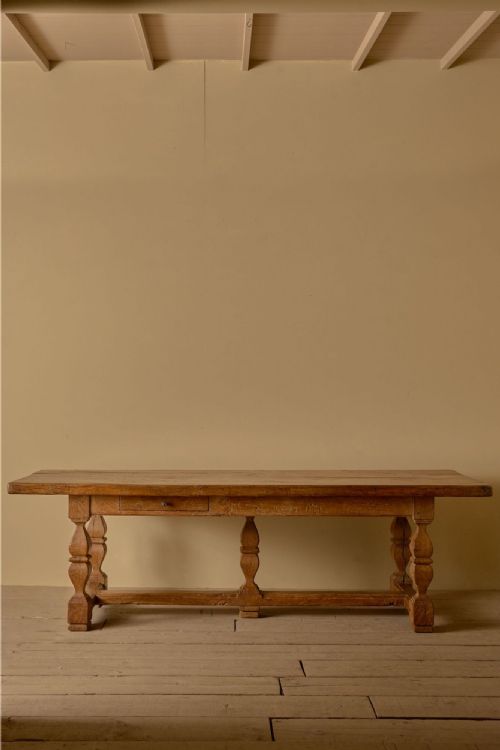
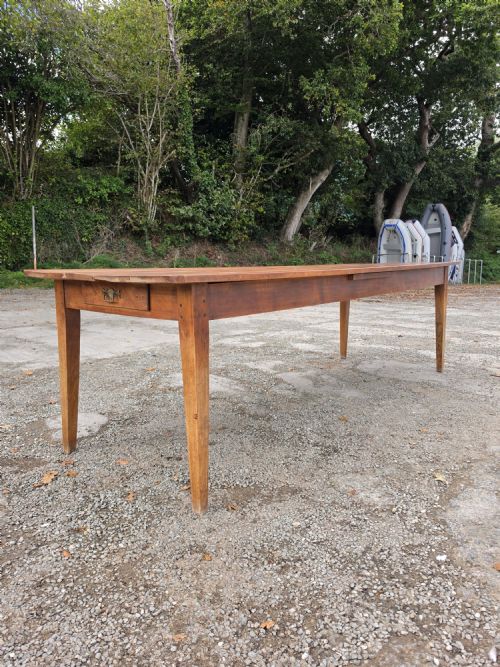
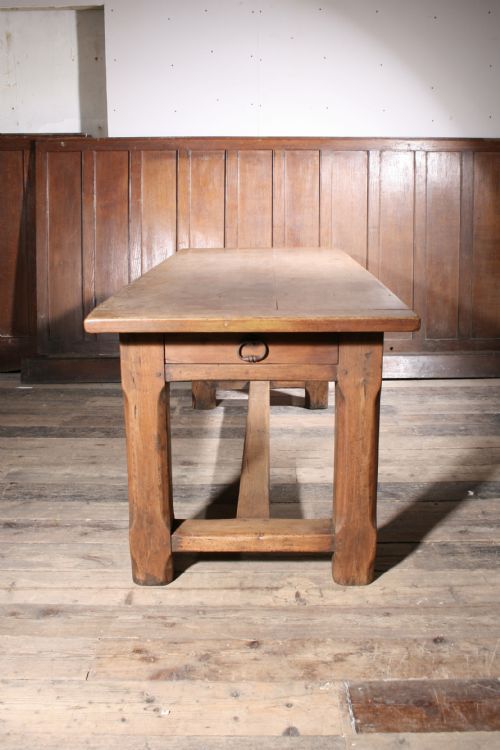
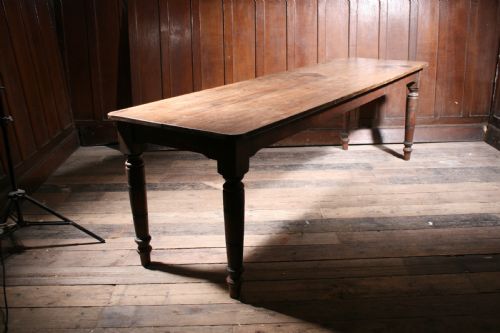
Warm Brown Refectory Table
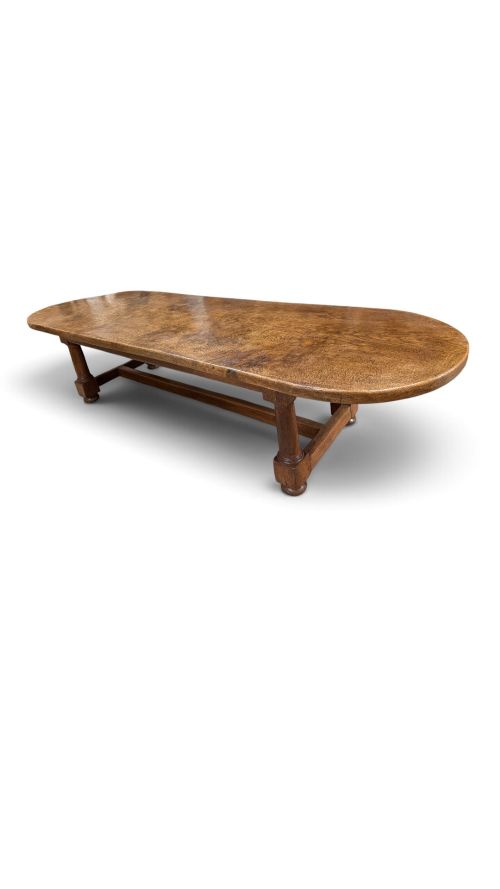
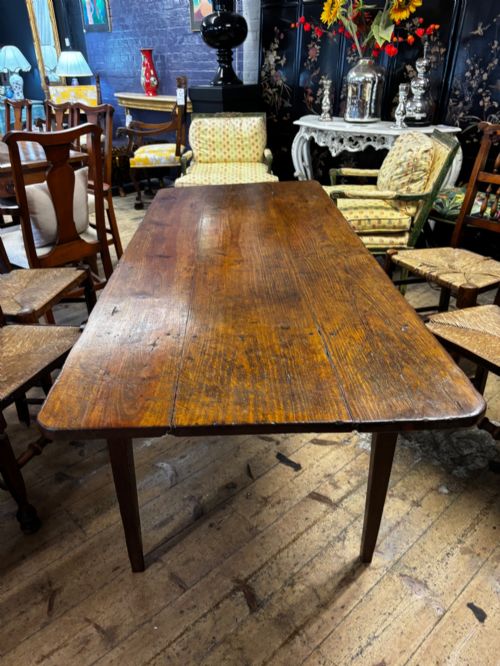
A warm brown refectory table anchors a room with timber character, bringing enduring utility and rich surface depth to family dining spaces.
Warm Brown Refectory Table
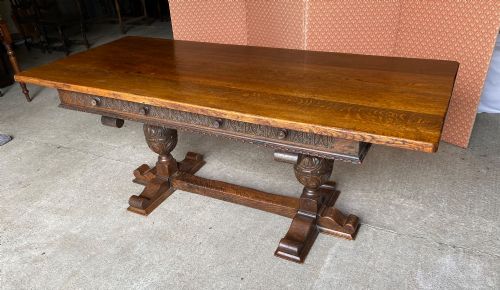
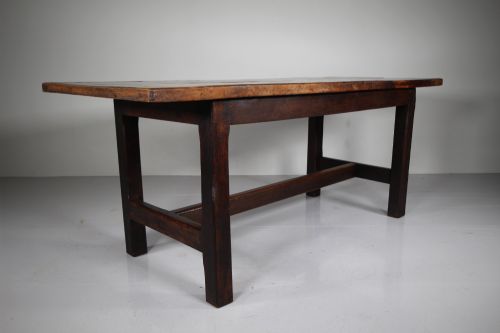
A warm brown refectory table delivers substantial surface area for communal gatherings, originating as long boards designed for monastic and communal dining. When seeking a warm brown refectory table, buyers encounter robust timbers shaped by centuries of functional dining traditions.
The selections available here span diverse periods from the eighteenth century through to the mid twentieth century, encompassing styles such as French Provincial, Rustic Farmhouse, Georgian, and Jacobean Revival. Oak and fruitwood predominate, alongside cherrywood, walnut, poplar, and elm.
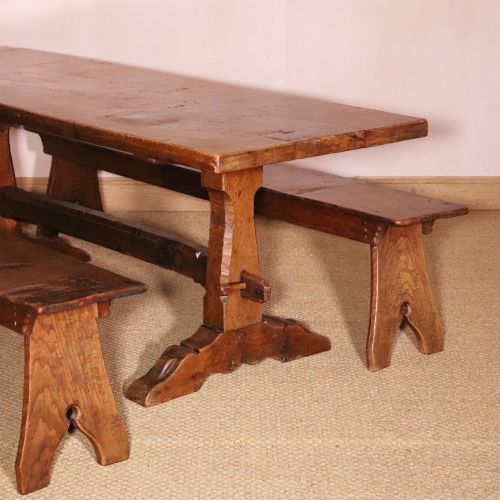
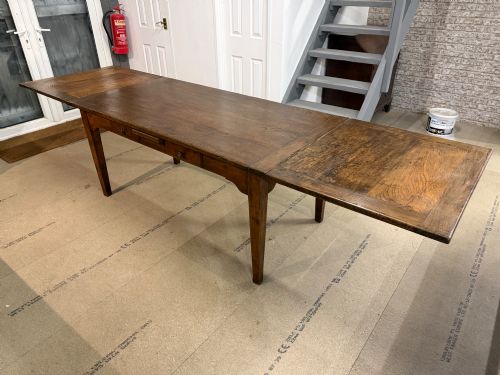
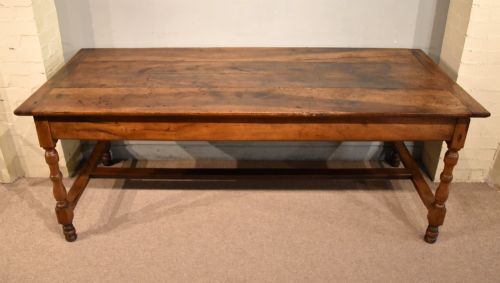
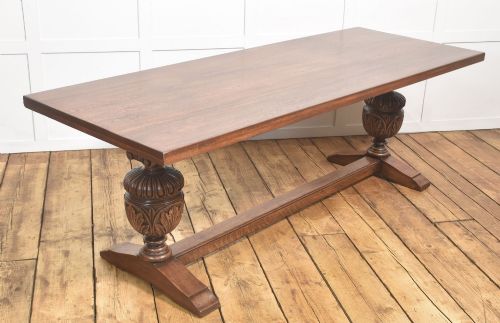
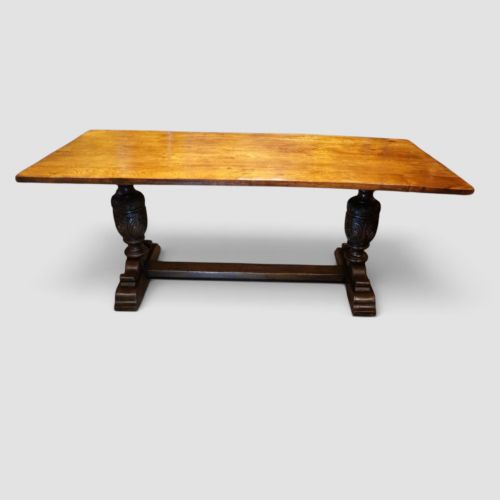
Most pieces on this page manifest as substantial dining tables, tavern tables, or extending formats designed to seat large numbers. Forms range from twin plank tops to draw leaf variants and trestle constructions, reflecting both English country and French regional vernaculars.
Materials and construction methods
Carpenters constructed these pieces primarily from dense native hardwoods such as oak, fruitwood, and cherrywood, supplemented occasionally by pine, poplar, and elm. These timbers provided the structural rigidity required for heavy daily use in kitchens, refectories, and farmhouses.
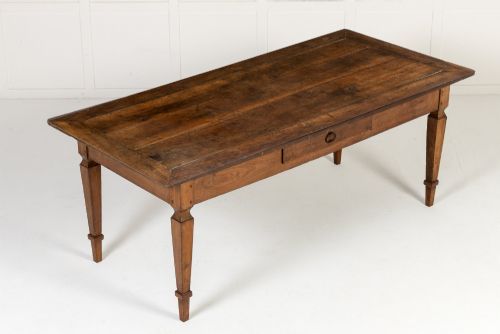
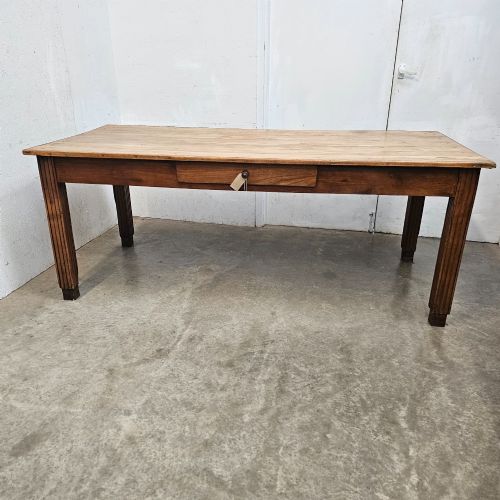
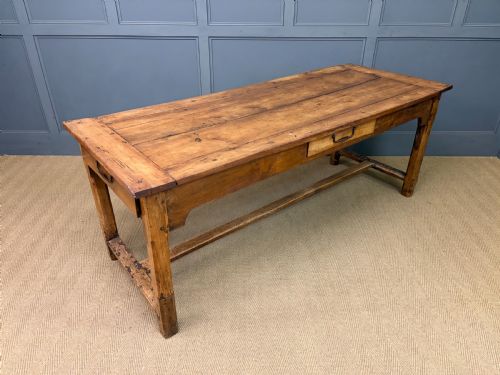
Several tables include hidden drawers once used by busy households to keep cutlery within arm's reach during bustling family meals.
Assessing quality and proportion
Quality reveals itself in the selection of primary timber planks, where single or twin plank surfaces demonstrate superior material grade over multi-board constructions. The depth of grain and the natural patina developed across generations of use distinguish finer examples.
Structural integrity and the subtlety of hand-carved details govern the upper tier of these pieces. Well-balanced proportions, original mechanisms on extending variants, and sound framing without excessive timber replacement separate standard utility tables from superior specimens.
Jack Grimble
The Warm Brown Refectory Table Glossary
- Refectory table
- A long dining table traditionally used in monastic refectories for communal meals. These pieces are characterised by substantial length and sturdy supporting legs or trestles.
- Twin plank table
- A table top constructed from two wide boards joined lengthwise. This construction method appears frequently in traditional farmhouse and refectory formats.
- Draw leaf table
- A dining table with pull-out leaves stored beneath the main surface. This mechanism allows the table length to expand quickly when hosting guests.
- Fruitwood
- A generic term for timber harvested from fruit-bearing trees such as cherry, pear, or apple. It yields a warm, dense surface with a fine grain.
- Trestle table
- A table comprising two or more supports connected by a horizontal beam. This design provides robust stability without obstructing legroom.
Warm Brown Refectory Table: Frequently Asked Questions
How do I seat eight people comfortably?
Look for tables measuring over two metres in length or select extending variants that accommodate extra guests when needed. Generous clearance beneath the frieze ensures chairs tuck in properly.
Position benches or slender dining chairs along the sides to maximise seating capacity without overcrowding the floor space.
What is the difference between refectory and farmhouse tables?
Refectory tables traditionally feature longer, narrower proportions with stretcher-supported legs designed for communal halls. Farmhouse tables often display domestic kitchen origins with varied base constructions and occasional drawer integration.
Both categories overlap significantly in modern terminology, sharing robust timber construction and generous dining surfaces.
How do I care for antique timber surfaces?
Maintain the finish by dusting with a dry cloth and applying natural beeswax periodically to nourish the wood. Avoid placing tables in direct sunlight or near heat sources to prevent timber splitting.
Use protective mats for hot dishes and wipe spills promptly to preserve the historic patina.
Are extending tables historically authentic?
Extending mechanisms including draw leaves and double extending frames date back centuries, serving practical domestic needs. Period examples utilise clever internal runners that operate smoothly alongside the main timber top.
These functional additions allow traditional tables to adapt easily to modern dining requirements.