



Warm Brown Pine Table
A warm brown pine table brings honest utility and deep timber patination into a room, offering a sturdy surface shaped by generations of practical domestic life.

Warm Brown Pine Table
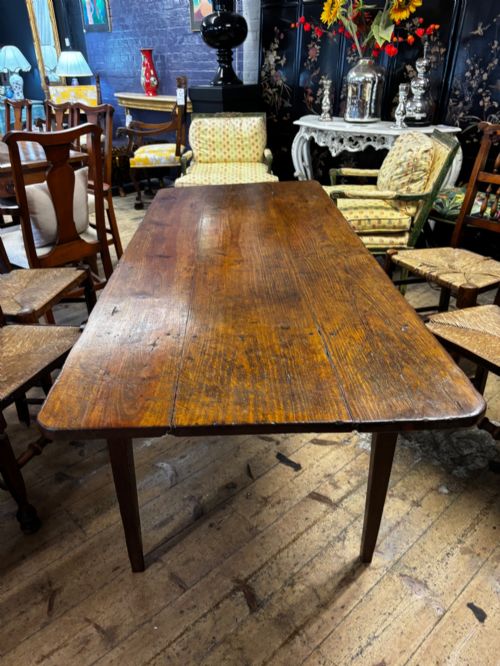
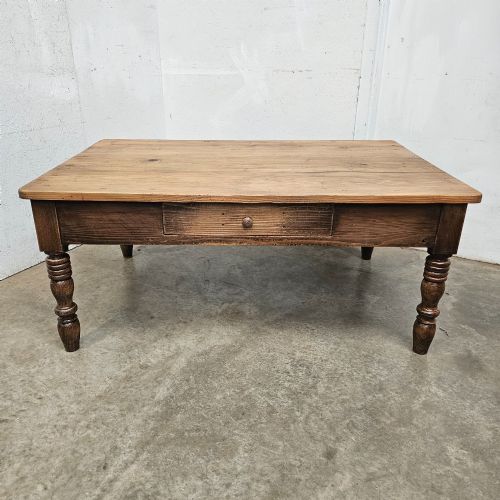
When you search for a warm brown pine table, you encounter domestic surfaces rooted in nineteenth-century country houses, farmhouses, and vernacular workshops. These pieces span dining tables, coffee tables, and preparation surfaces built for heavy daily use.
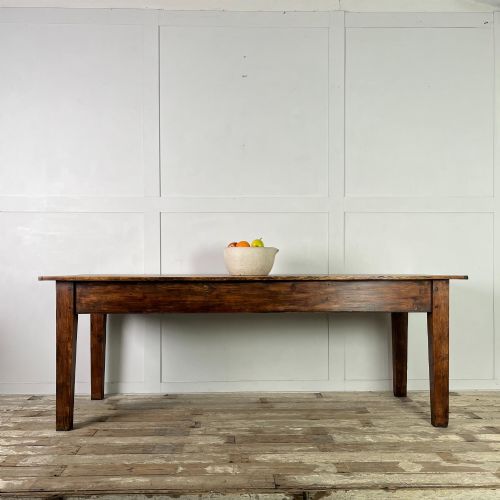
The version you are most likely to meet on this page is a nineteenth-century farmhouse or kitchen table rendered in seasoned pine or pitch pine. They carry deep patination from decades of scrubbing, oiling, and everyday habitation.
How they were made
Makers utilised native softwoods like pine and pitch pine, occasionally pairing them with fruitwood, oak, or iron for structural reinforcement. Surfaces were joined with traditional methods, relying on pegged joints and sturdy turned or tapered legs.
Finishes developed organically through use, wax, and natural oxidation rather than heavy factory varnishes. The resulting timber displays rich grain patterns and a warm, tactile depth.
Warm Brown Pine Table Retail Price Guide 2026
Typical asking prices for warm brown pine table among the pieces listed under this phrase on Sellingantiques today, from the lower quarter to the upper quarter. They describe what is for sale here now, not the wider market.
What varies in quality
The distinction between ordinary examples and finer pieces lies in the integrity of the timber and the honesty of the construction. Superior tables display tight-grained pitch pine or mature fruitwood with balanced proportions and minimal structural alteration.
Execution of detail also separates the output, from simple pegged stretchers to finely turned legs and integrated drawer construction. Original patination and untouched surfaces command greater appreciation than stripped or heavily restored timber.
The Warm Brown Pine Table Glossary
- Pitch pine
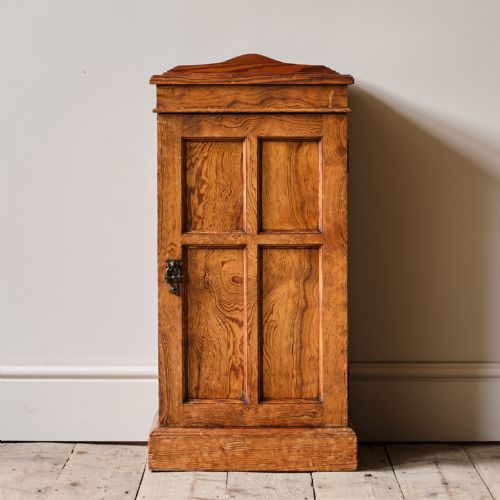
- A dense, resinous softwood prized for its dark grain and durability in nineteenth-century furniture. It yields a distinctive reddish-brown tone when polished.
- Patina
- The surface sheen and colour acquired by wood through age, handling, and exposure to light. It serves as a visual record of a piece's history.
- Vernacular
- Everyday furniture made by regional craftsmen for local use rather than high-style urban production. These pieces prioritize function and local materials.
- Joint stool
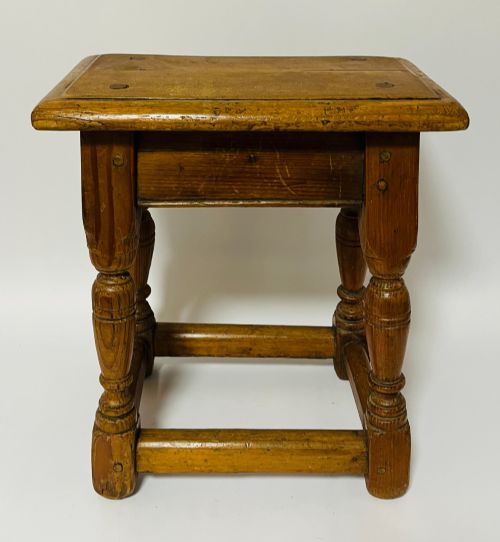
- A sturdy, low wooden stool constructed with mortise and tenon joints pegged together. They often double as small side tables in country interiors.
- Cricket table
- A small, lightweight occasional table typically featuring three splayed legs and a round top. The design ensures stability on uneven flagstone floors.
Warm Brown Pine Table: Frequently Asked Questions
How do I clean a pine table?
Clean the surface using a slightly damp cloth with mild soap, avoiding harsh chemical sprays that strip the finish. Dry thoroughly immediately afterwards.
Nourish the timber periodically with a traditional beeswax to maintain the warm tone and protect the grain without creating artificial gloss.
Can I use a kitchen table for daily dining?
These tables were built precisely for rigorous daily utility, making them ideal for family meals and kitchen tasks. Their robust construction handles active household environments with ease.
Use coasters and placemats to protect the historic surface from excessive moisture and thermal shock while letting the natural character show.
How do I date an antique pine table?
Examine the construction marks, tool traces, and the way joints are fastened beneath the top. Hand-sawn boards and pegged tenons point to nineteenth-century or earlier workshop practices.
Assess the depth of the timber colour and the nature of the wear around the edges, which accumulate over decades of human contact.
What is the difference between pine and pitch pine?
Pitch pine contains a higher resin content, which gives the wood a heavier weight and a deeper, more pronounced reddish-brown grain pattern. Standard pine tends to be lighter in tone and density.
Both materials were widely utilised in nineteenth-century utilitarian furniture, but pitch pine frequently appears in pieces requiring greater structural strength.