




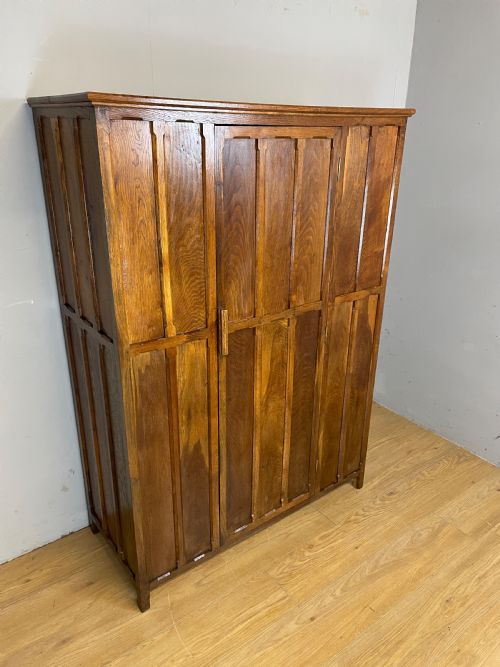
Warm Brown Oak Press
A warm brown oak press brings deep timber tone and centuries of storage history straight into a room.
Warm Brown Oak Press
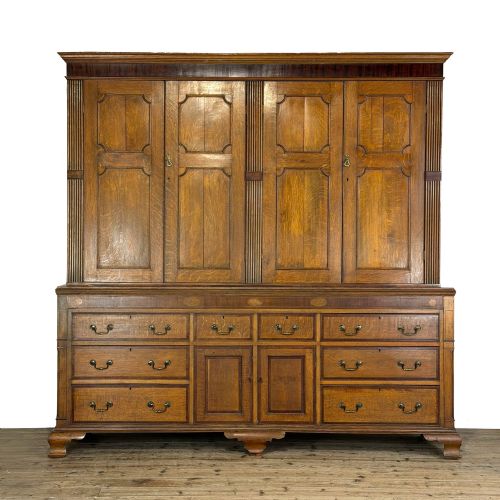
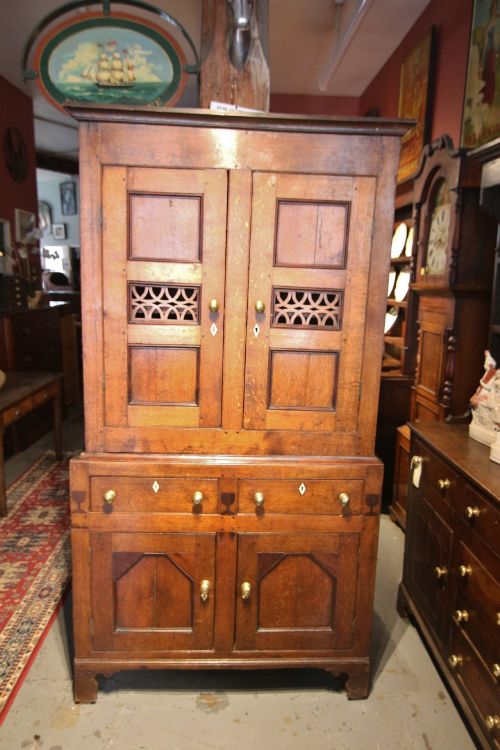
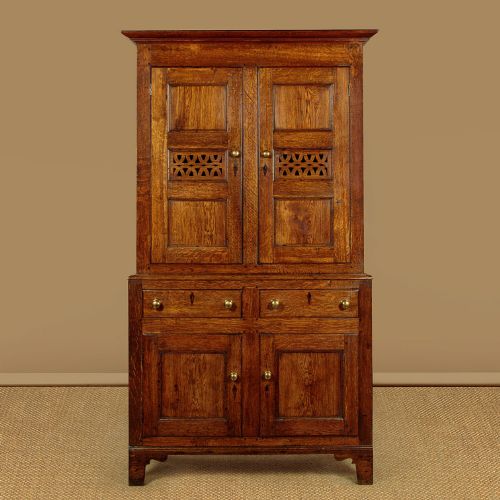
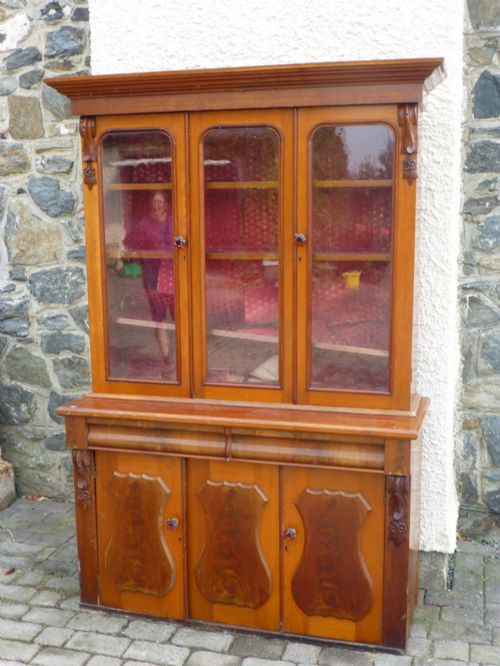
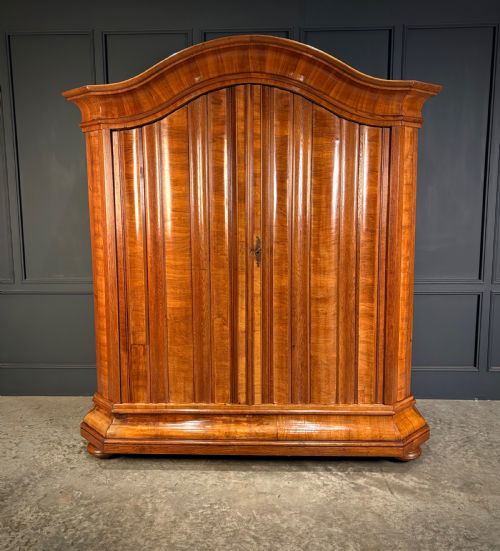
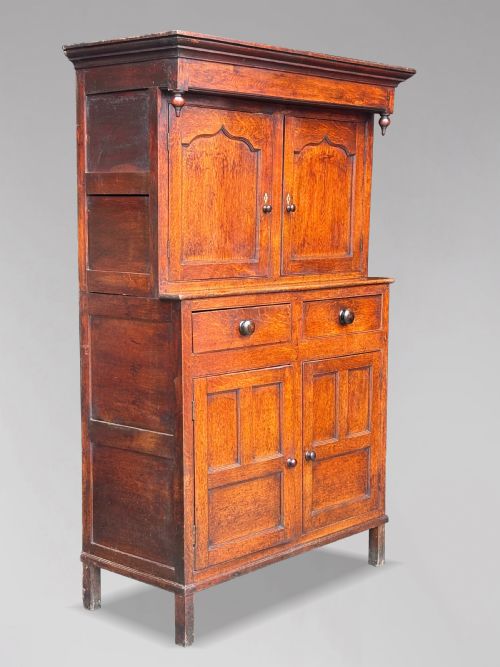
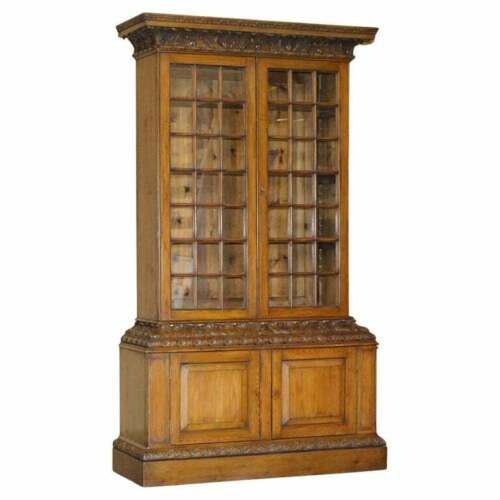
A warm brown oak press combines sturdy storage utility with rich grain patterns developed over generations of use. When searching for a warm brown oak press, buyers encounter robust vernacular pieces originating from Welsh, Georgian, and continental workshops.
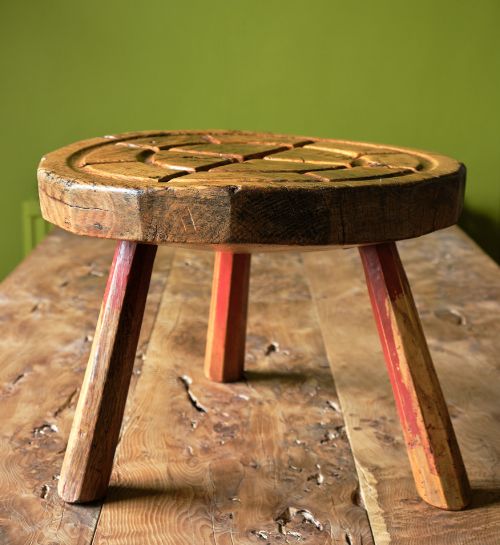
The selection ranges from tall food cupboards and housekeepers cabinets to low cricket tables featuring integrated press tops. Eighteenth and nineteenth-century examples dominate the offerings, displaying deep patination and honest timber construction.
Materials and construction
Makers relied primarily on solid oak supplemented by ash, mahogany, and walnut accents to build these heavy storage pieces. Iron and brass hardware such as hinges and escutcheons secured the heavy panel doors and drawers.
Traditional joinery techniques governed the assembly, utilising pegged mortise and tenon joints to withstand decades of domestic service. Occasional decorative touches included bone inlay and glass glazing panels on later or more elaborate urban iterations.
Warm Brown Oak Press Retail Price Guide 2026
Typical asking prices for warm brown oak press among the pieces listed under this phrase on Sellingantiques today, from the lower quarter to the upper quarter. They describe what is for sale here now, not the wider market.
Several cupboards are specifically built for storing bread and cheese, keeping midnight snacks safe from household mice.
Evaluating craftsmanship and condition
Quality reveals itself in the depth of the timber's surface patination and the tightness of the original panel joints. Superior examples maintain their primary structural integrity without excessive timber replacement or unsympathetic modern alterations.
Regional vernacular pieces demonstrate varied levels of refinement, ranging from rustic primitive country execution to sophisticated Georgian architectural detailing. The integration of secondary woods like mahogany or ash often signals a higher workshop ambition.
The Warm Brown Oak Press Glossary
- Vernacular
- Describing utilitarian objects built by local craftspeople using regional traditions rather than formal academic styles. These pieces prioritize practical domestic function over high-fashion ornament.
- Patina
- The lustrous surface sheen developed on timber through age, handling, and regular waxing. This deep coloration is prized by collectors for its authenticity.
- Court cupboard
- An antique enclosed storage piece featuring multiple tiers, often used for displaying plate or storing provisions. They represent an earlier form of domestic cabinetry.
- Cwpwrdd tridarn
- A traditional Welsh three-part stacking cupboard designed for storage and display. These regional pieces often bear specific regional construction traits.
Warm Brown Oak Press: Frequently Asked Questions
How do I clean a warm brown oak press?
Maintain the surface by applying natural beeswax sparingly and buffing gently with a soft cloth to nourish the historic timber.
Avoid modern liquid polishes containing silicone, which can penetrate open oak pores and degrade the existing patination over time.
What rooms suit a warm brown oak press?
These substantial storage pieces anchor dining rooms or large kitchens effectively, serving their traditional function as provision or linen stores.
Alternatively, they function well in spacious hallways or studies where deep timber tones add warmth and gravity to the interior scheme.
Are these cupboards difficult to move?
Many larger examples, such as housekeepers cupboards and armoires, feature heavy solid oak carcasses that require careful dismantling or professional transport.
Some regional variants, including certain Welsh dressers and three-part cupboards, utilise modular stacking sections that simplify relocation.
How can I tell the period of oak furniture?
Examine the tool marks, nail types, and construction methods visible on the interior boards and drawer linings.
Hand-cut joints and uneven board widths typically indicate eighteenth or nineteenth-century vernacular origins, whereas uniform machine milling suggests later production.