
Warm Brown Oak Drawers
These warm brown oak drawers bring dependable utility and rich timber tones to a room, spanning periods from the seventeenth century through to the Edwardian era.
Warm Brown Oak Drawers
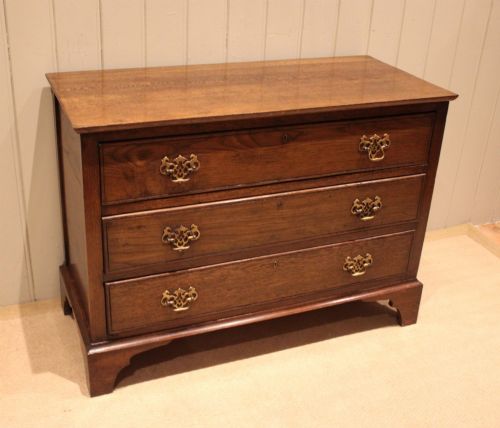
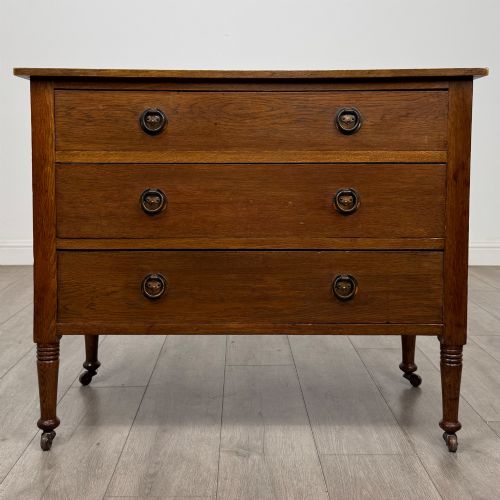
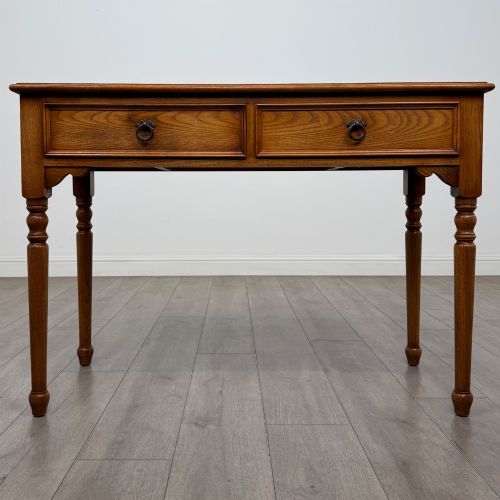
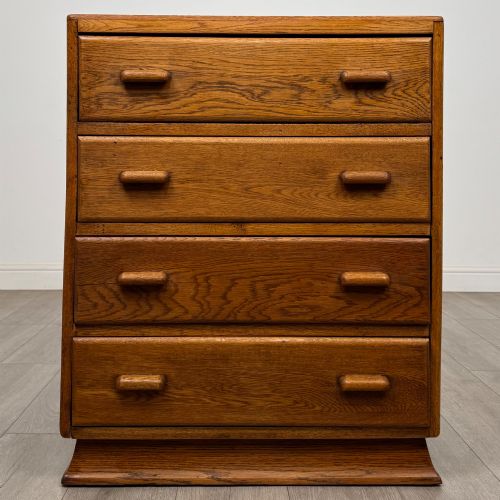
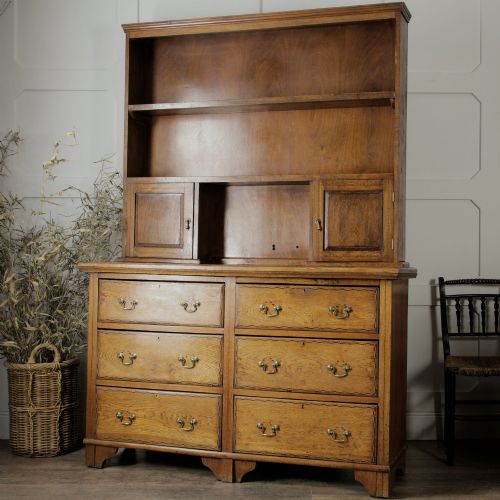
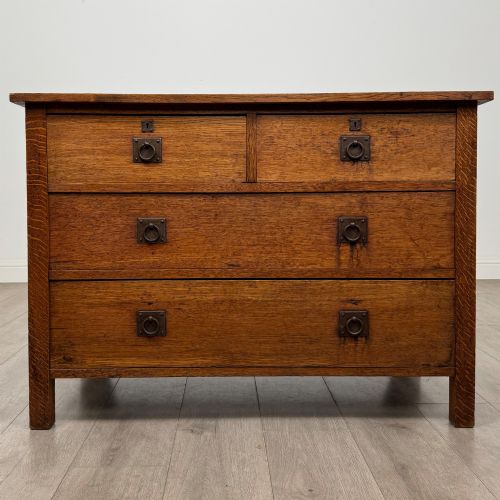
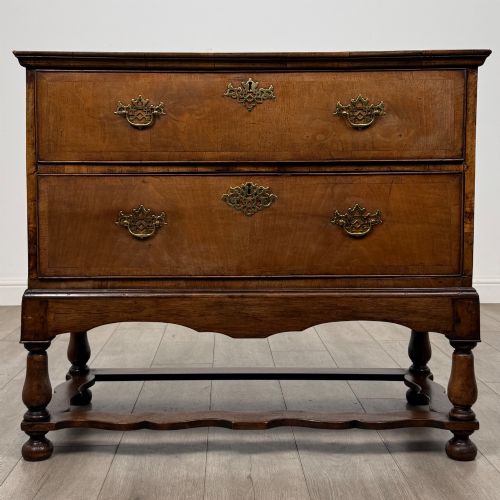
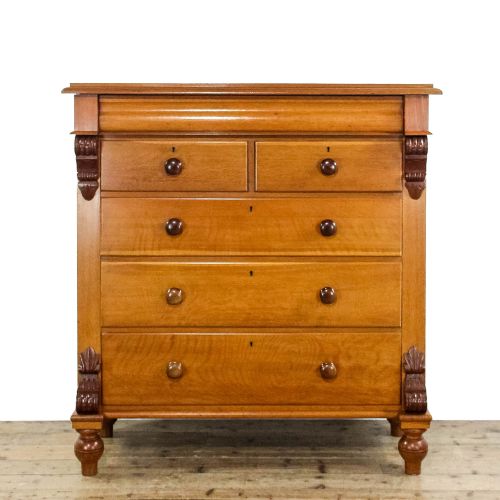
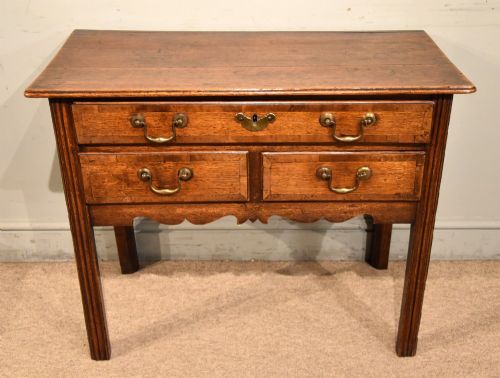
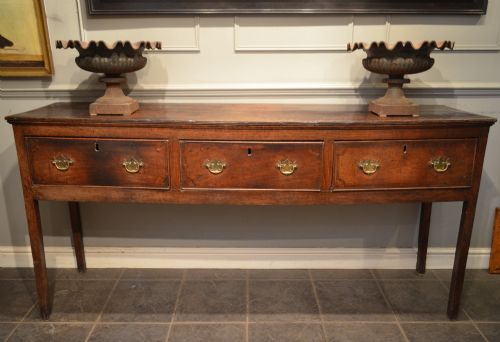
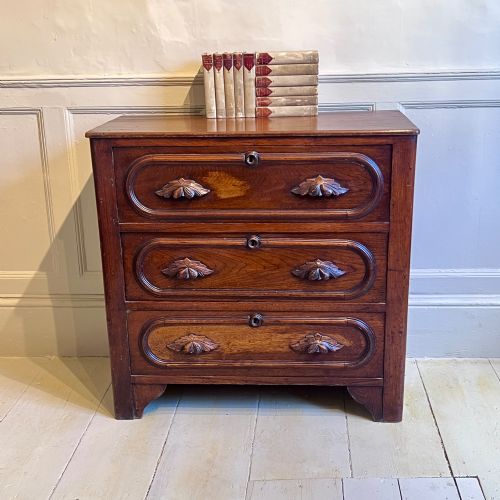
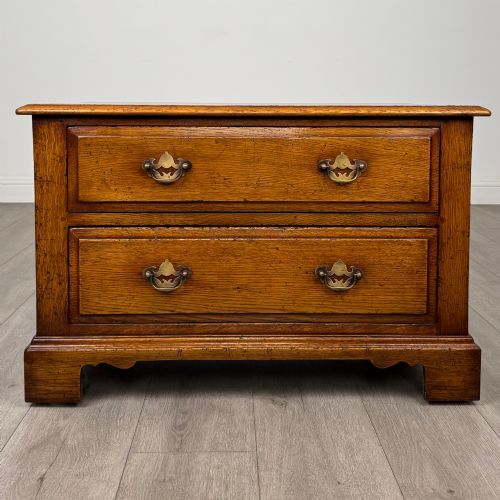
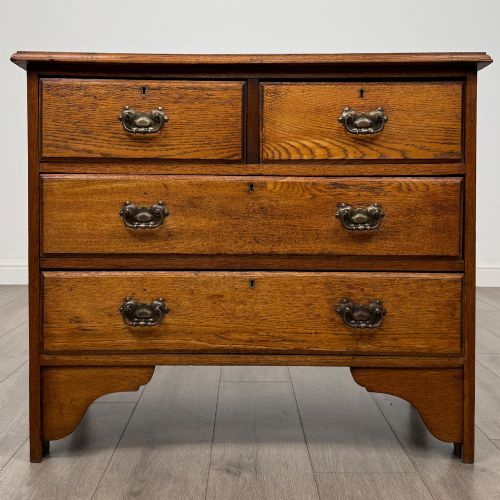
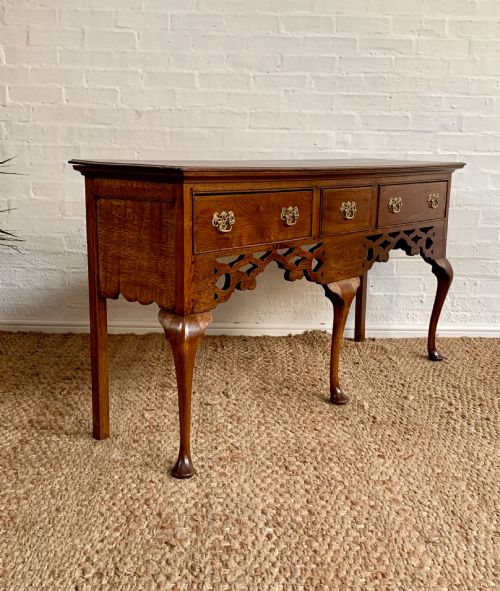
Warm brown oak drawers encompass chest of drawers forms, dresser bases, lowboys, and writing tables originating from British, continental, and American workshops. The selection leans heavily towards robust Georgian and Edwardian examples constructed for domestic storage and daily use.
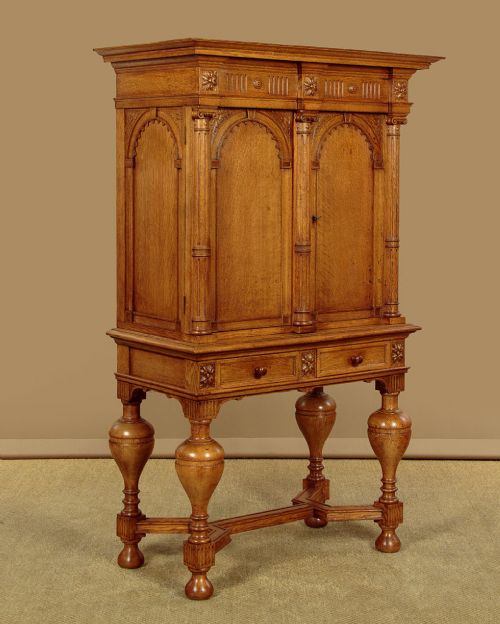
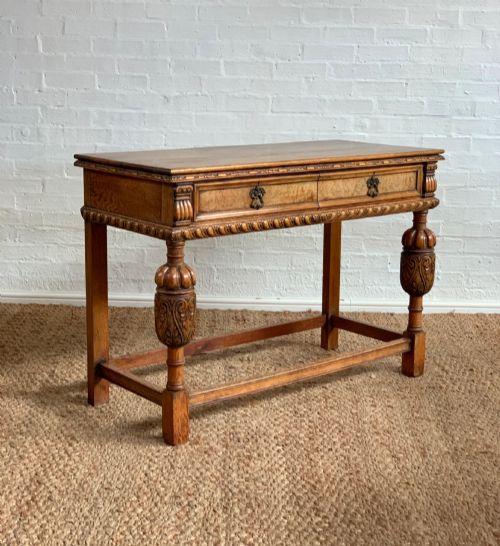
Buyers encounter provincial farmhouse tables, court cupboards, and side tables alongside traditional multi-drawer chests. These items display regional styles including Welsh country, French provincial, and Arts and Crafts designs.
The primary forms utilise solid timber or supportive secondary woods like pine and walnut, shaped into practical storage configurations with brass or iron hardware.
How they were made
Cabinet makers utilised solid oak alongside contrasting secondary timbers such as fruitwood, elm, and walnut to build these functional pieces. Joinery relied on traditional methods to stabilise heavy timber against seasonal movement.
Hardware details incorporate brass drop handles, escutcheons, and iron fittings secured to drawer fronts. Surfaces often display decorative crossbanding or feather banding to accent the natural grain.
Warm Brown Oak Drawers Retail Price Guide 2026
Typical asking prices for warm brown oak drawers among the pieces listed under this phrase on Sellingantiques today, from the lower quarter to the upper quarter. They describe what is for sale here now, not the wider market.
Secret drawers occasionally hide behind traditional cockbeading, waiting patiently for a new owner to discover them.
What varies in quality
Construction methods determine durability, separating simpler utilitarian items from finely proportioned cabinet work with intricate geometric moulding or crossbanding. The selection of timber grain and the crispness of carved details set individual pieces apart.
Original hardware and untouched surface patination elevate a piece's integrity. The harmony between structural timber and secondary woods reflects the original maker's standard of execution.
Beresford & Hicks London·Hubert Simpson of Kendal
The Warm Brown Oak Drawers Glossary
- Lowboy
- A small side table featuring one or more rows of drawers, typically raised on tall slender legs. These functional pieces served as dressing tables or auxiliary surfaces in eighteenth-century rooms.
- Crossbanding
- A narrow strip of veneer applied to the borders of drawer fronts or tabletops so that the grain runs at right angles to the main panel. This decorative technique frames the primary timber.
- Dresser base
- A low sideboard or cabinet featuring multiple drawers above cupboards or open space, traditionally used in country kitchens for food preparation and storage.
- Feather banding
- An inlay technique utilising veneer strips cut diagonally to form a herringbone pattern along drawer edges or tabletops. It adds linear definition to walnut and oak surfaces.
- Court cupboard
- A heavy enclosed storage piece from earlier centuries, featuring recessed upper sections supported by carved posts. These items provided secure storage for household linens and silver.
Warm Brown Oak Drawers: Frequently Asked Questions
How do I date an oak chest of drawers?
Examination of construction marks, timber selection, and drawer dovetailing reveals the period of manufacture. Earlier pieces show hand-cut joinery and signs of historical tool use.
Hardware styles and secondary woods like pine or fruitwood offer further clues to whether a piece belongs to the seventeenth, eighteenth, or Edwardian eras.
Where were lowboys used in the home?
These compact drawer tables functioned primarily as dressing tables in bedrooms or as side tables in reception rooms. Their modest proportions allowed them to fit into smaller spaces.
Today, they adapt easily as hallway consoles or writing desks in modern living layouts.
What is a dresser base used for now?
Dresser bases provide generous surface space and deep drawer storage suited for modern dining rooms or kitchens. They serve well as sideboards for serving food or displaying decorative ceramics.
The sturdy construction makes them practical for heavy daily use.
How should I care for antique oak surfaces?
Maintenance requires simple dusting with a dry cloth and occasional application of traditional beeswax to nourish the timber. Avoiding direct sunlight and sustained moisture preserves the original polish.
Gentle care ensures the warm brown tones and natural grain develop further character over time.