


Warm Brown Glass Cabinet
A warm brown glass cabinet brings rich timber tones and clear visibility to your collection, offering a practical home for display.
Warm Brown Glass Cabinet
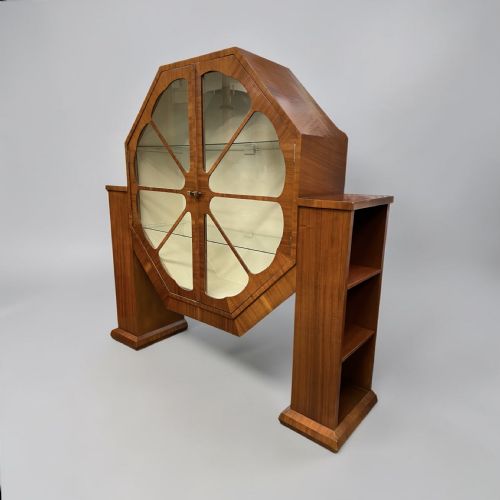
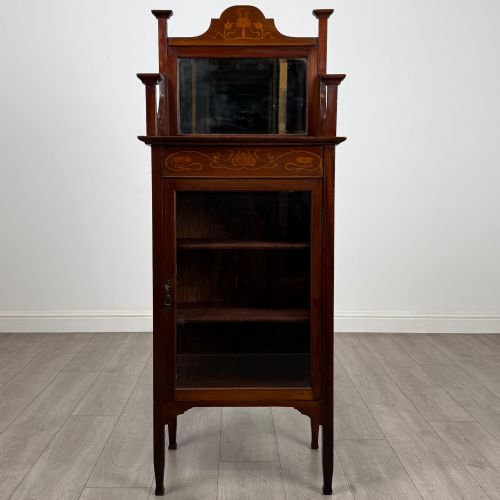
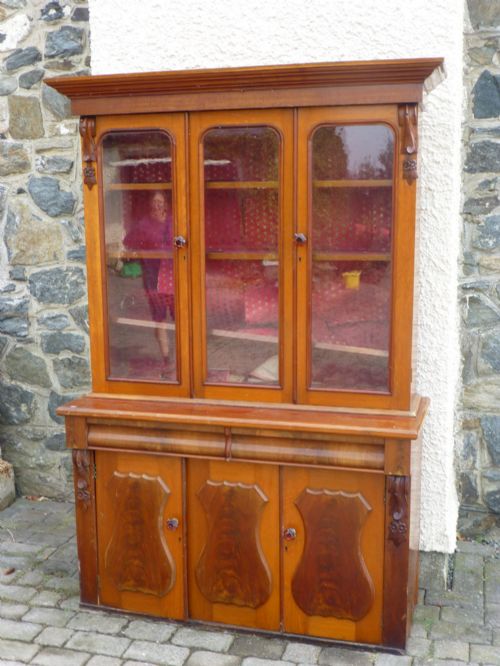
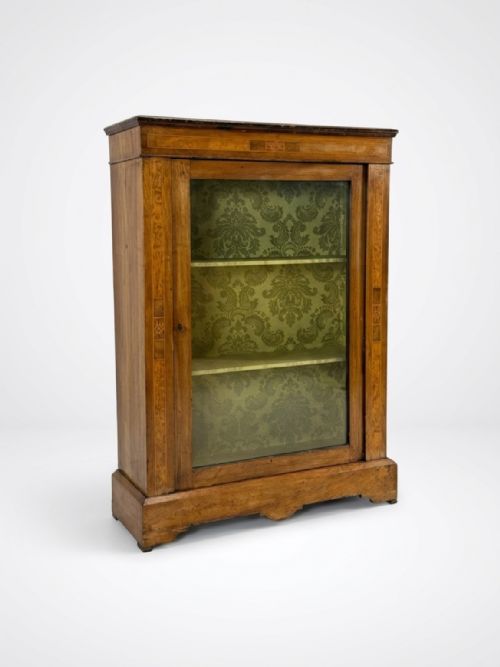
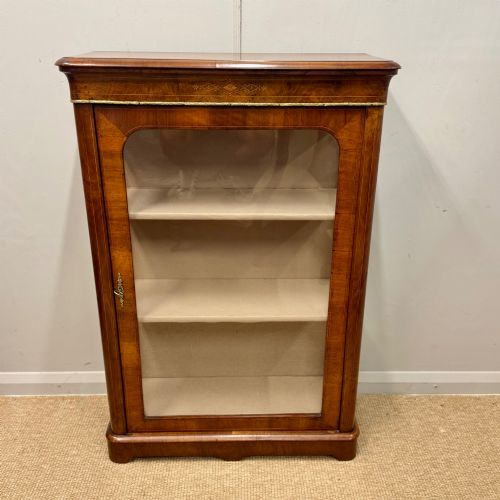
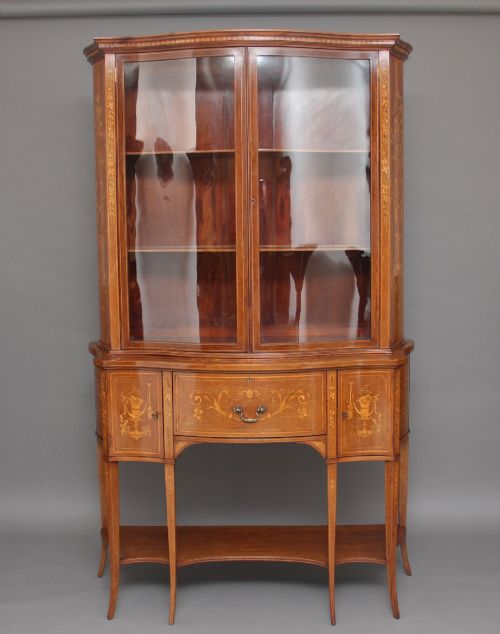
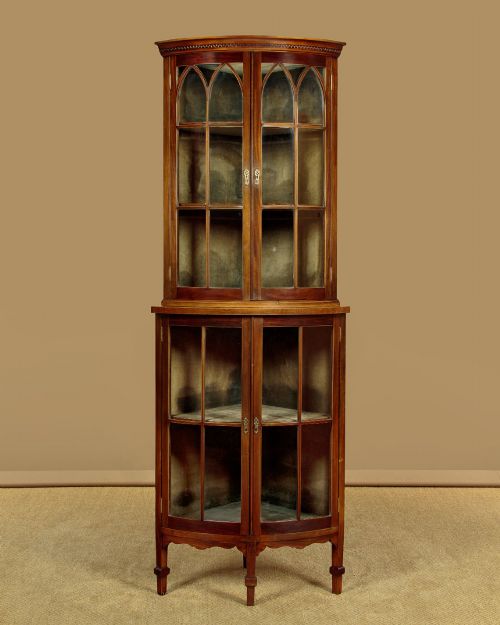
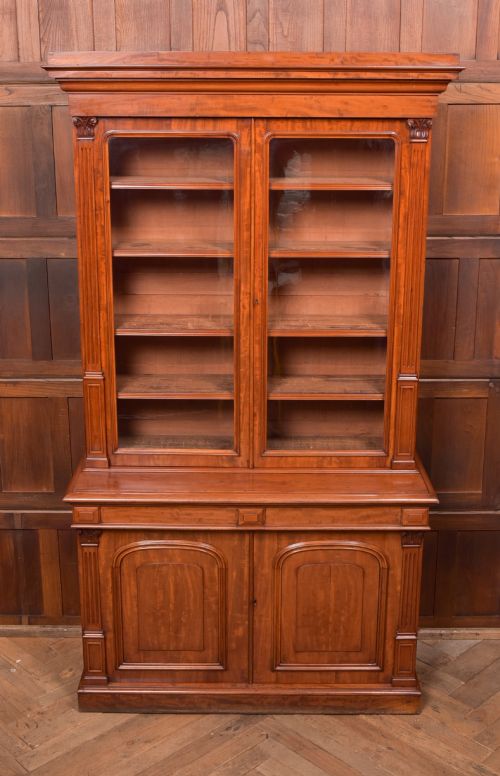
When you search for a warm brown glass cabinet, you encounter a selection of glazed display pieces, pier cabinets, and bookcases that highlight deep timber surfaces. These items originate from various periods including the nineteenth century, Edwardian era, and the nineteen-thirties, spanning styles from Victorian and Art Deco to Sheraton Revival and Arts and Crafts.
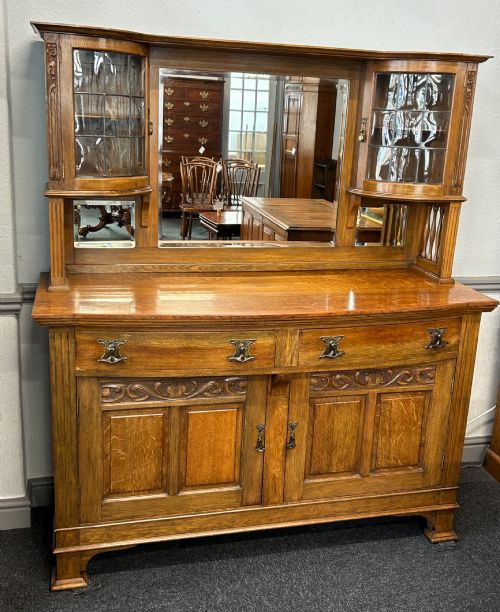
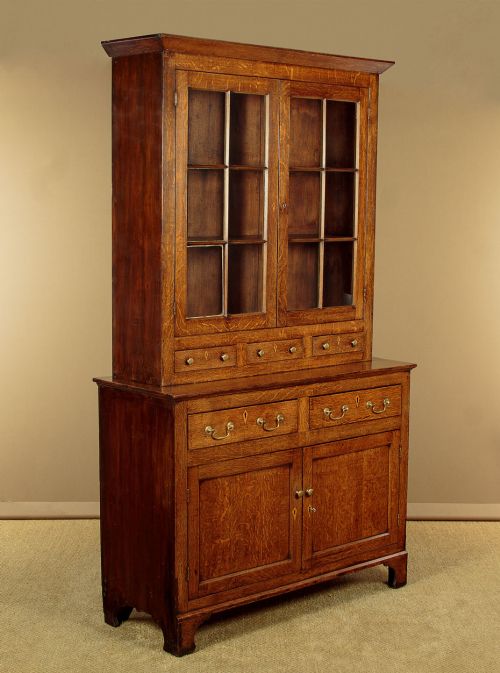
These storage items serve multiple domestic functions, operating as bookcase cabinets, kitchen dresser cupboards, and shop display units. Their forms range from tall freestanding corner units and pier cabinets to low console arrangements and sideboards with mirror backs.
Materials and construction
Cabinet makers utilised dense, richly figured timbers such as mahogany, walnut, and oak as the structural foundation for these pieces. Satinwood and boxwood frequently appear as contrasting veneers and marquetry details, adding linear framing and intricate ornamentation to the primary wood.
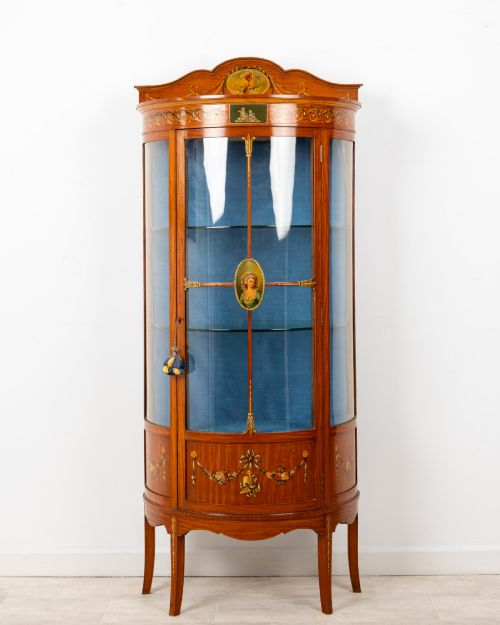
Glazing forms the central visual element of the doors and sides, held securely by wooden framework or brass mounts. Ormolu mounts, fabric linings, and mirrored backs are incorporated into finer examples to enhance the interior reflection and overall presentation of displayed items.
Periods represented span from the Georgian era and nineteenth century through Victorian, Edwardian, and Art Deco styles.
Measures of quality
The distinction between standard utility storage and a finer display piece rests heavily on the selection of timber grain and the precision of the inlay work. Burr walnut figures, delicate boxwood marquetry, and painted satinwood panels demonstrate a higher tier of craftsmanship than plain, unadorned surfaces.
Structural refinement also defines the better examples, seen in the proportion of the glazing bars, the quality of the brass fittings, and the seamless integration of ormolu mounts. The harmony between the timber's warm brown hue and the secondary decorative elements separates ordinary production from exceptional cabinet work.
Epstein·C Hindley and Sons
The Warm Brown Glass Cabinet Glossary
- Pier cabinet
- A low cabinet designed specifically to fit the wall space between windows. These pieces often feature single glazed doors and inlaid walnut or mahogany surfaces.
- Vitrine
- A glass-sided display cabinet intended for the presentation of porcelain, curiosities, and small decorative objects. They frequently incorporate satinwood or mahogany frames.
- Marquetry
- Decorative patterns formed by the insertion of contrasting veneers into a primary wood surface. Craftsmen utilise boxwood and various exotic timbers to create floral or geometric motifs.
- Credenza
- A fine side cabinet originating from formal dining and reception rooms. These items often combine glazed and panelled doors with rich walnut construction.
- Haberdashery cabinet
- A utility storage unit fitted with multiple glass or wooden drawers. Originally used in shops for merchandising, they translate into practical domestic furniture.
Warm Brown Glass Cabinet: Frequently Asked Questions
What is a warm brown glass cabinet used for?
These cabinets serve as functional storage and display furniture for books, ceramics, and prized possessions. The glazed doors keep dust away while allowing visibility.
In living spaces or dining rooms, they bring warmth from timber surfaces like walnut and mahogany while organising household collections.
How do I date a wooden display cabinet?
Dating relies on observing the prevailing style, construction methods, and timber choice. Victorian and Edwardian pieces often feature heavy walnut or inlaid mahogany, while Art Deco items display cleaner geometric lines.
Details such as boxwood marquetry, brass hardware, and the type of glass help narrow down the period of manufacture.
Where should I place a pier cabinet?
A pier cabinet is traditionally built to occupy the narrow wall space situated between two windows. Their compact footprint makes them suitable for smaller rooms.
They also work well against any flat wall where you need narrow shelving and a glazed display front without blocking light.
What is the difference between a vitrine and a bookcase?
A vitrine prioritises visibility with glass panels on the sides as well as the doors, designed purely for decorative display. Bookcases focus on shelving capacity for books and papers.
Many antique pieces blur this distinction by combining glazed upper bookcase sections with wooden cupboards below.