


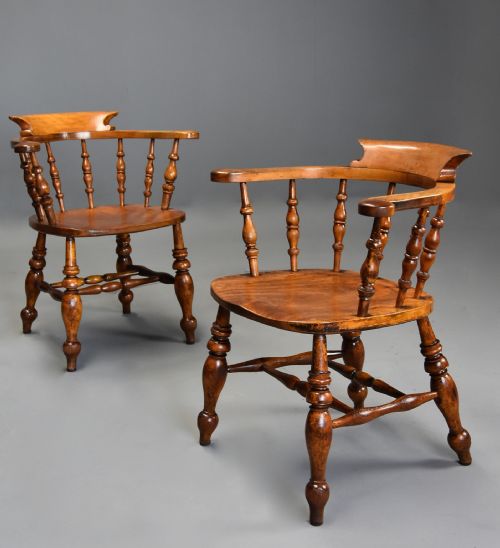
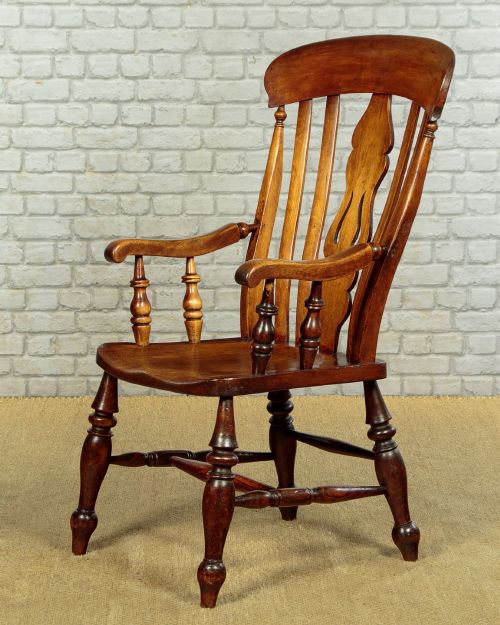
Warm Brown Country Chair
A warm brown country chair brings vernacular timber and honest domestic seating into daily use.
Warm Brown Country Chair
A warm brown country chair encompasses vernacular seating designed for utility and comfort in domestic interiors across the eighteenth, nineteenth and early twentieth centuries. These pieces emerge in regional variations spanning Georgian, Regency and Victorian periods, reflecting local woodland timbers and traditional joinery.
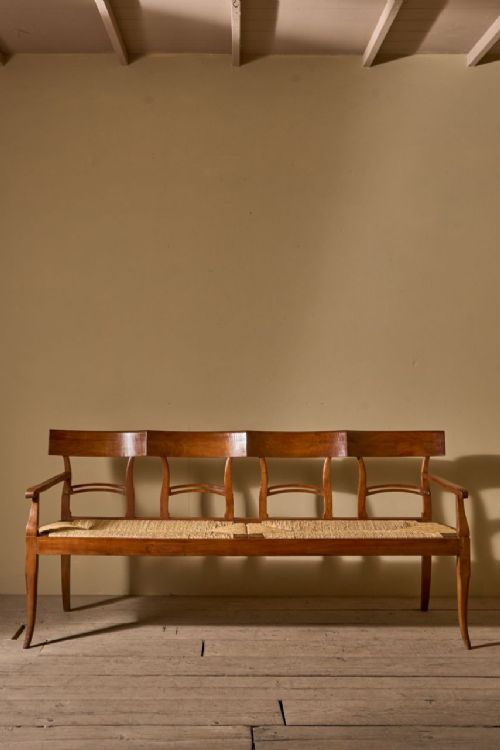
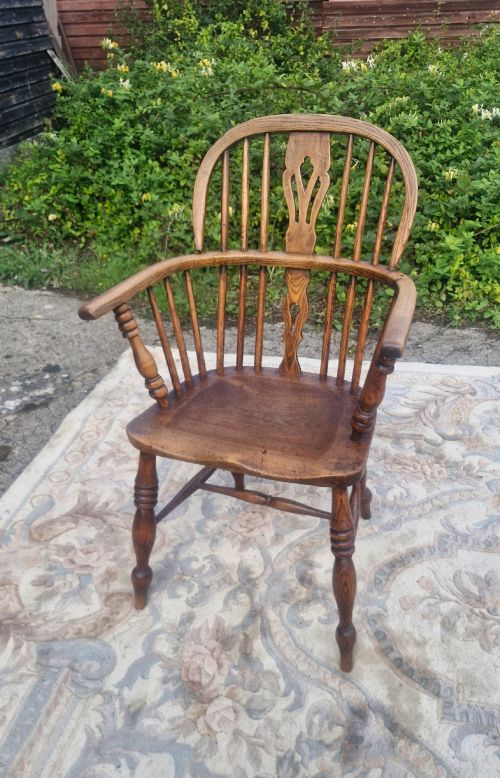
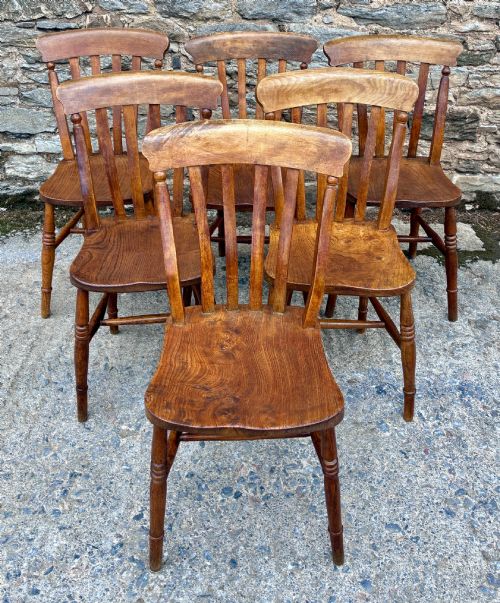
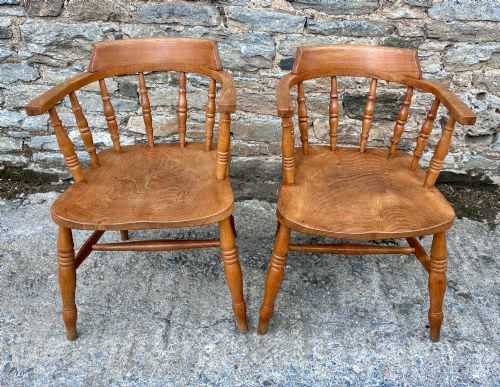
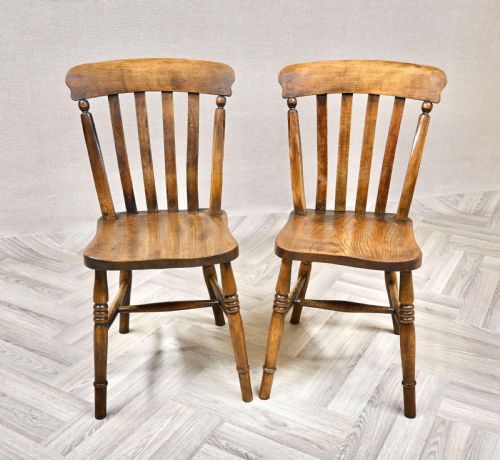
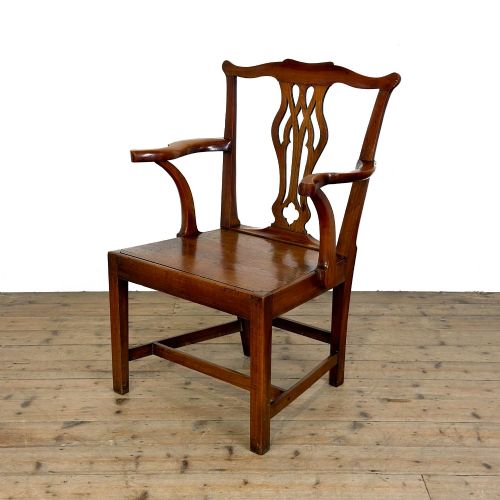
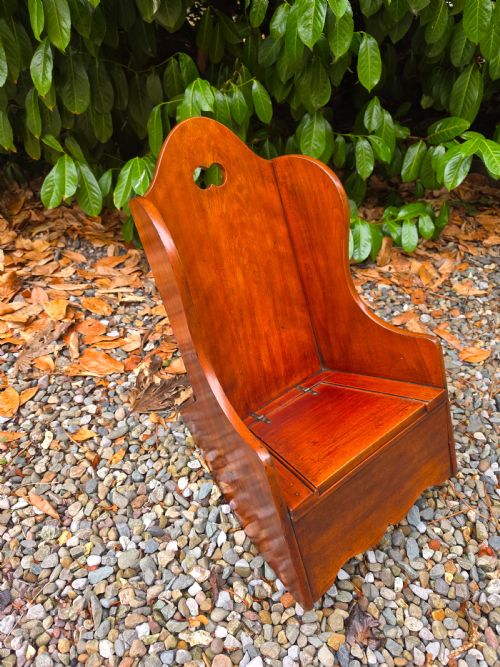
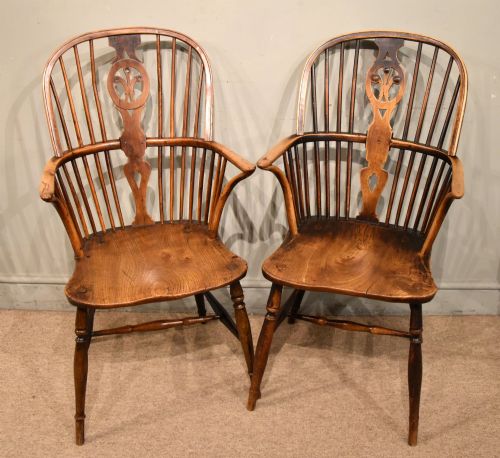
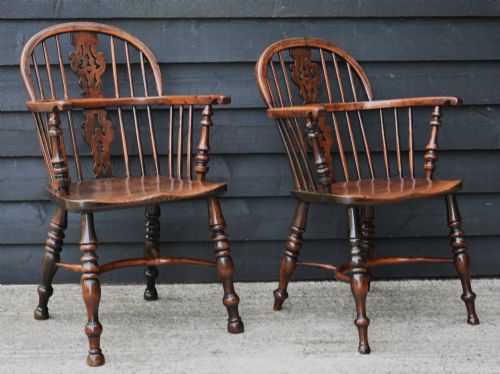
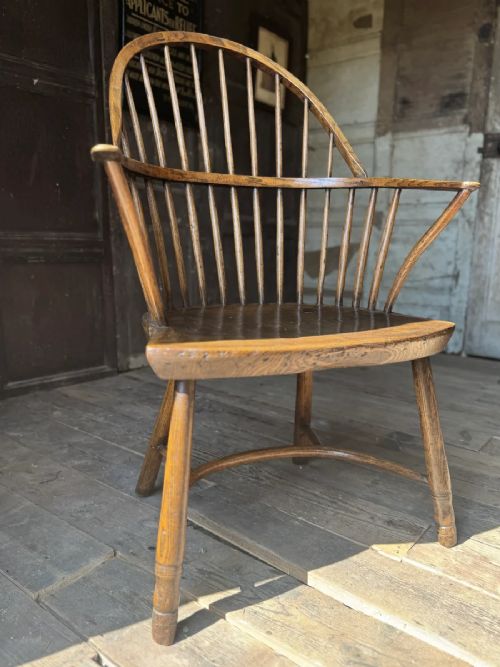
Buyers most frequently encounter Windsor armchairs, spindle backs and kitchen dining chairs constructed with sculpted seats and turned legs. The selection also includes low backs, high backs, comb backs and captain chairs alongside occasional child variants, benches and rockers.
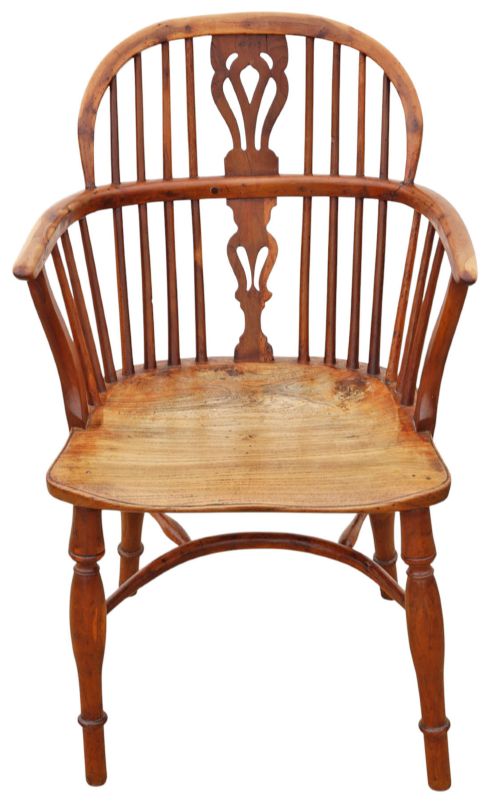
The aesthetic relies upon natural timber tones developed through decades of domestic handling rather than applied finishes. Forms range from simple stick back side chairs to expansive crinoline stretcher armchairs featuring yew and elm construction.
Materials and construction
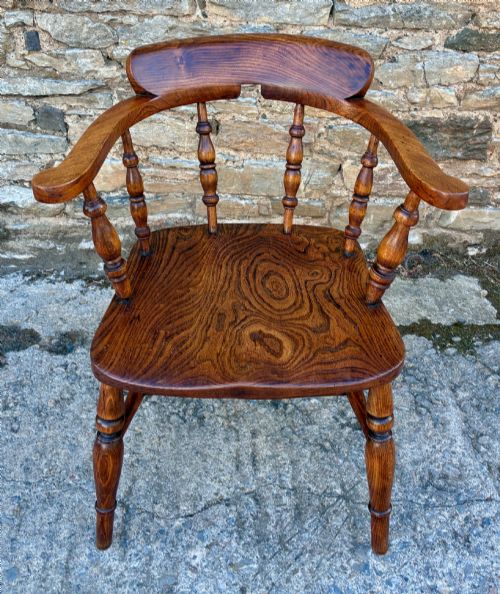
Makers utilised native hardwoods selected for specific structural properties, pairing elm seats with ash, beech, fruitwood or yew for spindles and bending parts. Elm provides a tough, interlocked grain that resists splitting when bored for legs and arm supports.
Stick and hoop components rely on steam bending to achieve curved crest rails and bow backs. Frameworks utilise wedged tenon joints and traditional pegging without reliance on modern adhesives.
Surfaces receive minimal intervention, depending on waxing and continuous friction to develop deep patination over generations. Rush seating appears on select vernacular benches and chairs alongside solid timber boards.
Several armchairs incorporate crinoline stretchers designed to keep feet clear of damp stone floors.
Judging the standard
Quality rests primarily in the harmony of proportions, the clarity of turning on legs and stretchers, and the depth of natural patination on the timber. Superior examples display crisp spindle profiling and balanced hoop arches shaped by experienced regional makers.
The integrity of the timber selection dictates longevity, with dense yew wood and well-figured elm commanding greater appreciation than utility pine or plain beech. Original wedged joints and minimal replacement components maintain the historical coherence of the piece.
The Warm Brown Country Chair Glossary
- Windsor chair
- A chair built with a solid wooden seat into which the legs and back spindles are inserted directly. This construction method allows individual components to be replaced while maintaining a rigid frame.
- Crinoline stretcher
- An arched or bowed stretcher connecting the legs of a chair to provide lateral stability. It derives its name from its fancied resemblance to the curved hoops of Victorian crinoline skirts.
- Comb back
- A Windsor chair variation where the vertical spindles extend upward to support a horizontal headrest resembling a hair comb. This regional style appeared frequently during the eighteenth century.
- Patina
- The surface sheen and warm tonal variation developed on wood through decades of handling, cleaning and waxing. It indicates age and careful domestic use over generations.
- Smokers bow
- A low-backed Windsor armchair designed with a continuous curved arm rail intended for relaxed seating in domestic or tavern settings. They often feature generous elm seats and turned spindle supports.
Warm Brown Country Chair: Frequently Asked Questions
What is a Windsor chair?
A Windsor chair is a form of seating where the legs and back stick components are fitted directly into a thick sculpted wooden seat rather than an independent frame.
This method distributes weight effectively and provides sturdy vernacular construction suited to everyday domestic life.
How do I care for antique elm and ash?
Maintain the timber by applying traditional beeswax sparingly and buffing gently with a soft cloth to preserve the natural surface sheen.
Keep wooden seating away from direct heat sources and sudden humidity shifts to prevent the natural timber from splitting or drying out.
How can I tell the period of a country chair?
Dating relies upon observing construction details, tool marks, turning styles and the species of timber employed across different eras. Eighteenth-century models often feature comb backs and crinoline stretchers, while later Victorian versions utilise steam-bent hoops and varied spindle arrangements.
Examine the underside of the seat for hand-augered holes and traditional wedged joinery that signal vernacular workshop methods.
Where were these chairs made?
Country chairs were produced by regional bodgers and village carpenters operating near woodland sources across rural Britain, including the West Country and Welsh districts.
These makers utilised locally felled hardwoods such as elm, beech, ash and yew available in their immediate surrounding landscape.