


Warm Brown Buffet
A warm brown buffet brings deep timber tones and practical dining storage into a room, offering surface space for serving and deep cupboards for tableware.
Warm Brown Buffet
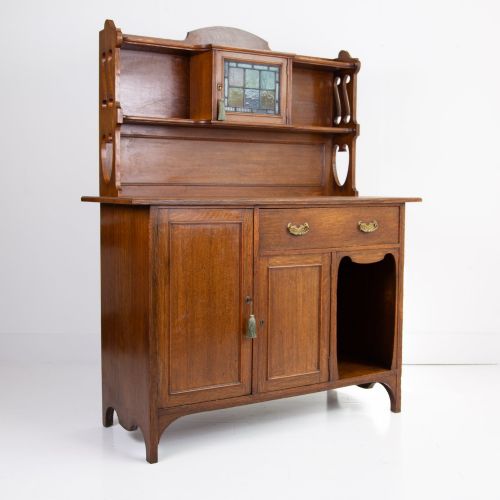
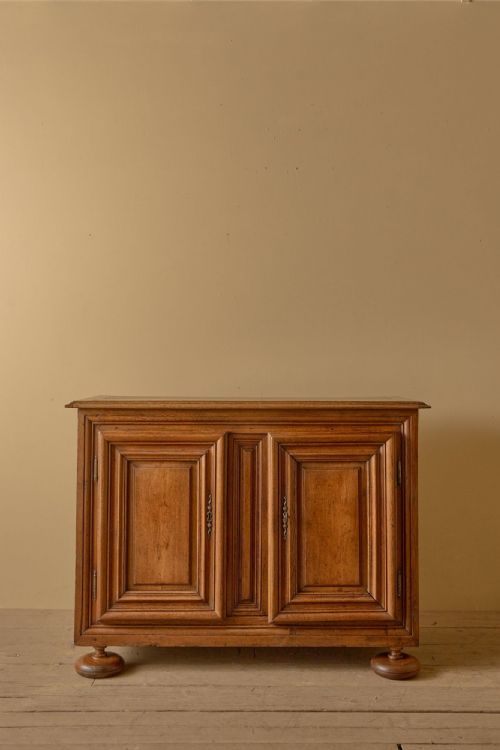
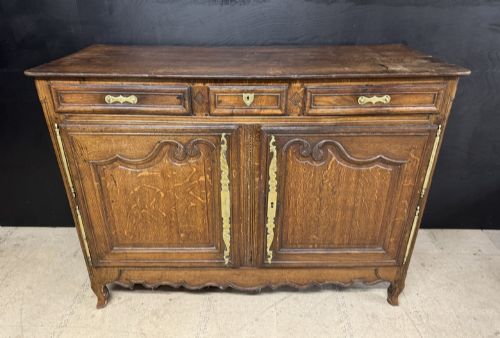
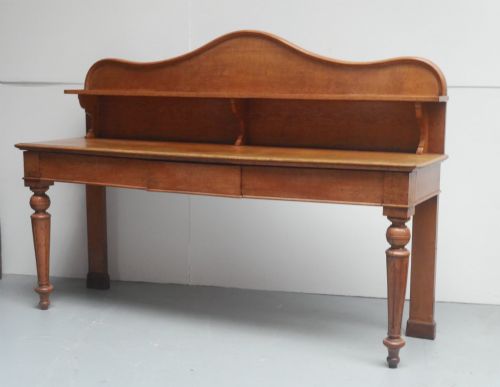
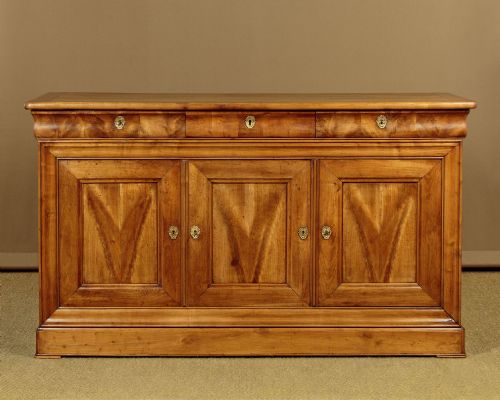
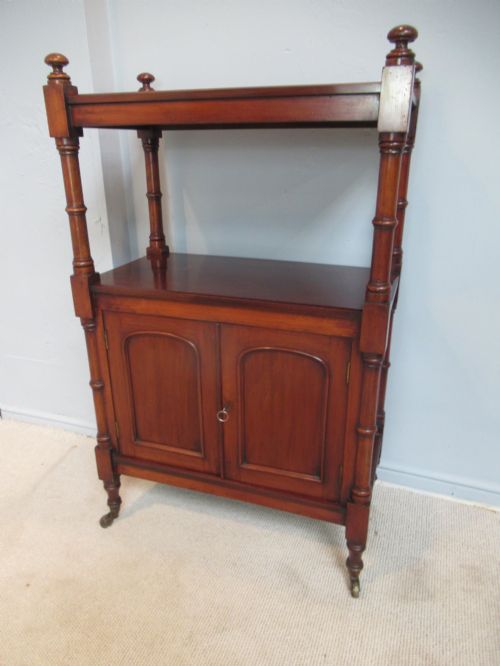
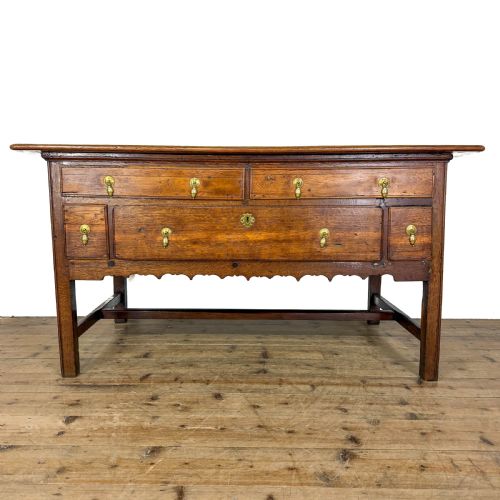
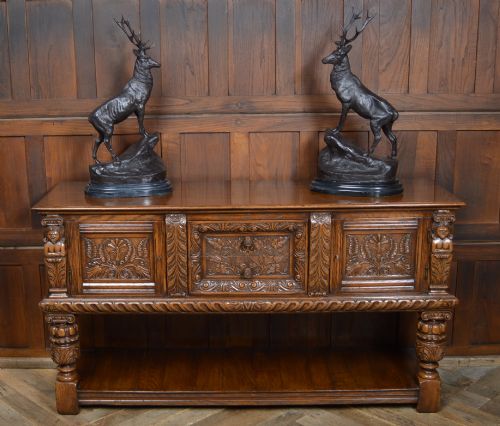
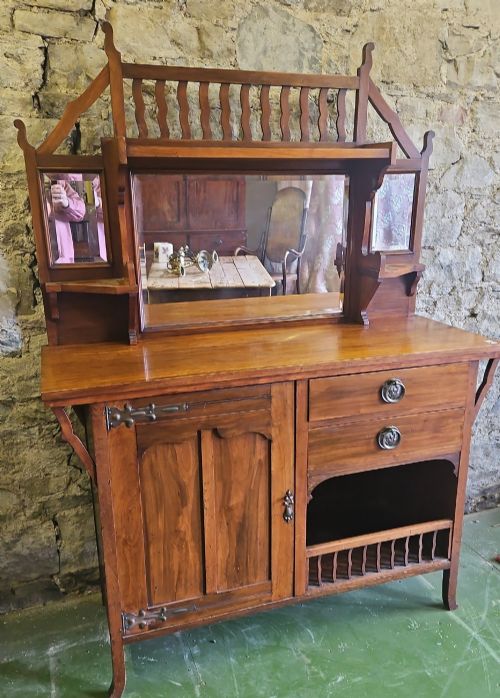
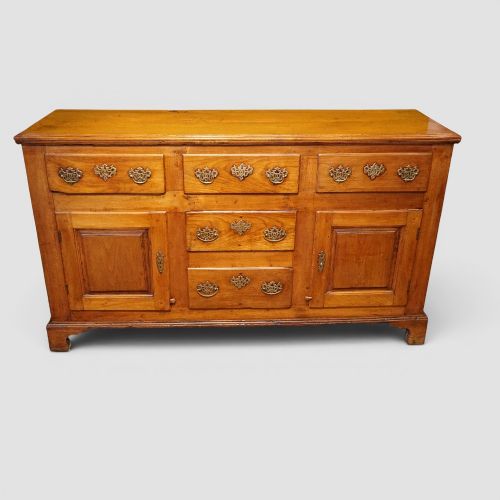
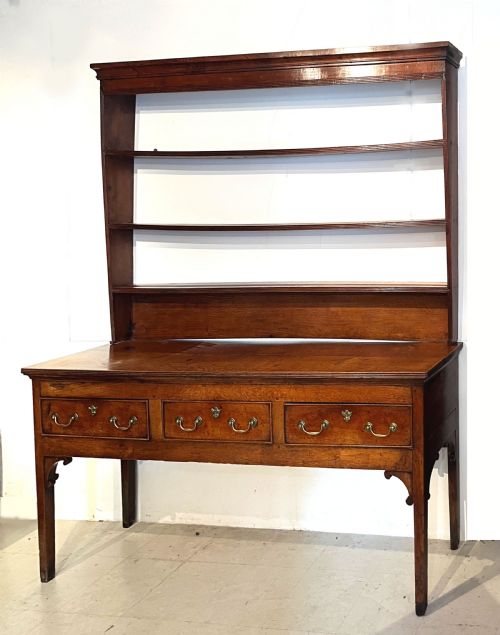
When you search for a warm brown buffet, you encounter a selection of antique sideboards, dresser bases, enfilades, and serving tables. These timber pieces originate from the eighteenth and nineteenth centuries through to the early twentieth century, spanning Georgian, Victorian, Edwardian, and French provincial periods.
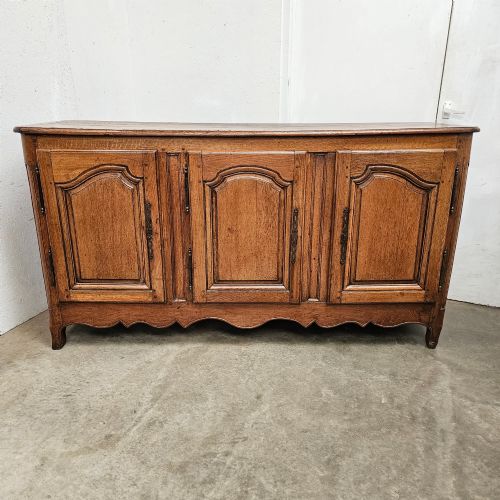
The version you are most likely to meet on this page is constructed from solid oak or mahogany, often taking the form of a low dresser base or a three-door enfilade. They serve dining rooms, hallways, and living spaces with generous top surfaces and concealed storage compartments.
How they were made
Cabinet makers utilised dense hardwoods such as oak, mahogany, walnut, and cherrywood to build durable dining furniture. Timber boards were joined using traditional methods and finished with brass hardware, glass panels, or iron fittings.
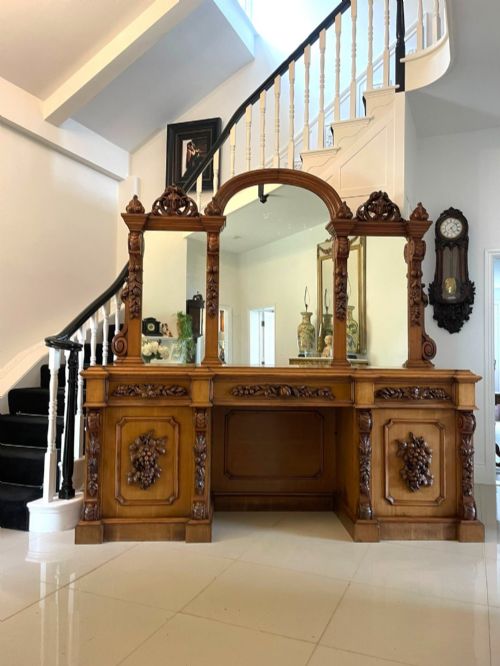
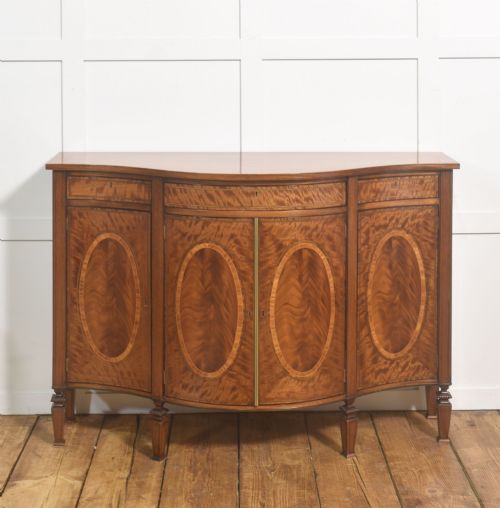
Surfaces received careful planing and polishing to highlight natural grain patterns, ranging from plain fruitwood to burr walnut marquetry. Decorative touches included inlaid satinwood, carved panels, and tiered shelving.
Warm Brown Buffet Retail Price Guide 2026
Typical asking prices for warm brown buffet among the pieces listed under this phrase on Sellingantiques today, from the lower quarter to the upper quarter. They describe what is for sale here now, not the wider market.
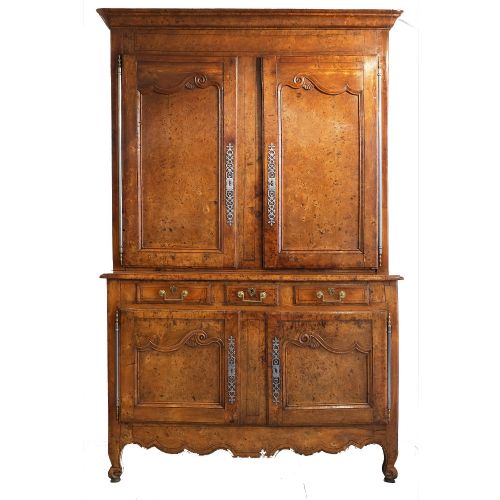
Listings feature eighteenth-century French provincial oak sacristy cabinets described specifically as low buffets for kitchens or living dining rooms.
What varies in quality
The distinction between tiers rests upon timber selection and the skill of the cabinet maker. Pieces displaying figured burr walnut, burr oak, or finely matched mahogany veneers command attention for their visual depth.
Construction integrity defines the upper range, evident in smooth drawer runners, tightly fitted joints, and original brass handles. Pieces bearing maker stamps or workshop labels demonstrate documented craftsmanship from firms such as Maple and Co or Hamptons of Pall Mall.
Hamptons of Pall Mall London·Maple and Co·T Simpson and Son
The Warm Brown Buffet Glossary
- Enfilade
- A long sideboard or buffet featuring a sequence of doors, originating in French dining architecture. It provides extensive surface and internal capacity.
- Dresser base
- A lower storage unit without upper shelving racks, often fitted with drawers and cupboards. It functions as a primary serving sideboard.
- Pot board
- An open lower shelf built into a dresser base or sideboard. Historically, it held heavy pots and serving dishes.
- Marquetry
- Decorative veneer patterns formed by fitting small pieces of wood together. It creates intricate geometric or floral designs on cabinet doors.
- Dumb waiter
- A tiered serving stand or small sideboard with multiple levels. It assists with holding dishes during dining.
Warm Brown Buffet: Frequently Asked Questions
What is a warm brown buffet used for?
These pieces provide essential storage for dining rooms and living areas, holding plates, cutlery, and glassware behind sturdy timber doors.
The broad top surface also acts as a convenient station for serving food and displaying decorative objects during gatherings.
How do I care for antique timber?
Keep wooden furniture away from direct heat sources and sudden temperature changes to prevent the timber from splitting or warping.
Apply a natural wax polish occasionally to nourish the grain and maintain a soft, protective sheen on the surface.
How do I tell Georgian from Victorian pieces?
Georgian furniture typically displays cleaner lines with restrained classical proportions, often utilising mahogany or fruitwood.
Victorian pieces frequently feature heavier proportions, darker finishes, and more elaborate carved decorations or tiger oak graining.
What is a French enfilade?
An enfilade is a long cabinet style originating in France, characterised by a series of three or more doors along the front.
These low buffets were designed for country houses and formal dining rooms to store heavy kitchen and dining provisions.