

Walnut Wall Carving
Walnut wall carving brings warmth and depth to an interior, covering everything from mirrors and clock cases to brackets and panels.
Walnut Wall Carving
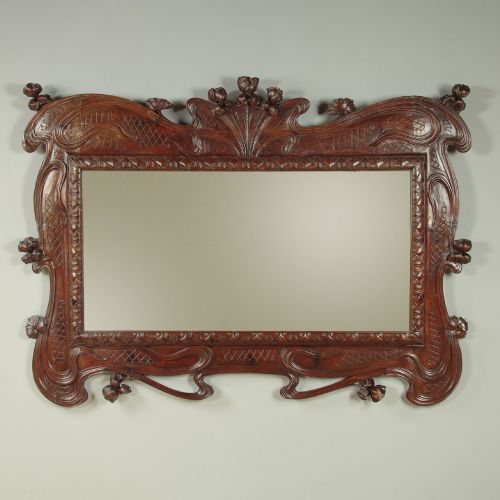
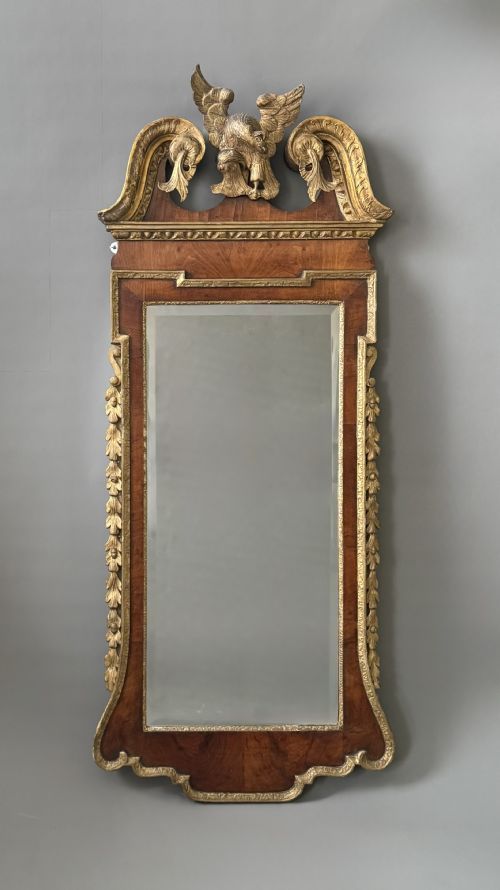
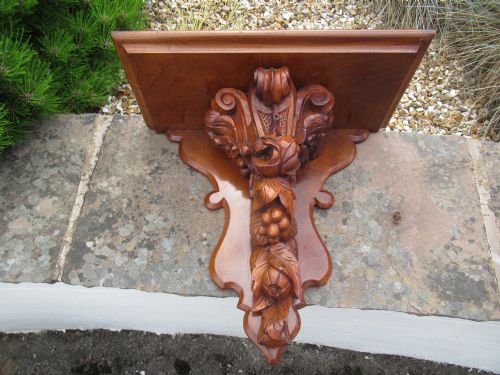
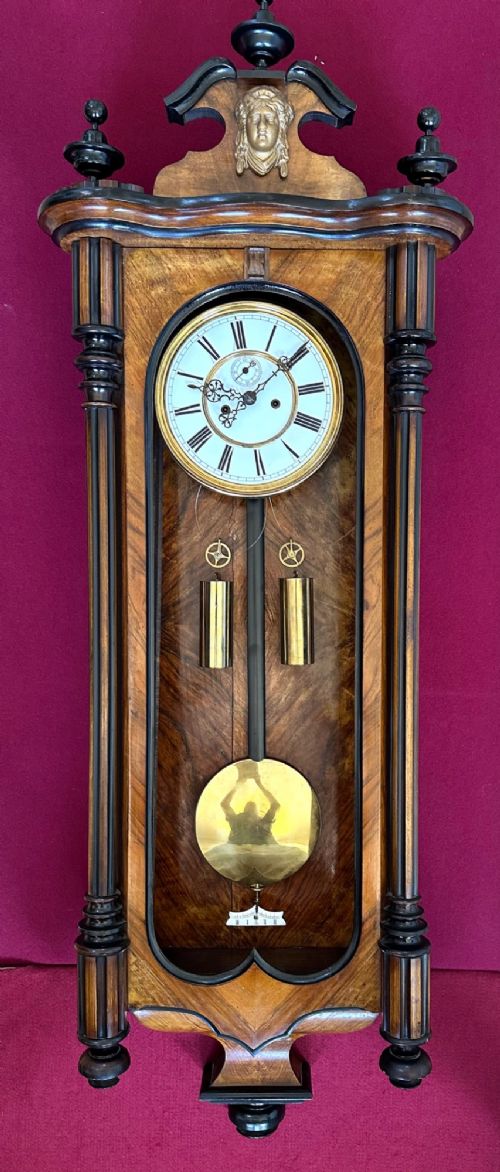
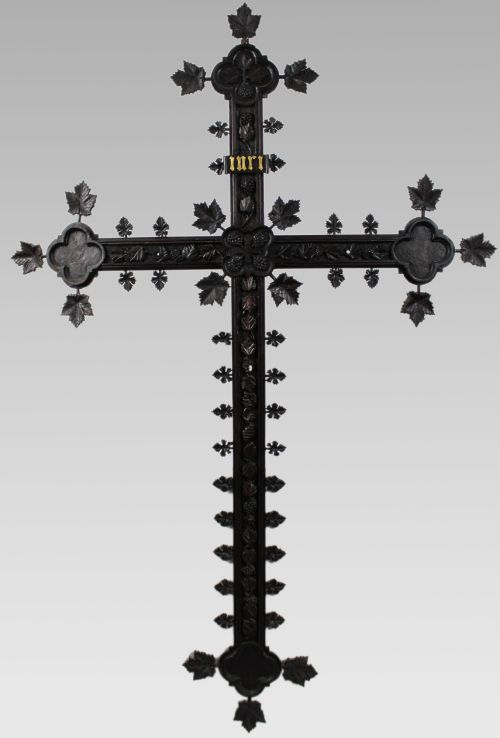
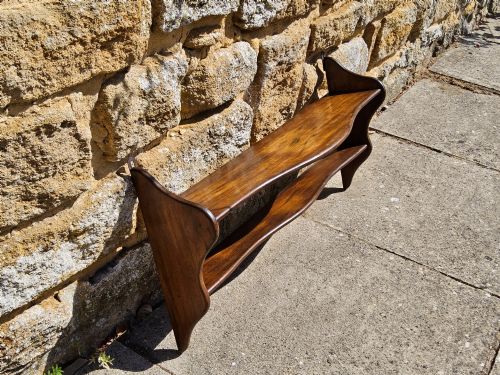
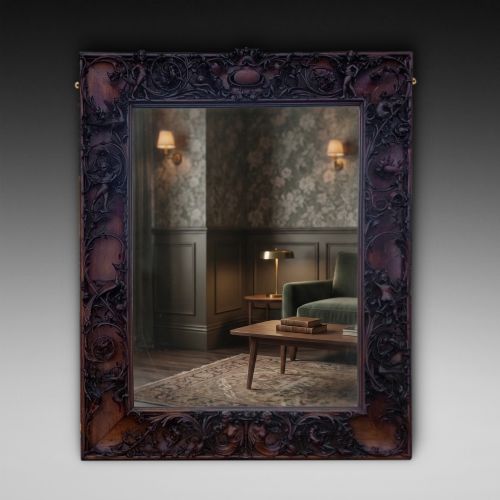
When you search for walnut wall carving, you encounter a diverse group of wooden objects intended to be mounted or hung, ranging from decorative display brackets and architectural panels to ornate mirrors and timepieces. These pieces span several centuries, with the Victorian era and the nineteenth century heavily represented alongside Georgian and later revival periods.
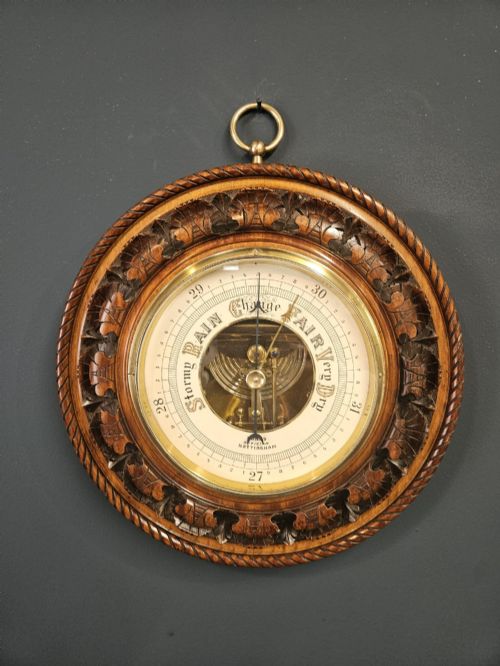
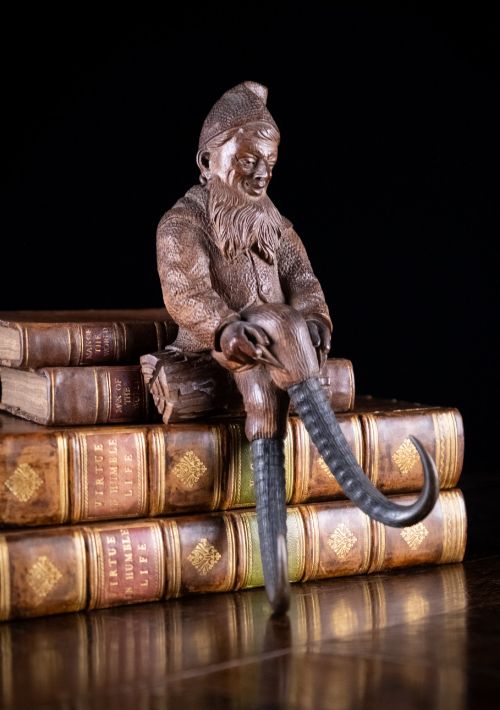
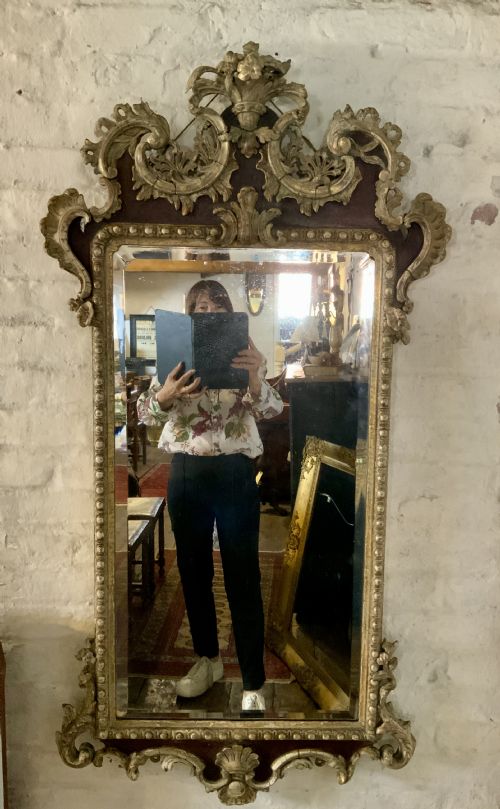
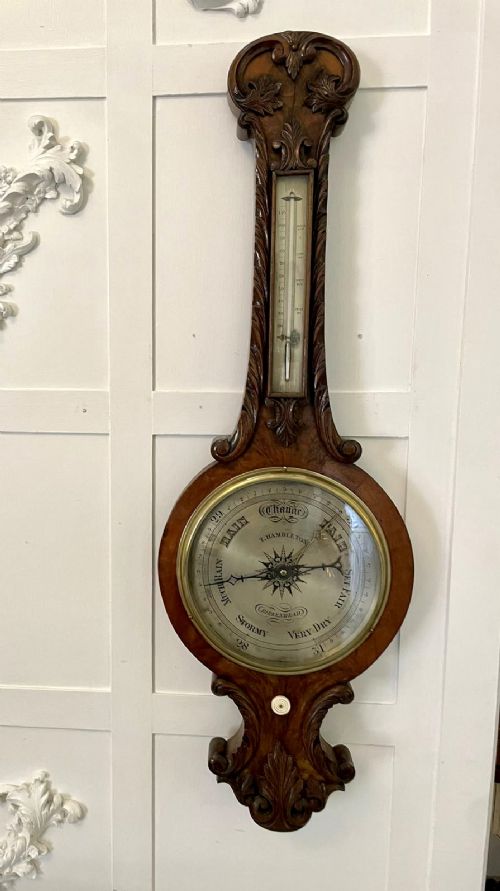
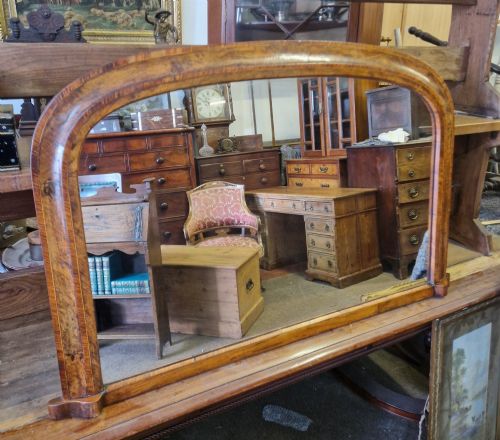
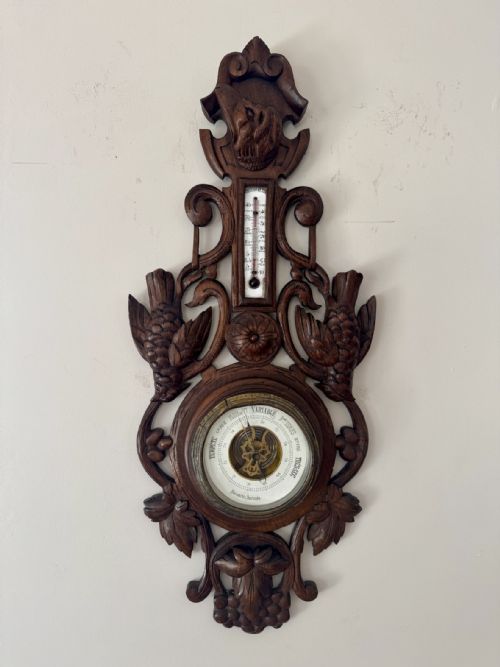
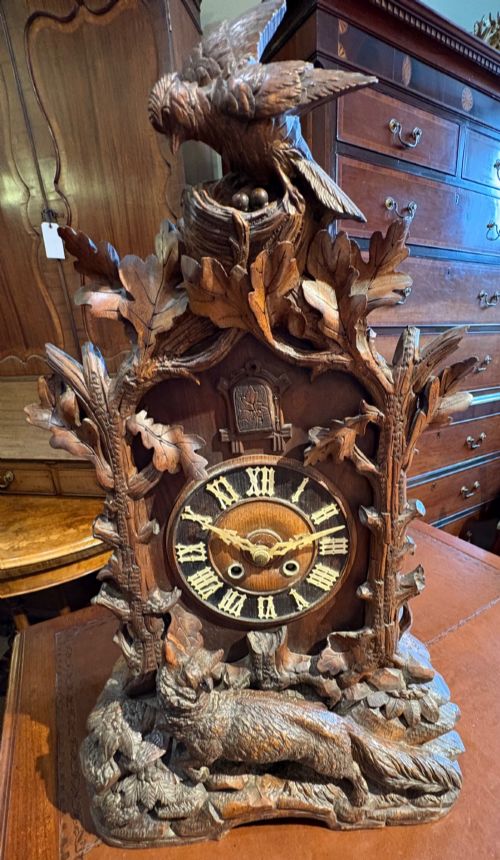
The selection on this page demonstrates that walnut wall carving is not confined to one single form. You will find Black Forest animal and figure motifs, fretwork pier glasses, barometer cases, and wall shelves, reflecting both British and continental European craftsmanship.
Materials and construction
The primary material across these pieces is walnut, frequently seen as solid timber or figured burr walnut veneer laid over a secondary wood, often combined with parcel gilt highlights, brass fittings, and mirror glass. Carvers utilised the dense grain of the wood to execute deep relief work, intricate foliage, and sculptural animal or human figures.
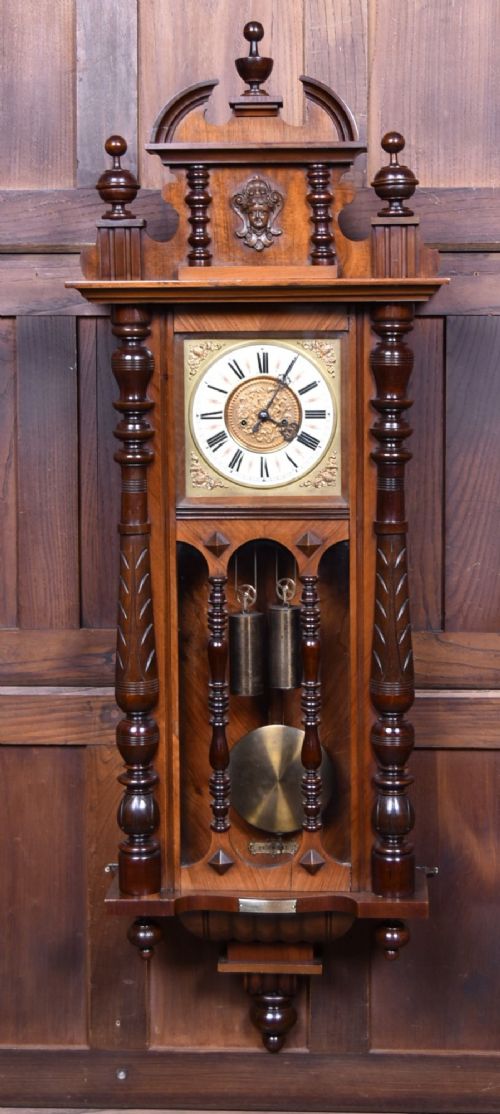
Joinery techniques varied according to the object type, from the fret-sawn silhouette plates of eighteenth-century mirrors to the heavy turned and carved cases of Victorian barometers and wall clocks. Many items incorporate applied carved elements secured to a backplate or panel.
Listings feature items spanning from the sixteenth century through to the mid-twentieth century, dominated by Victorian and Georgian styles.
Judges of quality
Quality in walnut wall carving rests upon the crispness of the chisel work and the natural figure of the wood itself. Superior examples display sharp undercutting, balanced proportions, and minimal sanding or softening of the carved details over time.
The choice of veneer also dictates status, where highly figured burr walnut or carefully matched grain patterns elevate an ordinary frame or bracket into a distinguished decorative object.
G and L Guanziroli London
The Walnut Wall Carving Glossary
- Burr walnut
- A veneer taken from the growth excrescences of a walnut tree, prized for its swirling, highly decorative grain patterns. It was frequently utilised on high-status mirrors and furniture fronts.
- Parcel gilt
- A decorative technique where specific carved details or mouldings are highlighted with gold leaf while the surrounding walnut timber remains exposed. This method provides contrast against dark wood.
- Fretwork
- Thin wood sawn into intricate decorative patterns, common on eighteenth-century and revival wall mirrors. It requires precise hand-sawing to achieve crisp geometric or scroll designs.
- Black Forest carving
- A nineteenth-century style originating in central Europe, characterised by deeply naturalistic animal carvings, foliage, and woodland themes. These pieces are often executed in walnut or lime.
- Aneroid barometer
- A meteorological instrument that measures atmospheric pressure without liquids, housed in a decorative carved wooden wall case. Victorian examples frequently feature elaborate walnut surrounds.
Walnut Wall Carving: Frequently Asked Questions
How do I date a walnut wall carving?
Dating relies on combining stylistic clues with construction methods. Eighteenth-century pieces often feature distinct primary woods and hand-cut joinery, whereas Victorian examples lean towards heavier mechanical movements in clocks and deep relief moulding.
Examining the backboards, fixings, and wear patterns helps confirm whether a piece is genuinely period or from a later revival movement.
What is Black Forest walnut carving?
Black Forest carving refers to nineteenth-century decorative woodwork originating from Switzerland and Germany. These items typically feature wildlife, such as bears, birds, or foliage, rendered with great realism.
Walnut was a favoured medium for these sculptures due to its rich tone and capacity to hold fine textural detail.
How should I clean walnut wall carvings?
Maintenance requires gentle dusting with a soft, dry brush to remove particles from deep recesses without disturbing the patina. Avoid modern liquid polishes, which can build up in the carved crevices and dull the wood.
Applying microcrystalline wax sparingly once a year helps nourish the timber and protect the original surface finish.
Are these pieces suitable for modern walls?
Walnut wall carvings and mirrors adapt well to contemporary interiors because the dark, rich tones of the timber provide a striking contrast against neutral walls. Their varied formats allow them to function as standalone artworks or functional items like clocks and brackets.
Secure hanging is essential, particularly for heavier Victorian barometers and mirrors, requiring appropriate fixings suited to your wall type.