



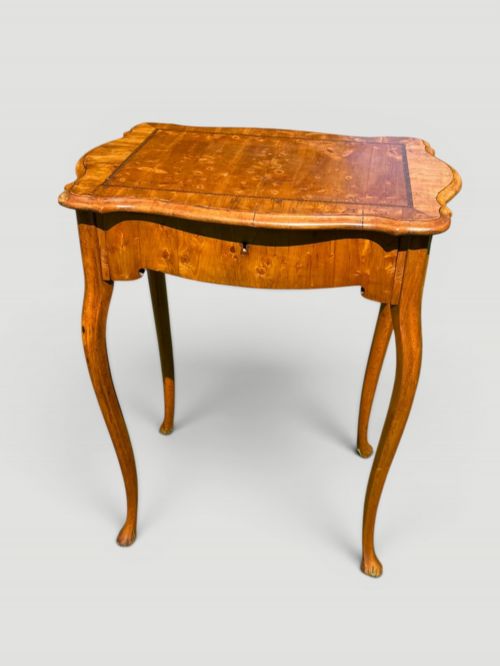


Walnut Veneer Side Table
A walnut veneer side table brings rich grain patterns and warm tones into a room, serving as both a practical surface and a striking focal point.
Walnut Veneer Side Table
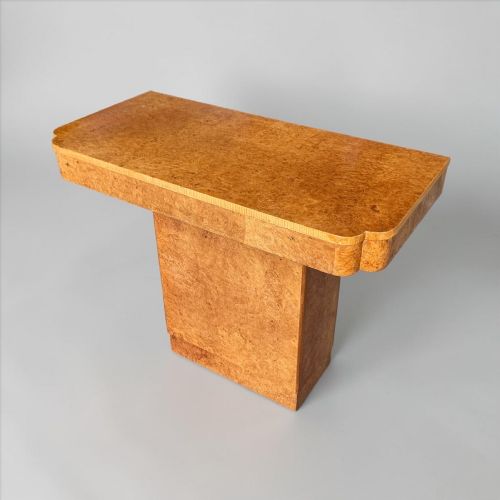
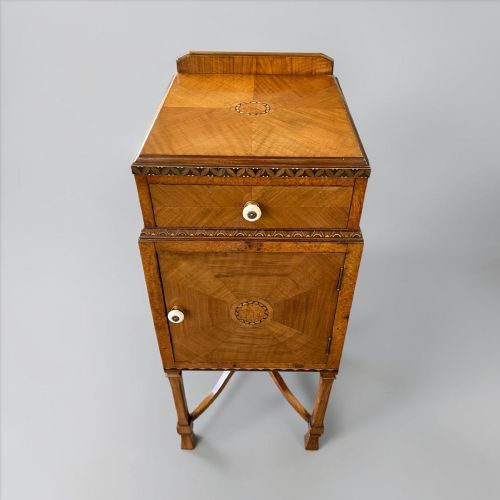
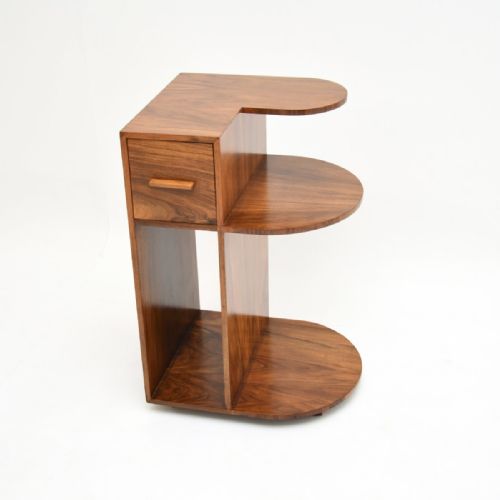
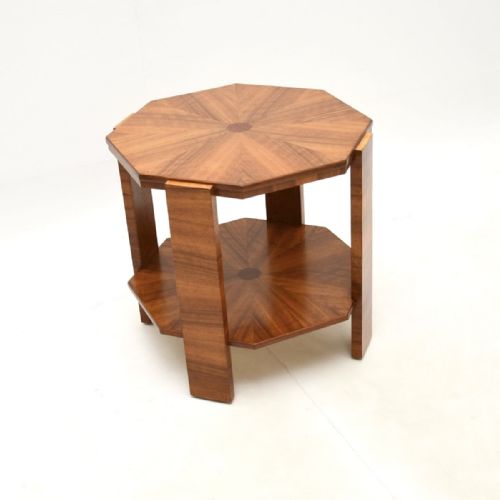
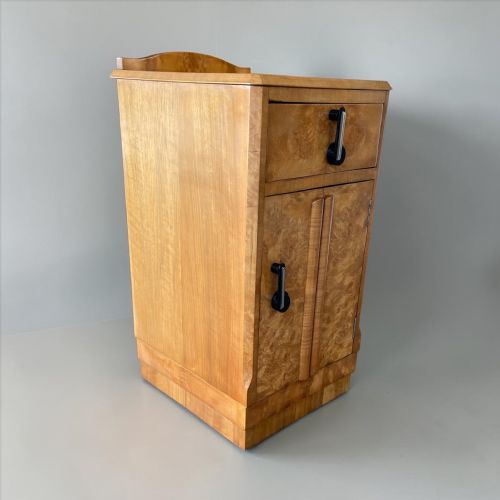
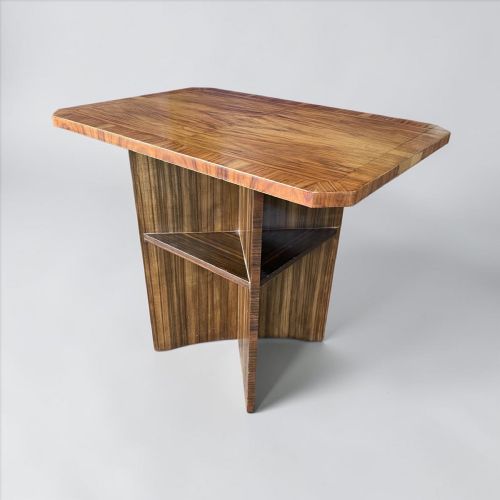
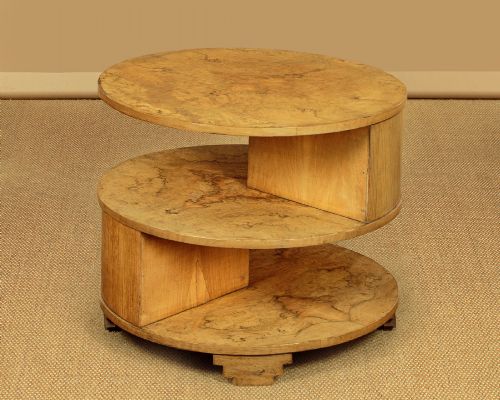
The selections on this page showcase diverse configurations, including occasional tables, coffee tables, bedside cabinets, and lowboys. Art Deco examples from the nineteen-thirties feature prominently alongside earlier Georgian, Queen Anne revival, and seventeenth-century pieces.
Makers and makers' choices define the character of these tables, utilising timber to create functional surfaces that double as decorative objects. The forms vary from rectangular side tables to octagonal occasional tables, nests of tables, and tripod bases.
Materials and construction methods
Secondary woods like timber and maple provide structural support, while decorative details such as brass fittings, satinwood stringing, and marquetry enhance the visual depth of the pieces. Quarter-veneering and featherbanding techniques further demonstrate the meticulous skill involved in arranging the grain.
Listings feature walnut, burr walnut, satinwood, and timber alongside brass hardware.
Distinguishing quality in walnut tables
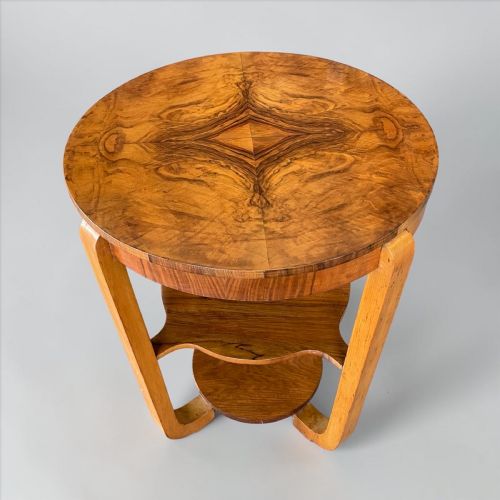
The standard of a walnut veneer side table rests heavily on the selection and symmetry of the wood figures used on the top surface. Highly figured burr walnut and carefully matched quarter-veneers indicate a more ambitious piece of cabinet work.
Execution of decorative techniques, such as precise featherbanding, fine marquetry inlay, and the integration of secondary timbers like satinwood or maple, separates standard production items from finer workshop pieces.
Maurice Adams·Maple
The Walnut Veneer Side Table Glossary
- Veneer
- A thin slice of decorative wood applied to a base timber to create a patterned surface. This method allows artisans to display striking wood grains efficiently.
- Burr walnut
- Wood taken from a tree growth or burl, yielding a swirling, highly figured grain pattern. It appears frequently on decorative table tops.
- Featherbanding
- A delicate inlay technique using narrow bands of veneer arranged in a herringbone pattern around the edge of a table top. This decorative border frames the central wood grain.
- Lowboy
- A small seventeenth or eighteenth-century table with drawers, often standing on slender legs. They function well as side tables or compact desks.
- Oyster veneer
- Circular or oval pieces of branch wood cut across the grain to resemble oyster shells. These pieces fit together to create distinctive repetitive patterns.
Walnut Veneer Side Table: Frequently Asked Questions
What periods do these tables cover?
The selection encompasses pieces ranging from the seventeenth century through the Georgian and Victorian eras up to the nineteen-thirties.
Twentieth-century Art Deco designs appear frequently, alongside earlier revival styles and antique lowboys.
How do I identify burr walnut?
Burr walnut exhibits a distinctive swirling and mottled grain pattern resulting from growths on the tree. It creates a highly decorative surface on table tops.
Cabinet makers valued this timber for its rich visual texture and exclusivity in luxury furniture.
What is quarter-veneering?
Quarter-veneering involves cutting a log into four quarters and slicing veneer from each section to create symmetrical geometric patterns. Artisans arrange these slices so the grain mirrors itself across the table top.
This technique produces a balanced and striking visual effect on side tables and lowboys.
Where did people use side tables?
Historically, these tables served multiple purposes in drawing rooms, bedrooms, and hallways as lamp surfaces, bedside stands, or occasional writing desks. Their compact dimensions allowed them to fit easily beside seating or against walls.
Today, they retain this versatility in modern interiors as coffee tables, console tables, and lamp stands.