



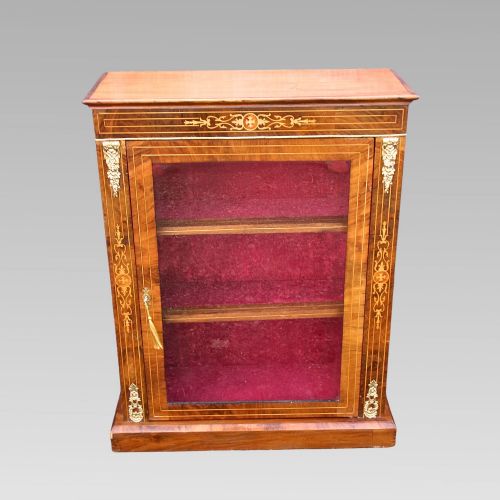


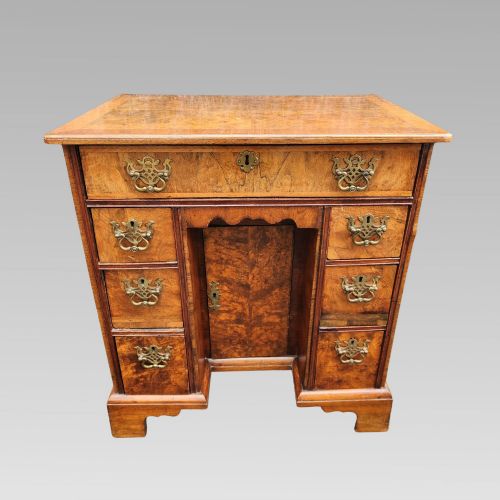


Walnut Veneer Cupboard
A walnut veneer cupboard brings warmth and dramatic grain patterns into a room, offering practical storage disguised as fine timber craftsmanship.
Walnut Veneer Cupboard
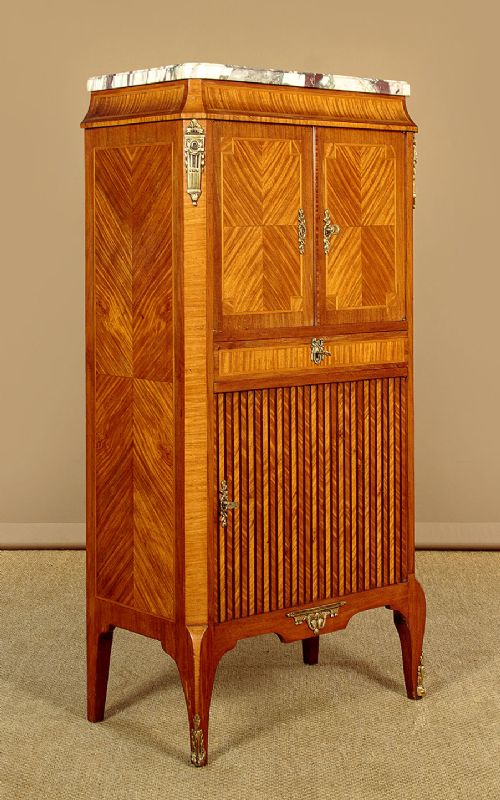
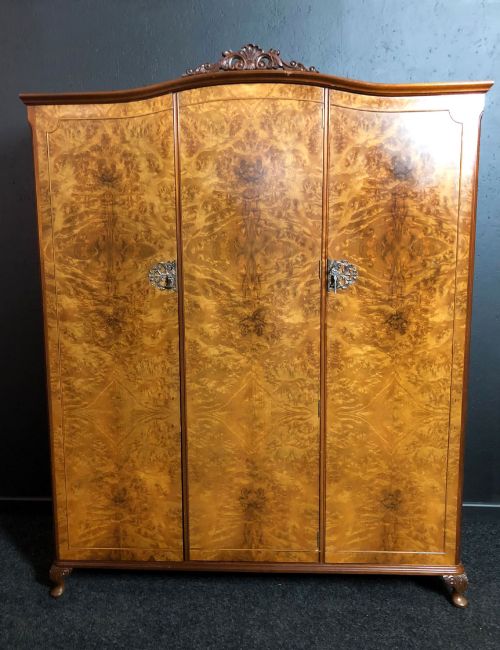
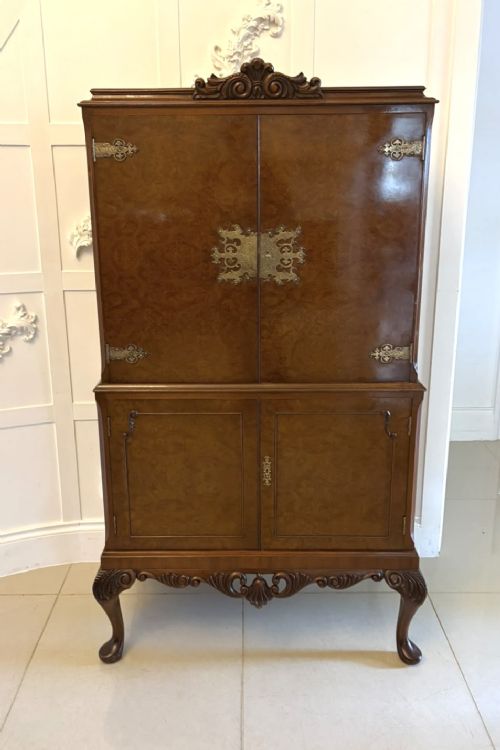
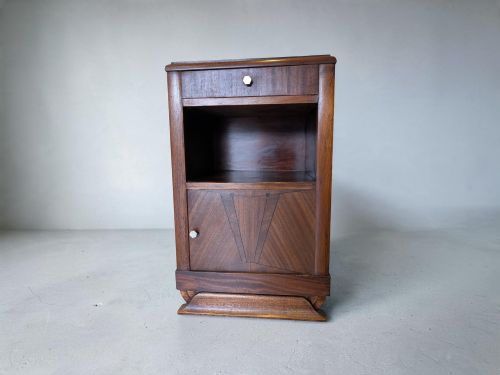
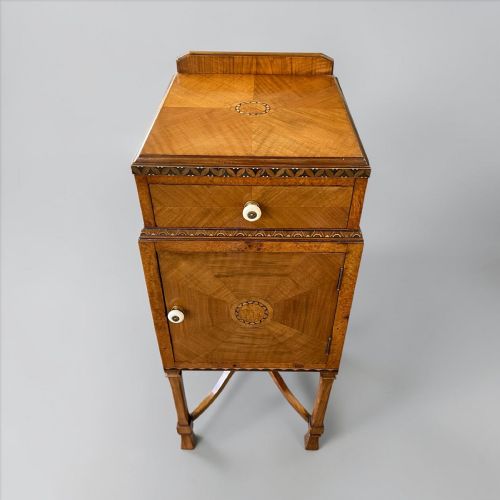
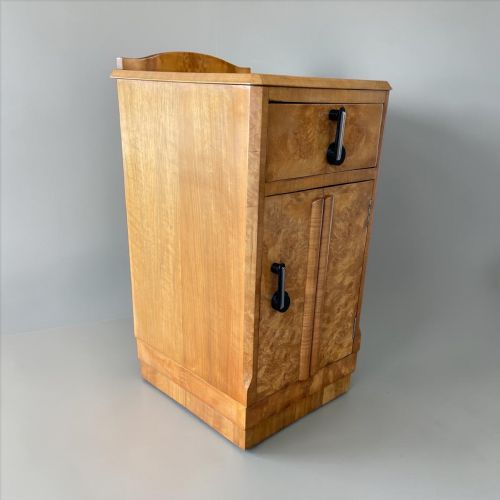
A walnut veneer cupboard is a storage piece faced with thin layers of decorative timber, appearing across periods from the seventeen hundreds through to Art Deco designs of nineteen thirty. Buyers hunting for a walnut veneer cupboard encounter everything from grand cabinets on stands to compact bedside units and large wardrobes.
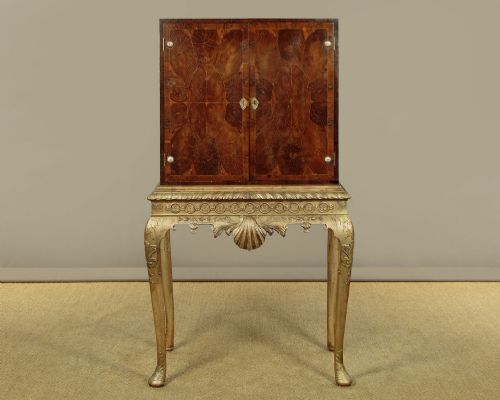
The selection ranges from early William and Mary oyster veneer examples up to geometric Art Deco linen cupboards and display cabinets. Most pieces met on this page date to the Victorian era and the nineteen thirties, balancing historic forms with striking figurative wood.
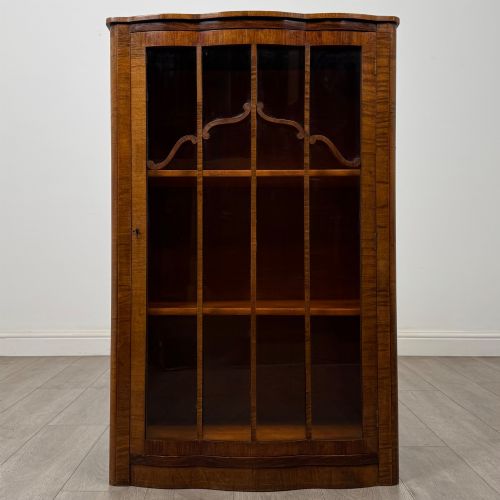
Formats include side cabinets, cocktail cabinets, tallboys and corner cupboards. Each piece utilises the natural decorative properties of the timber to create symmetrical patterns across doors and drawer fronts.
How they were made
Cabinet makers applied thin slices of walnut or burr walnut over secondary woods such as oak, securing the delicate timber with animal glues. This technique allowed craftsmen to showcase complex grain swirls without wasting solid timber.
Makers often arranged the veneer sections in symmetrical book-matched patterns or circular oyster cuts. Brass handles, glass panels and occasionally marble tops or metal details completed the construction.
Walnut Veneer Cupboard Retail Price Guide 2026
Typical asking prices for walnut veneer cupboard among the pieces listed under this phrase on Sellingantiques today, from the lower quarter to the upper quarter. They describe what is for sale here now, not the wider market.
Listings feature walnut veneer cupboards spanning the seventeenth century through to Art Deco designs of nineteen thirty.
What varies in quality
Quality rests in the selection and symmetry of the timber slice used on the primary surfaces. Burr walnut and figured veneers show deeper depth and movement compared to plain straight-grained timber.
The precision of the matching across door panels and the integrity of the underlying construction separate standard utilitarian furniture from exhibition quality works. Intricate parquetry work and original brass hardware further elevate a piece.
Maurice Adams·Bowman Brothers
The Walnut Veneer Cupboard Glossary
- Veneer
- A thin layer of decorative wood applied to a solid secondary timber base. This technique maximises the use of richly figured wood.
- Burr walnut
- Wood taken from a tree growth or burl, yielding swirling, knotty patterns. It is prized for its high decorative appeal.
- Oyster veneer
- Small circular or oval pieces cut transversely from small branches. These are arranged closely to form a continuous pattern resembling oyster shells.
- Cabinet on stand
- A cabinet designed to sit upon a separate supporting frame or table base. This form lifts the main storage compartment off the floor.
- Book-matched
- Adjacent sheets of veneer sliced from the same log and opened like a book. This creates a mirrored symmetrical design.
Walnut Veneer Cupboard: Frequently Asked Questions
How do I clean walnut veneer?
Dust regularly with a soft, dry cloth to prevent surface scratching. Avoid soaking the wood or using harsh chemical polishes that can degrade historic finishes.
Apply a traditional beeswax occasionally to nourish the timber and maintain a soft natural sheen. Keep the cabinet away from direct sunlight and heat sources to prevent the veneer from lifting.
Where should I place my cabinet?
Position the piece in a room with stable temperature and humidity levels to protect the delicate timber layers. Direct sunlight will fade the rich brown tones of the walnut over time.
Allow enough clearance around doors and drawers so they open without obstruction. Bedside tables and small side cabinets fit well in bedrooms and living spaces alike.
How do I date these cupboards?
Examine the overall architectural style, construction methods and hardware choices. Seventeenth-century pieces often feature oyster veneer on stands, while nineteen-thirty examples display geometric Art Deco lines.
Secondary woods and drawer construction techniques also provide clues to the period of manufacture. Compare the decorative motifs with known design eras like Queen Anne or Victorian.
Are these pieces suitable for modern homes?
The rich grain and warm tones of walnut blend easily with contemporary interior schemes. They provide practical storage while adding historic character to a room.
Smaller formats work effectively as bedside tables or occasional storage, while larger wardrobes and cocktail cabinets act as focal points.