

Walnut Vanity Stool
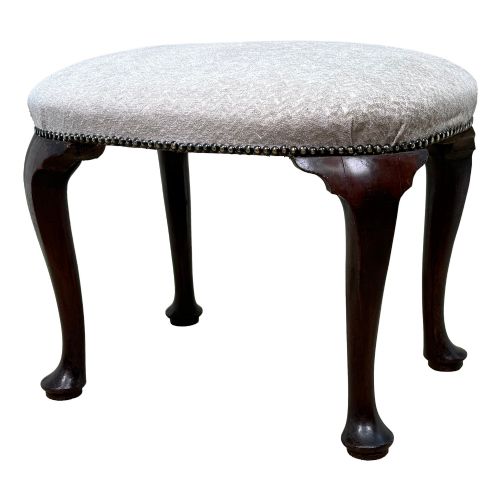
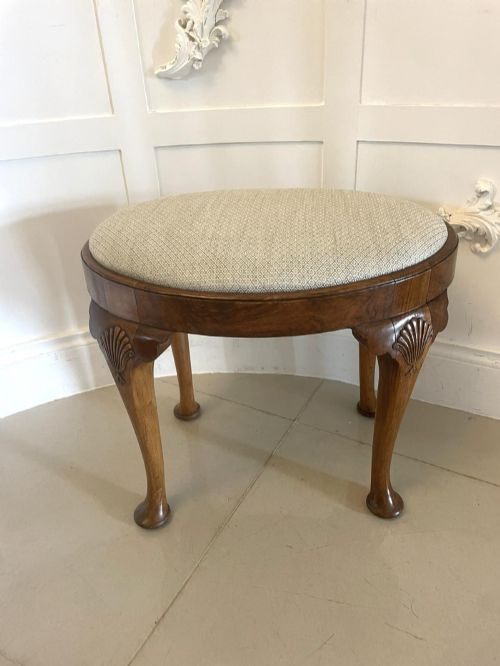
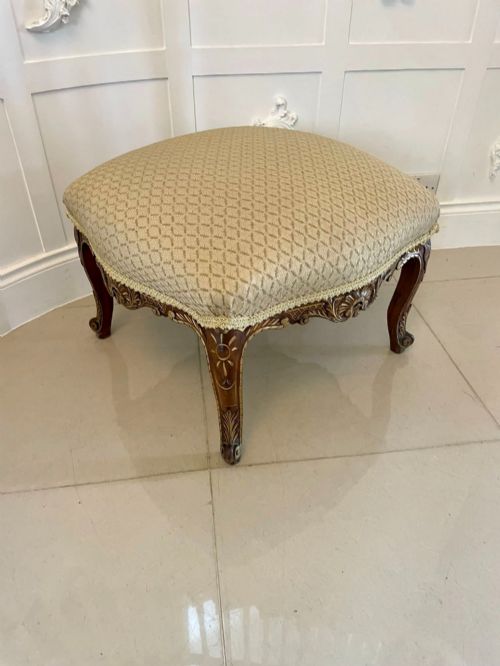
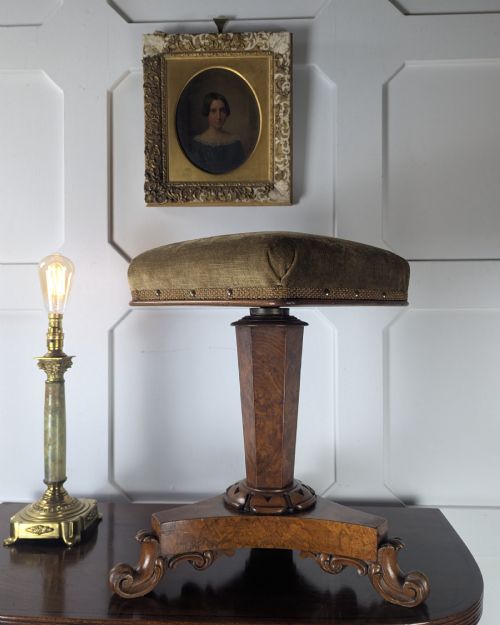
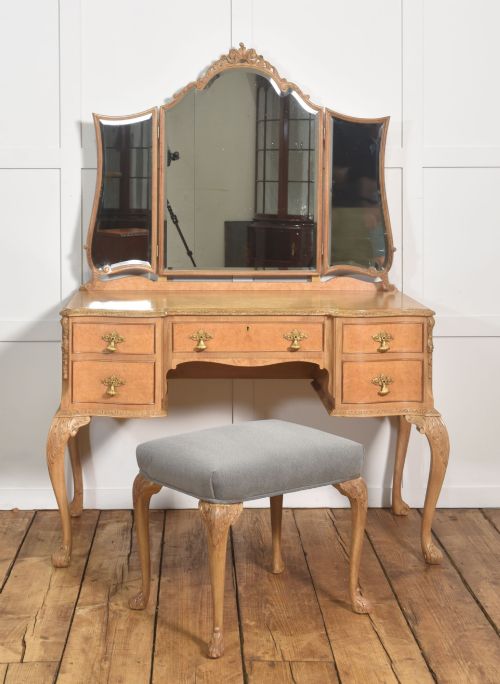
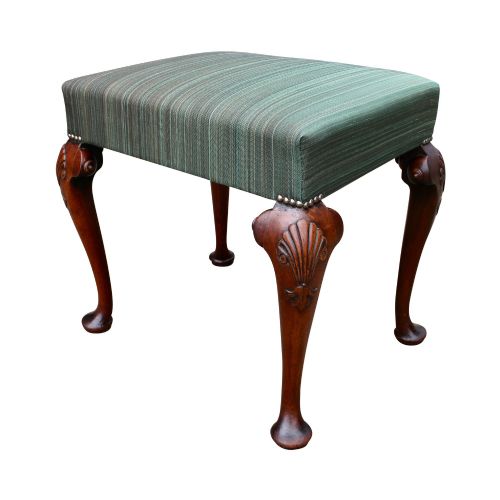
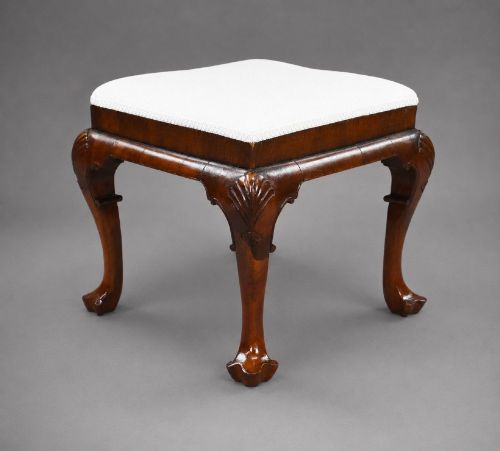
These walnut vanity stool pieces provide low seating suited to dressing tables, combining sturdy timber frames with upholstered tops.
Walnut Vanity Stool
When searching for a walnut vanity stool, buyers encounter low seating designed primarily for dressing tables and bedrooms, often crossing paths with piano stools and small footstools. The pieces span from the mid-nineteenth century through the Art Deco period, capturing changing domestic fashions over several decades. Victorian and Edwardian examples sit alongside later twentieth-century forms reflecting distinct design revivals.
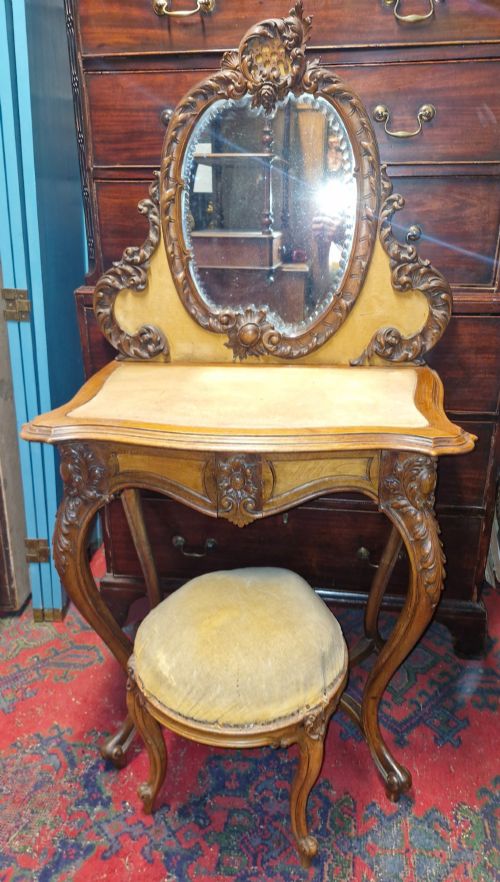
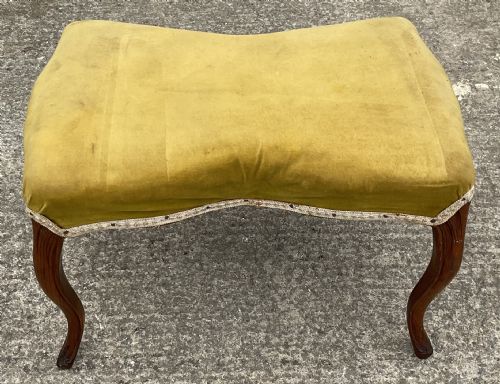
The most common formats on this page feature wooden frames paired with upholstered seats, ranging from simple padded pads to intricate needlepoint and leather finishes. Many items arrive alongside matching dressing tables or as standalone seating units intended for bedroom use. Origins extend across English and continental workshops, incorporating both traditional craftsmanship and streamlined modern silhouettes.
How They Were Made
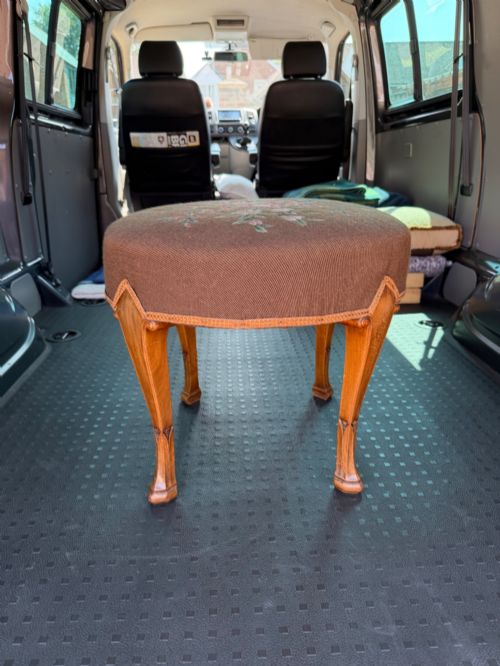
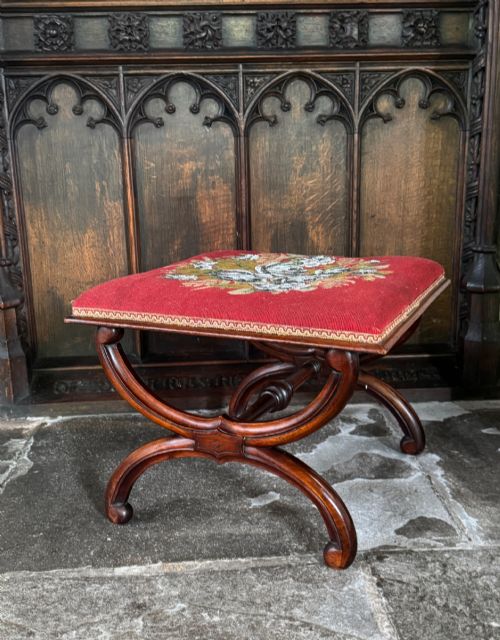
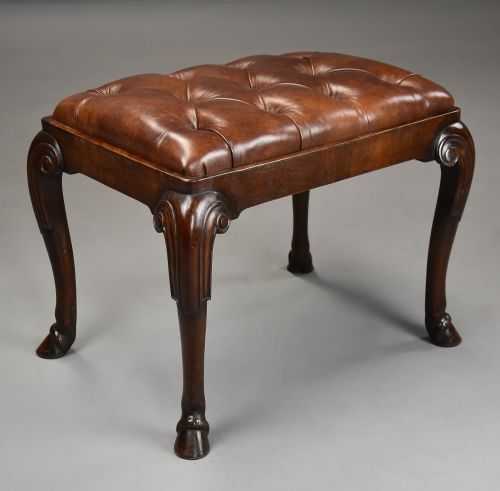
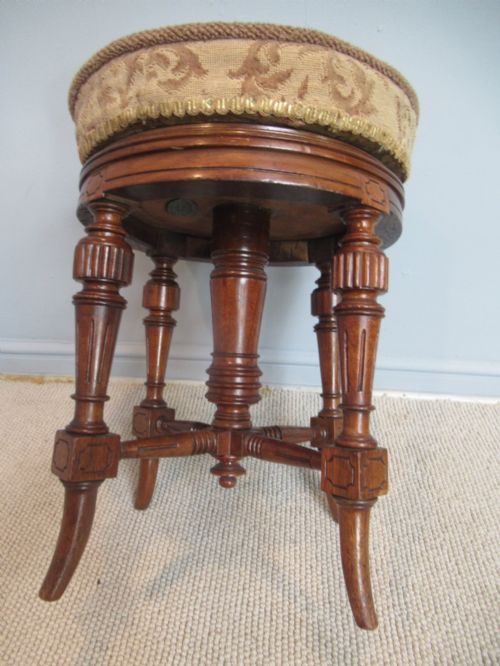
Cabinet makers utilised solid timber and figured veneers, selecting burr walnut to create rich, patterned surfaces across seat rails and frames. Structural elements often rely on carved cabriole legs, spiral twist supports, or X-frame geometry to distribute weight effectively.
Upholstery techniques involved traditional stuffing materials secured beneath fabric, textile, velvet, tapestries, or leather coverings. Additional decorative detailing frequently included brass hardware, beadwork, and hand-carved ornamentation along the wooden skirts.
Walnut Vanity Stool Retail Price Guide 2026
Typical asking prices for walnut vanity stool among the pieces listed under this phrase on Sellingantiques today, from the lower quarter to the upper quarter. They describe what is for sale here now, not the wider market.
Several stools double as hidden vaults, incorporating internal storage compartments beneath their plush seats to keep powder and trinkets safely out of sight.
What Varies in Quality
The distinction between standard production and superior examples rests upon the depth of hand-carving and the choice of timber figure. Figured or burr walnut surfaces display richer grain movement than plain timber boards, elevating the visual weight of the frame.
Joinery execution and the integrity of the underlying wooden structure dictate longevity, while the quality and authenticity of the textile or leather upholstery complete the piece. Original period textiles or faithful restorations maintain the historical context of the furniture.
Harry and Lou Epstein
The Walnut Vanity Stool Glossary
- Cabriole leg
- A furniture leg that curves outward at the knee and tapers inward toward the foot, mimicking animal limbs. This design appears frequently on Queen Anne and revival pieces.
- Burr walnut
- A specialised wood veneer harvested from tree growths, yielding intricate swirling grain patterns. Cabinet makers utilise it on prominent surfaces for decorative impact.
- X-frame
- A structural base configuration formed by intersecting diagonal stretchers supporting the seat centre. It provides notable stability and visual symmetry.
- Needlepoint
- A type of canvas work embroidery traditionally applied to seat covers using wool or silk yarn. It adds textured pattern to the upper surface.
Walnut Vanity Stool: Frequently Asked Questions
What is a walnut vanity stool used for?
These low seats function primarily as dressing table seating, providing comfortable placement during grooming routines.
They also serve adjacent roles as piano stools, footstools, or occasional bedroom seats depending on their height and mechanical adjustability.
How do I identify a Victorian stool?
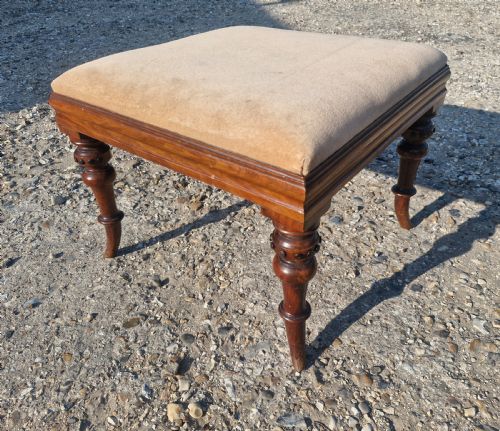
Victorian examples often display heavier carved wooden frames, darker timber tones, and traditional upholstery such as beadwork or heavy textiles.
Details like turned legs, spindle supports, and nineteenth-century construction methods help confirm this period.
Are Art Deco stools different?
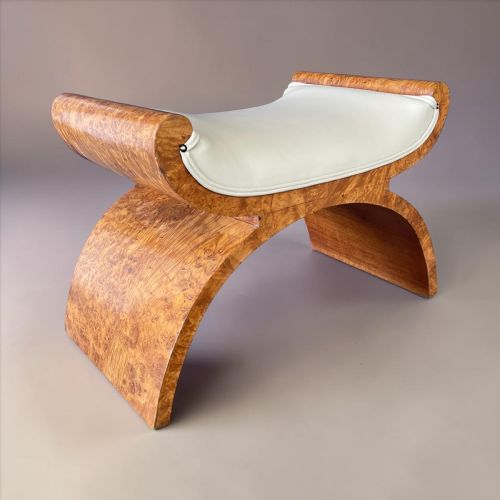
Art Deco pieces favor streamlined geometric forms, figured walnut grains, and smooth leather or cream upholstery rather than ornate Victorian carving.
They reflect the modern design sensibilities of the interwar period, often pairing clean silhouettes with functional storage compartments.