
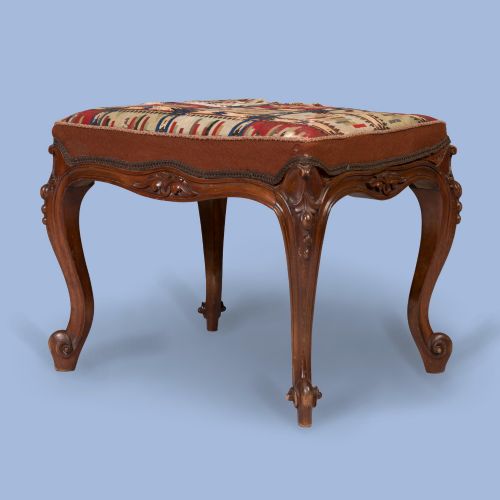


Walnut Vanity Seat
A walnut vanity seat brings compact grace to a dressing area, offering a low, upholstered perch in figured wood.
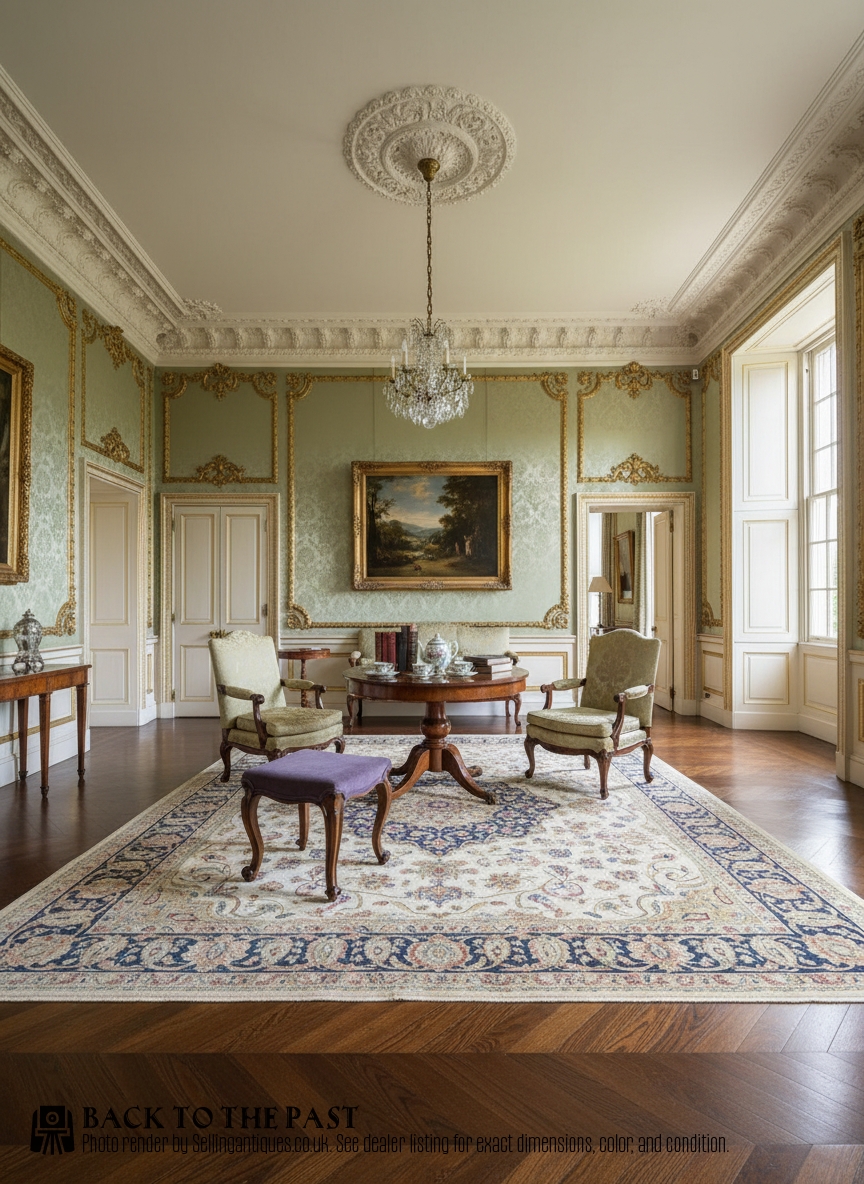
Walnut Vanity Seat
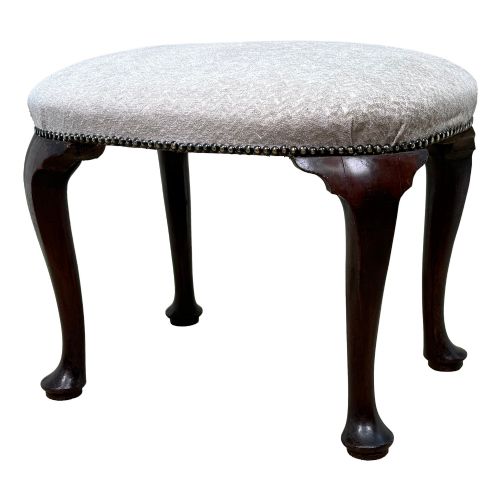
A walnut vanity seat is primarily encountered as an antique stool or dressing table stool dating from the nineteenth century through to the Art Deco period. These pieces frequently appear in revival forms such as Queen Anne style, alongside earlier Georgian iterations and streamlined 1930s designs.
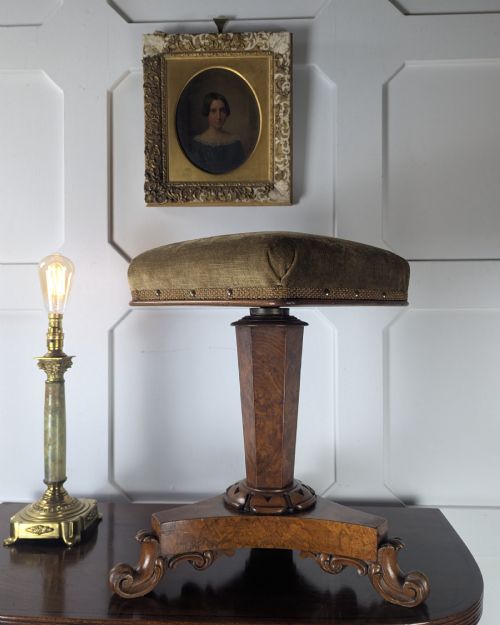
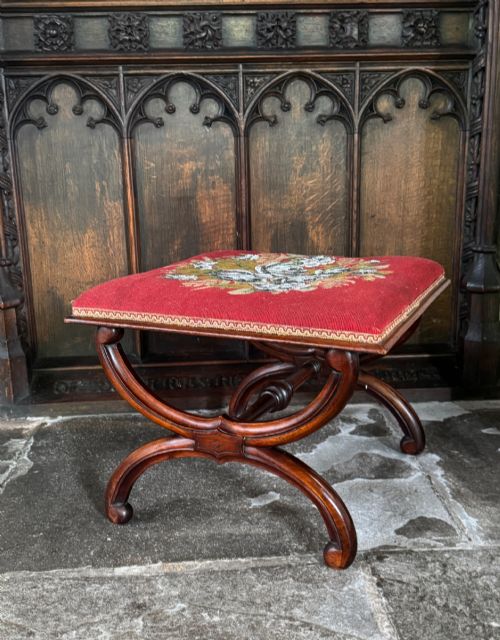
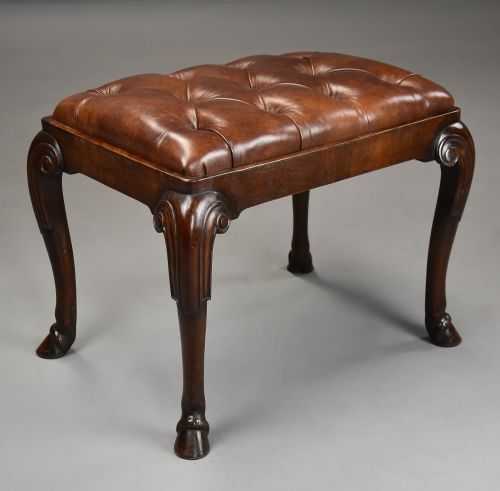
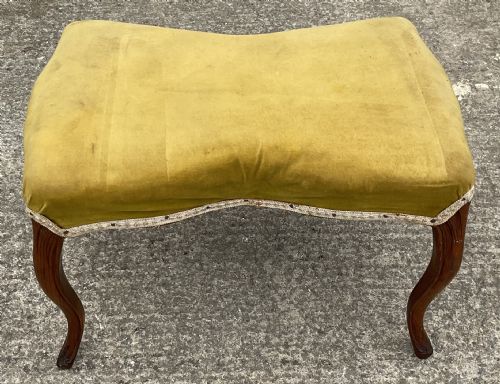
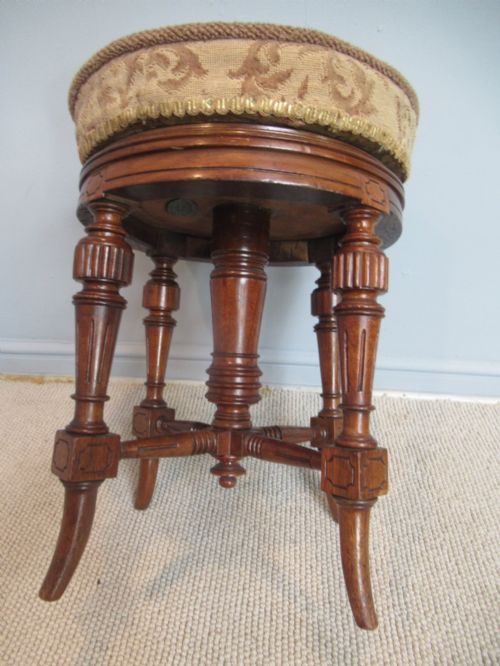
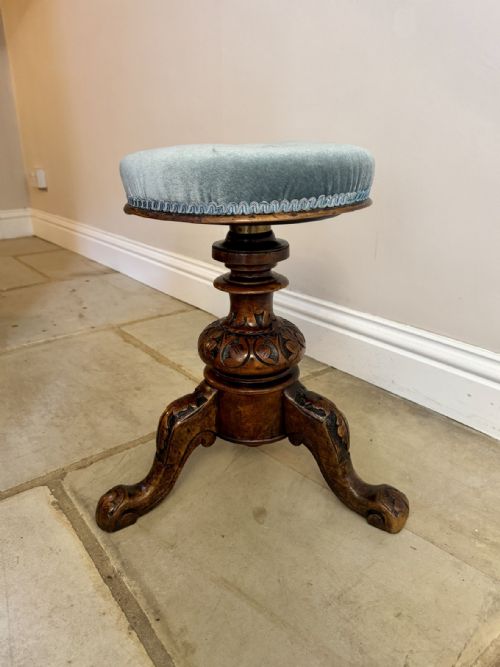
The selection ranges from simple revolving piano stools and X-frame supports to elaborately carved cabriole leg variants designed for bedroom use. Buyers will find that many examples double as piano stools or small footstools, reflecting the multi-functional nature of domestic seating in past centuries.
Materials and construction
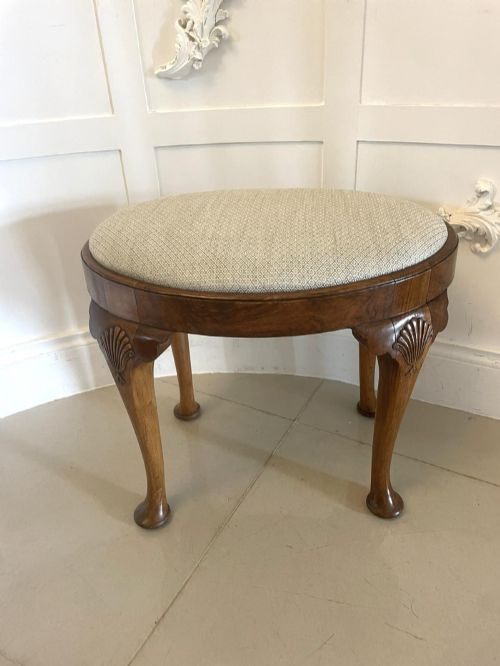
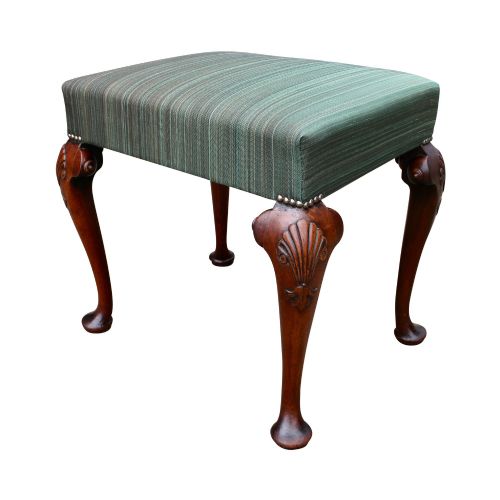
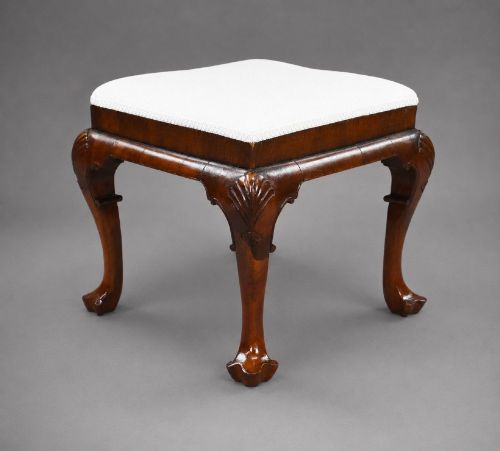
Cabinetmakers utilised solid walnut and figured burr walnut veneers over secondary timbers, often accentuating the grain on flat seat rails and curving leg structures. Carved details on cabriole legs and frame edges display the malleability of the wood under traditional hand tools.
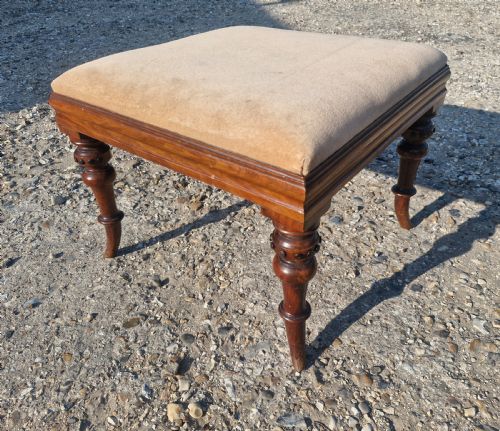
Upholstery forms a vital component of construction, incorporating traditional stuffing methods beneath coverings of textile, velvet, leather, needlepoint or beadwork. Brass fittings frequently appear on adjustable mechanisms found in piano and revolving variants.
Listings span the eighteenth, nineteenth, and twentieth centuries, uniting George I, Victorian, and Art Deco periods through the use of walnut and textile upholstery.
Distinctions in quality
The refinement of the timber figure and the crispness of the hand-carving separate standard production pieces from exceptional examples. Finer stools exhibit balanced proportions, particularly in the sweep of cabriole legs or the geometry of X-frame supports.
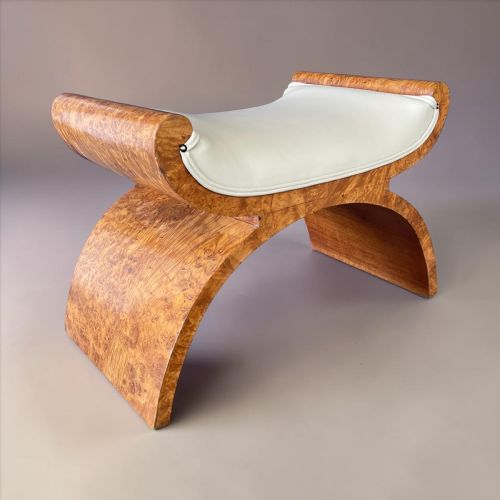
The integrity of the original framing and the sophistication of the upholstery materials, whether period needlepoint or figured burr veneer, dictate the overall standard of a piece.
Harry and Lou Epstein
The Walnut Vanity Seat Glossary
- Cabriole leg
- A furniture leg that bends outward in a convex curve and tapers inward to a foot, mimicking an animal limb. This form is common on Queen Anne style walnut pieces.
- Burr walnut
- A veneer sliced from the knotty growths of walnut trees, prized for its swirling, highly figured grain patterns. It frequently decorates the surfaces of Art Deco dressing stools.
- X-frame
- A structural base formed by intersecting diagonal members that create an X shape when viewed from the side. This configuration offers robust support for compact seats.
- Needlepoint
- A type of canvas work embroidery traditionally used to cover seat pads with intricate stitched patterns. It appears frequently on nineteenth-century examples.
- Revolving stool
- A seat featuring a threaded wooden spindle or mechanical screw that allows the height to be adjusted by spinning the top. These are often associated with piano and dressing table use.
Walnut Vanity Seat: Frequently Asked Questions
What is the difference between a vanity seat and a piano stool?
Many vanity seats and piano stools share similar dimensions and materials, yet piano stools frequently incorporate mechanical height-adjustment screws or swivel mechanisms.
Vanity seats tend to focus on decorative upholstery and fixed frames suited for dressing tables rather than musical performance.
How do I identify a Queen Anne style walnut stool?
Queen Anne style stools are distinguished by characteristic cabriole legs ending in pad or hoof feet, often accompanied by shell carvings on the knees.
These pieces typically display rich walnut grain and compact rectangular or oval proportions.
Are Art Deco walnut vanity seats different from Victorian ones?
Art Deco walnut vanity seats favour geometric simplicity, waterfall edges, and highly figured burr walnut veneers without heavy carving.
Victorian counterparts lean toward elaborate hand-carved details, cabriole legs, and textured coverings like needlepoint or beadwork.
How should I care for antique walnut woodwork?
Antique walnut benefits from occasional application of quality wax polish to nourish the timber and maintain a soft lustre.
Keep the wood away from direct heat sources and strong sunlight to prevent the walnut veneer from drying or fading.