

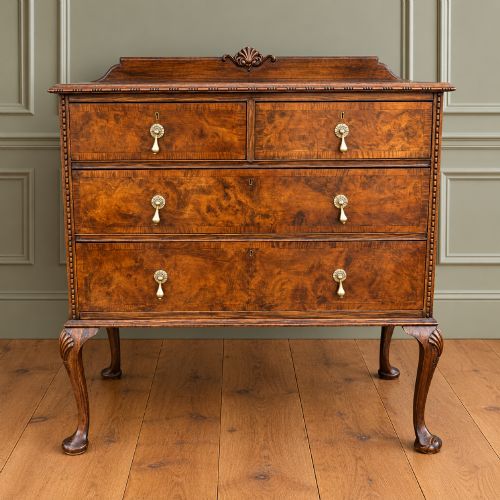
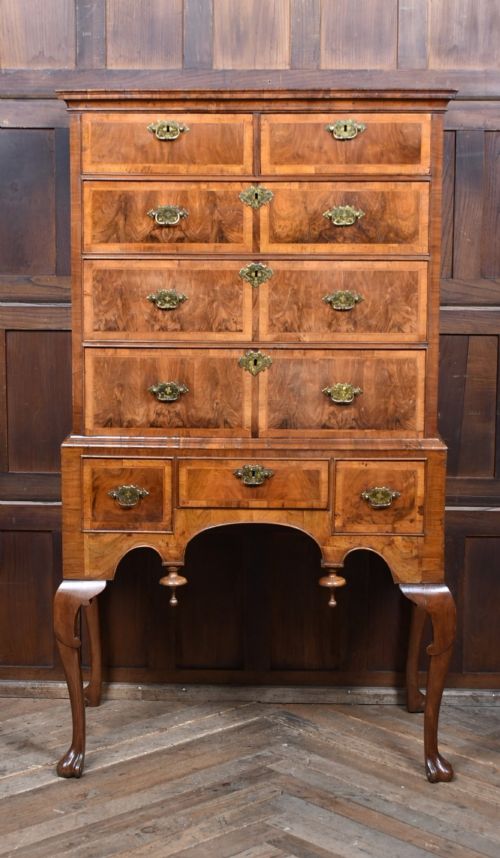


Walnut Tallboy on Cabriole Legs
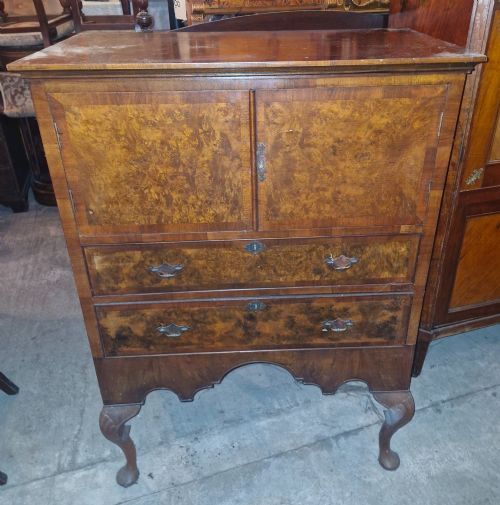
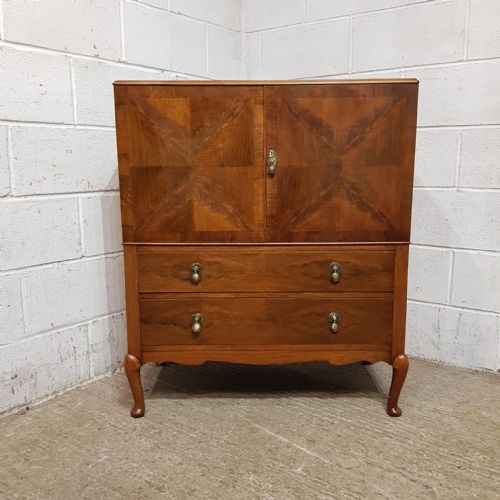
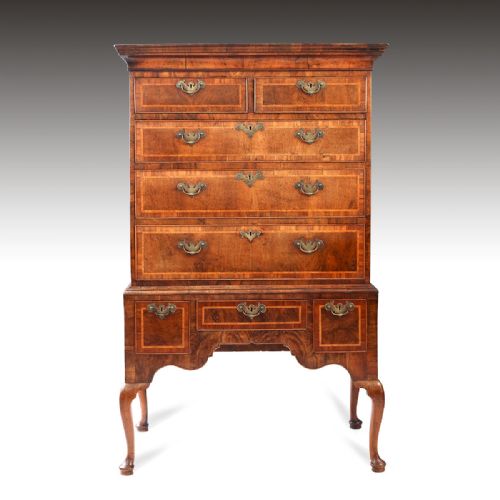
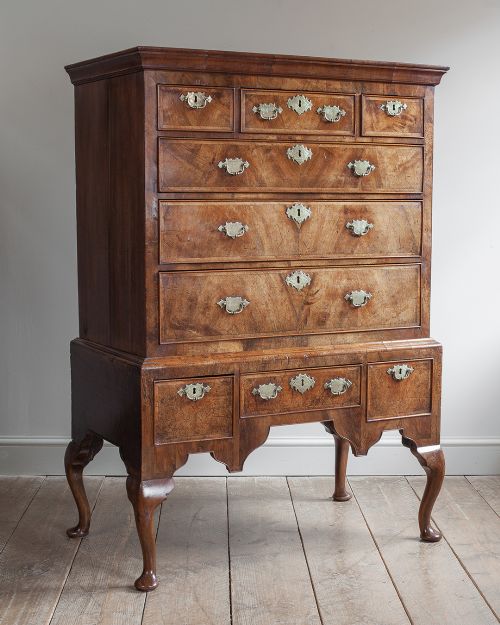
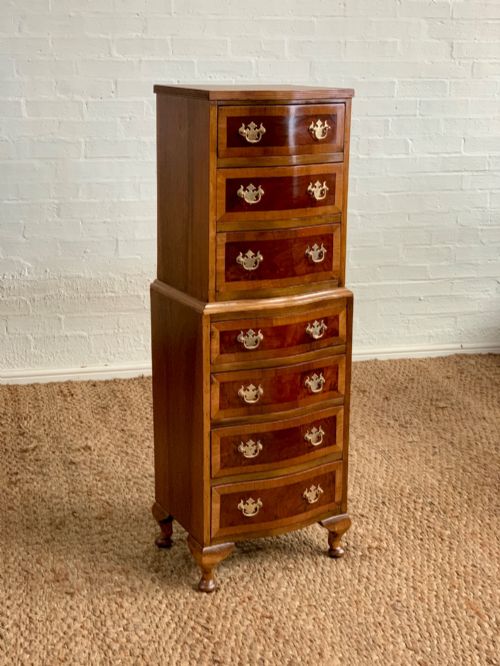
A walnut tallboy on cabriole legs delivers commanding vertical storage and refined curved support.
Walnut Tallboy on Cabriole Legs
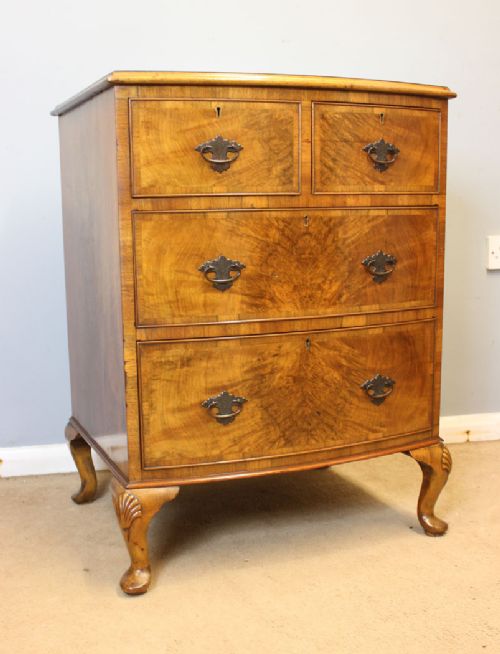
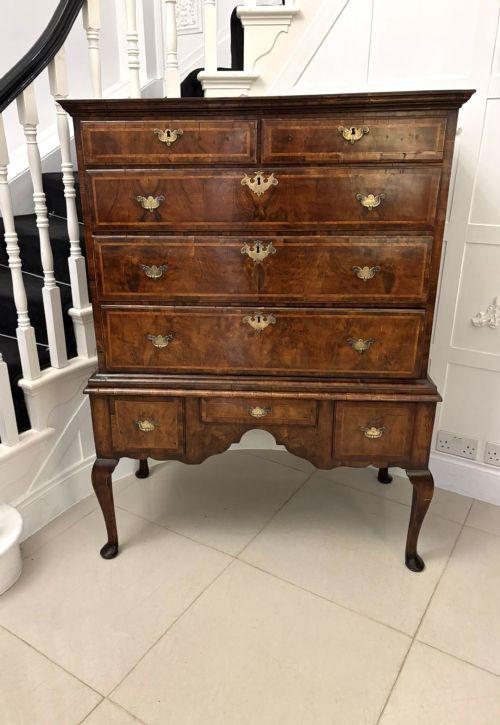
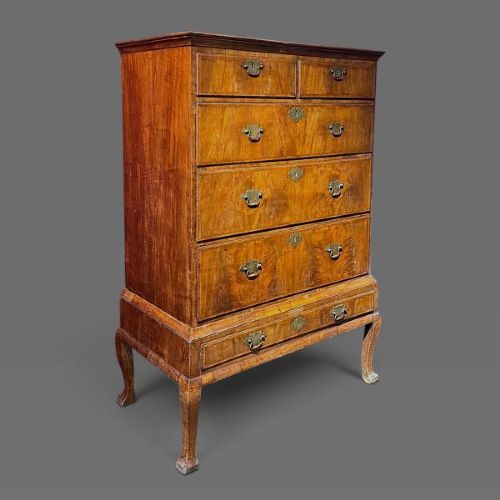
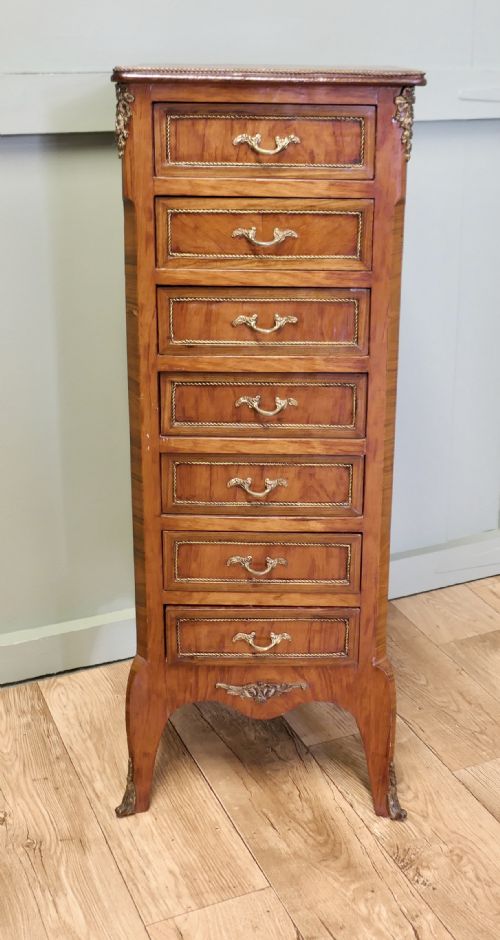
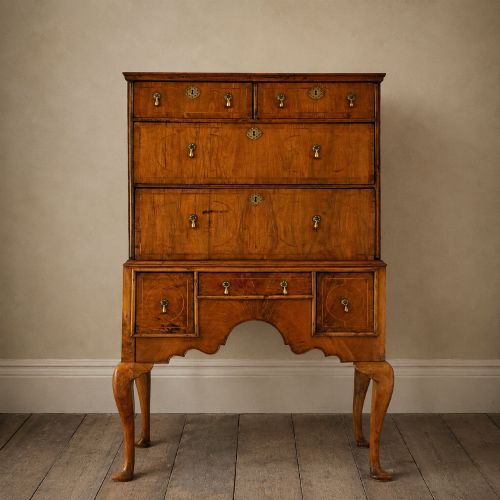
A walnut tallboy on cabriole legs combines upright chest storage with elevated curved supports, appearing frequently in 18th century forms as well as revival interpretations from later decades. These pieces serve as substantial bedroom or hallway storage units that lift heavy timber volumes off the floor on slender, sweeping legs.
Buyers encounter period examples alongside early 20th century reproductions built in the Queen Anne and Georgian taste. The configuration typically involves a chest on a stand or a tall cabinet structure divided into multiple drawer tiers.
The dominant material presence is walnut, often selected for its rich grain patterns and warm hue. These tall storage pieces bridge the gap between utility and decorative elegance in domestic interiors.
Materials and technique
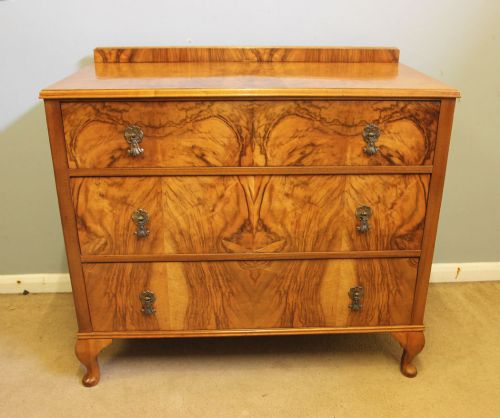
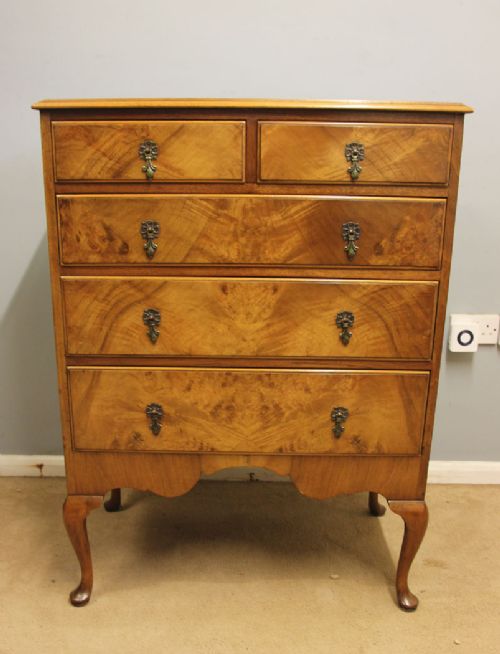
Cabinet makers utilised solid walnut and decorative veneers applied over secondary timbers like oak. Burr walnut and figured walnut veneers create complex grain movement across the drawer fronts and primary surfaces.
Constructors shaped cabriole legs from solid timber, integrating curved profiles that transition smoothly into pad or scroll feet. Crossbanding and stringing details often border the drawer sections to frame the figured wood veneers.
Walnut Tallboy on Cabriole Legs Retail Price Guide 2026
Typical asking prices for walnut tallboy on cabriole legs among the pieces listed under this phrase on Sellingantiques today, from the lower quarter to the upper quarter. They describe what is for sale here now, not the wider market.
Materials across the inventory include solid walnut, burr walnut veneer, figured walnut, oak, and brass hardware.
What varies in quality
The sophistication of the timber selection dictates the visual impact, with tightly figured burr walnut commanding greater aesthetic presence than plain grain. Crisp execution of the cabriole leg profile and the grace of the curve separate superior constructions from stiffer, heavier interpretations.
Original brass hardware, such as batwing handles and escutcheons, contributes to the integrity of period pieces. The precision of the veneer matching across drawer tiers reveals the maker's skill in handling decorative surfaces.
The Walnut Tallboy on Cabriole Legs Glossary
- Cabriole leg
- A furniture support shaped with a double curve, bulging outward at the knee and tapering inward toward the foot. This form derives from animal limbs and gains popularity during the early 18th century.
- Tallboy
- A tall chest of drawers made in one or two stacked sections to maximise vertical storage. The form provides extensive drawer space while maintaining a compact floor footprint.
- Chest on stand
- A cabinet or set of drawers elevated on a separate framework with legs. This configuration lightens the overall visual weight of tall storage furniture.
- Burr walnut
- Wood harvested from the excrescences or burls of walnut trees, yielding highly swirling, knotty grain patterns. Cabinet makers prize this material for high-status drawer fronts and primary panels.
- Oyster veneering
- The practice of slicing small branches transversely to produce circular or oval veneer roundels resembling oyster shells. Artisans arrange these patterns closely across flat surfaces on early pieces.
Walnut Tallboy on Cabriole Legs: Frequently Asked Questions
What is a walnut tallboy on cabriole legs?
A walnut tallboy on cabriole legs is a tall storage chest raised on curved, graceful supports. These items provide generous vertical drawer space while resting on elevated legs rather than a solid base.
Peculiar to both 18th century eras and later revival periods, the form blends practical storage capacity with decorative curved woodwork.
How were these tall cabinets used?
These tall cabinets functioned primarily as bedroom storage for clothing, linens, and personal valuables. The stacked drawer arrangement allowed households to organise garments efficiently within a modest floor area.
Over time, the elevated stance also protected contents from damp floors and drafty rooms in historic homes.
How do I date a walnut tallboy?
Dating relies on examining construction methods, timber types, and hardware configurations. 18th century examples display hand-cut dovetails, oak secondary woods, and period brasses, whereas 20th century revivals show machine assistance and modern internal fixings.
The presence of burr walnut veneers and specific revival styles, such as Queen Anne or George I interpretations, further clarifies the manufacturing era.
How do I live with a tallboy?
Living with a tallboy involves placing the tall unit against a stable wall where its vertical proportions can anchor a room. The piece requires sufficient ceiling clearance and benefits from gentle polishing to maintain the walnut finish.
Because the design uses slender cabriole legs to bear substantial weight, placing the furniture on level flooring ensures proper balance.