

Walnut Storage Drawers Cabinet
These walnut storage drawers cabinet pieces offer enduring storage utility, combining rich timber grain with practical compartmentalised design.
Walnut Storage Drawers Cabinet
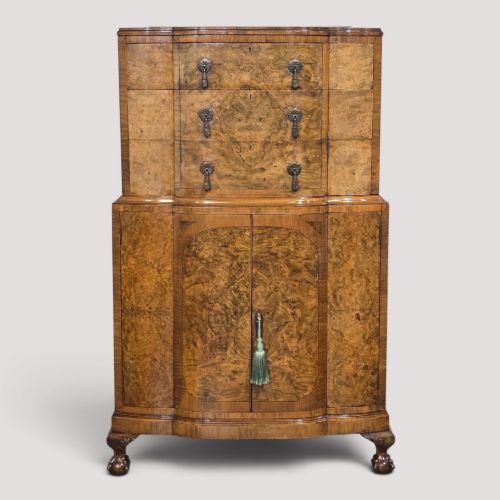
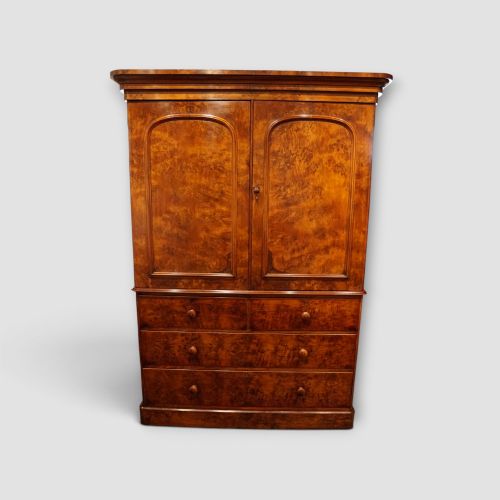
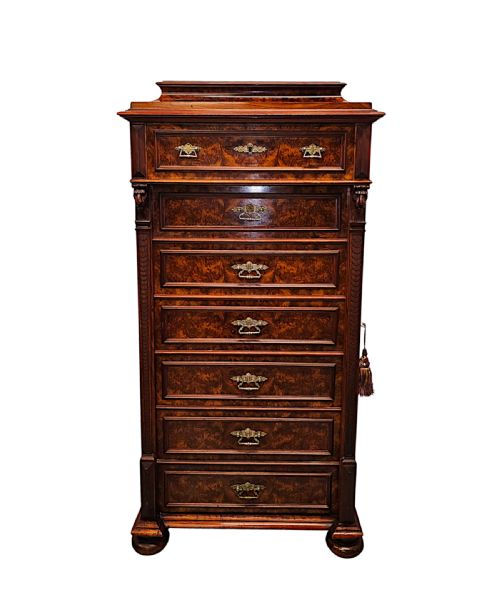
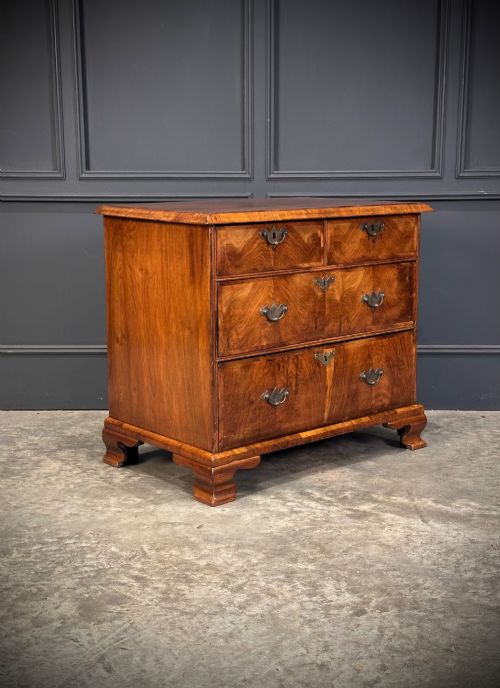
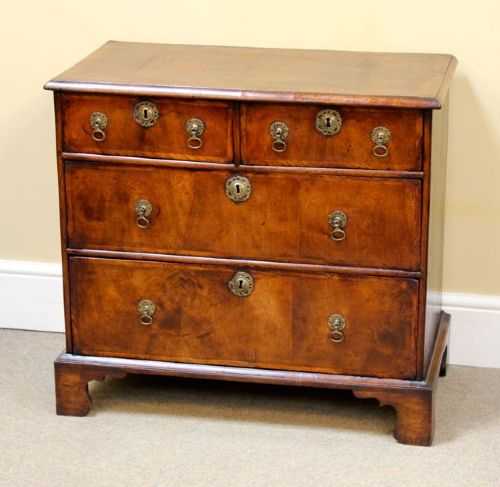
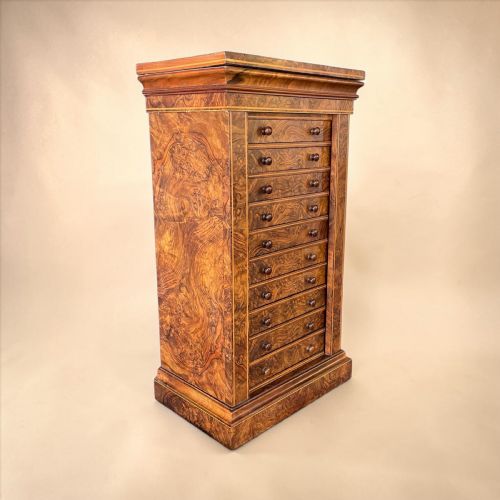
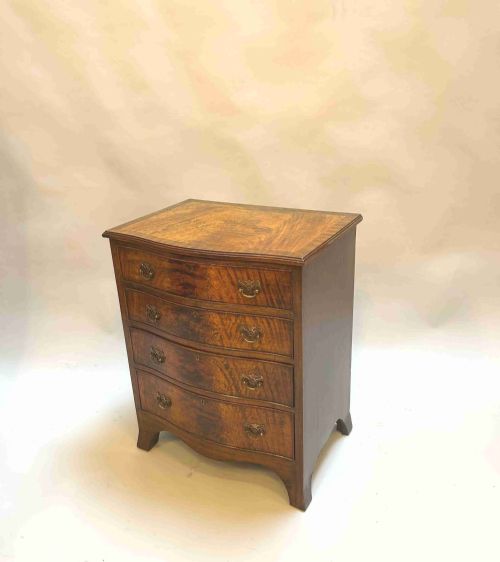
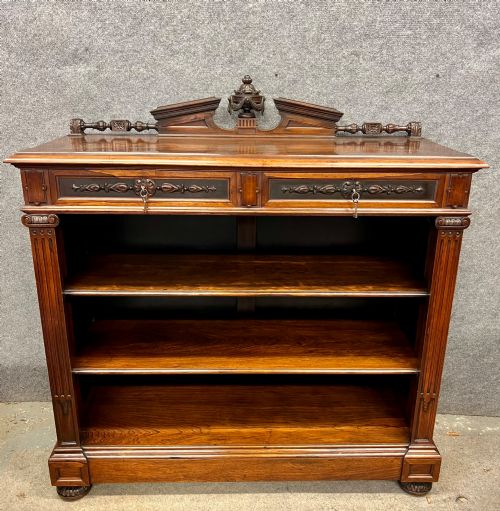
A walnut storage drawers cabinet encompasses a varied group of case furniture designed primarily for domestic organisation. Buyers exploring this selection encounter forms ranging from compact tallboys and linen presses to grand Georgian chests and French commodes.
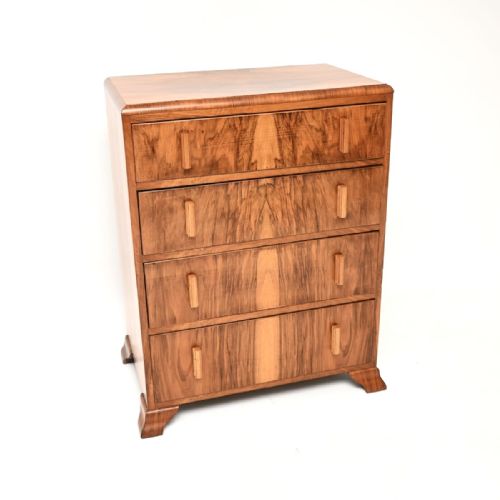
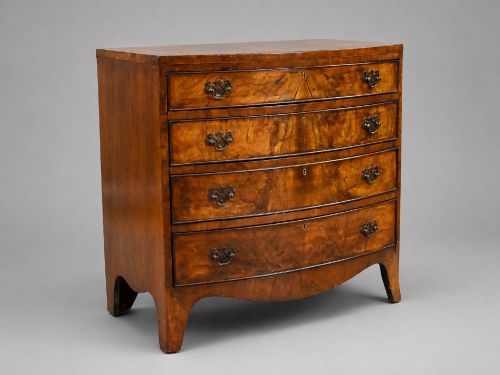
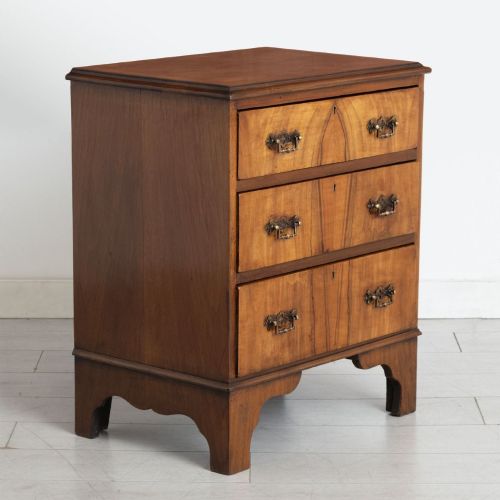
The pieces span multiple periods, with strong representation from the eighteenth century, the Victorian era, and the art deco decades of the twentieth century. Common formats include chests of drawers, collector cabinets, and specialised bedside units.
Origin and stylistic influence vary considerably, including English Georgian pieces, continental marquetry commodes, and twentieth-century revival designs. Each variation provides distinct storage capacities suited to contemporary or traditional interiors.
How they were made
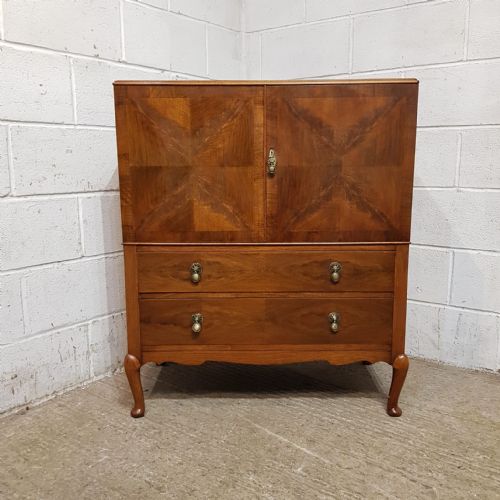
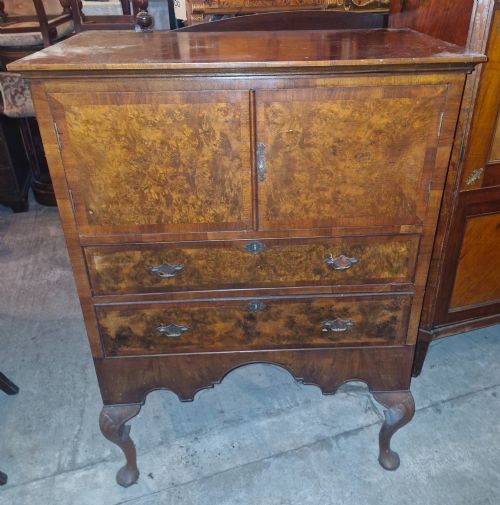
Construction relies heavily on solid timber framing combined with decorative veneers such as burr walnut and figured walnut. Cabinet makers applied these fine veneers over secondary woods to display striking grain patterns across the primary surfaces.
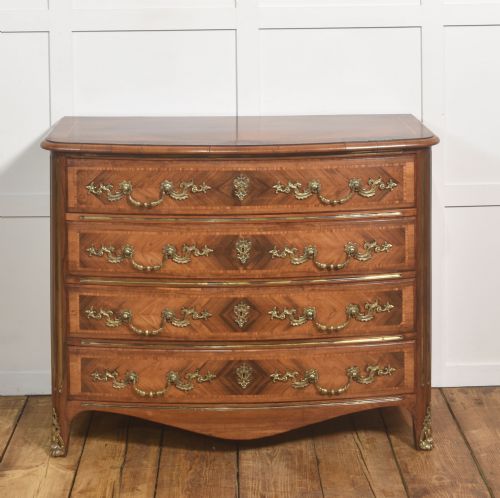
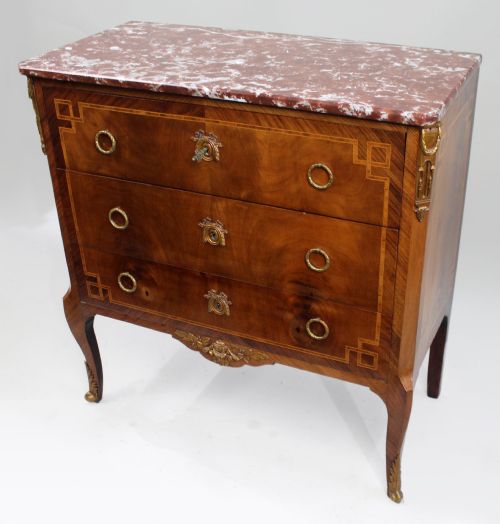
Metal hardware, particularly brass handles and escutcheons, provides functional and decorative accents alongside occasional ormolu mounts. Marble tops appear on several continental pieces, introducing contrasting stone surfaces to wooden cabinetry.
Art deco designers occasionally bleached walnut timber until it turned a striking blonde shade, defying centuries of dark wood tradition.
What varies in quality
Quality differences often hinge on the selection and matching of timber veneers across drawer fronts and top panels. Pieces displaying symmetrical, highly figured burr walnut generally sit at a higher tier than those with plain grain timbers.
The intricacy of marquetry inlay and the refinement of secondary decorative elements, such as brass fittings or carved mouldings, distinguish standard utility furniture from exceptional cabinet work.
The Walnut Storage Drawers Cabinet Glossary
- Burr walnut
- A specialised timber cut from the abnormal growth or burl of a walnut tree, yielding highly twisted, ornamental grain patterns. Furniture makers prize this material for creating decorative focal points on drawer fronts.
- Commode
- A low chest of drawers or cabinet originating in France, frequently featuring a marble top and decorative marquetry. These items often serve as decorative side storage in reception rooms.
- Tallboy
- A tall chest of drawers consisting of one chest stacked upon another or built as a single elongated unit. This form maximises vertical storage space while occupying a modest floor footprint.
- Marquetry
- The art of applying decorative pieces of veneer to a structure to form intricate pictorial designs or geometric patterns. Artisans use various coloured woods and sometimes metal or shell to achieve the effect.
- Linen press
- A tall storage cabinet historically used for flat linens, combining upper cupboard doors with lower pull-out drawers. Modern collectors utilise them for versatile wardrobe or general storage.
Walnut Storage Drawers Cabinet: Frequently Asked Questions
Where should I place a walnut cabinet?
These cabinets suit living rooms, hallways, or bedrooms where enclosed storage is required. Their rich timber tones complement both traditional and modern interior settings.
Keep them away from direct heat sources and strong sunlight to protect the walnut veneer and polished surface over time.
How do I care for walnut furniture?
Dust the surfaces regularly with a soft, dry cloth to prevent dirt accumulation. Avoid using silicone-based polishes that can build up and dull the finish.
Maintain a stable room humidity level to prevent the timber and veneer from expanding or contracting excessively.
What is the difference between a commode and a chest?
A commode typically refers to a low, decorative French-style cabinet often fitted with a marble top and sophisticated marquetry. A standard chest of drawers is generally an upright rectangular case piece focused entirely on stacked drawer storage.
Both serve similar functional purposes in domestic storage but differ significantly in regional stylistic origins.
Are eighteenth-century pieces fragile?
Eighteenth-century furniture uses aged timbers and traditional construction methods that require mindful handling. With regular gentle care, they remain robust enough for daily domestic use.
Avoid overloading deep drawers and lift pieces rather than dragging them when repositioning furniture in a room.