


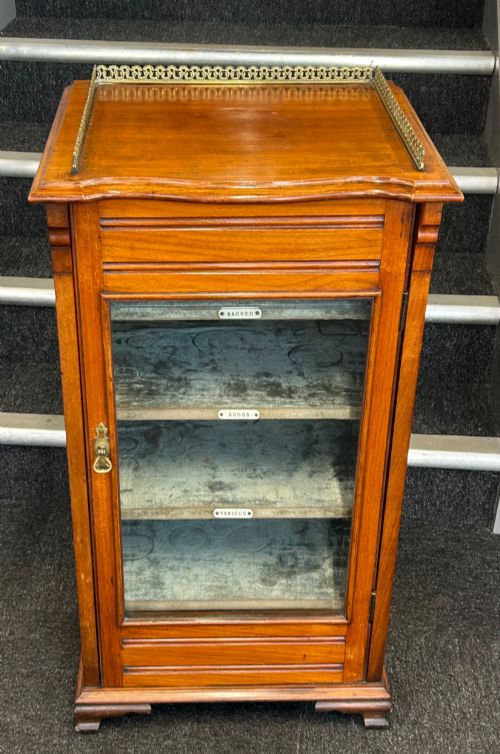
Vintage Walnut Chest Cabinet
A vintage walnut chest cabinet offers practical storage paired with rich timber grain, spanning periods from the eighteenth century to the mid twentieth century.
Vintage Walnut Chest Cabinet
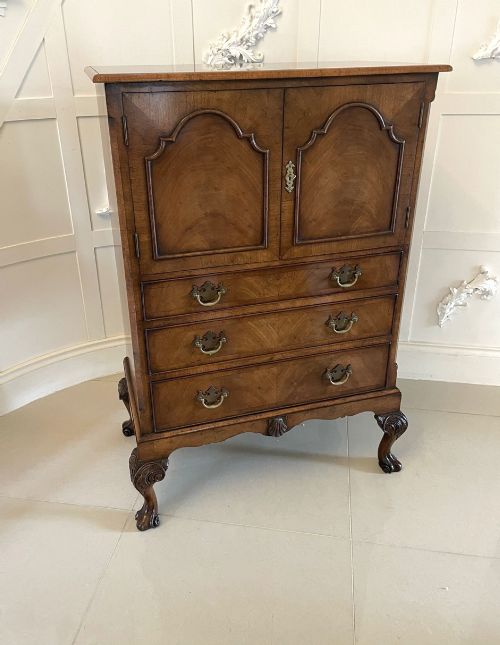
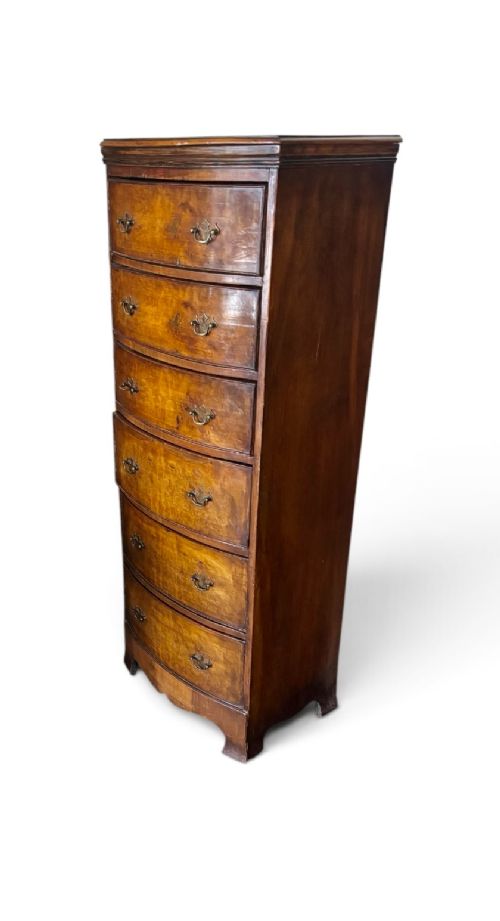
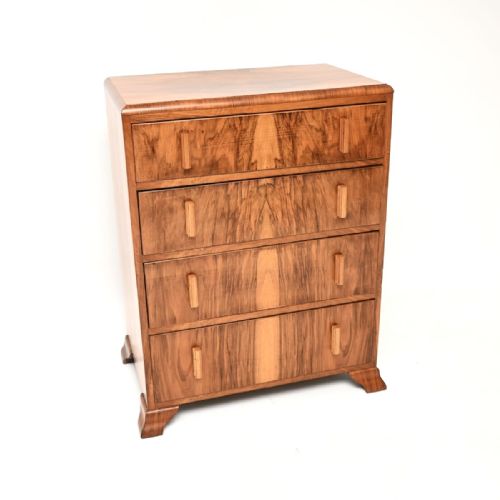
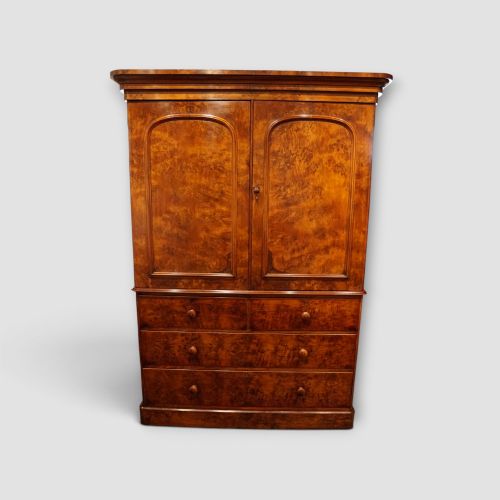
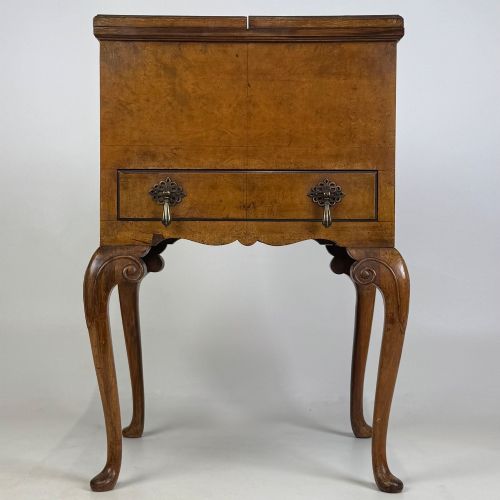
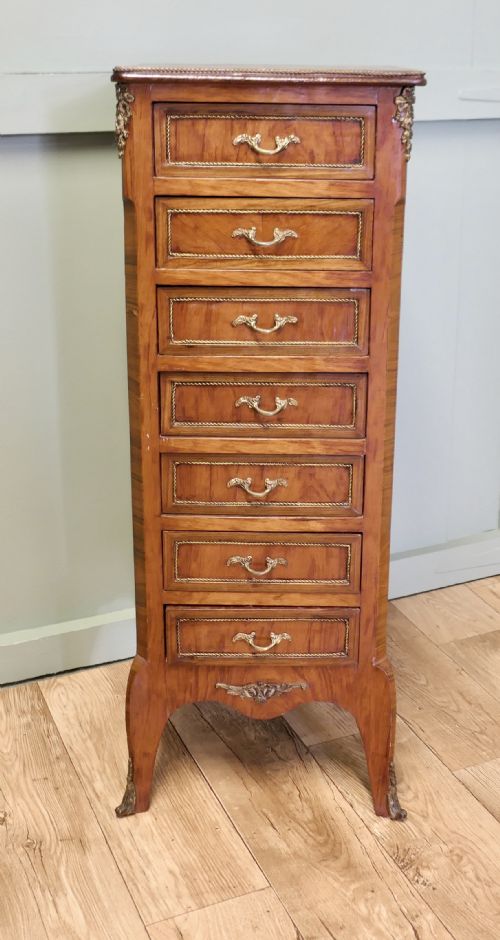
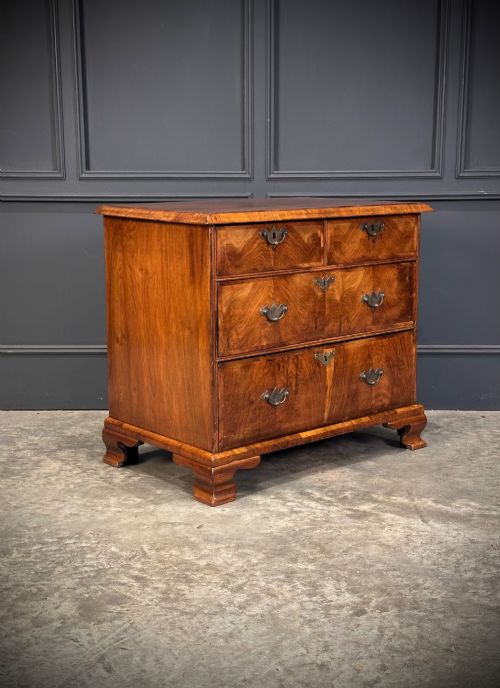
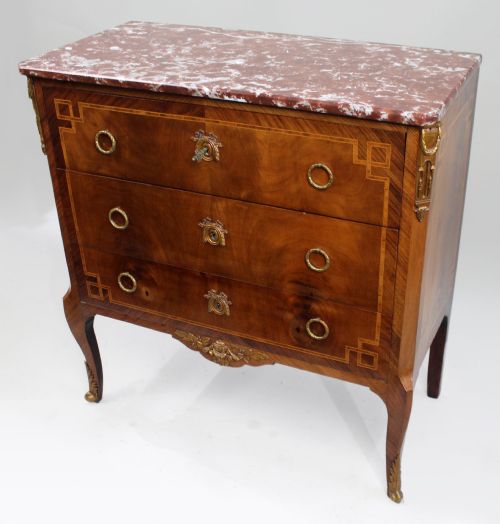
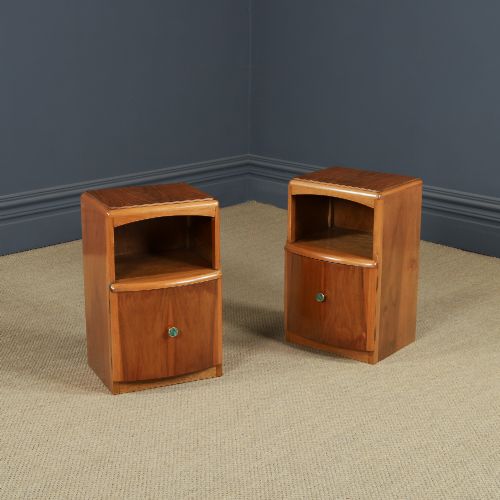
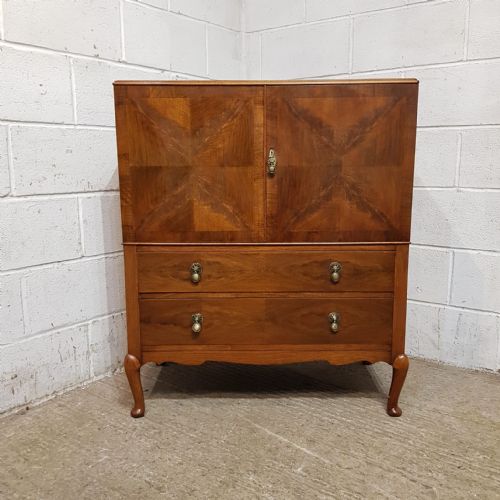
A vintage walnut chest cabinet encompasses diverse forms designed for domestic storage, ranging from compact bedside tables and music cabinets to tallboys and commodes. When searching for a vintage walnut chest cabinet, buyers frequently encounter pieces originating from the Edwardian era, the nineteen-twenties, and the nineteen-thirties.
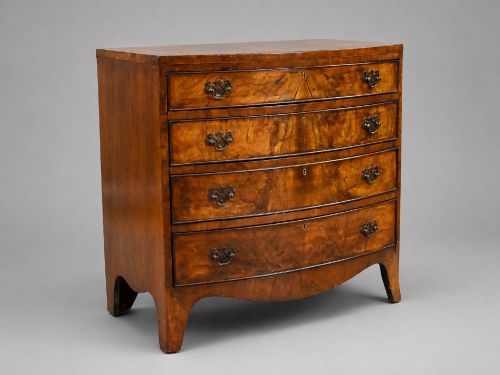
The selection includes eighteenth-century examples alongside revival styles such as Queen Anne and Art Deco iterations. Formats vary from chests on stands to bow-front drawers and marble-topped bedside cabinets, reflecting shifting interior fashions across multiple centuries.
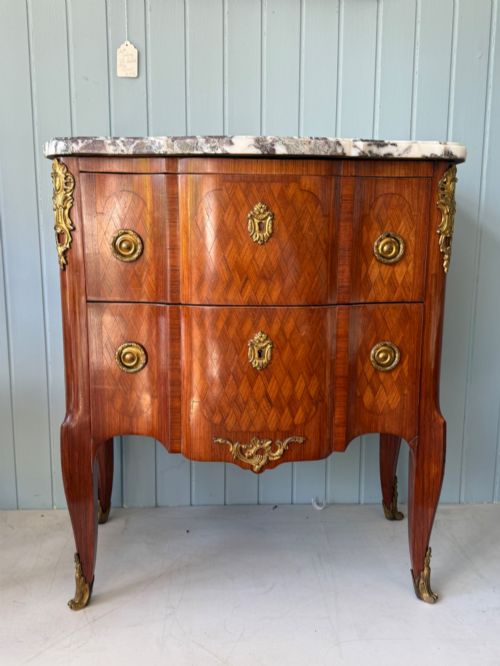
Makers utilised various configurations, incorporating doors, open storage areas, and multiple drawers to suit bedrooms, sitting rooms, and hallways. French commodes and English tallboys sit alongside matching pairs of nightstands, demonstrating the broad geographical scope of these storage items.
Materials and construction
Cabinet makers relied primarily on solid walnut and walnut veneer, frequently selecting burr walnut and figured walnut for decorative surfaces. These timber choices were often enhanced by marquetry inlay, revealing complex geometric or floral patterns across the drawer fronts and tabletops.
Durable additions such as brass hardware, ormolu mounts, and contrasting marble tops in grey or rouge provide structural weight and visual contrast. Bakelite elements appear on later twentieth-century iterations, while secondary timbers like oak support the internal carcase construction.
The inventory spans eighteenth-century Georgian designs through Edwardian pieces to Art Deco creations.
Factors determining quality
Quality rests upon the selection and matching of wood veneers, where symmetrical burr patterns indicate deliberate craftsmanship. The integration of auxiliary materials like heavy marble slabs and cast brass handles elevates the construction standard.
Proportion and execution of revival details, such as Queen Anne cabriole legs or Art Deco geometric curves, distinguish standard utility furniture from finer workshop output. Original surface preservation and timber depth dictate the overall standing of each piece.
Epstein
The Vintage Walnut Chest Cabinet Glossary
- Burr walnut
- A prized timber harvested from tree growths, yielding swirling, knotty grain patterns used for decorative cabinet fronts. This veneer required high skill to lay smoothly.
- Tallboy
- A vertical storage unit comprising a chest of drawers stacked upon another section, maximising vertical capacity. These pieces date across Georgian and later revival periods.
- Commode
- A low French chest of drawers, often fitted with a marble top and decorative mounts. They function as bedside or principal room storage.
- Chest on stand
- A cabinet or set of drawers elevated on a separate supporting frame with legs. This form lifts the main storage volume off the floor.
- Marquetry
- The art of applying small pieces of veneer to form decorative patterns and pictures. Craftsmen used contrasting woods to create intricate surface designs.
Vintage Walnut Chest Cabinet: Frequently Asked Questions
How do I date a walnut chest cabinet?
Dating relies upon observing construction methods, timber choice, and stylistic cues present in the handles and legs. Eighteenth-century pieces differ substantially in carcase assembly from nineteen-thirties Art Deco designs.
Examining drawer linings, dovetail joints, and secondary woods helps confirm the period of manufacture alongside any documented cabinetmaker marks.
Where should I place a bedside cabinet?
These compact cabinets suit bedroom environments next to standard bed frames, offering enclosed storage for personal items. Marble-topped versions tolerate moisture and liquids well.
Matching pairs provide symmetry in larger sleeping quarters, while single cabinets function effectively as lamp tables in reception spaces.
How do I care for walnut veneer surfaces?
Walnut veneer requires protection from direct sunlight and excessive moisture to prevent fading and lifting. Regular dusting with a soft cloth maintains the timber sheen.
Applying appropriate wax polishes occasionally nourishes the grain without building up heavy residue on the antique surface.