


Walnut Standing Cabinet
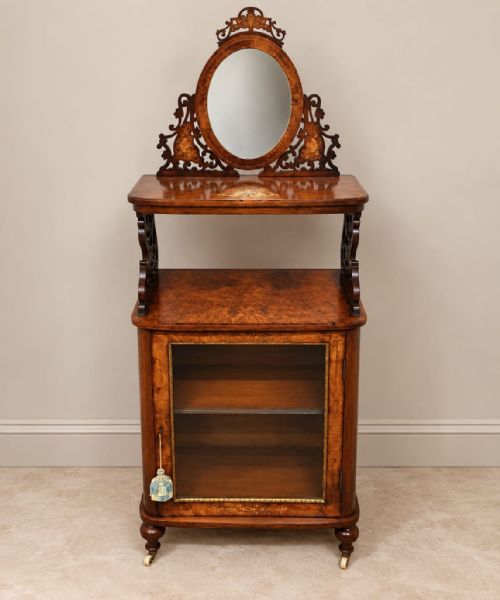
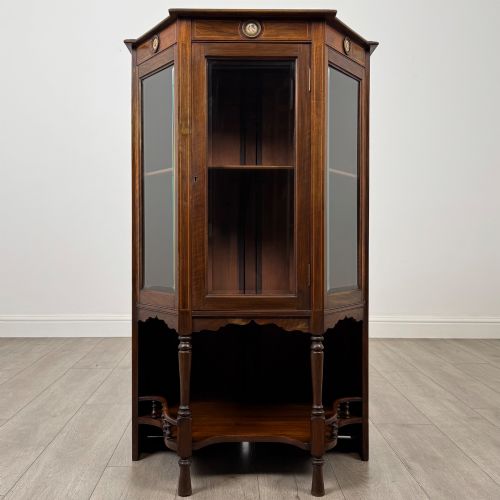
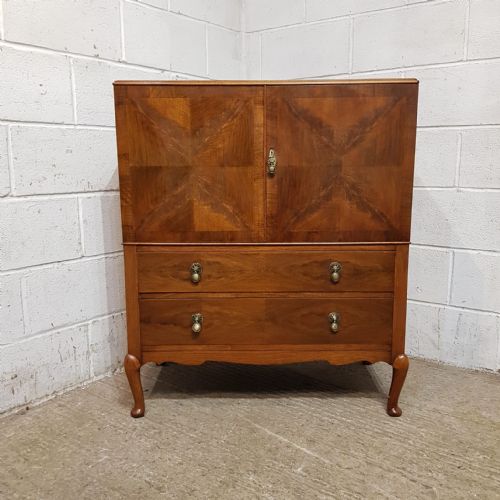
When choosing a walnut standing cabinet, expect elevated timber surfaces housing books, drinks, or music housed in centuries of British and continental design.
Walnut Standing Cabinet
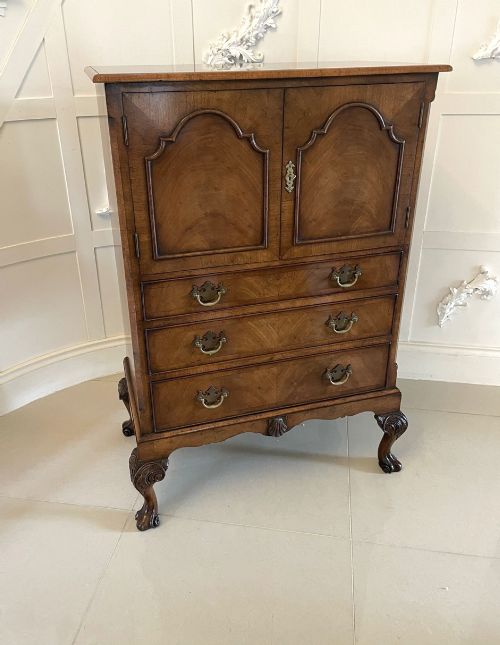
A walnut standing cabinet encompasses vertical furniture pieces designed to rest directly on the floor, spanning origins from the 17th century through the Victorian era and into the 1930s.
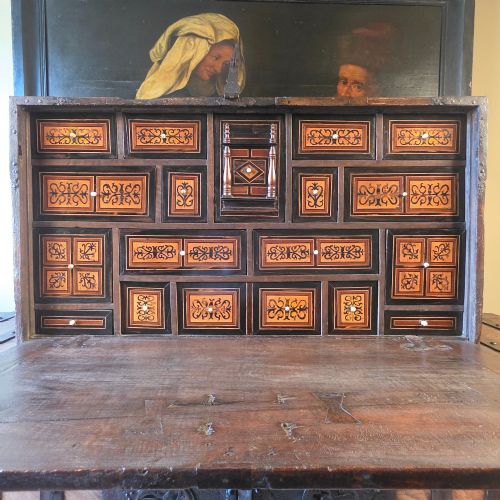
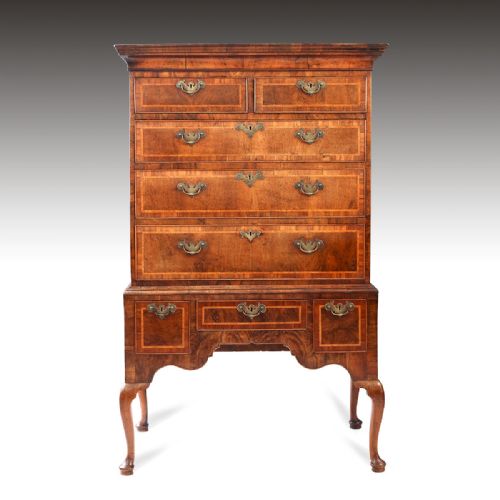
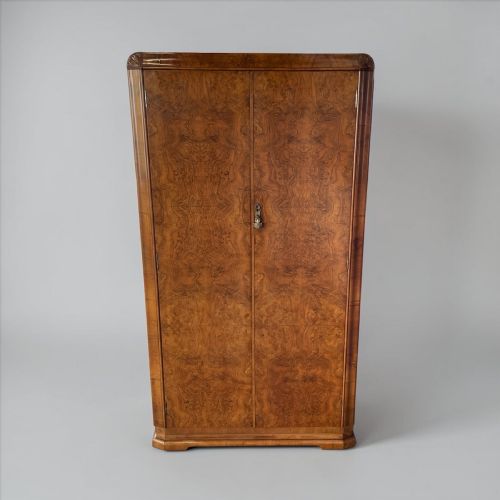
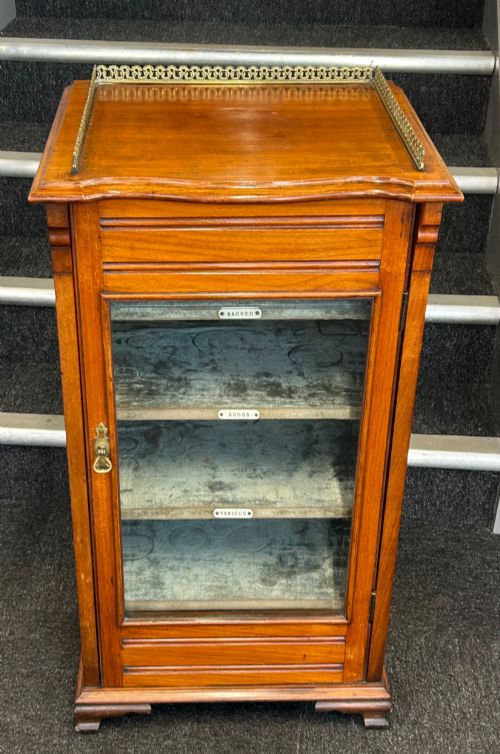
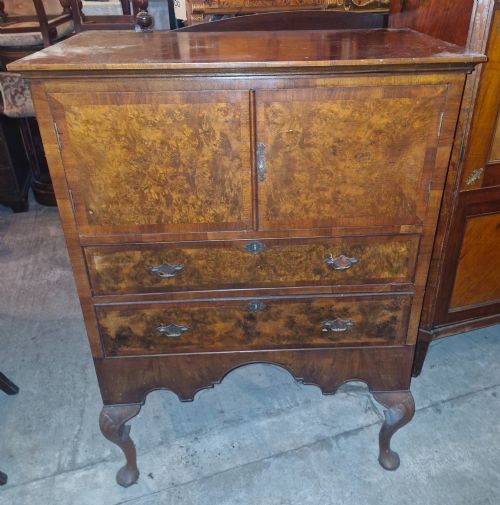
The selections encountered here stretch from early chest on stand designs and tallboys to glazed display cabinets, music cabinets, and cocktail cabinets.
Victorian and Edwardian iterations sit alongside 18th century forms, offering upright storage configured for specialised domestic collections.
Materials and Construction
Cabinet makers utilised solid walnut, burr walnut, and figured walnut veneers applied over secondary woods such as oak and fruitwood.
Decoration incorporates intricate floral marquetry, pewter and brass inlay, porcelain mounts, and carved giltwood details.
Glass panels, marble tops, and brass hardware complete the structural integrity of these vertical storage pieces.
Some music cabinets incorporate secret internal compartments designed specifically for concealing early 20th century gramophone needles.
Craftsmanship and Proportion
Superior examples display balanced proportions, symmetrical veneer matching, and crisp execution of marquetry or carving.
Finer pieces utilise high-grade burr walnut timbers and incorporate detailed interior fittings, quality locking mechanisms, and original mounts.
Construction methods, joinery tightness, and the preservation of original patination separate utilitarian pieces from masterworks.
Walker & Sons·Gabriel Viardot·Shoolbred & Co·Maple & Co
The Walnut Standing Cabinet Glossary
- Burr Walnut
- A timber harvested from the gnarled growth on walnut trees, prized for its swirling, highly figured grain patterns. It provides a decorative veneer applied to primary display surfaces.
- Chest on Stand
- A tall storage chest elevated upon a distinct supporting frame with legs. This configuration lightens the visual weight of heavy 17th and 18th century cabinetry.
- Marquetry
- The art of applying thin pieces of wood veneer and other materials to form decorative patterns and pictures. Floral motifs are particularly common on Victorian iterations.
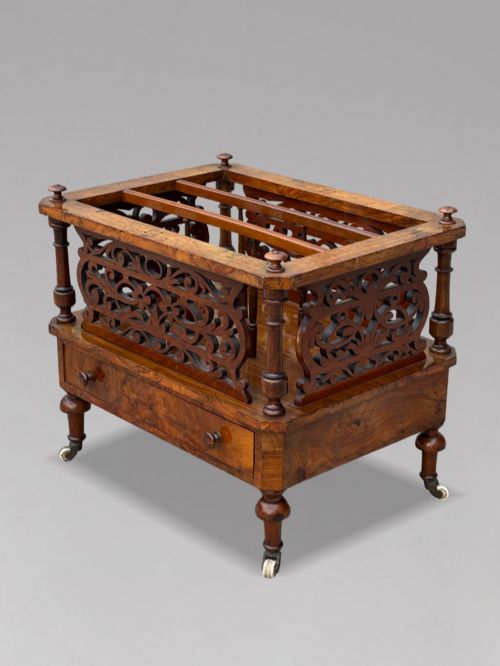
- Canterbury
- A low, compartmentalized stand originally built to hold sheet music or folios. Many examples incorporate drawer storage and upright partitions.
- Crossbanded
- A border technique where veneer strips are applied around the perimeter of a panel so the grain runs perpendicular to the central field.
Walnut Standing Cabinet: Frequently Asked Questions
What is a walnut standing cabinet used for?
These pieces serve as upright storage furniture designed to display china, organise sheet music, or conceal spirits and glassware.
Interior configurations vary by era, ranging from simple shelving and hanging space to specialised compartments for musical folios and cocktail accessories.
How do I date a walnut cabinet?
Dating relies on identifying structural characteristics, hardware styles, and veneer treatments associated with periods like the 17th century, Queen Anne, Victorian, or Art Deco.
Secondary woods and joinery methods inside drawers and carcases offer further clues regarding manufacturing eras.
How do I care for antique walnut?
Maintain the timber by keeping pieces away from direct sunlight and sudden temperature shifts that risk cracking the delicate veneers.
Apply microcrystalline wax sparingly to nourish the wood surface without building up residue.
What distinguishes burr walnut from figured walnut?
Burr walnut derives from tree growths containing chaotic, swirling grain patterns that create organic, eye-catching textures across the cabinet doors.
Figured walnut exhibits regular yet striking linear or rippled grain variations that catch the light differently than standard straight-grained timber.