
Walnut Occasional Side Table
A walnut occasional side table brings warmth and rich timber grain to a room while serving as a practical surface for daily use.
Walnut Occasional Side Table
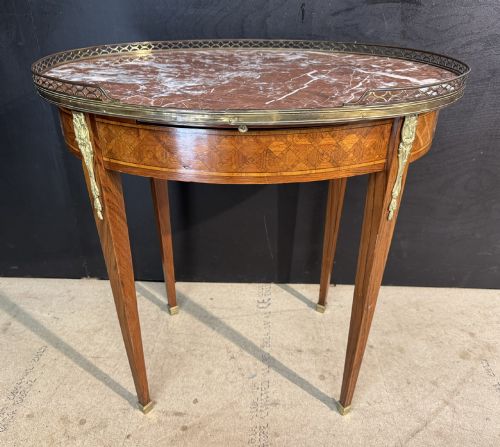
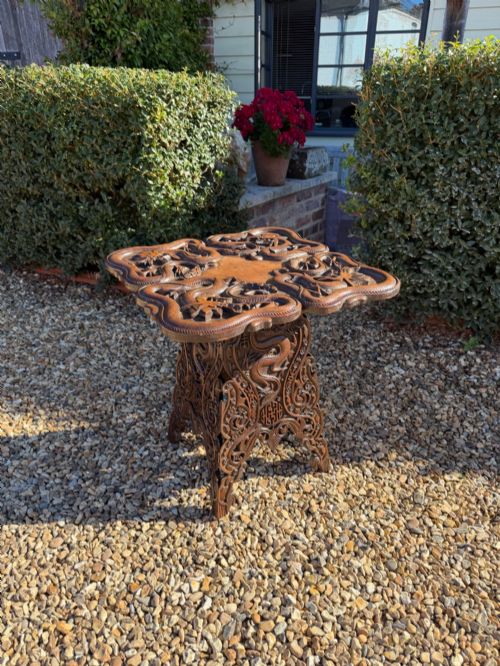
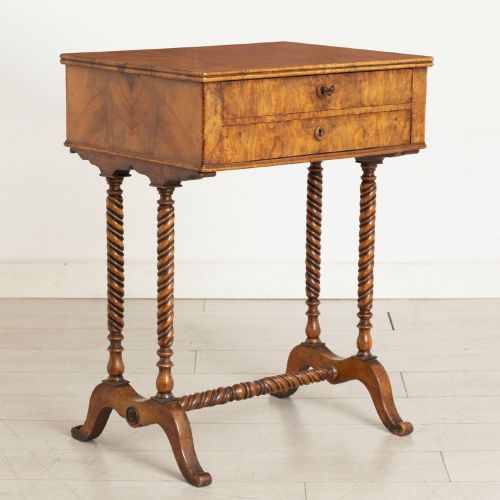
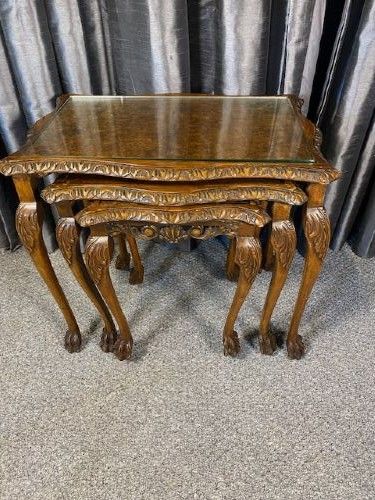
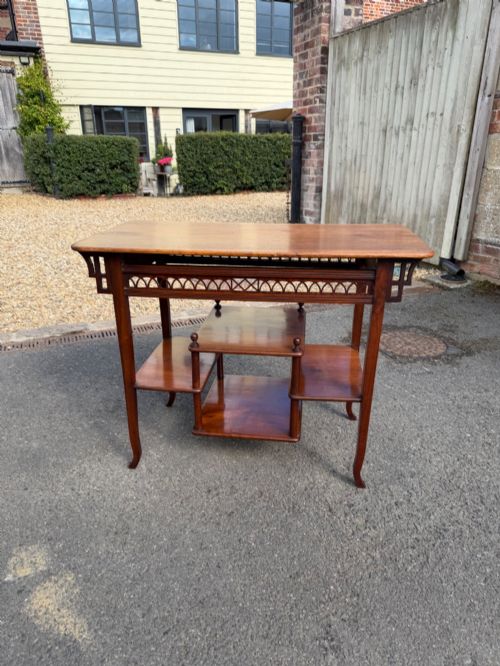
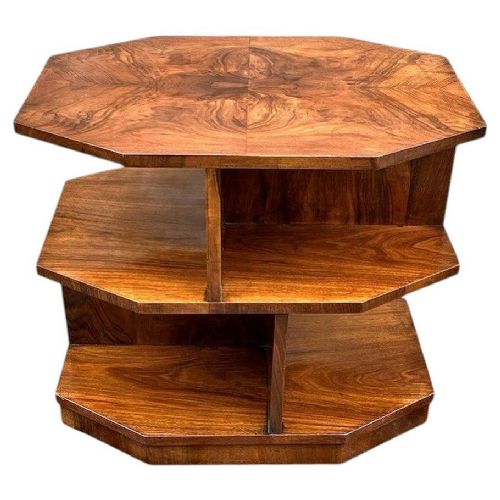
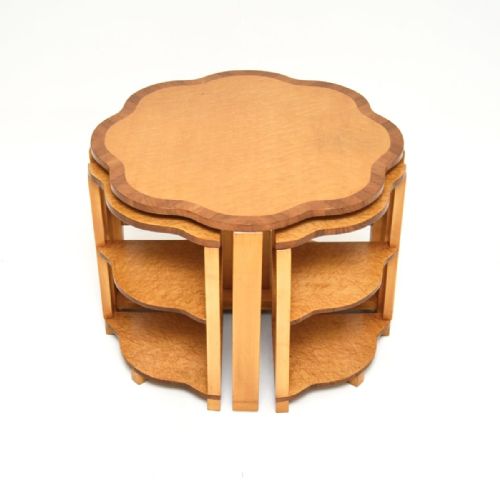
A walnut occasional side table encompasses a diverse group of compact furniture pieces designed for flexibility around the home, appearing frequently in Victorian and Art Deco guises. These pieces range from lamp and wine tables to nests of tables, Sutherland tables, and dedicated coffee or writing formats.
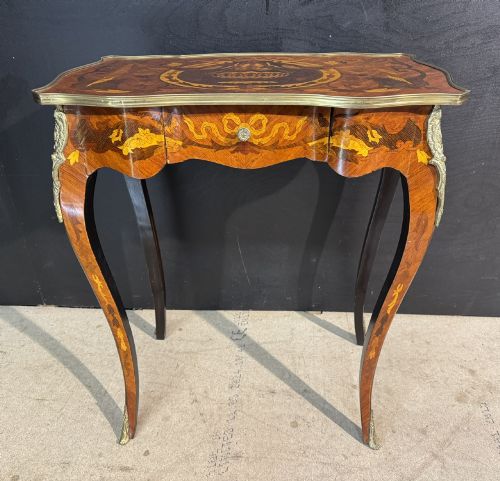
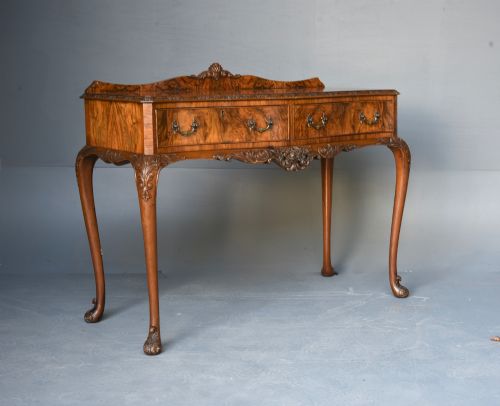
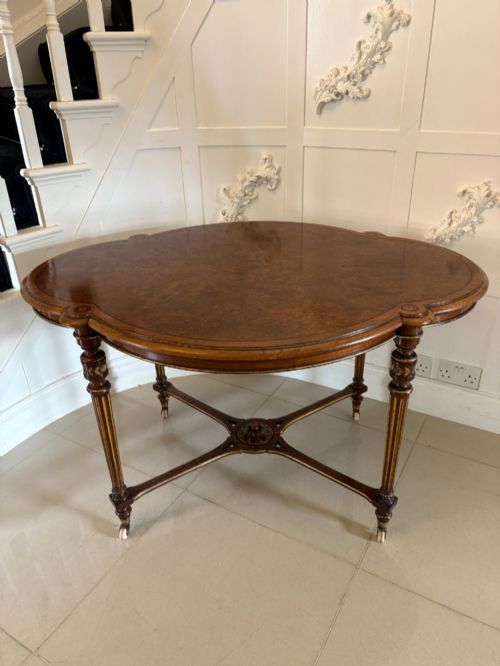
The selections span from eighteenth-century Georgian examples to twentieth-century Art Deco interpretations, alongside revivalist French Louis XV styles. Buyers often encounter Victorian burr walnut versions featuring turned pedestals or inlaid tops, as well as streamlined nineteen-thirties geometric silhouettes.
Originating primarily from British, French, and Italian workshops, these items adapt easily beside seating or in hallways. Their utility lies in offering a modest surface area combined with decorative wood figurations.
Materials and construction methods
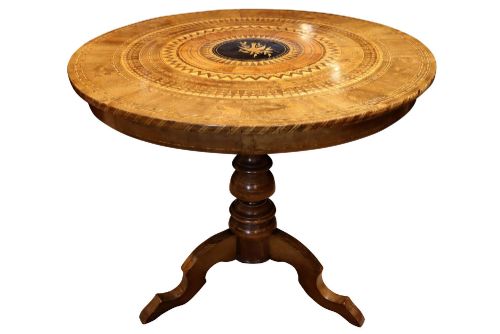
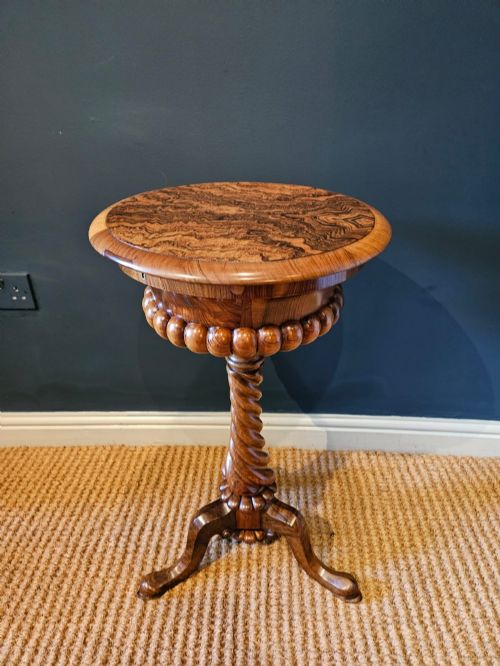
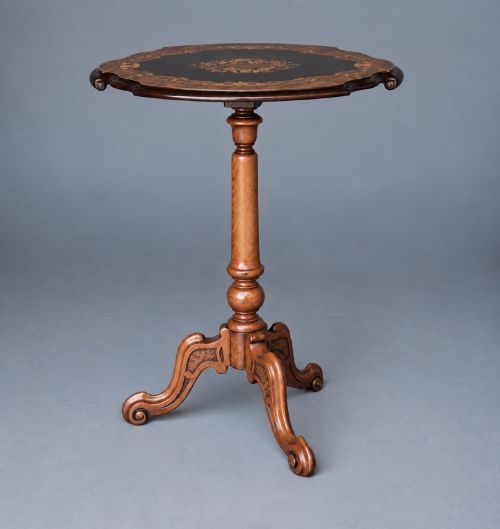
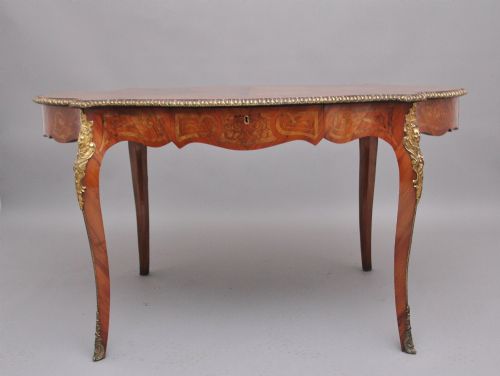
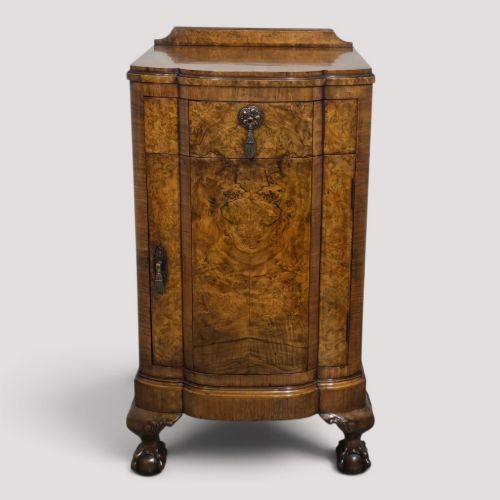
Makers utilised solid timber frames alongside finely figured veneers, particularly burr and birds-eye walnut, to create decorative table tops with striking natural patterns. Marquetry and parquetry inlays frequently embellish the surfaces, occasionally incorporating contrasting woods, brass mounts, or ormolu details.
Structural elements commonly combine secondary timbers such as mahogany, beech, or pine with walnut outer layers. Joinery techniques range from traditional hand-cut joints on earlier pieces to specialised veneering methods seen on twentieth-century Art Deco iterations.
Several tables include clever folding mechanisms or glass backs, proving that Victorians loved a multipurpose gadget just as much as we do.
Distinguishing quality across the range
Quality rests heavily upon the choice and matching of the walnut veneer or timber, where symmetrical grain patterns and careful book-matching elevate a piece visually. The crispness of hand-carved details, precision of marquetry inlay, and integrity of the underlying structure set finer examples apart from simpler utility items.
Signed works by established makers demonstrate superior cabinet-making standards through refined proportions, stable joinery, and durable French polished finishes that highlight the natural depth of the wood.
JAS Shoolbred·Maple and Co
The Walnut Occasional Side Table Glossary
- Burr Walnut
- Timber harvested from the growth excrescences on walnut trees, yielding highly swirled, knotty grain patterns. This material is prized for high-end Victorian and Art Deco table tops.
- Marquetry
- The art of applying pieces of veneer to a structure to form decorative patterns and pictures. It appears frequently on eighteenth-century and revivalist table surfaces.
- Sutherland Table
- A narrow drop-leaf table featuring exceptionally slender folding leaves supported by swinging gate legs. It was designed to save space in Victorian parlours.
- Parquetry
- Geometric mosaic woodwork used for surface decoration, commonly seen on French and English table tops. It relies on precise angular veneer placement.
- Tripod Table
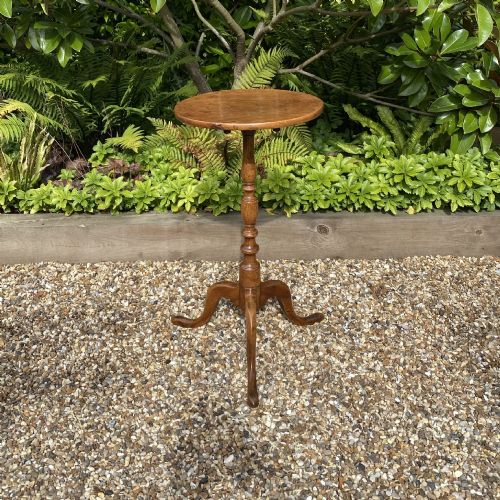
- A small occasional table supported by a central pillar above three splayed legs. This format allows the table to stand steadily on uneven floors.
Walnut Occasional Side Table: Frequently Asked Questions
What is a walnut occasional side table used for?
These pieces serve as small, movable surfaces positioned beside seating, beds, or in hallways to hold lamps, drinks, or decorative objects. Their compact nature allows them to be relocated easily as household needs change.
In period settings, specific variants like Sutherland tables or nests provided adaptable surfaces for tea and writing that could be folded away or stacked when not required.
How do I identify a Victorian walnut table?
Victorian examples frequently display rich burr walnut veneers, turned pedestals with tripod bases, and detailed marquetry or stringing inlay. They often exhibit heavier proportions and darker French polished finishes compared to lighter twentieth-century designs.
Many incorporate functional details such as under-tiers, glass backs, or drop leaves suited to nineteenth-century parlour domestic routines.
What distinguishes Art Deco walnut tables?
Art Deco pieces rely on clean geometric lines, highly figured walnut or birds-eye maple veneers, and streamlined silhouettes free of heavy historic ornamentation. They emphasise the natural, symmetrical grain patterns of the wood itself.
These tables frequently double as low coffee formats or nesting sets designed for modern, open twentieth-century living spaces.
How should I care for antique walnut furniture?
Maintain walnut surfaces by keeping them away from direct sunlight and consistent heat sources, which can dry out the timber and crack veneers. Regular dusting with a soft, dry cloth preserves the polished finish.
Occasional application of appropriate wax polish helps nourish the wood and maintain its natural lustre without building up heavy residues.