

Walnut Glass Vitrine
A walnut glass vitrine provides an elegant stage for precious objects, combining visible timber grain with clear panels to showcase collections.
Walnut Glass Vitrine
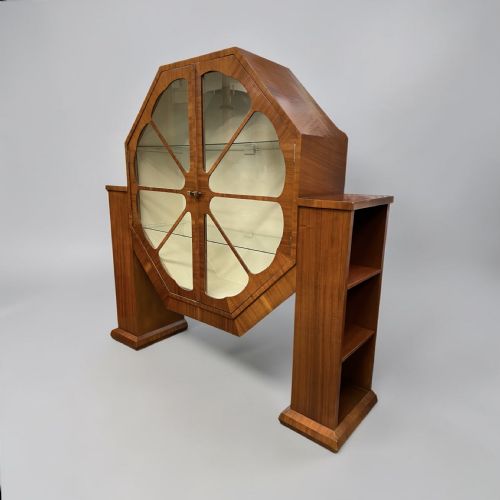
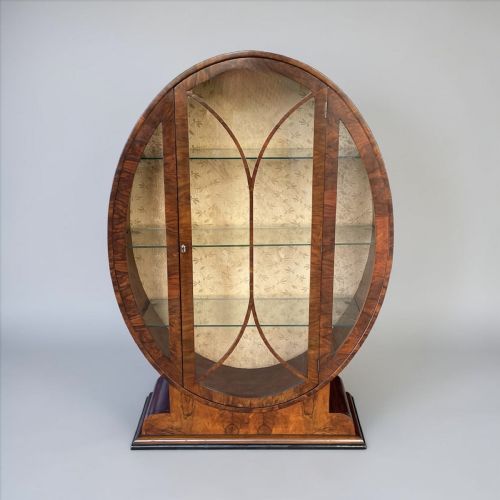
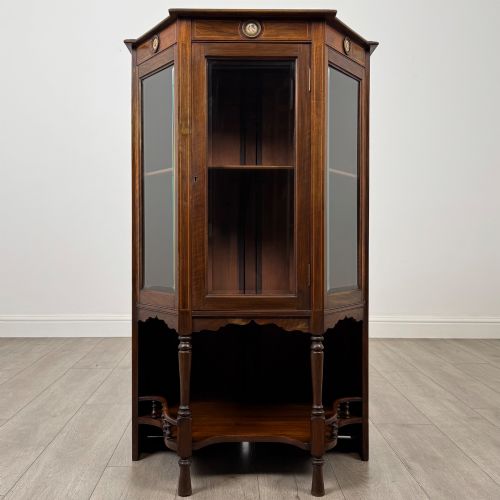
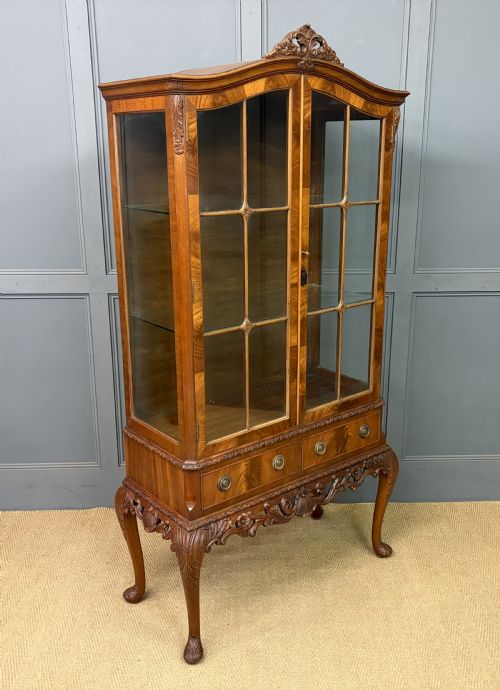
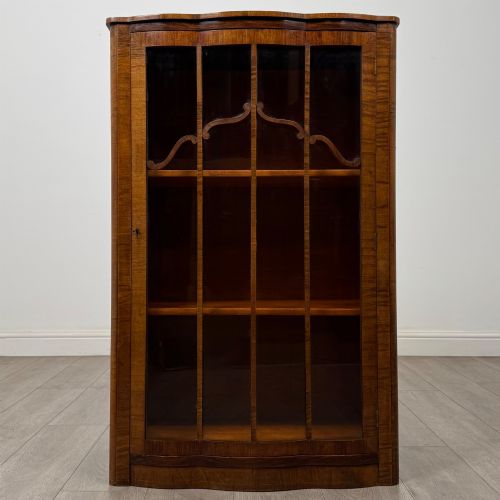
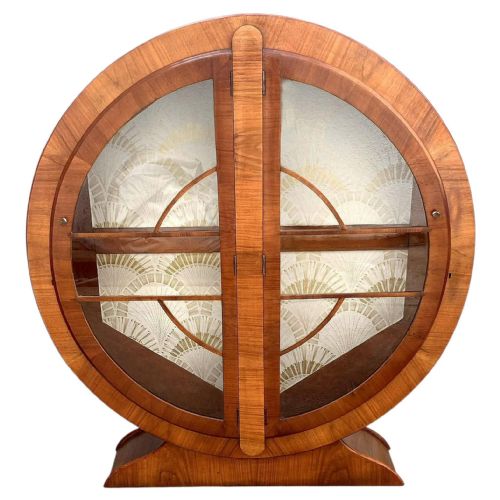
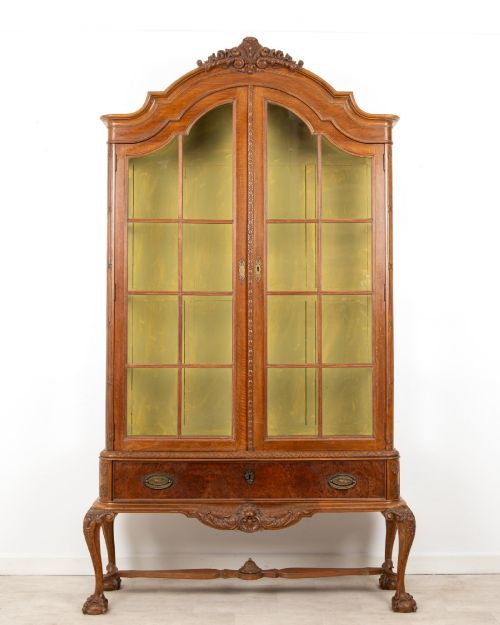
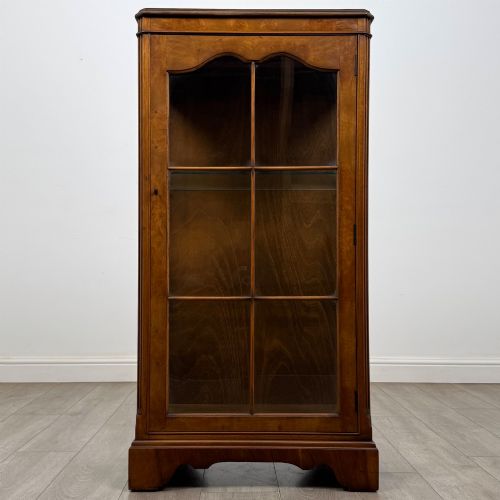
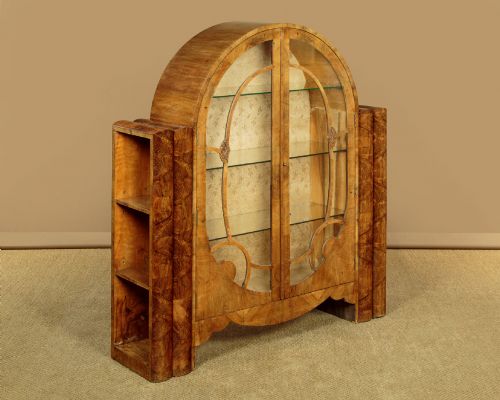
A walnut glass vitrine is a cabinet designed primarily for the display of ceramics, books, or small valuables behind glazed doors. The selection ranges from nineteenth-century Victorian and Edwardian examples to twentieth-century Art Deco forms.
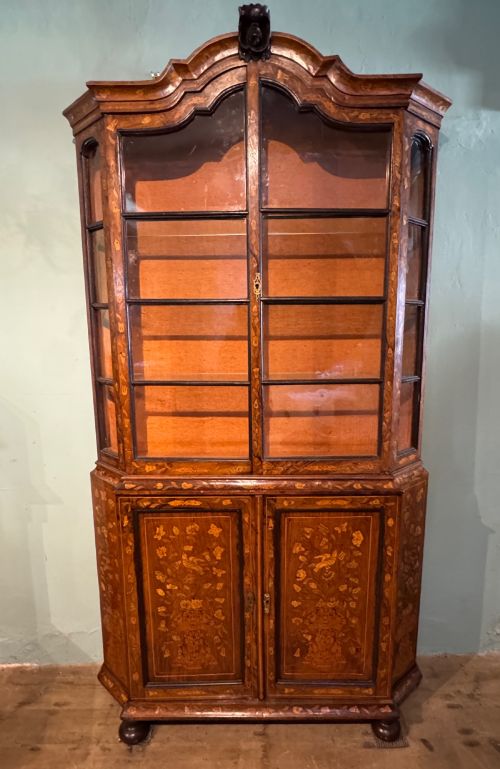
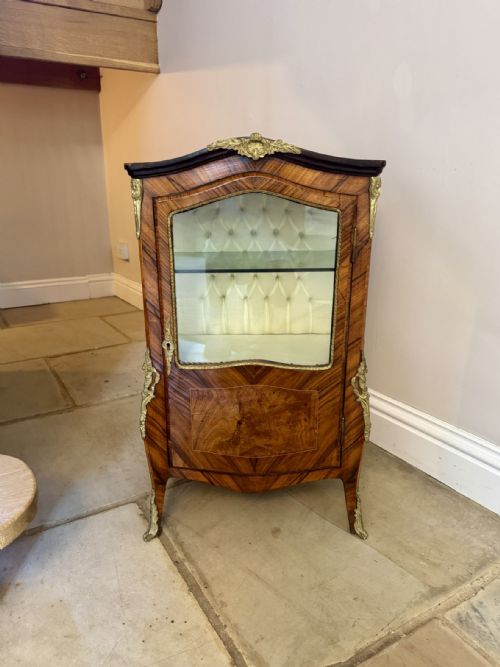
Makers and workshops construct these items as corner cabinets, pier cabinets, freestanding display cabinets, and bijouterie tables. Pieces span historical revivals such as Louis XV and Queen Anne, alongside Dutch marquetry and French provincial designs.
Buyers encounter walnut timber in plain, figured, and burr varieties, frequently paired with glass panes and sometimes leaded sections. The forms serve to protect delicate items while offering clear sightlines from multiple angles.
How they were made
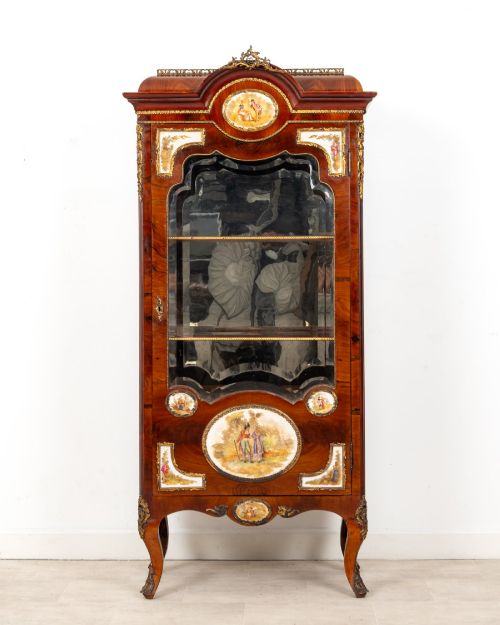
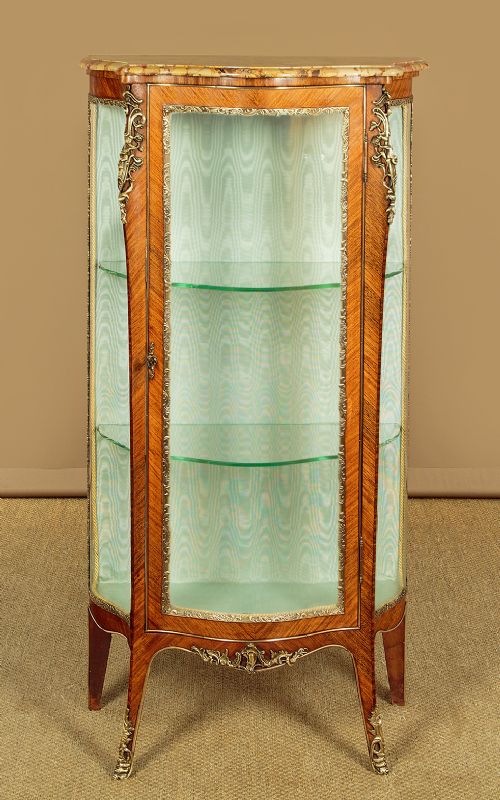
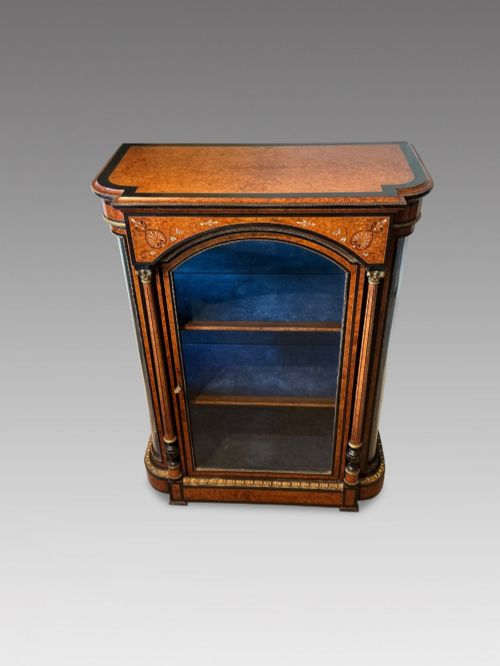
Craftsmen construct the primary carcasses using walnut, burr walnut, and kingwood veneers over supporting timbers, incorporating glass for door panels and side screens. Marquetry and inlaid details appear across several styles to ornament the surface grain.
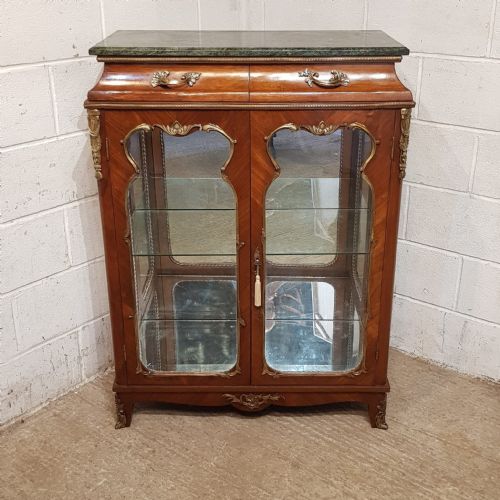
Metal mounts in brass and ormolu decorate the corners, frames, and feet of French and Victorian iterations. Fabric or velvet linings frequently furnish the internal shelving spaces where objects rest.
The listings span multiple eras from the nineteenth century through the 1930s, featuring walnut, kingwood, ormolu, and velvet elements.
What varies in quality
Quality rests in the selection of the timber veneer, such as figured or burr walnut, and the precision of marquetry inlay. The crispness of cast ormolu mounts and the integration of internal velvet linings also separate standard pieces from finer examples.
Structural integrity depends upon the joinery of the glazed doors and the clarity of the glass panels. Pieces bearing attribution to known makers or distinctive architectural forms like cathedrals or clove shapes demonstrate greater design ambition.
Maple & Co.·Rurka·Maurice Adams·Epstein
The Walnut Glass Vitrine Glossary
- Vitrine
- A glass-sided cabinet designed for displaying porcelain, curiosities, or decorative objects. These cases protect items from dust while maintaining all-around visibility.
- Burr Walnut
- Timber taken from the gnarled growths on walnut trees, yielding complex and swirling grain patterns. Cabinetmakers prize this wood for decorative veneering on prominent surfaces.
- Ormolu
- Gilded bronze mounts applied to furniture for decorative effect, prevalent in nineteenth-century French and Victorian design. These metal elements accentuate the corners and frames of cabinets.
- Bijouterie
- A low display table or cabinet with a glass top, intended for small personal items such as jewellery or medals. These tables often feature hinged lids and velvet interiors.
- Marquetry
- The art of applying pieces of veneer to a structure to form decorative patterns or pictures. Craftsmen utilise various woods to create intricate floral or geometric designs on cabinet doors.
Walnut Glass Vitrine: Frequently Asked Questions
What is a walnut glass vitrine used for?
These cabinets serve to exhibit collections of porcelain, glassware, books, and small decorative items inside a room. The glass panels keep dust away while allowing light to reach the contents from multiple angles.
Historically, households placed them in drawing rooms and parlours to display prized possessions to guests. Today, owners continue to use them for focal displays of personal treasures.
How do I date a walnut glass vitrine?
Dating relies upon stylistic markers, construction methods, and materials recorded across the Victorian, Edwardian, and Art Deco periods. For instance, geometric waterfall shapes and leaded glass point toward nineteen-thirty Art Deco production.
Earlier nineteenth-century examples often feature ormolu mounts, heavy Victorian marquetry, or specific revival styles like Louis XV. Examining the type of walnut veneer, such as burr or plain timber, further helps narrow the era.
Where should I place a vitrine at home?
Positioning a display cabinet requires a spot with stable temperature away from direct sunlight, which can fade internal fabric linings and timber. Placing the piece against an interior wall protects the structure from dampness and thermal shock.
Sufficient walking space around the cabinet ensures that doors can swing open safely for rearranging objects. Well-lit corners or neutral walls allow the wood grain and glass panels to stand out.
How do I care for walnut and glass?
Maintaining the wood involves dusting with a soft cloth and occasionally applying suitable furniture wax to preserve the sheen of the walnut veneer. Avoid using harsh chemical sprays that might damage the antique finish or surrounding metal mounts.
Glass panels require gentle cleaning with a mild glass cleaner applied to the cloth rather than directly onto the frame. This prevents moisture from seeping into the timber joints or fabric linings.