
Walnut Glass Display Case
These walnut glass display case pieces bring together timber and light to hold what you value most.
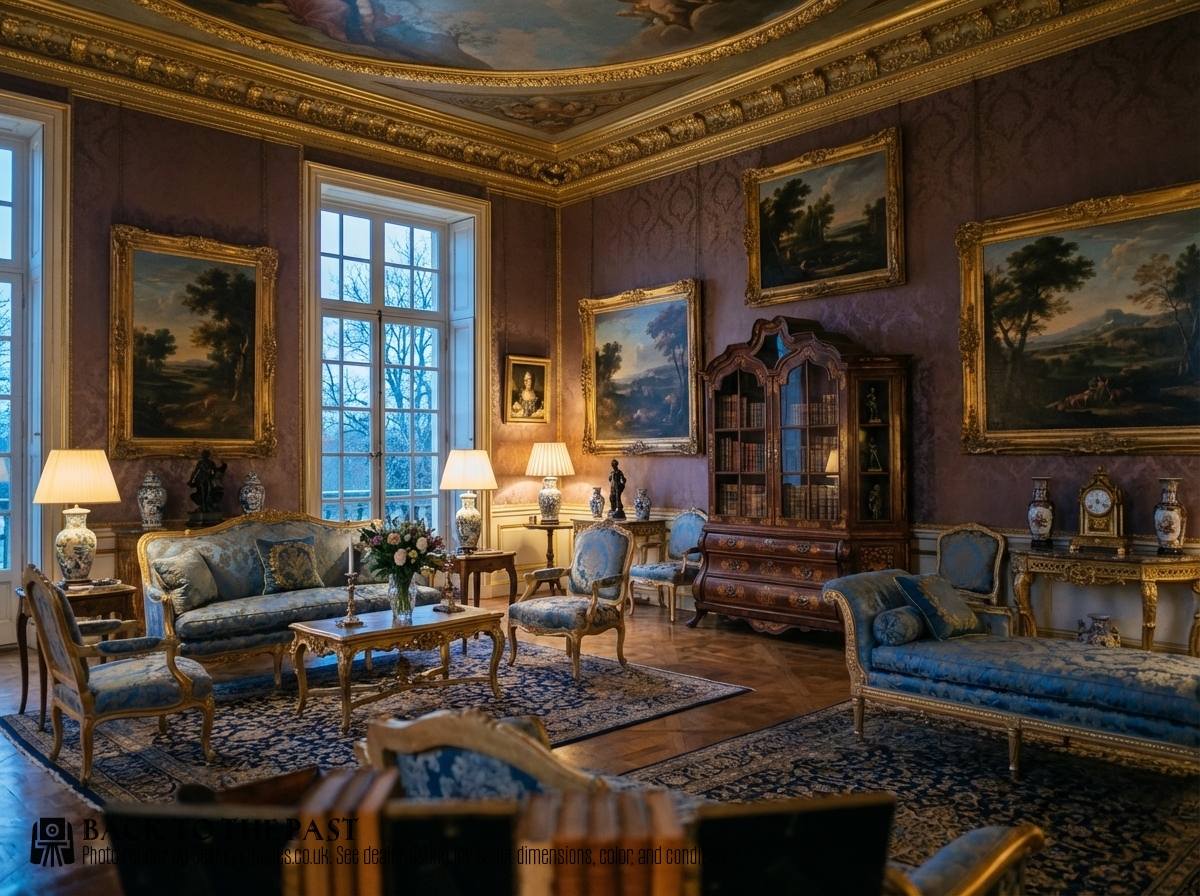
Walnut Glass Display Case
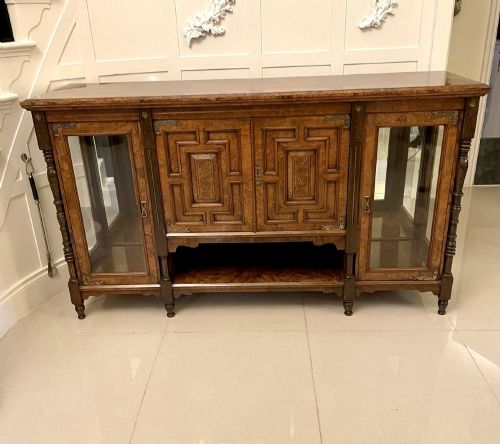
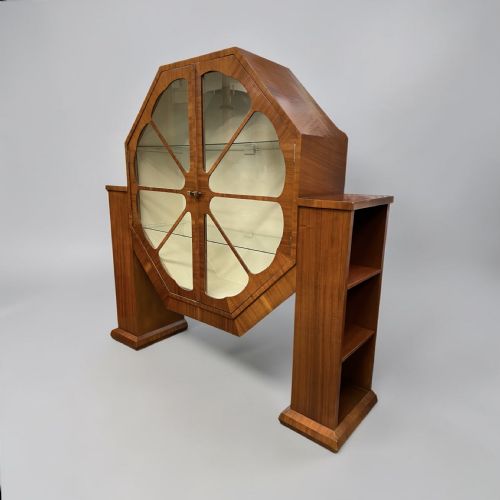
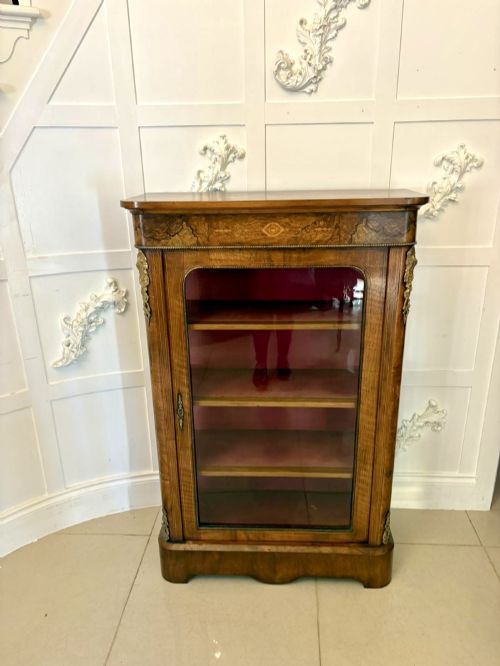
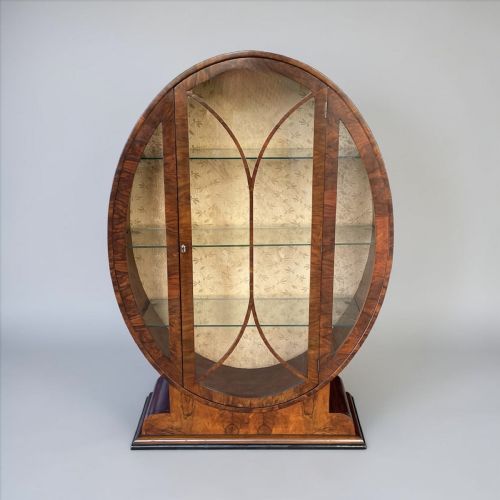
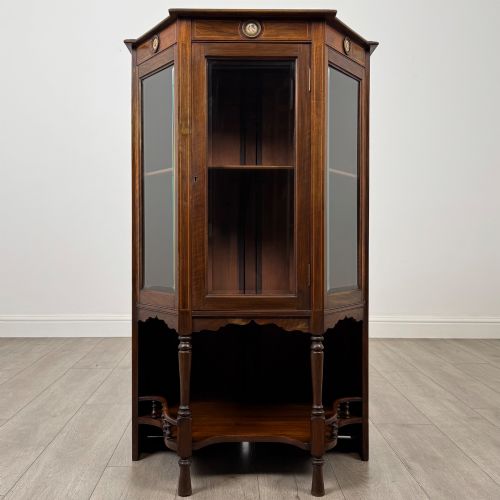
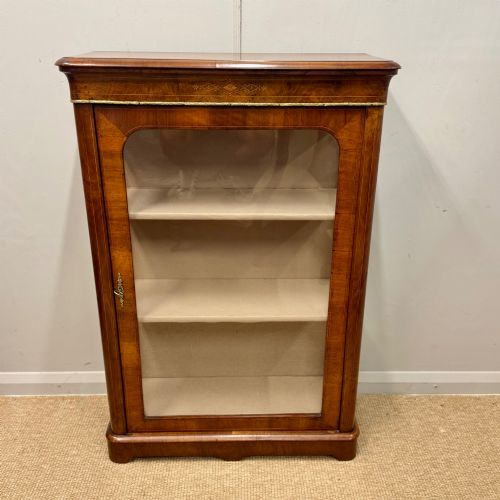
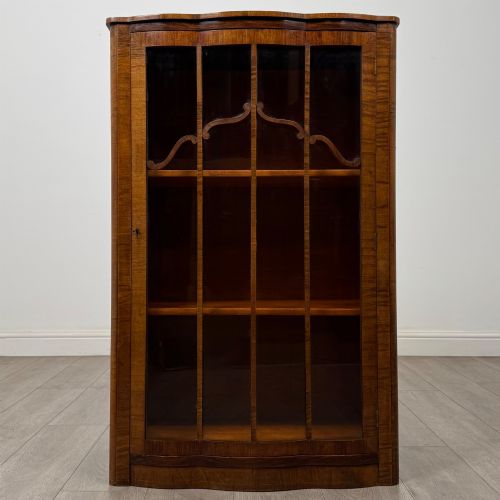
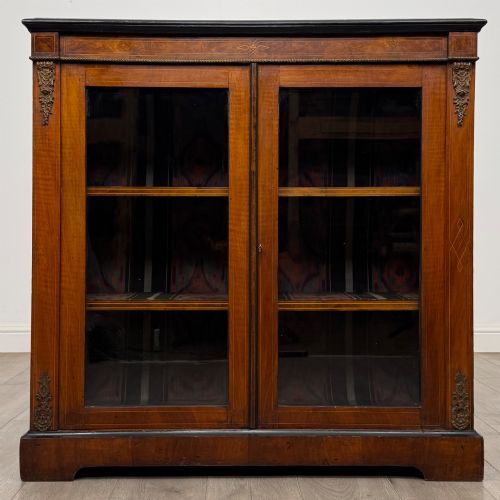
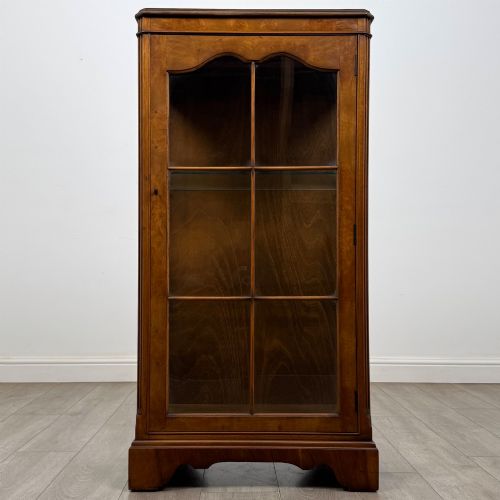
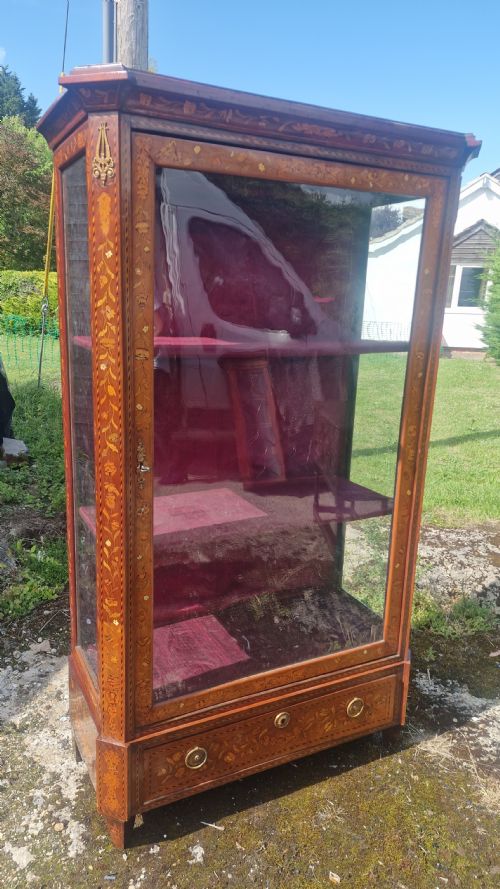
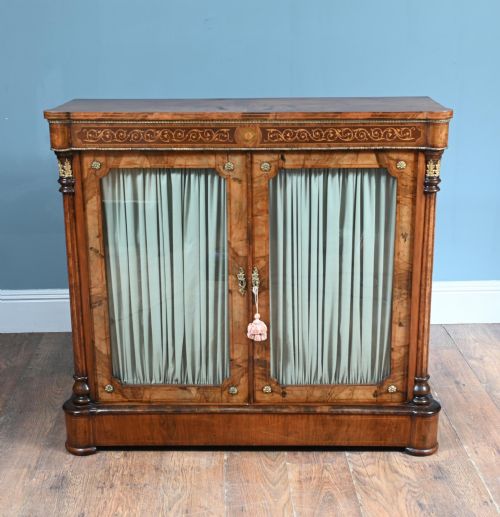
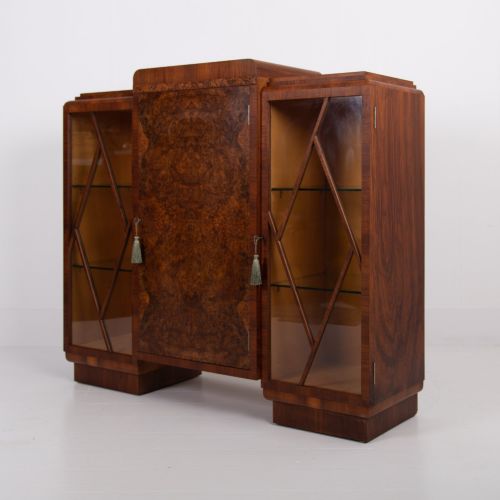
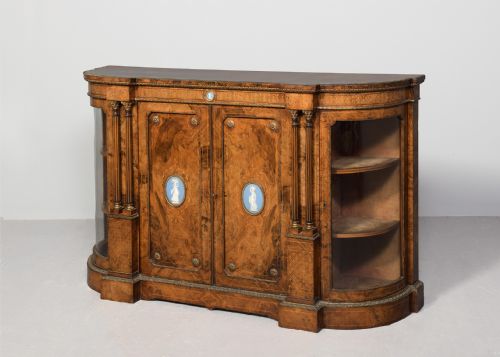
A walnut glass display case serves to exhibit collections and precious objects behind glazed doors while protecting them from dust. When you search for a walnut glass display case, you encounter forms ranging from compact pier cabinets to substantial credenzas and bookcases. The selection draws heavily upon Victorian and Edwardian periods alongside Art Deco designs from nineteen thirty.
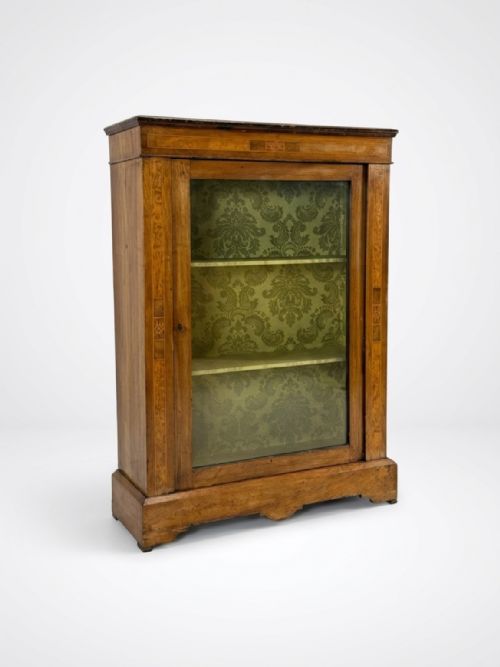
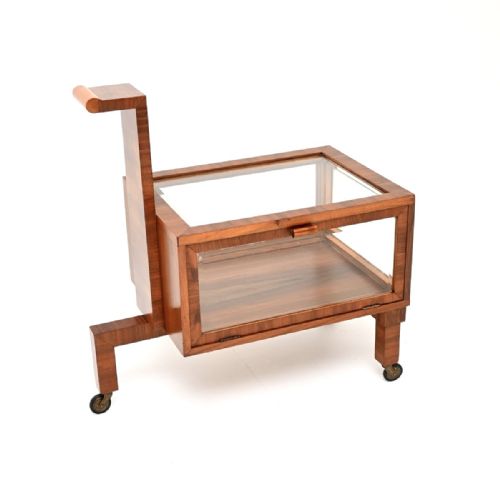
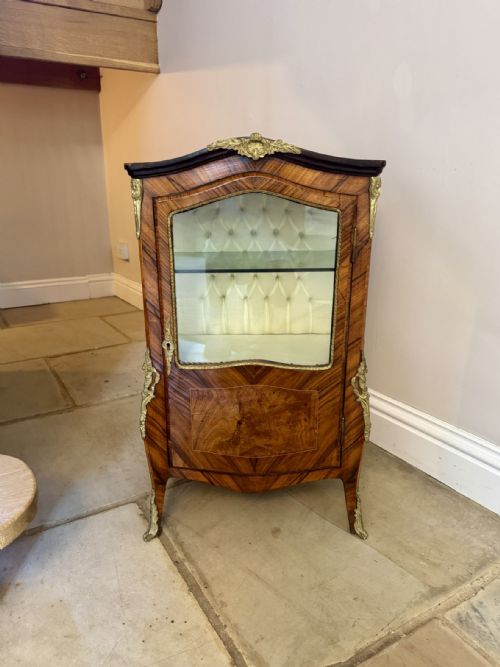
Victorian examples frequently utilise burr walnut and incorporate marquetry inlay with brass or ormolu mounts. Edwardian and later twentieth-century interpretations favour figured walnut veneers and clean lines suitable for varied interiors. Forms include tall vitrines, circular display units, and serving carts with glass panels.
Materials and construction
Makers utilised solid walnut and decorative veneers such as burr and figured walnut applied to secondary timbers. Surfaces often feature marquetry inlay, ebony stringing, or kingwood banding to frame the grain patterns.
Metal mounts in brass and ormolu decorate corners, doors, and pediments on nineteenth-century pieces. Glazing relies on fitted glass panels held within timber frames, sometimes complemented by velvet or fabric linings inside the cabinet.
Among the glass cases hide clever clover-shaped display units and serving carts ready to wheel tea across the floor.
Quality variations
The degree of refinement in timber selection distinguishes individual pieces, particularly where highly figured burr walnut veneers are matched across drawer fronts and doors. Superior examples display meticulous marquetry inlay and crisp cast metal mounts rather than simple stamped brass.
Construction standards appear in the seamless fitting of glazed doors, the stability of internal shelving, and the condition of the polishing. Pieces originating from prominent workshops maintain tight joinery and well-preserved surface patination.
Epstein
The Walnut Glass Display Case Glossary
- Pier cabinet
- A narrow cabinet designed to stand against a wall pier between windows. These pieces often feature glass doors and internal shelving.
- Credenza
- A low sideboard or cabinet originating in the nineteenth century, frequently fitted with glass-fronted side cupboards and central shelving. They sit low to the ground and anchor a room.
- Vitrine
- A glass-sided cabinet or case designed specifically for displaying curiosities, porcelain, or objects of art. They let light enter from multiple angles.
- Ormolu
- Gilded bronze mounts applied to furniture for decoration. This technique adds metallic contrast to the dark walnut timber.
- Marquetry
- Decorative patterns formed by the insertion of pieces of wood into a veneer. Craftsmen use varied timbers to create floral or geometric motifs.
Walnut Glass Display Case: Frequently Asked Questions
What periods do these cases come from?
The available pieces span the nineteenth and twentieth centuries, taking in Victorian and Edwardian eras alongside nineteen thirty Art Deco examples.
Victorian pieces often showcase burr walnut and ormolu mounts, whilst later twentieth-century items lean towards streamlined veneers and glass configurations.
How were pier cabinets used?
Pier cabinets were originally built to occupy the narrow wall spaces between large windows in formal nineteenth-century reception rooms. Their glass doors allowed daylight to illuminate prized porcelain and ornaments kept inside.
Today they function well in smaller spaces where a full-sized bookcase or sideboard would overwhelm the room.
Are the shelves adjustable?
Many nineteenth-century pier cabinets and credenzas feature fixed wooden shelves or simple timber supports. Later twentieth-century display cases and bookcases sometimes incorporate adjustable fittings.
Checking the interior construction reveals how the internal space accommodates books or tall display objects.
How do I care for walnut veneer?
Walnut veneer benefits from stable room temperatures away from direct sunlight and heat sources, which can dry out the timber. Regular dusting with a soft, dry cloth preserves the polished surface.
Applying occasional appropriate furniture wax helps maintain the lustre of the burr and figured grain patterns without building up heavy residues.