


Walnut Glass Cabinet
When you search for a walnut glass cabinet, you are looking at glazed display pieces designed to show and protect treasured possessions.
Walnut Glass Cabinet
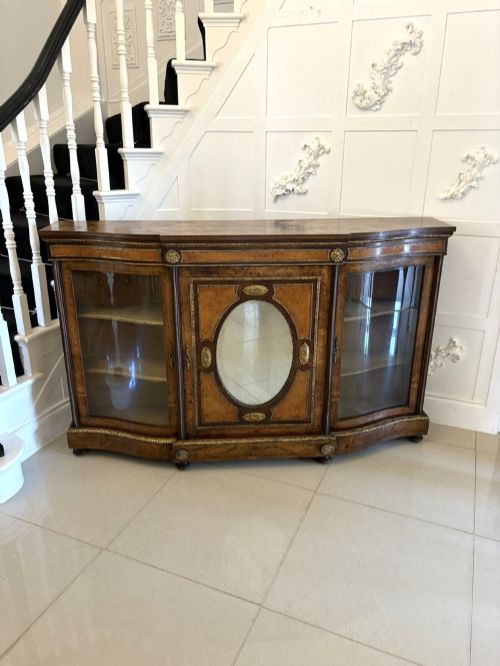
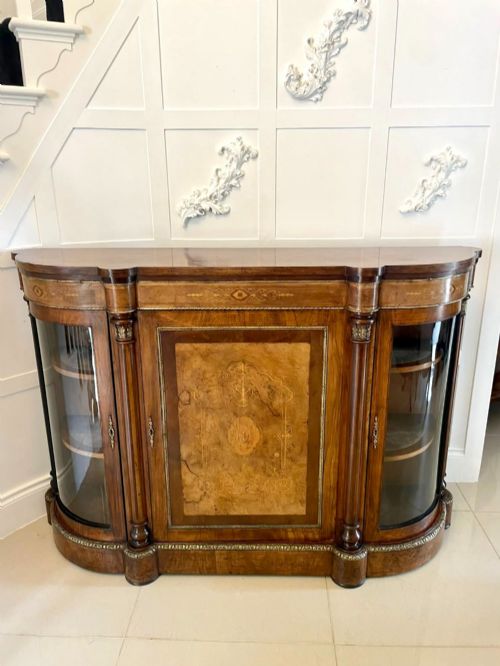
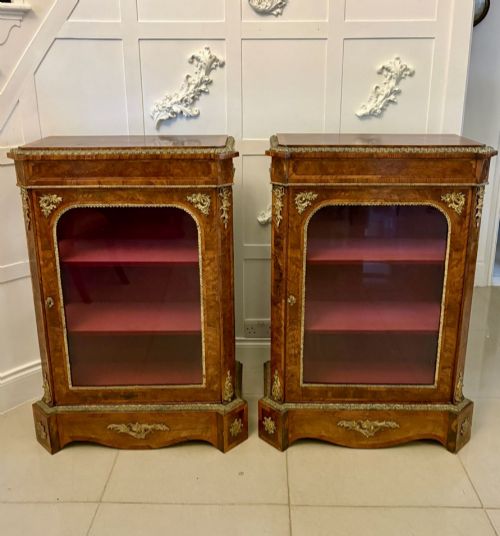
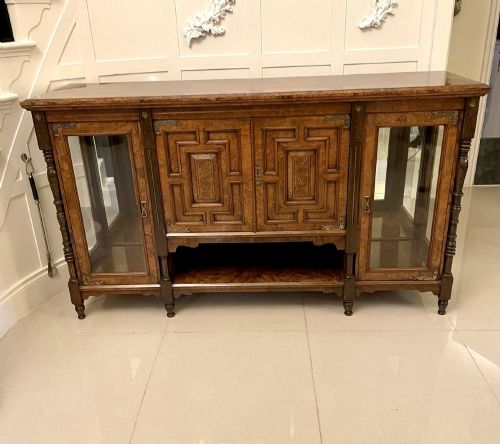
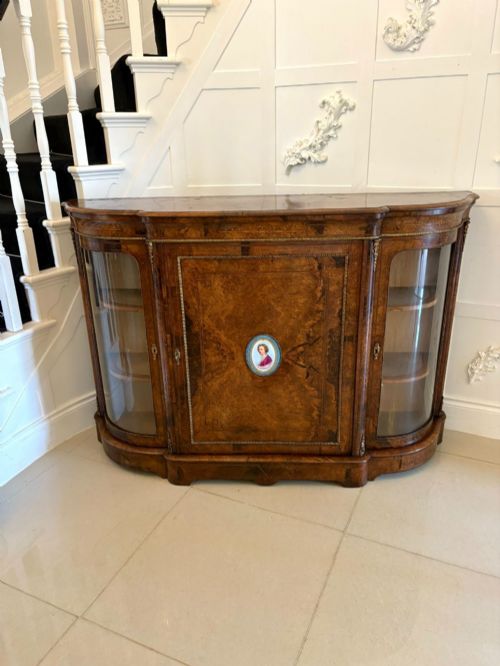
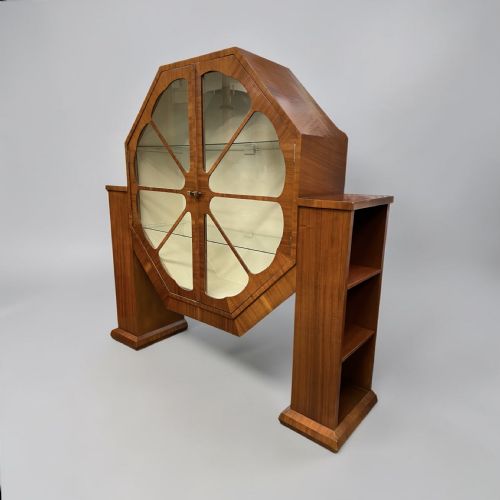
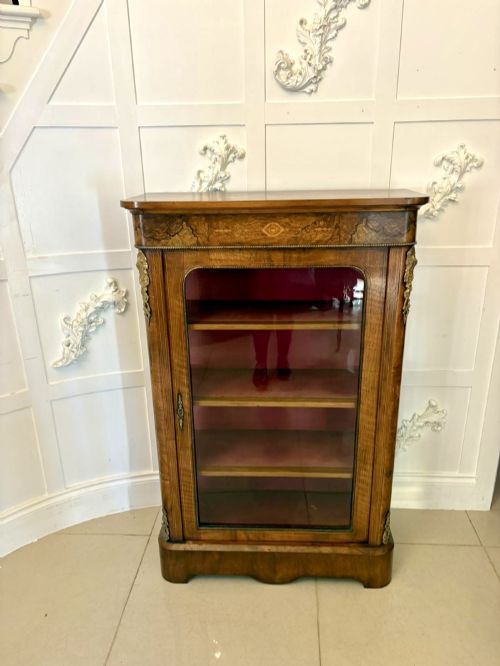
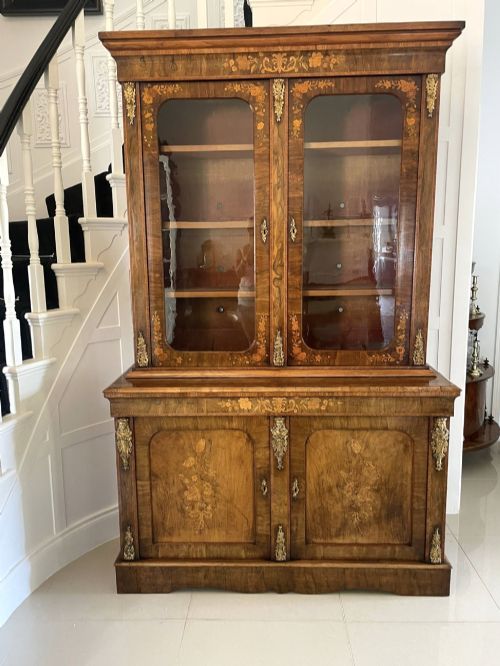
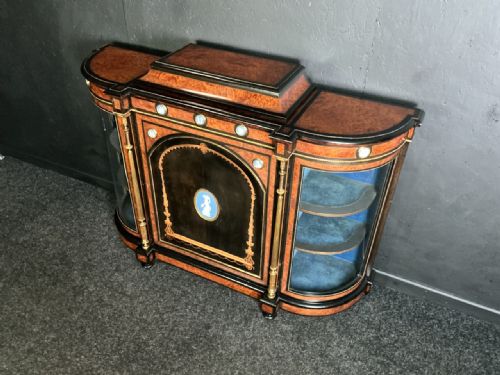
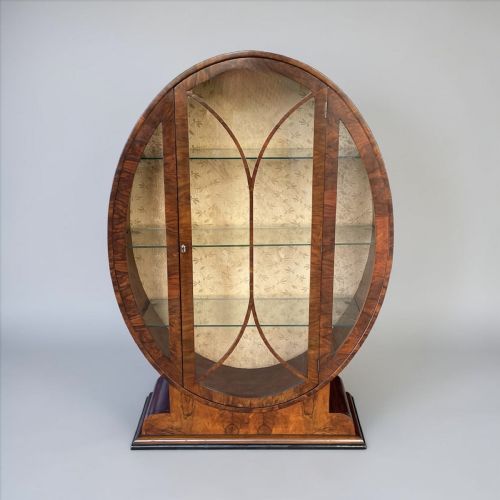
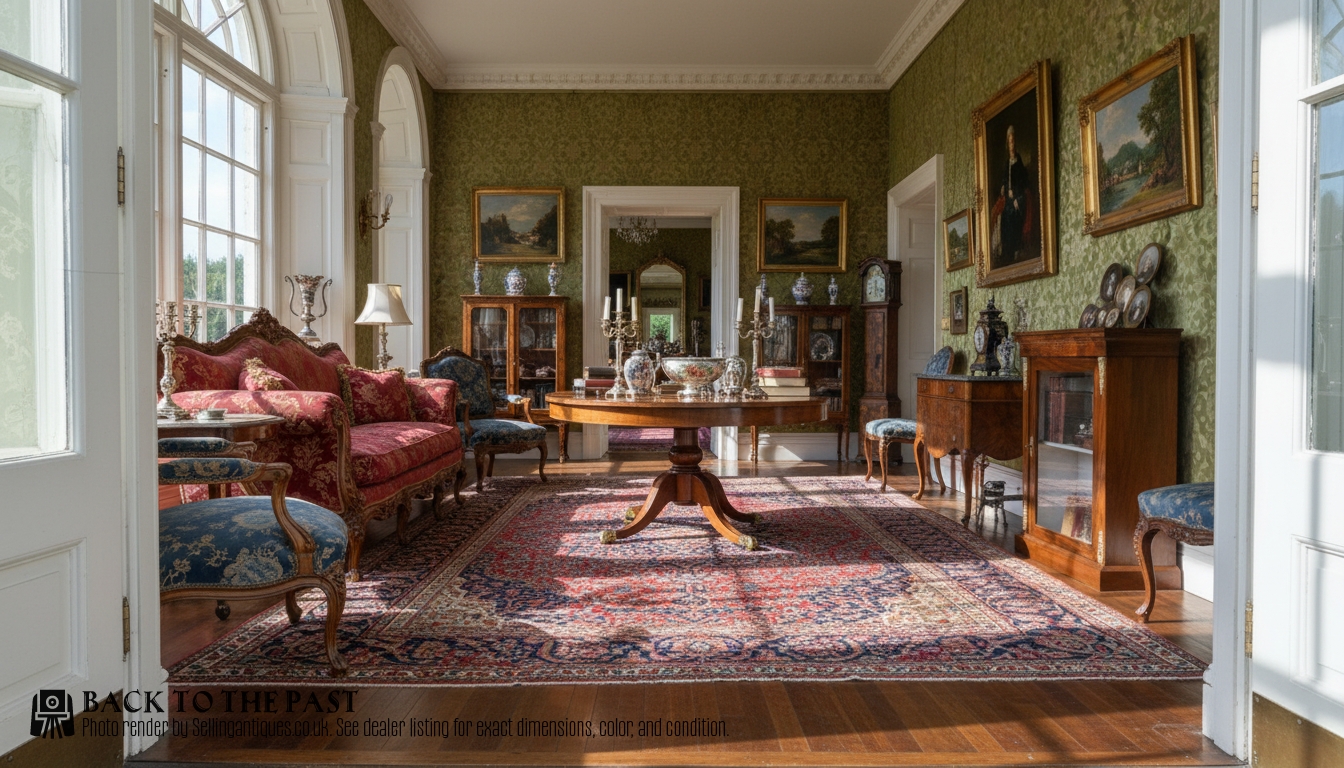
A walnut glass cabinet brings together timber framing and transparent glazed doors, appearing in forms ranging from compact pier cabinets and low credenzas to tall bookcases and drinks units. The selection spans Victorian and Edwardian iterations alongside Art Deco designs from the 1930s.
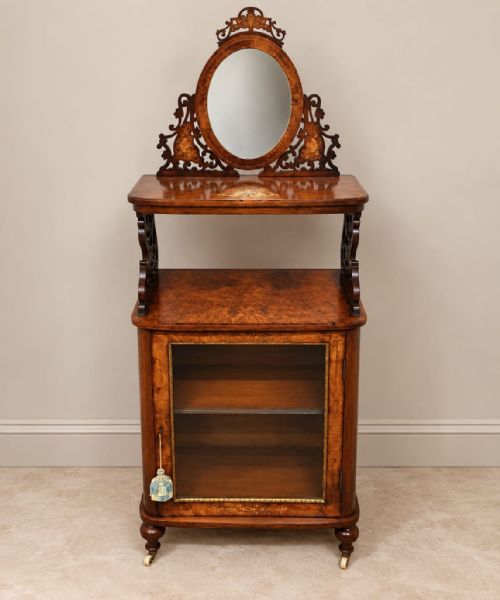
Victorian examples often present burr walnut veneers, marquetry inlay, and gilt metal mounts, serving formal reception rooms. Later Art Deco interpretations lean towards curved glass and clean lines, reflecting shifts in domestic interior taste.
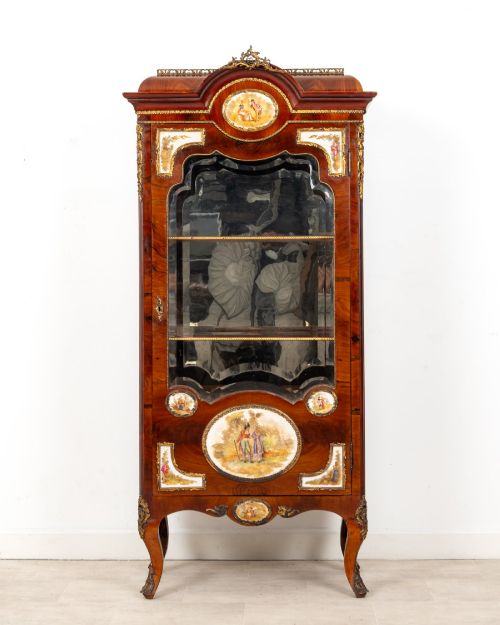
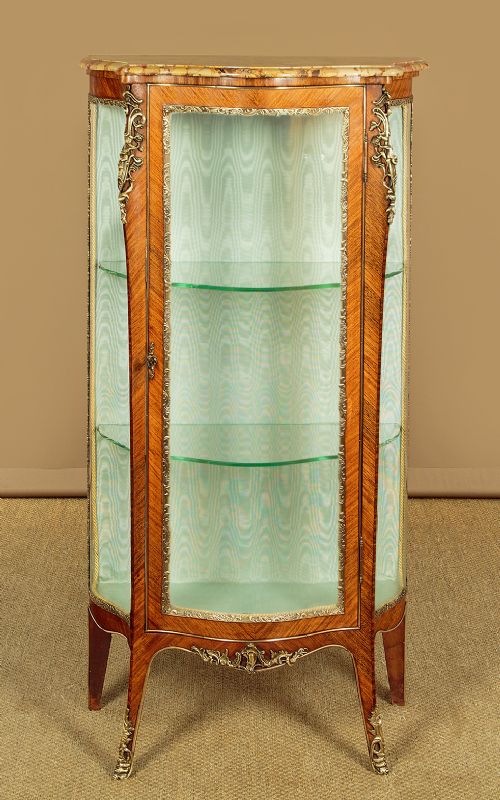
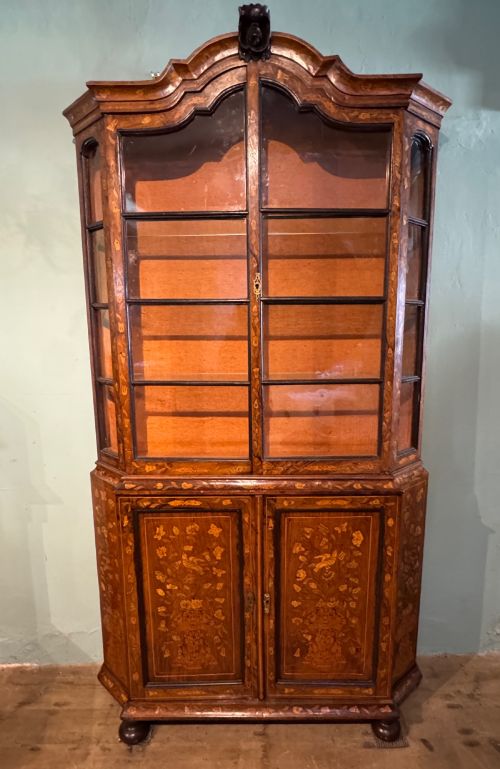
Period variations include Dutch marquetry pieces alongside French vitrines and English side cabinets, showing how different workshops adapted the material for display.
Materials and construction
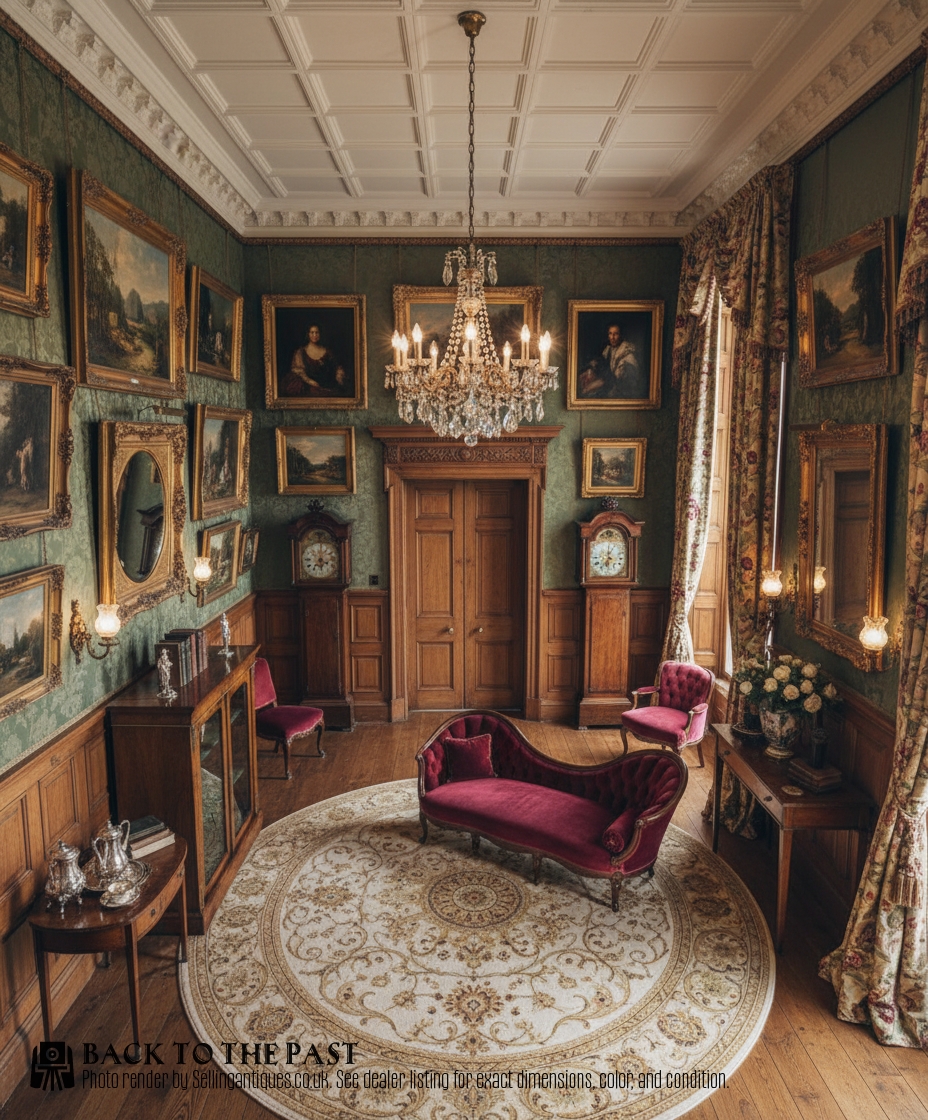
Cabinet makers utilised straight-grained walnut alongside highly figured burr walnut and variegated veneers to create decorative surface patterns on carcases and doors. These wooden frames were then glazed with clear panels, sometimes incorporating leaded sections or bevelled edges.
Mounts in ormolu, brass, and gilt metal frequently accent the timber framework, whilst interior surfaces are lined with fabric or velvet to complement the displayed objects.
Walnut Glass Cabinet Retail Price Guide 2026
Typical asking prices for walnut glass cabinet among the pieces listed under this phrase on Sellingantiques today, from the lower quarter to the upper quarter. They describe what is for sale here now, not the wider market.
Materials recorded across the inventory include figured walnut, burr walnut, ebonised wood, brass, ormolu, velvet, and fabric.
Craftsmanship and proportion
Quality rests upon the selection of timber veneers, where symmetrical burr patterns and precise marquetry inlay separate standard production from exceptional cabinet work. The integration of cast ormolu mounts and the smoothness of door and drawer operations indicate the standard of original manufacture.
Proportion and structural integrity define the enduring appeal of each piece, with finer examples maintaining precise alignment in glazed doors and delicate framing without distortion over time.
Gabriel Viardot·Maple & Co.·Maison Gagneau
The Walnut Glass Cabinet Glossary
- Burr walnut
- A veneer taken from the wart-like growth on a walnut tree, yielding complex, swirling grain patterns. It was favoured by cabinet makers for grand Victorian and Edwardian reception furniture.
- Credenza
- A low dining-room sideboard or display cabinet, frequently fitted with glass doors and central cupboards. Victorian iterations often incorporated marquetry and ormolu mounts.
- Ormolu
- Gilt bronze ornamentation applied to furniture mounts and corners. It provides a metallic contrast to dark walnut timbers.
- Vitrine
- A glass-sided display cabinet intended for porcelain and small curiosities. These pieces often feature glazed sides to maximise light penetration.
- Marquetry
- The art of applying small pieces of veneer to a structure to form decorative patterns or pictures. Floral designs are common on nineteenth-century walnut pieces.
Walnut Glass Cabinet: Frequently Asked Questions
What is a walnut glass cabinet used for?
These cabinets were originally built to display porcelain, silver, books, and glassware within formal sitting rooms and drawing rooms. Glazed doors kept dust away while allowing owners to exhibit their collections to guests.
Today, they serve the same practical function in modern homes, offering secure display space for valued objects while adding rich timber tones to an interior.
How do I date a walnut glass cabinet?
Dating relies on observing the overall style, construction methods, and decorative details such as handles, feet, and mountings. Victorian pieces often display rich marquetry and turned columns, whereas 1930s Art Deco examples favour geometric shapes, curved glass, and streamlined surfaces.
Examining the backboards, interior linings, and type of glass also helps establish whether a piece originates from the nineteenth or twentieth century.
Where should I place a walnut glass cabinet?
Position your cabinet away from direct sunlight and radiators to protect the walnut veneer and prevent the wood from drying out or warping. Rooms with stable humidity levels help preserve both the timber frame and any delicate fabric linings inside.
Consider placing the piece where ambient light can pass through the glass doors, enhancing the visibility of items kept on the shelves.
How do I care for antique walnut furniture?
Dust the timber surfaces regularly with a soft, dry cloth and avoid using modern silicone-based sprays that can damage the polish. Feed the wood occasionally with a traditional beeswax to maintain the lustre of the grain.
Keep glass panels clean using a mild glass cleaner applied to a cloth rather than sprayed directly, preventing moisture from seeping into the wooden joints.