


Walnut Framed Loveseat
These walnut framed loveseat pieces offer compact two-seat seating shaped by centuries of revival styles.
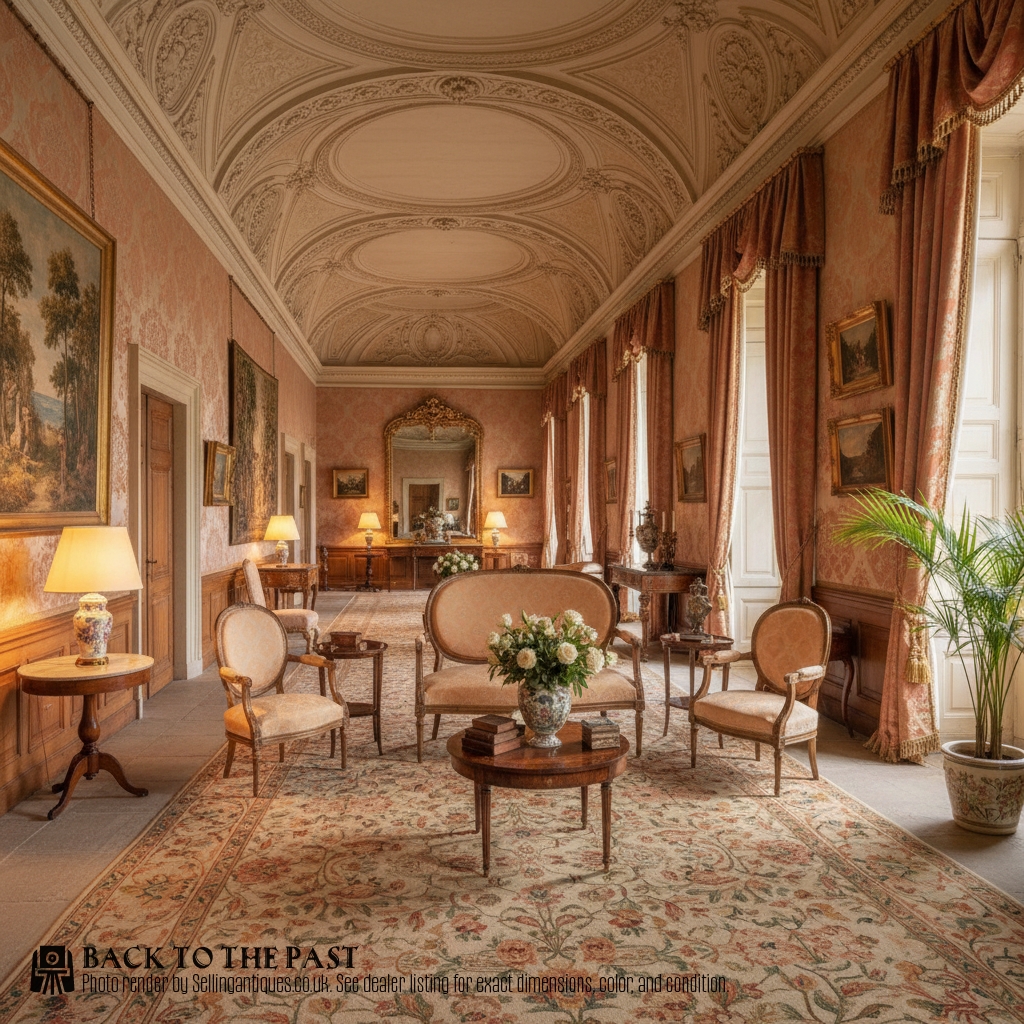
Walnut Framed Loveseat
A walnut framed loveseat provides a compact two-seat arrangement designed for domestic interiors across various historical periods. The listings here centre on settees, sofas, and canapés constructed with timber frames and soft textile coverings.
Most examples you encounter on this page span from the mid-nineteenth century through the early twentieth century. These furnishings embody revival aesthetics, notably Victorian, Queen Anne, and French decorative traditions.
Makers utilised timber and fabric to build seating that accommodates two occupants within a reduced footprint. The forms range from open arm designs to high-backed canapés and framed settees.
How they were made
Makers shaped the structural elements from walnut timber, often carving the woodwork with decorative motifs. This wood provided a sturdy skeleton capable of supporting upholstered components.
The seats and backs received stuffing and textile coverings such as velvet, damask, and general upholstery. Brass hardware sometimes secured the assemblies or provided functional accents on the frames.
A French canne a five-legged creature of walnut and damask, patiently waiting for someone to sit and contemplate the parlour.
What varies in quality
The refinement of the carved walnut framework dictates much of the visual merit. Crisp, detailed hand-carving on the wooden elements distinguishes superior examples from plainer productions.
The choice and execution of the textile upholstery affect the overall character. Higher tiers feature historically appropriate fabrics like damask or velvet fitted cleanly to the contours of the frame.
The Walnut Framed Loveseat Glossary
- Canapé
- An upholstered French sofa or settee, typically featuring an exposed wooden frame and an oval or rectilinear back. This form emerged during the seventeenth century and inspired later revival pieces.
- Damask
- A reversible figured fabric woven on a jacquard loom with patterns formed by contrasting warps and wefts. It frequently appears on period seating.
- Settee
- A medium-length wooden or upholstered seat with a back and arms, designed for multiple occupants. The term applies broadly across the settees and sofas listed here.
- Upholstery
- The materials including padding, springs, webbing, and fabric that form the soft covering of a seat. It determines the comfort and profile of the piece.
Walnut Framed Loveseat: Frequently Asked Questions
How do I date a walnut framed loveseat?
Examine the stylistic cues and secondary woods to estimate the period of manufacture. Pieces on this page span from the mid-nineteenth century to the early twentieth century.
Compare the carving styles against known revival periods such as Queen Anne or French Rococo. Structural joints and upholstery techniques also offer clues to the age of the piece.
What fabrics were used on these settees?
Original and replacement coverings include velvet, damask, and various woven textiles. These materials provided both durability and decorative appeal for parlour settings.
Upholstery choices often reflect the revival style of the frame, matching Victorian or continental aesthetics.
Where should I place a walnut framed loveseat?
These compact two-seat sofas suit bedrooms, hallways, or smaller reception rooms where full-length settees prove too large. Their finished wooden backs allow them to sit away from walls.
Consider the sightlines in the room so the carved walnut framework remains visible from multiple angles.
What is the difference between a settee and a sofa?
Historically, a settee featured a lighter wooden frame with partial upholstery, whereas a sofa offered fully upholstered seating. Over time, the terms became largely interchangeable.
Both forms provide seating for two individuals within a domestic interior.