


Walnut Frame Sofa
A walnut frame sofa brings enduring warmth and structured elegance to a room, ranging from Victorian show wood to streamlined Art Deco forms.

Walnut Frame Sofa
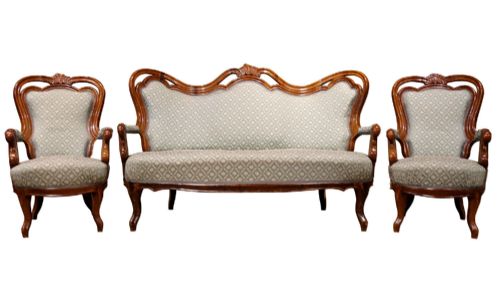
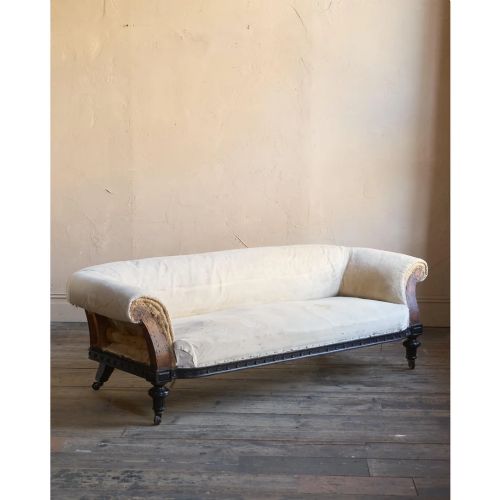
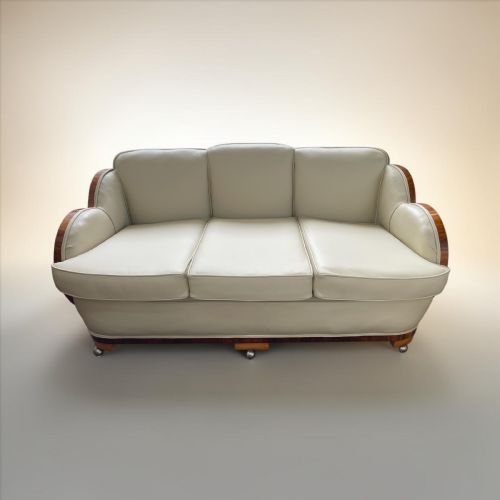
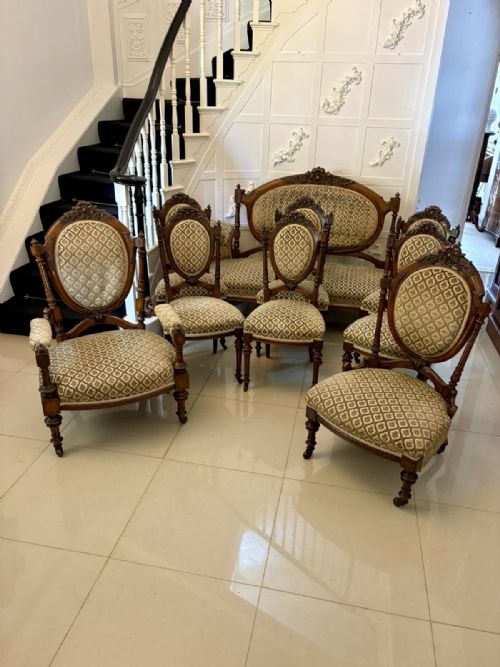
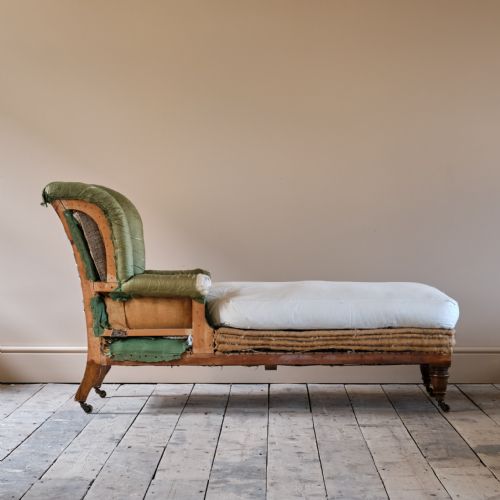
When you search for a walnut frame sofa, you encounter seating built around exposed timber supports, stretching from nineteenth-century Victorian show wood to early twentieth-century Arts and Crafts and Art Deco designs. These pieces encompass everything from intimate two-seater settees and daybeds to expansive three-piece salon suites.
You meet a variety of regional interpretations on this page, including French Louis XV styles, Italian hall seats, Biedermeier pieces, and English country house Chesterfields. The forms range from button-backed show frame settees and carved cameo backs to open-arm daybeds and bergere sofas.
The materials paired with the walnut framework include leather, velvet, cotton, brass, and traditional upholstery textiles. Whether you select a compact window sofa or a large salon suite, the defining characteristic remains the visible grain and carved contour of the walnut timber.
How they were made
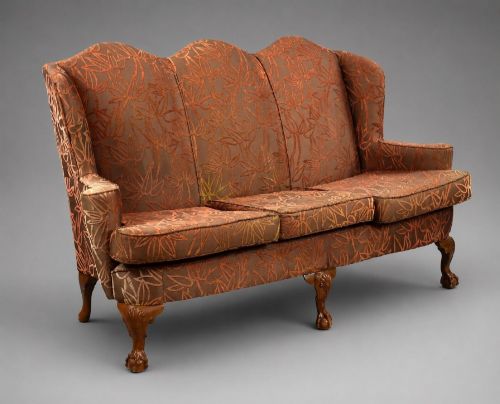
Makers shaped the timber frameworks using solid walnut, sometimes incorporating brass fittings or subtle inlay work into the show wood. Carving was executed by hand to define the undulating lines of Rococo Revival, French Chateau, and Queen Anne styles.
Upholstery techniques combined traditional stuffing with textiles such as velvet, leather, and cotton. Button-backing and caning appear frequently across nineteenth-century and Edwardian examples, securing the padding to the supportive wooden chassis.
Materials paired with the walnut structures include brass, leather, velvet, cane, and traditional cotton upholstery.
What varies in quality
The standard of a walnut frame sofa rests primarily on the depth and crispness of the timber carving and the architectural integrity of the show wood. Finer examples display meticulous joinery and rich grain patterns that have matured uniformly over decades.
Proportion and stylistic cohesion also separate ordinary production from exhibition pieces. The harmony between the exposed walnut frame and the secondary materials, such as brass accents or high-grade leather, dictates the overall distinction of the seating.
Harry and Lou Epstein·Howard and Sons
The Walnut Frame Sofa Glossary
- Show wood
- Timber framing left exposed around the upholstered portions of a seat. This allows the grain and carving of the walnut to form a primary visual element.
- Show frame
- A synonym for show wood construction where the structural wooden skeleton remains visible. It defines Victorian and later parlor seating.
- Bergere
- An enclosed upholstered armchair or sofa with wooden framing and cane or upholstered sides. It appears frequently in French and Edwardian contexts.
- Canapé
- A traditional French-style sofa featuring an exposed wooden frame and upholstered back and seat. These pieces often exhibit carved cabriole legs.
- Chesterfield
- A large upholstered sofa traditionally characterised by deep button tufting and rolled arms of equal height. Walnut variations integrate exposed wooden rails or legs.
- Cameo back
- An oval-shaped upholstered backrest framed by carved timber. It is a common feature on mid-nineteenth-century salon settees.
Walnut Frame Sofa: Frequently Asked Questions
What is a walnut frame sofa?
A walnut frame sofa is a piece of upholstered seating constructed with visible, structural walnut timber. These pieces showcase the natural grain and carved details of the wood around the back, arms, and legs.
They span multiple periods, from Victorian show wood designs to twentieth-century Art Deco and Arts and Crafts interpretations.
How do I date a walnut sofa?
Dating relies on observing stylistic markers, joinery methods, and the specific proportions of the timber frame. Victorian pieces often feature heavy carving and button backs, whereas Edwardian and Art Deco examples show simpler, cleaner lines.
The materials used for upholstery, such as leather, velvet, or cotton textiles, also align with the manufacturing period of the furniture.
Where should I place a salon suite?
A salon suite works best in a principal reception room or a drawing room with adequate space to display the matching pieces together. Because the walnut frames are finished on all sides, these sofas and settees can sit away from walls as central focal points.
Pairing them with matching open arm sofas or daybeds creates a cohesive historical arrangement.
How do I care for antique walnut?
Care for the timber frame by keeping it away from direct sunlight and steady heat sources that can dry out the wood. Dust the carved surfaces regularly with a soft, dry cloth to maintain the natural finish of the walnut.
Protect the upholstery according to its specific textile type, whether it is leather, velvet, or cotton.