




Walnut Frame Couch
A walnut frame couch brings rich timber warmth and tailored seating into a room, spanning styles from Victorian revival to Art Deco.

Walnut Frame Couch
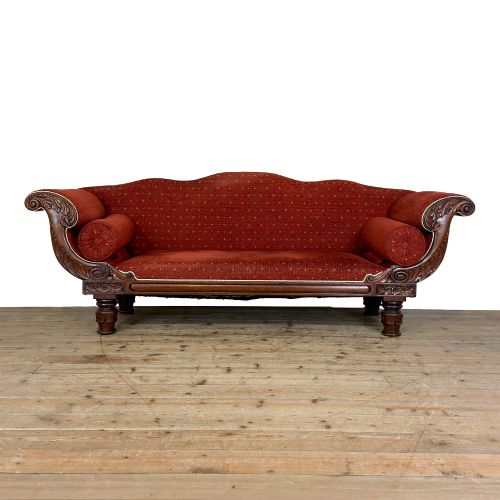
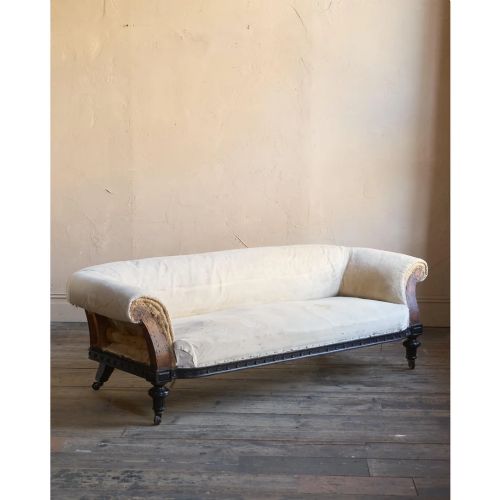
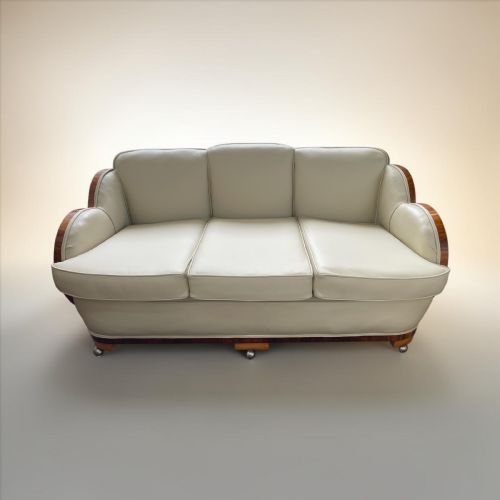
When you search for a walnut frame couch, you enter a diverse field of upholstered seating anchored by exposed dark wood structures. The pieces gathered here range from nineteenth-century Victorian settees and Chesterfield sofas to early twentieth-century Edwardian designs, Art Deco creations, and distinct continental interpretations.
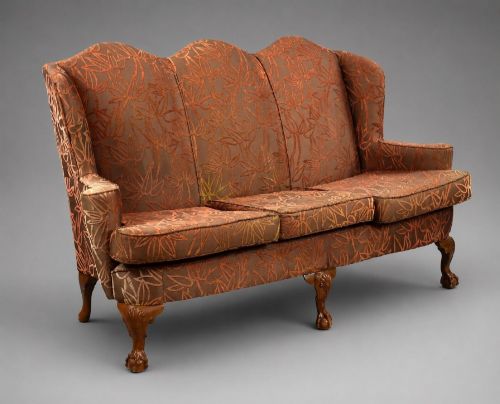
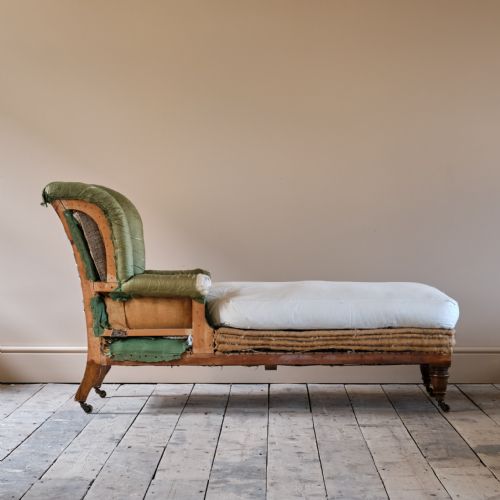
The most common formats on this page are substantial Victorian settees and carved couches alongside twentieth-century iterations influenced by Queen Anne and Louis XV styles. Makers and manufacturers utilised durable walnut to support varied forms, including daybeds, open arm sofas, and traditional three-seat arrangements.
These items originate across different eras, displaying the evolving tastes of nineteenth-century revivalism and the sleeker lines of the early nineteen-hundreds. A buyer encounters everything from deep-buttoned leather Chesterfields to fabric-covered chaise longues, each showing distinct regional and stylistic traits.
Materials and construction methods
The primary structural material across these listings is walnut, selected for its dense grain and capacity for intricate carving. Craftsmen shaped this timber into show frames, cabriole legs, and structural supports that remained visible around the padded seating areas.
Upholstery forms a major component of these pieces, incorporating textiles such as cotton, velvet, and standard upholstery fabric alongside traditional leather covers. Internal padding and supportive elements often utilised brass detailing and firm webbing to maintain the shape of daybeds and settees over decades of use.
Listings feature walnut frames paired with diverse coverings including cotton, velvet, leather, and standard upholstery fabric.
Assessing quality in walnut seating
The standard of a walnut frame couch rests heavily on the crispness of the timber carving and the architectural integrity of the exposed wood. Superior examples exhibit tightly joined frames, rich natural grain patterns in the walnut, and confident execution of revival styles like Queen Anne or Louis XV.
Execution and proportion separate finer items from simpler production pieces, particularly where hand-carved details meet structural joints. The integration of high-grade upholstery materials, whether leather or heavy textile, reflects the original commission tier and the subsequent care applied to the piece.
Harry and Lou Epstein·Howard & Sons
The Walnut Frame Couch Glossary
- Walnut
- A hard, dark timber prized for furniture making due to its strength and attractive grain patterns. It forms the exposed structural frame of these couches and settees.
- Chesterfield
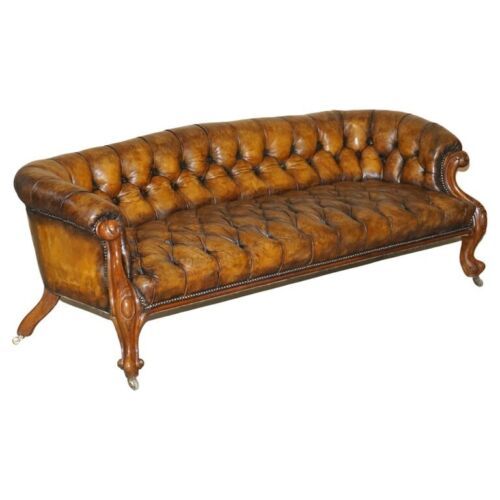
- A traditional style of upholstered sofa characterised by deep button tufting and rolled arms of equal height to the back. Versions appear in both fabric and leather across the nineteenth century.
- Show frame
- A wooden structural skeleton left deliberately exposed around the upholstered portions of a seat. This design highlights the carved walnut woodwork.
- Daybed
- A piece of furniture functioning as both a seat and a bed, often featuring a raised end or backrest. The inventory includes examples from the nineteenth and early twentieth centuries.
- Cabriole leg
- A furniture leg that curves out and then narrows inward, commonly found on period revival seating. It references historical design vocabularies like the Queen Anne style.
Walnut Frame Couch: Frequently Asked Questions
How do I clean a leather walnut frame couch?
Leather surfaces benefit from regular dusting and occasional treatment with appropriate conditioning creams to prevent drying.
Keep the walnut frame clean using a soft, dry cloth and avoid harsh chemical polishes that might damage the polished timber surface.
Can I use a daybed as a regular sofa?
A daybed functions well for daytime seating, particularly when arranged with cushions along the back support.
Its elongated form makes it suitable for relaxing or occasional lying down, mirroring the dual purpose intended by nineteenth-century makers.
What defines an Aesthetic Movement couch?
Aesthetic Movement pieces generally emphasise artistic design and simplified lines over heavy historical ornamentation.
They reflect late nineteenth-century shifts in interior taste, often pairing dark walnut frames with refined textiles.
How do I identify a Victorian walnut settee?
Victorian settees often display robust walnut show frames, dark timber tones, and deep buttoning or intricate carved details.
Comparing the stylistic motifs, such as cabriole legs or spoon backs, helps distinguish mid-nineteenth-century examples from later revival pieces.