




Walnut Floral Marquetry Vitrine
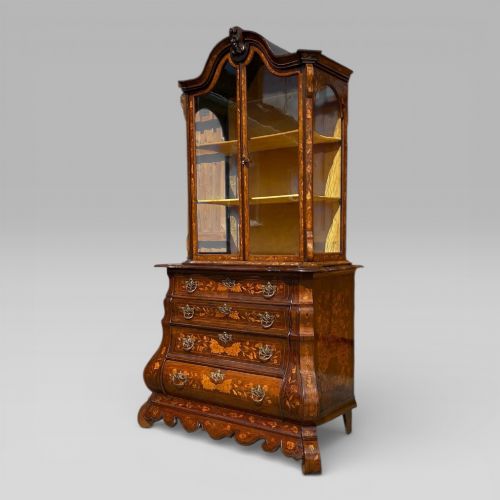
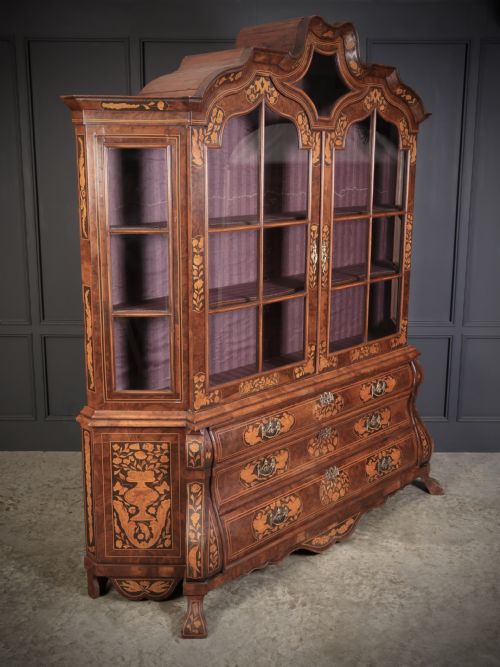
A walnut floral marquetry vitrine brings botanical artistry into a room through intricate woodlays and glazed display doors.
Walnut Floral Marquetry Vitrine
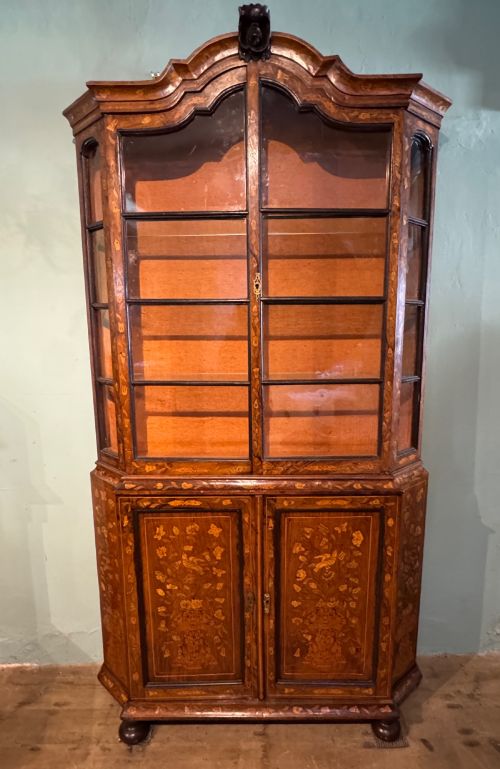
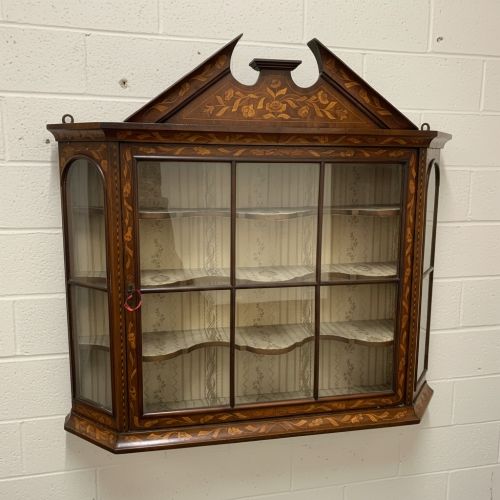
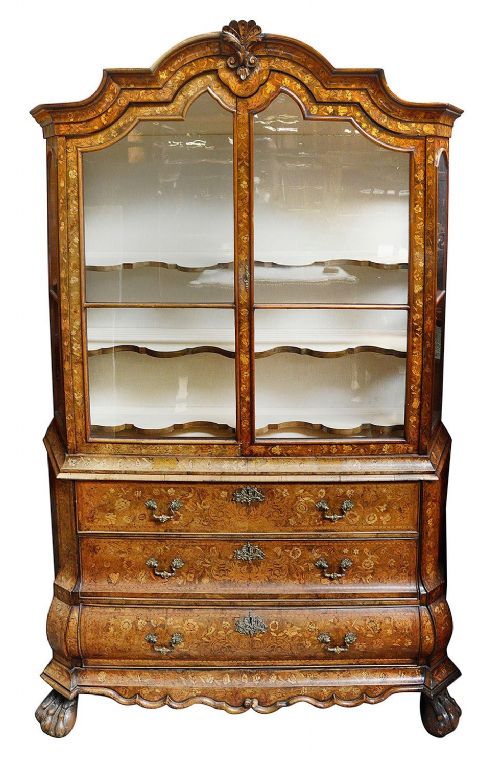
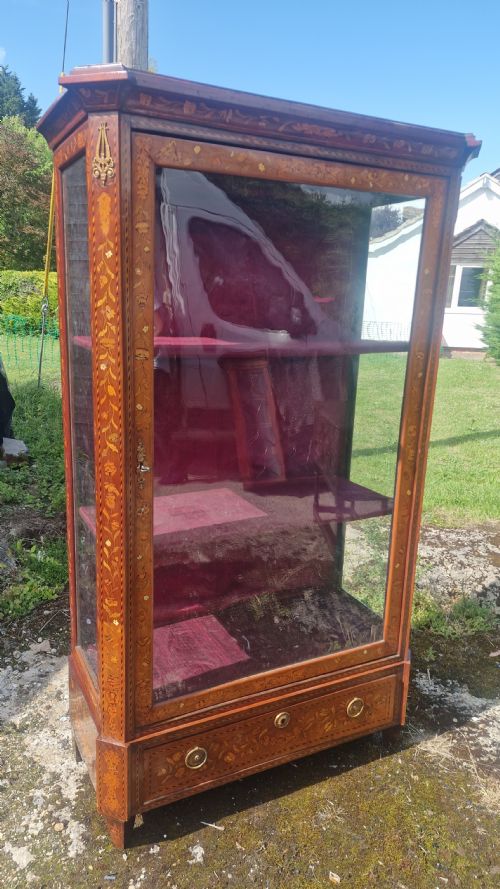
A walnut floral marquetry vitrine is a glazed display cabinet designed to showcase porcelain or small treasures while exhibiting elaborate inlaid woodwork. You are looking at pieces principally originating from the eighteenth and nineteenth centuries, carrying distinct Dutch Baroque and Victorian influences.
The format ranges from wall cabinets and corner cupboards to substantial bombé cabinets and display cabinets on chests. Most examples you will encounter lean heavily toward Dutch marquetry traditions, featuring curvaceous serpentine or bombé silhouettes.
Makers utilised rich walnut as a dark ground to make floral marquetry panels pop, creating striking focal points for drawing rooms and reception spaces.
How they were made
Cabinetmakers worked walnut and burr walnut veneers over secondary timbers like oak, cutting delicate floral motifs from various fruitwoods to form the marquetry. These contrasting woods were pieced together by hand and set flush into the cabinet surfaces.
Gilding and metal mounts such as ormolu and brass frequently accent the key escutcheons, hinges, and gallery trims. Glass panes are fitted into glazed doors to protect the interior shelves, which are occasionally lined with velvet.
The listings on this site encompass periods from the eighteenth century through to the 1930s, featuring walnut, fruitwood, and burr walnut.
What varies in quality
The sophistication of the floral marquetry dictates much of the distinction, separating simple repetitive patterns from complex, finely shaded botanical compositions. The choice of timber also plays a role, with richly figured burr walnut commanding greater visual depth than plain grain.
Construction details such as the handling of bombe curves, the precision of serpentine fronts, and the integration of ormolu mounts elevate certain cabinets. Original glass and well-preserved fruitwood inlays distinguish superior examples from heavily restored counterparts.
Edwards and Roberts
The Walnut Floral Marquetry Vitrine Glossary
- Marquetry
- The art of forming decorative patterns by fitting together veneers of different woods, fruitwoods, and shells. This technique creates pictorial designs across the cabinet doors and facades.
- Vitrine
- A glass-fronted cabinet used for displaying fine objects or collections. The glazed panels allow light to illuminate the contents from multiple angles.
- Bombe
- A swelling, bulging outward shape characteristic of furniture from the eighteenth century onwards. This curving profile adds considerable volume and sculptural presence to the piece.
- Pier Cabinet
- A low display cabinet designed specifically to stand against the wall space between windows. These are frequently surmounted by ormolu accents and fitted with single glass doors.
- Fruitwood
- Dense, fine-grained timber derived from fruit-bearing trees such as pear or apple, utilised for its pale colour in contrasting floral marquetry details.
Walnut Floral Marquetry Vitrine: Frequently Asked Questions
How do I care for my vitrine?
Keep the cabinet away from direct sunlight and sudden temperature changes to protect the delicate fruitwood inlays and walnut veneers.
Dust the marquetry surfaces gently with a dry, soft cloth and avoid applying harsh chemical polishes.
How do I distinguish eighteenth from nineteenth century styles?
Eighteenth-century examples frequently exhibit pronounced bombé contours and traditional Dutch marquetry techniques with organic floral flows.
Nineteenth-century revival pieces often display more symmetrical Victorian proportions alongside ormolu mounts and varied pier cabinet formats.
Where were these cabinets placed originally?
They stood in principal reception rooms, parlours, and drawing rooms to display prized porcelain and curiosities to visiting guests.
Corner cupboards and wall cabinets maximised smaller domestic spaces while maintaining decorative visibility.