
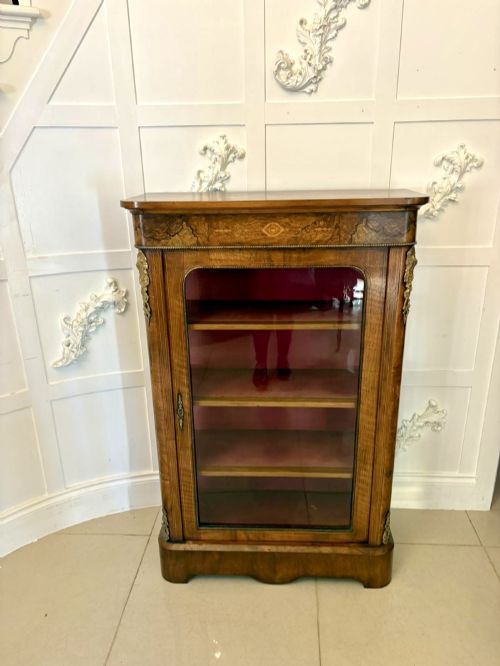
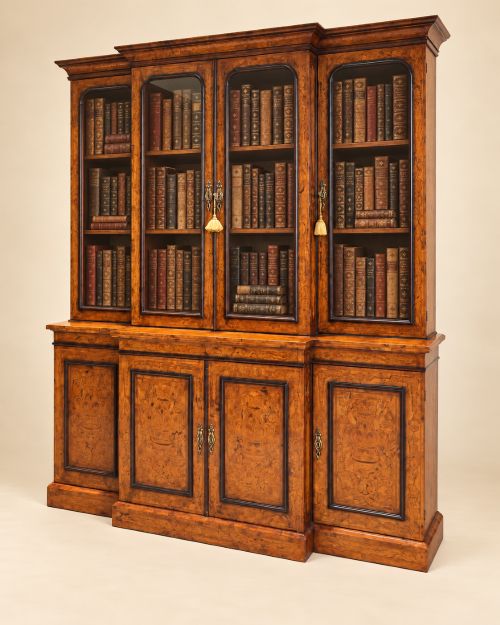

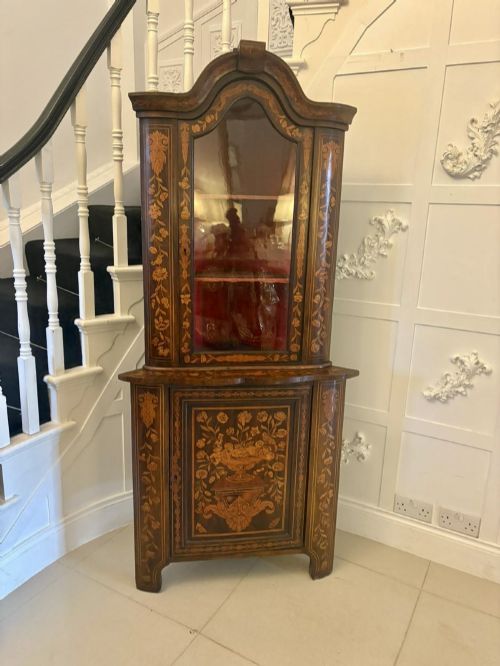
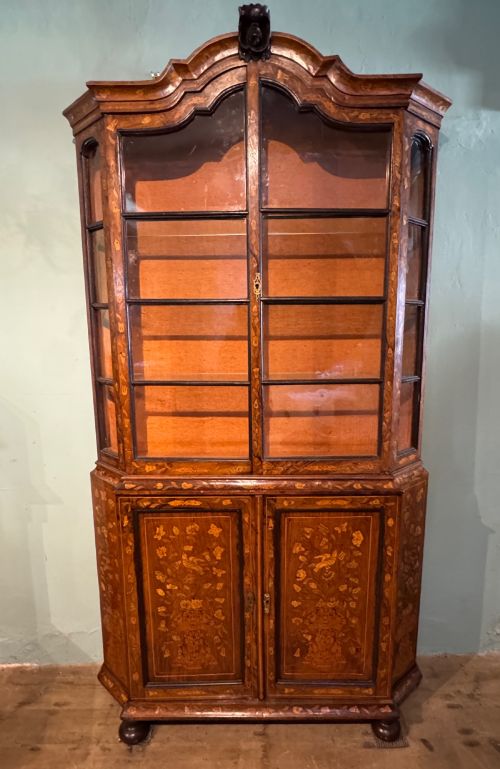
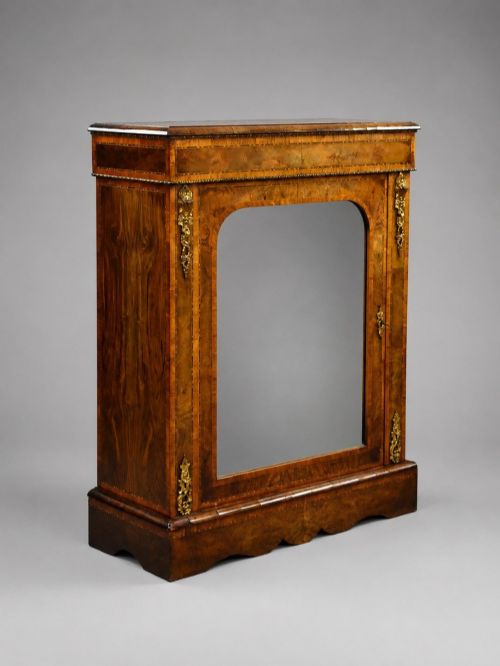

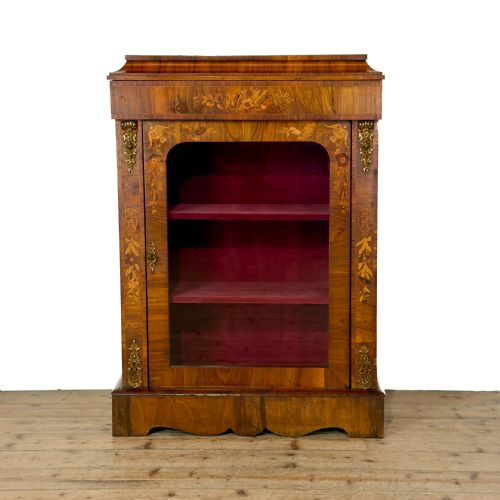
Walnut Marquetry Display Cupboard
A walnut marquetry display cupboard brings warmth and intricate floral detail to a room, housing precious collections behind glazed doors.
Walnut Marquetry Display Cupboard
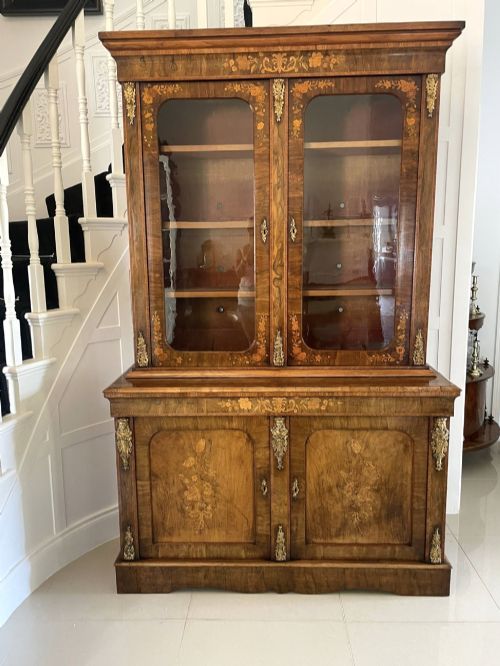
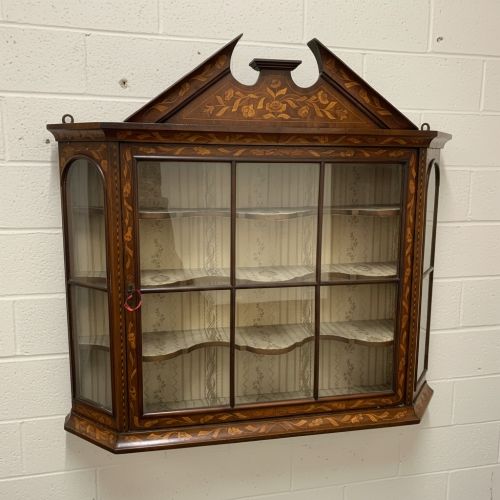
A walnut marquetry display cupboard combines figured timber with elaborate inlaid decoration designed to showcase treasured possessions. When searching for a walnut marquetry display cupboard, buyers most frequently encounter Victorian pieces alongside Dutch examples dating back to the eighteenth century.
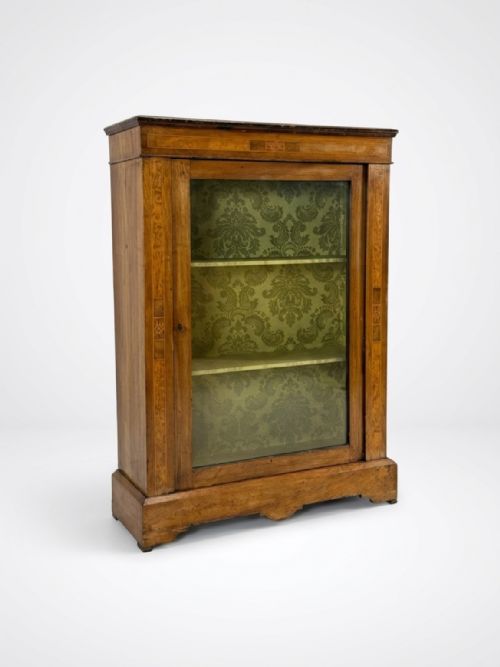
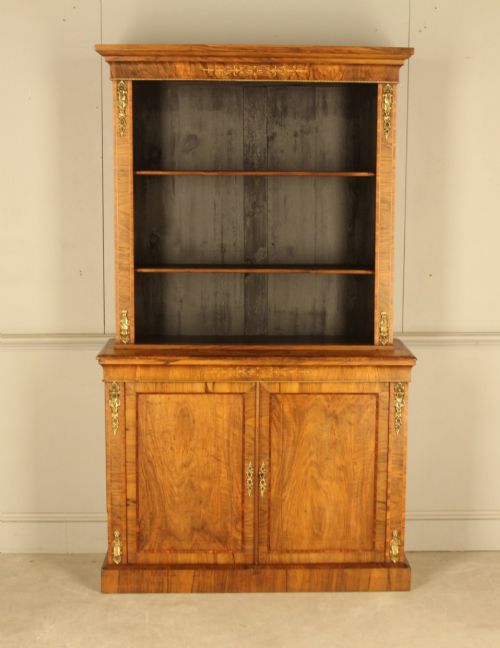
These items appear in various configurations including tall pier cabinets, glazed corner cupboards, breakfront bookcases, and low credenzas. The forms range from English Victorian drawing room cabinets to continental Dutch Baroque revival pieces.
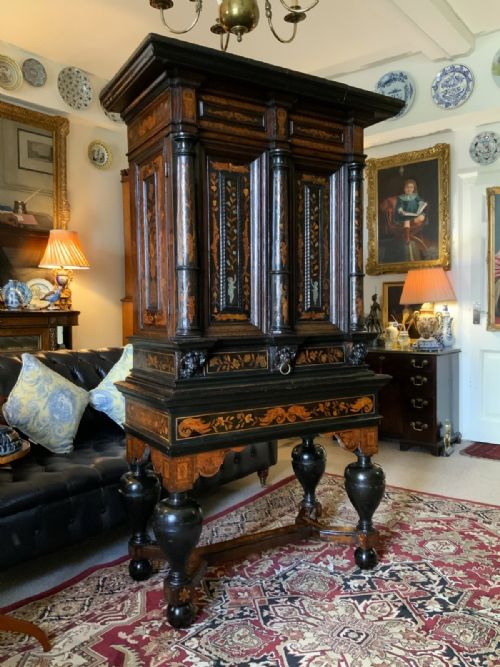
Origin and period heavily dictate the overall silhouette, with English examples often favouring restrained burr veneers while Dutch variants display extensive floral marquetry across every available surface.
Materials and Construction Techniques
Cabinetmakers utilised solid walnut and rich burr walnut veneers applied over secondary carcase timbers to achieve striking grain patterns. Fruitwood and various contrasting woods were meticulously cut and fitted to create intricate marquetry floral designs across the doors and panels.
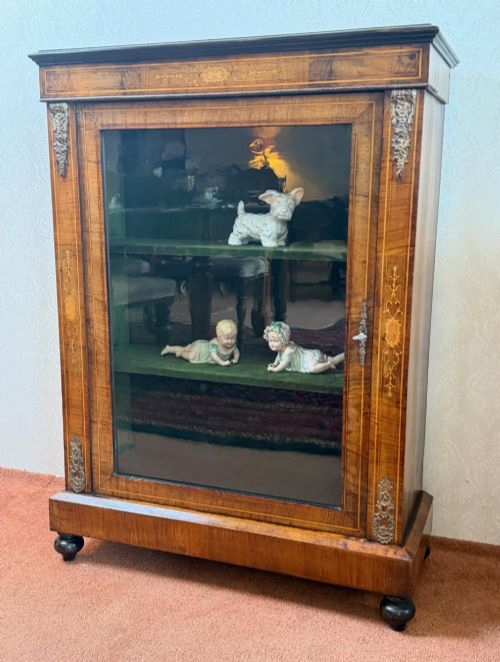
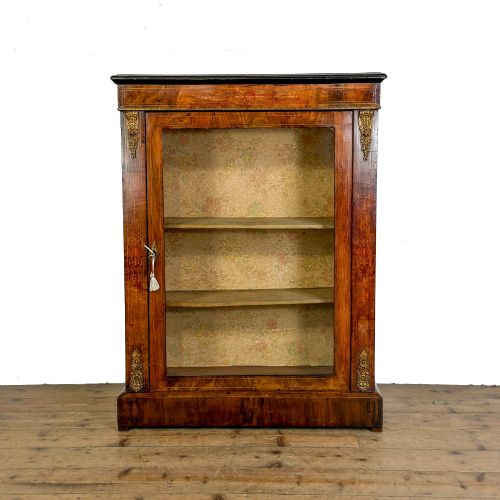
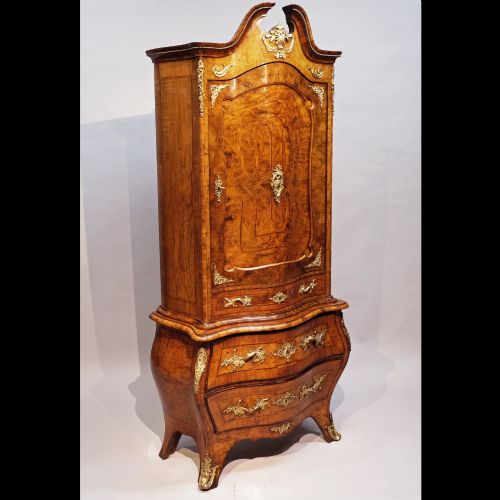
Many cabinets incorporate cast or gilt orrmolu mounts, brass stringing, and glazed timber doors to frame the interior shelves, which were sometimes lined with fabric or velvet. Pewter inlay also appears on earlier continental pieces, adding metallic contrast to the timber surfaces.
Materials recorded on this site include burr walnut, fruitwood, ormolu, velvet, brass, and glass.
Assessing the Quality and Execution
Quality rests primarily on the depth and precision of the marquetry work and the choice of veneer figure. Superior examples exhibit tightly fitted floral inlays with minimal filler, using highly figured burr walnut that has retained its natural warm tone.
The sophistication of the internal fittings, such as velvet linings and fine glass panes, alongside the integration of heavy ormolu mounts and cast brass hardware, distinguishes finer workshop production from standard commercial output.
The Walnut Marquetry Display Cupboard Glossary
- Marquetry
- Decorative veneer work forming pictures or patterns by utilising various tinted woods and other materials. This technique transforms plain furniture panels into elaborate floral or geometric canvases.
- Burr Walnut
- Timber taken from the abnormal growth of a walnut tree, yielding highly swirled and mottled grain patterns. It remains prized for its decorative qualities on nineteenth-century cabinet doors.
- Ormolu
- Gilt bronze mounts applied to furniture for decorative enrichment during the eighteenth and nineteenth centuries. These metal elements highlight the architectural corners and glazing frames.
- Pier Cabinet
- A narrow cabinet designed to stand against the wall space between windows. These pieces frequently feature glazed doors to display porcelain and small ornaments.
- Credenza
- A low cabinet or sideboard often fitted with glass-panelled doors and display shelves. This form became particularly popular during the Victorian period for formal entertaining spaces.
Walnut Marquetry Display Cupboard: Frequently Asked Questions
How do I date a walnut marquetry display cupboard?
Dating relies on examining the construction methods, secondary timbers, and specific styling cues such as ormolu mounts or Dutch floral motifs. Eighteenth-century examples often feature heavier architectural carcases, whereas Victorian pieces lean toward refined burr veneers and glazed side cabinets.
Hardware styles and the complexity of the marquetry also provide clear chronological markers. Comparing the piece against documented examples from the same period helps confirm its approximate decade of manufacture.
Where should I place a display cupboard at home?
These cabinets suit drawing rooms, dining spaces, or quiet hallways where natural light can illuminate the glazed interior shelves. Placing them away from direct sunlight protects the delicate walnut veneers and internal fabric linings from fading.
Ensure the floor is level so the doors hang true and the original glass panes remain free from undue stress. Pairing a pier cabinet with complementary antique seating creates a balanced period interior.
What is the difference between marquetry and inlay?
Marquetry involves assembling a complete pictorial veneer puzzle on a backing sheet before applying it to the carcase structure. Inlay strictly means cutting recesses into a solid wood surface and fitting contrasting materials directly into those cavities.
Both techniques appear frequently on walnut display furniture, though elaborate floral scenes are almost exclusively executed as marquetry. Recognising this distinction helps identify the skill level of the cabinetmaker.
How should I care for walnut and ormolu surfaces?
Maintain the timber by applying traditional beeswax sparingly and buffing gently with a soft cloth to preserve the natural lustre. Avoid commercial sprays containing silicone, which can penetrate aged French polish and damage the finish over time.
Dust ormolu mounts with a dry, soft brush rather than liquid cleaners to prevent chemical reactions with the gilt surface. Stable room humidity prevents the walnut timber and delicate veneer work from shrinking or cracking.