

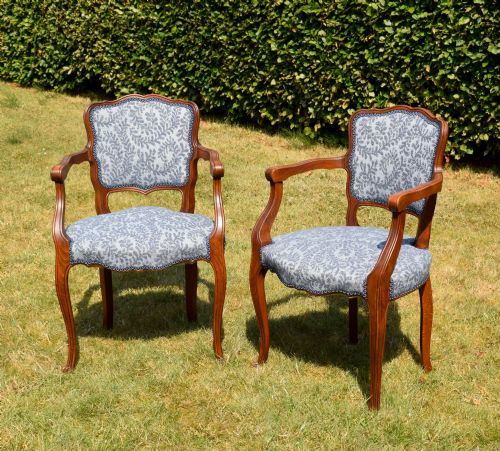
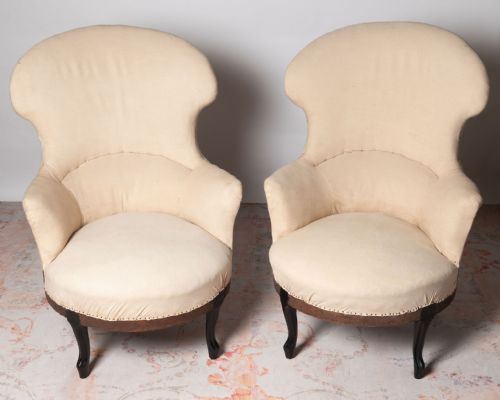
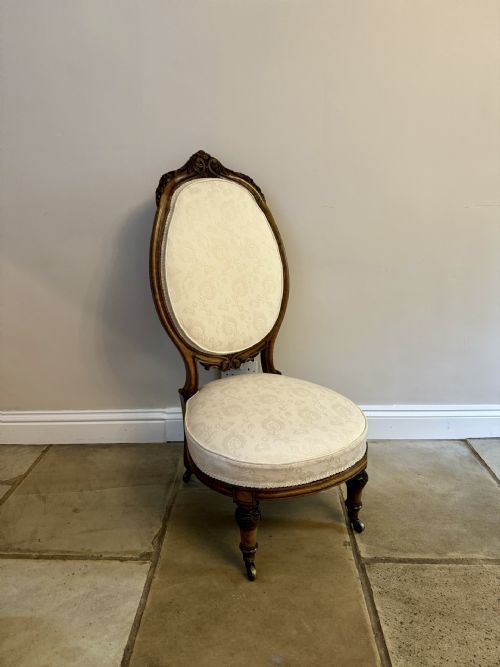
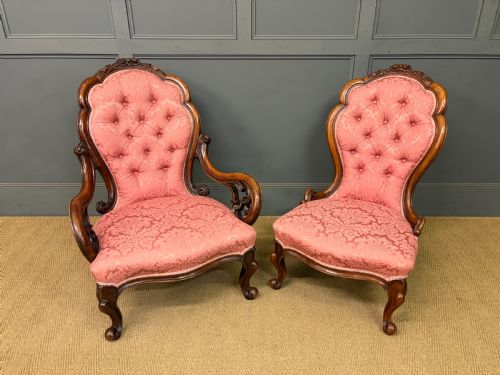
Walnut Bedroom Armchair
A walnut bedroom armchair brings warmth and refined seating to a private room, drawing on Victorian and Edwardian forms.
Walnut Bedroom Armchair
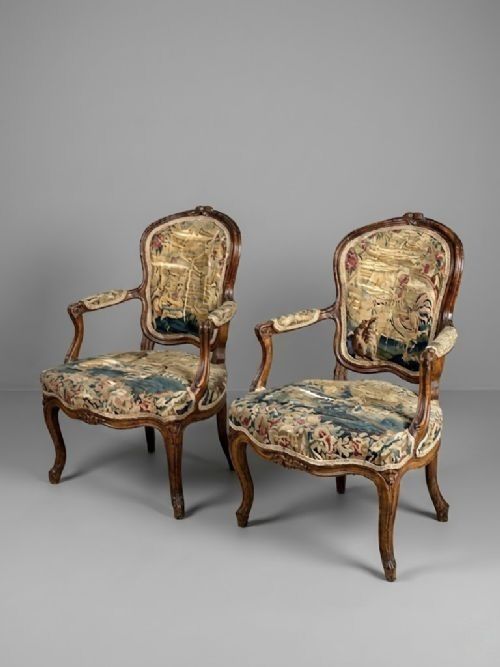
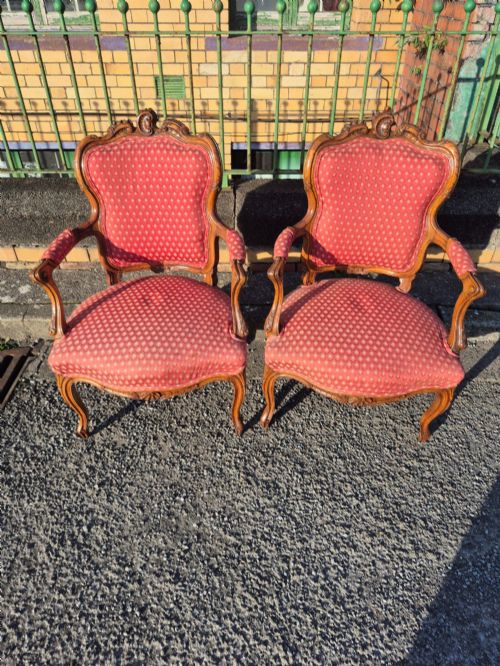
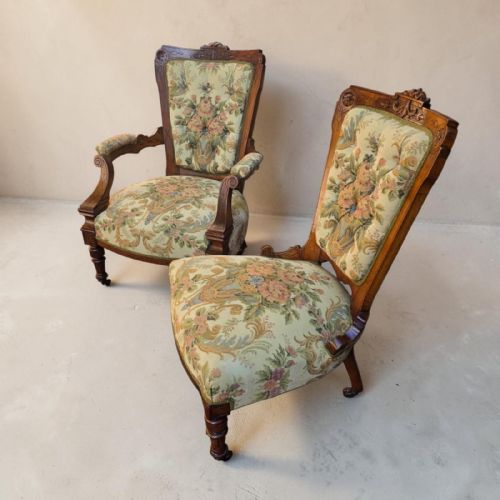
When you search for a walnut bedroom armchair, you encounter a variety of intimate seating forms designed for private chambers, dressing rooms and salons. The selection spans the Victorian and Edwardian eras, alongside pieces shaped by French revival styles and the Aesthetic Movement.
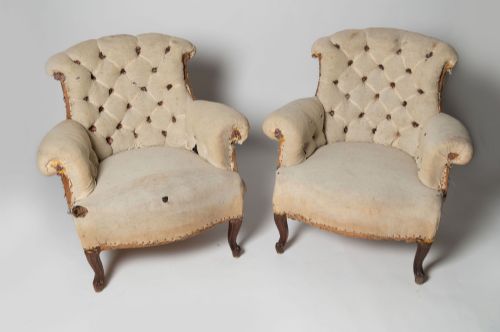
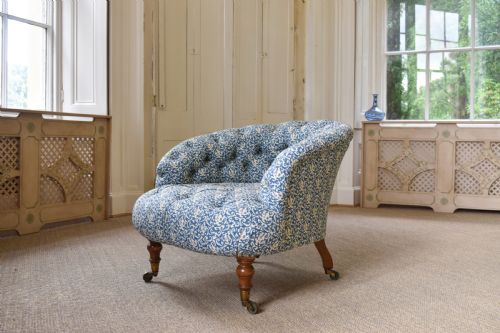
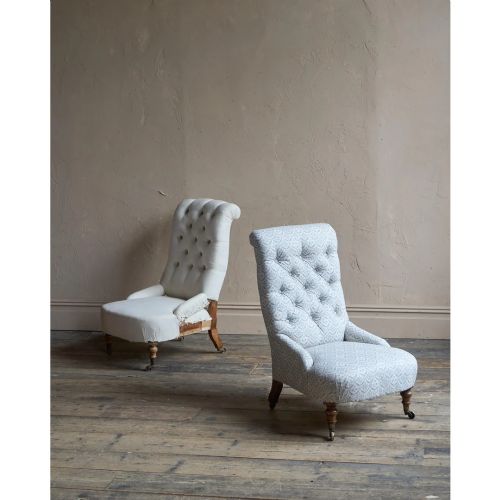
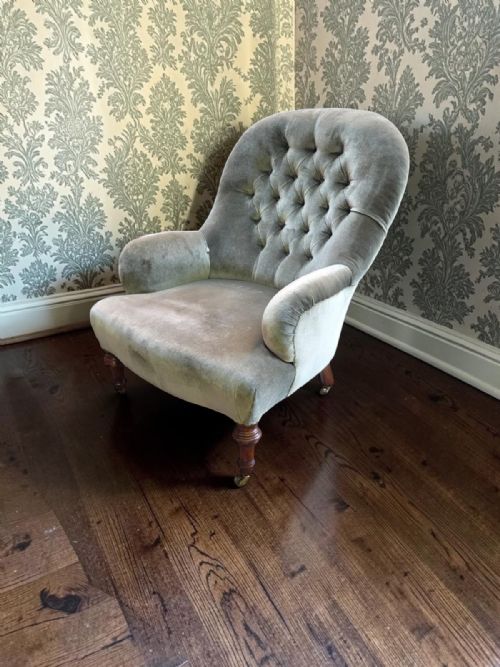
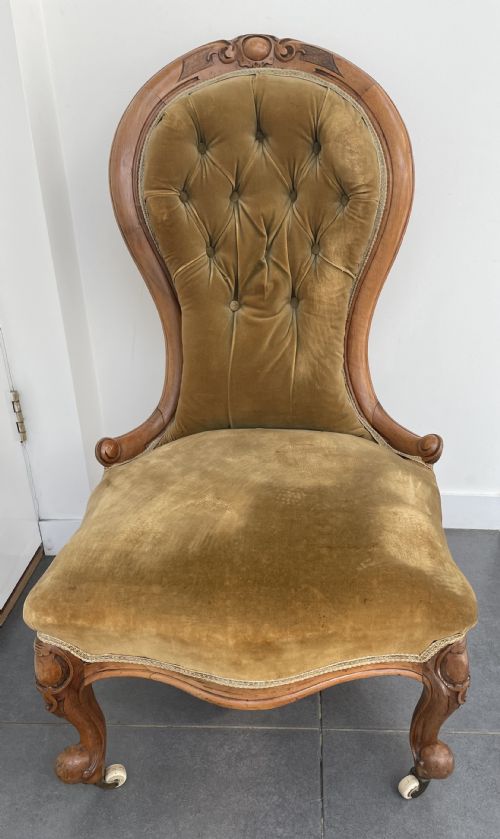
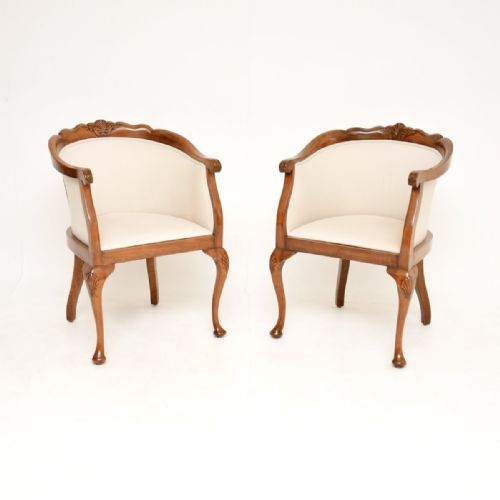
The most common examples you meet on this page are nursing chairs, tub armchairs, spoon-back chairs and ladies chairs. These pieces combine compact proportions with supportive frames suited to bedrooms rather than grand public reception rooms.
Construction and materials
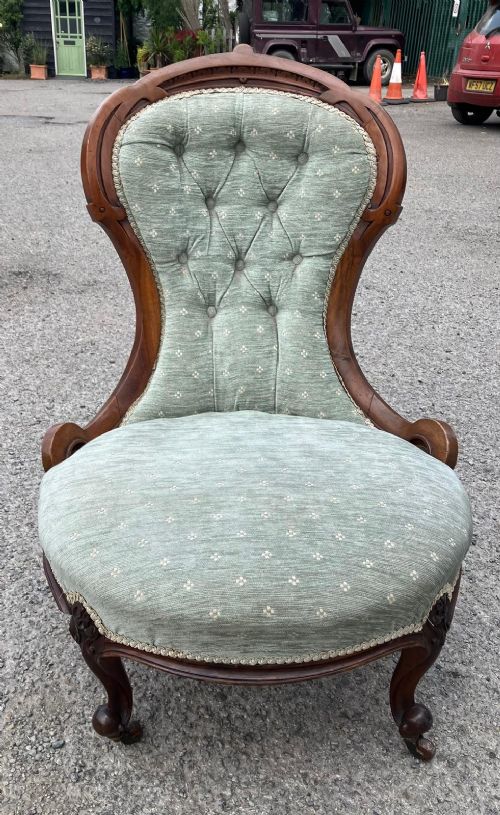
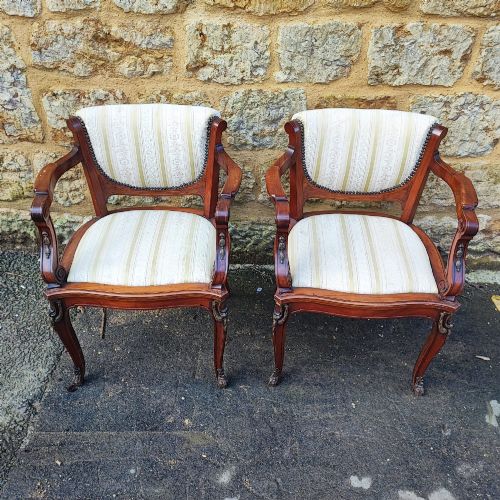
Frames are constructed from solid walnut, often shaped with carved details, scroll arms, or barley twist supports. Woodwork is frequently paired with brass castors or ceramic components to allow movement across carpets and floorboards.
Upholstery relies on traditional textiles including velvet, silk damask, fabric, tapestry and needlework covers. Button-back padding and sprung seats provide the comfort expected in private quarters.
Walnut Bedroom Armchair Retail Price Guide 2026
Typical asking prices for walnut bedroom armchair among the pieces listed under this phrase on Sellingantiques today, from the lower quarter to the upper quarter. They describe what is for sale here now, not the wider market.
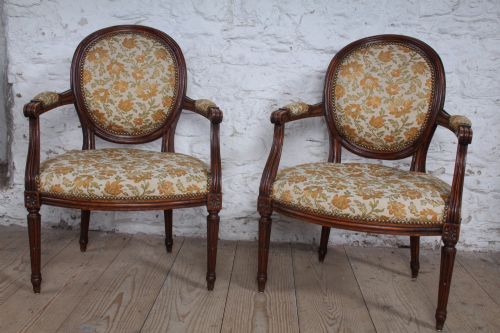
The selection includes revival designs ranging from Louis Quinze and Louis XVI styles to Queen Anne interpretations.
Judging quality
The distinction between standard examples and the finest pieces lies in the crispness of the carved walnut framework and the balance of the proportions. Superior chairs display deeper relief carving, particularly on spoon backs, cabriole legs and open arms.
Upholstery finish also separates tiers of quality, where hand-stitched buttoning, period-appropriate textile selection and robust internal webbing sustain both appearance and structural integrity over decades of use.
Howard and Sons·Hindley and Sons
The Walnut Bedroom Armchair Glossary
- Nursing chair
- A low-seated armchair designed originally for nursing infants, often featuring an open or spoon back that allowed full movement while holding a child.
- Spoon-back
- A chair back hollowed into an oval shape resembling the bowl of a spoon, which supports the spine comfortably.
- Tub armchair
- A fully upholstered chair where the curved back and arms form a continuous semi-circular enclosure resembling a half-barrel.
- Barley twist
- A decorative turning technique shaped like a twisted rope, commonly found on the legs and structural supports of Victorian furniture.
- Aesthetic Movement
- A late-nineteenth-century design approach emphasising simplicity, artistic expression and reform from heavy historic revival styles.
Walnut Bedroom Armchair: Frequently Asked Questions
Where were walnut bedroom armchairs placed?
These chairs sat primarily in private bedchambers, dressing rooms and intimate sitting rooms. They offered comfortable seating near a fireplace or dressing table.
Their smaller scale allowed them to fit easily into domestic corners without dominating the floor plan of a bedroom.
How do I identify a Victorian walnut chair?
Look for rich, dark walnut timber combined with characteristic Victorian forms such as spoon backs, balloon backs and button upholstery. Carved foliate details and cabriole legs frequently appear on these pieces.
Many examples also incorporate turnings like barley twists or rest upon brass castors, reflecting mid-to-late nineteenth-century manufacturing methods.
What is the difference between a nursing chair and a salon chair?
Nursing chairs were built low to the ground to make holding infants easier, often featuring an open back and compact proportions. Salon chairs stood higher and were intended for formal entertaining and conversation in reception rooms.
Despite these original functions, both types now serve comfortably as decorative seating in modern bedrooms.
How should I care for antique walnut woodwork?
Keep walnut furniture away from direct sunlight and sudden temperature changes to prevent the timber from drying out or splitting. Dust the carved surfaces gently with a dry cloth and apply occasional specialist wax polish to nourish the grain.
Avoid placing damp items directly onto the polished wooden frame or fabric upholstery.