
Walnut Armoire Doors
Walnut armoire doors are architectural timber panels recovered from large storage pieces, offering rich grain and substantial character for interior projects.
Walnut Armoire Doors
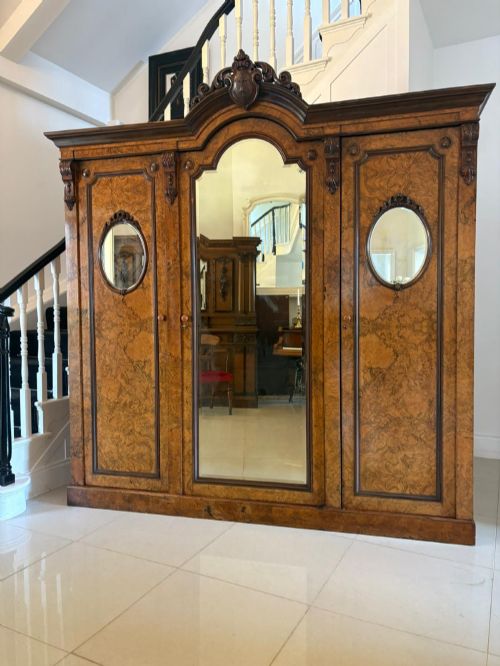
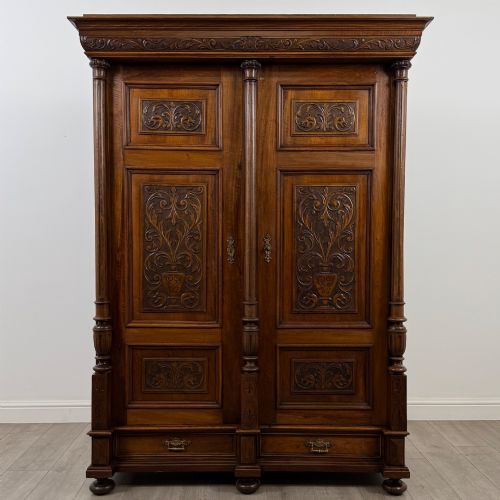
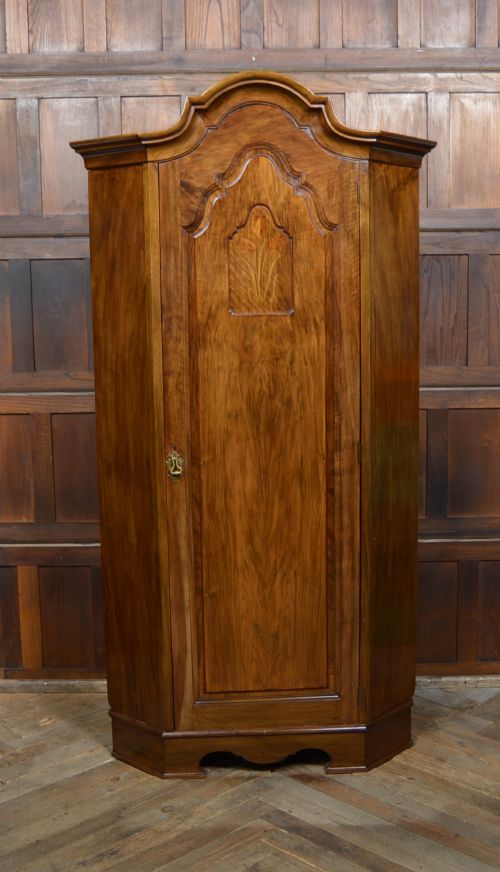
When searching for walnut armoire doors, a buyer is typically looking at heavy timber components originating from wardrobes, cabinets, and compactums spanning the eighteenth century through to the Art Deco period. These panels derive from larger case furniture produced across England, France, Italy, and Northern Europe, showcasing the shifts in regional cabinetmaking traditions over several centuries.
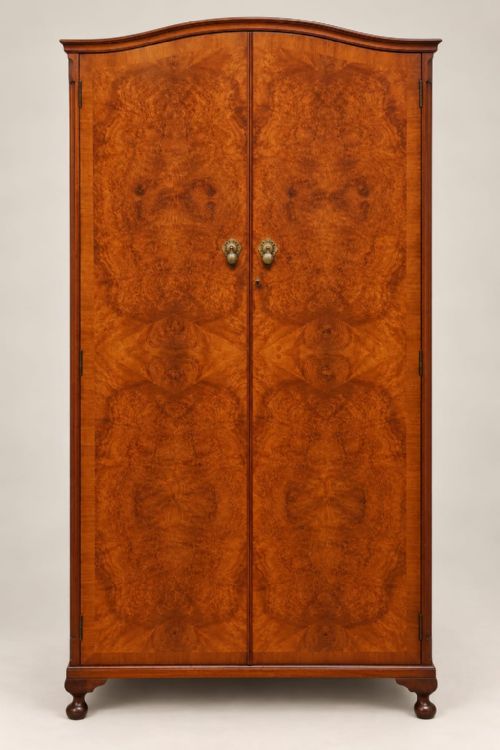
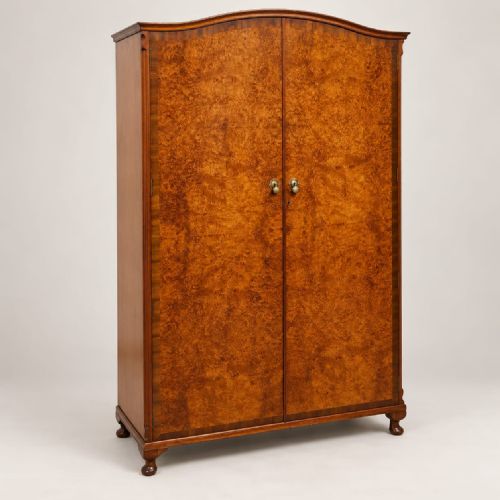
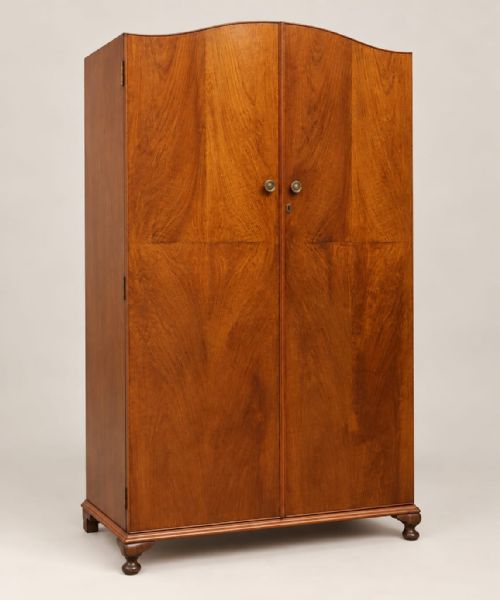
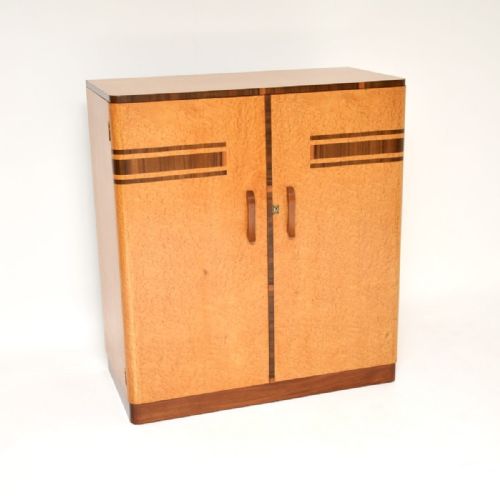
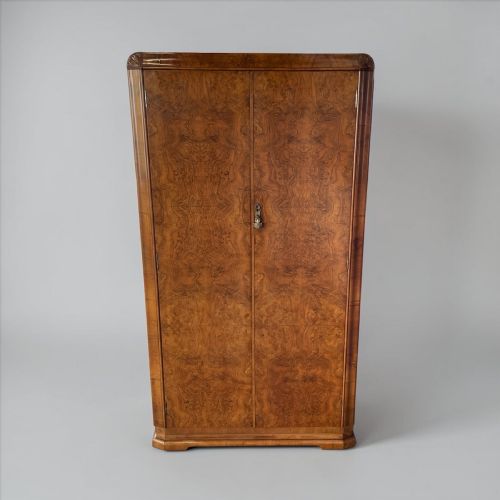
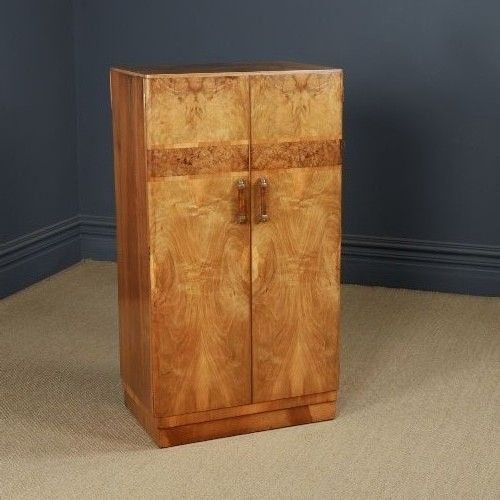
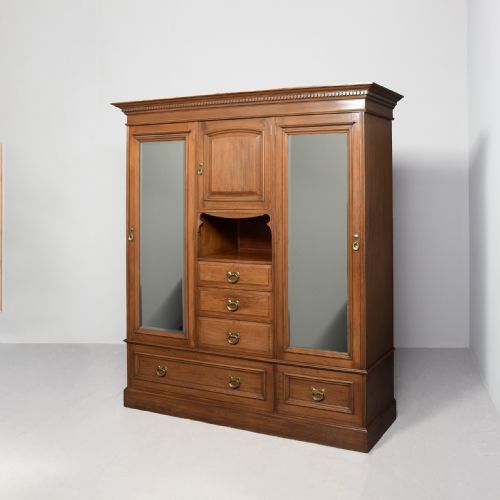
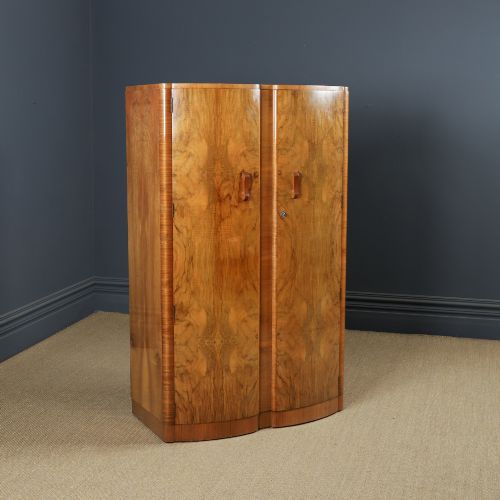
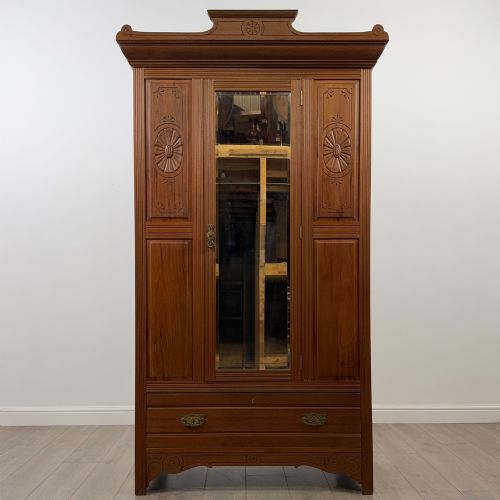
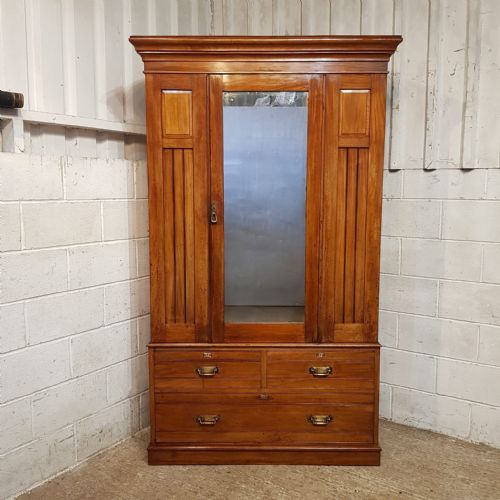
The versions most commonly met on this page include solid timber and veneered panels sourced from Victorian, Edwardian, and 1930s wardrobes. These pieces reflect specific period aesthetics, ranging from straight-grained Victorian surfaces to the curved outlines and figured grain patterns typical of Art Deco designs.
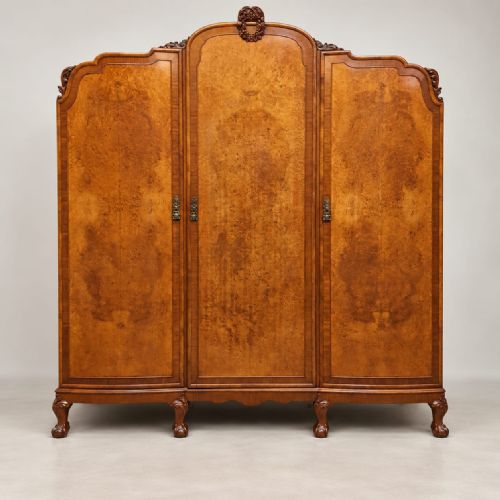
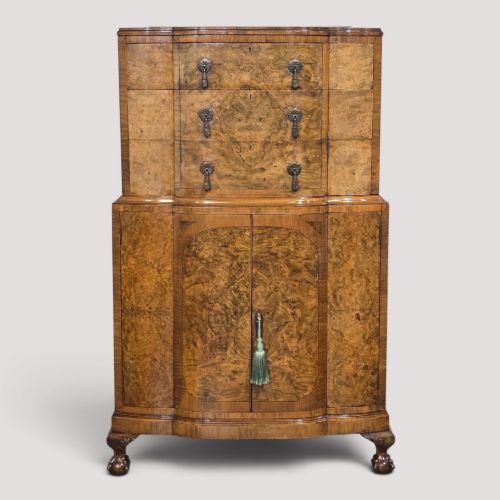
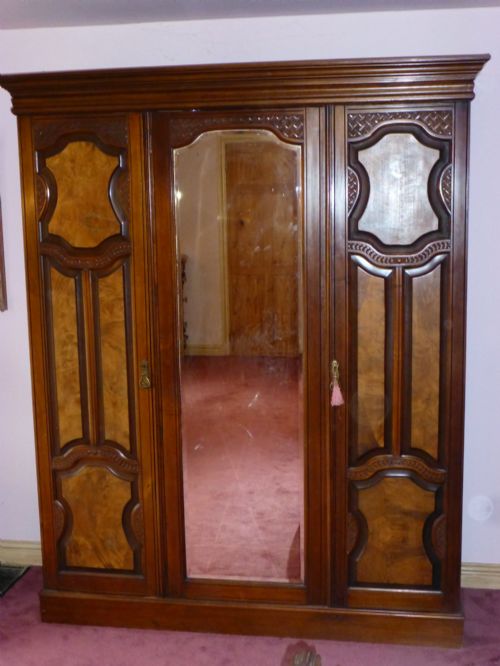
Beyond standard wardrobe elements, the selection incorporates panels from specialised furniture types such as compactums, tallboys, and bookcases. This variety means that a panel might feature mirror inserts, carved detailing, or glazed sections alongside the primary walnut timber.
Materials and construction methods
Construction relies heavily on walnut and burr walnut, frequently applied as a veneer over secondary woods like oak to display intricate grain patterns. Cabinetmakers utilised natural figuring, placing veneers symmetrically across panels to create striking visual movement on large surfaces.
Structural integrity depended on traditional joinery techniques, using solid timber frames to house panels and accommodate seasonal wood movement. Metal elements such as brass hinges, locks, and occasional ormolu mounts were integrated into the heavier doors to support the weight of the timber.
Some nineteenth-century armoires arrived with secret compartments hidden behind the main doors to guard family valuables.
Distinctions in quality and execution
Quality separates ordinary utility pieces from exceptional cabinetwork through the selection and matching of the timber veneers. Finer examples display continuous, highly figured burr walnut across the panels, whereas simpler items utilise plain straight-grained walnut.
The depth of hand-carving and the integration of specialised hardware differentiate the standard production from the exceptional workshop output. Superior panels show crisp detailing in mouldings and carvings, whereas lesser examples rely on simpler, machine-produced surface decoration.
Holland and Sons·Jean Faure
The Walnut Armoire Doors Glossary
- Burr Walnut
- A specialised wood cut from the growth warts or burls of walnut trees, yielding turbulent and highly decorative grain patterns. Cabinetmakers prized this material for the most prominent surfaces of high-status furniture.
- Compactum
- A multi-compartment wardrobe designed to maximise storage by combining hanging space, drawers, and shelves within a single unit. These pieces frequently generated large, complex doors.
- Veneer
- A thin slice of decorative wood adhered to a stable secondary timber core to provide an expensive appearance without excessive weight or cost. This technique allowed makers to utilise scarce burr patterns efficiently.
- Ormolu
- Gilded bronze mounts applied to furniture for decorative enrichment, common on high-end continental pieces. These metal ornaments added contrast against dark walnut timber surfaces.
Walnut Armoire Doors: Frequently Asked Questions
What periods do these doors come from?
The inventory spans multiple centuries, including eighteenth-century continental pieces, nineteenth-century Victorian designs, and early twentieth-century Art Deco examples.
Each era contributes distinct construction traits and grain patterns, reflecting the prevailing interior fashions of the time.
Are these panels sold as single items?
Listings include both individual doors salvaged from single wardrobes and matched pairs taken from larger multi-door armoires.
Buyers select single units for decorative wall hanging or repurposing, while pairs suit architectural integration projects.
How do I identify burr walnut?
Burr walnut is recognizable by its swirling, dense cluster patterns and small knot formations that create an organic, mottled texture.
This distinct figuring results from abnormal tree growth, making each panel entirely unique in appearance.
Can these doors be used in interior renovations?
Many buyers adapt these sturdy timber panels for architectural uses, such as cupboard fronts, wall paneling, or custom cabinetry.
The substantial thickness of the timber makes them suitable for conversion while retaining their historical surface finish.