
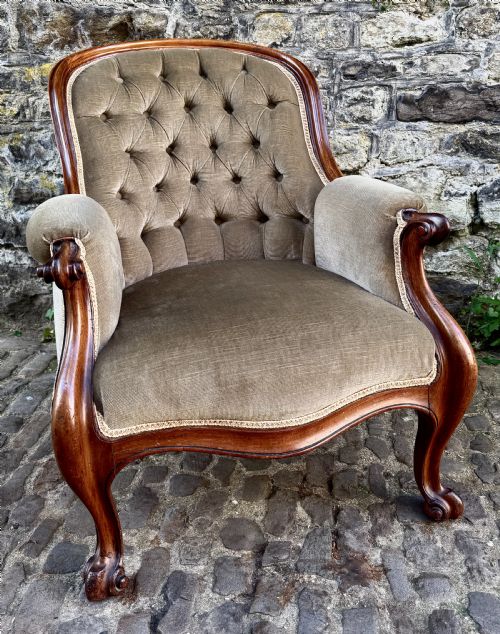
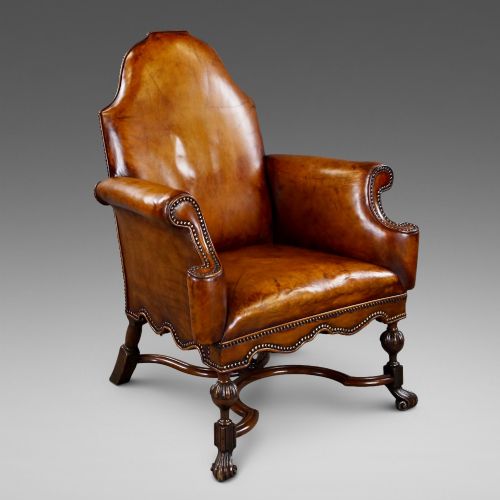
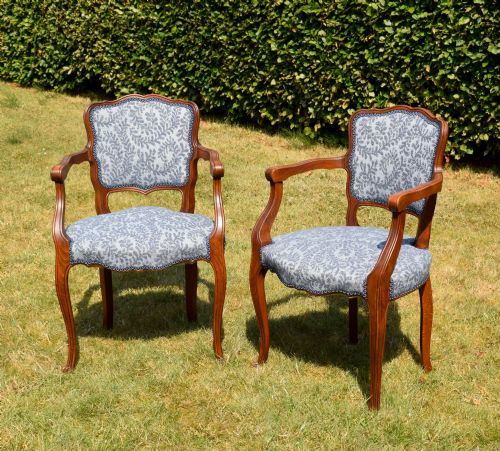
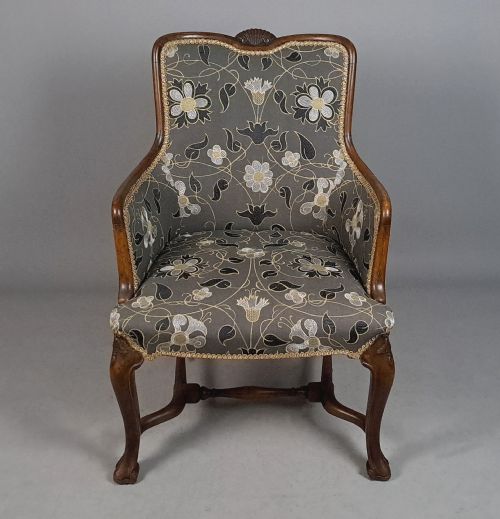
Walnut Arm Chair
When you search for a walnut arm chair, you enter a lineage spanning the seventeenth century to the Art Deco period.
Walnut Arm Chair
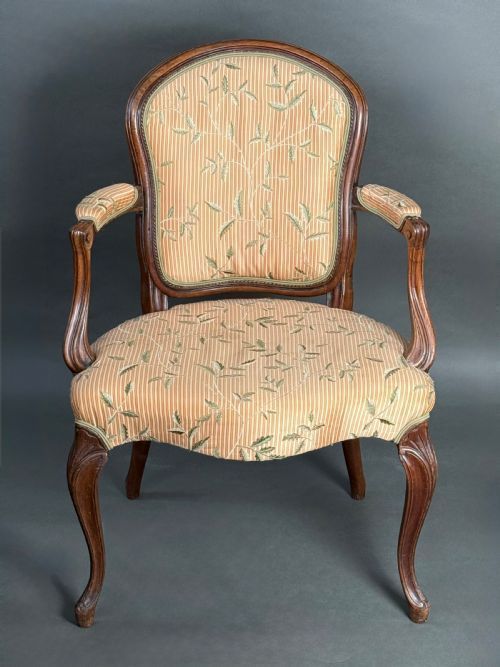
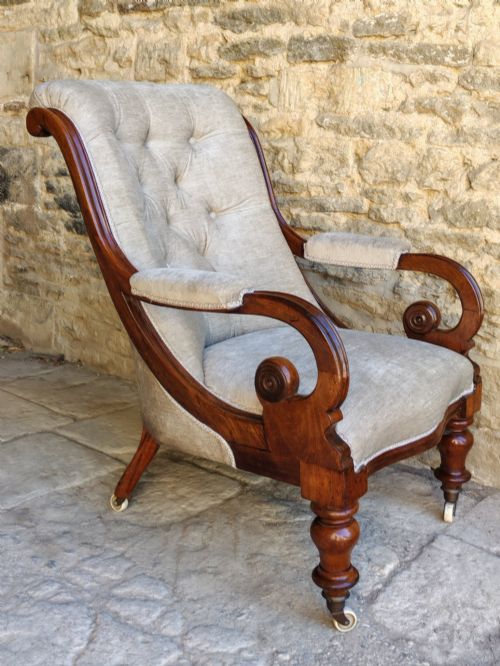
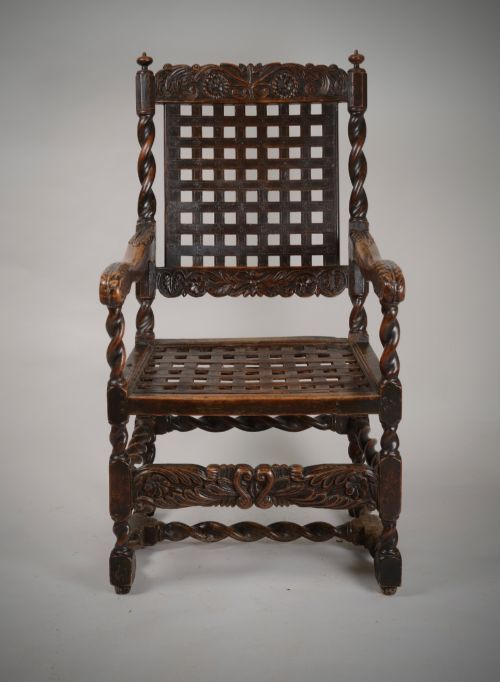
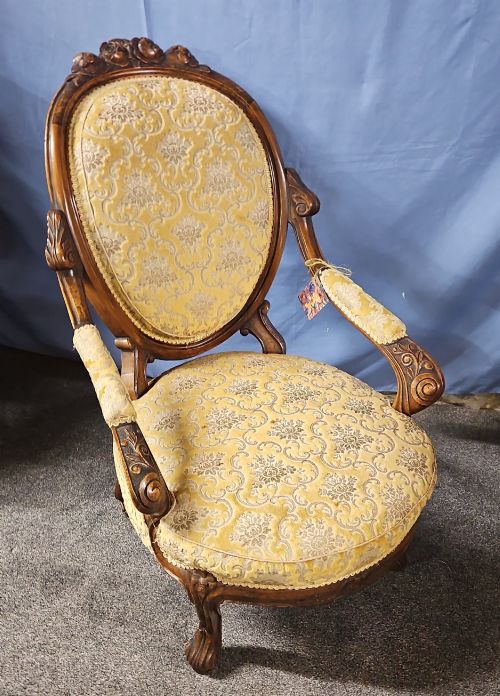
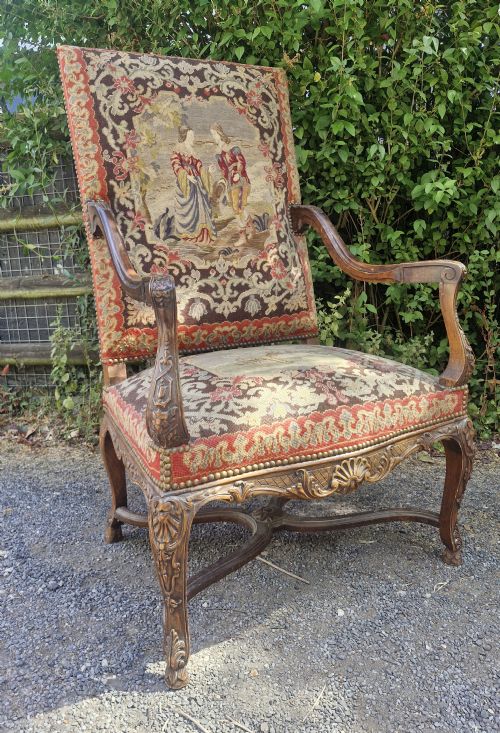
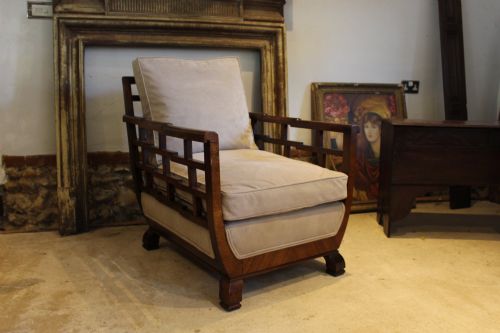
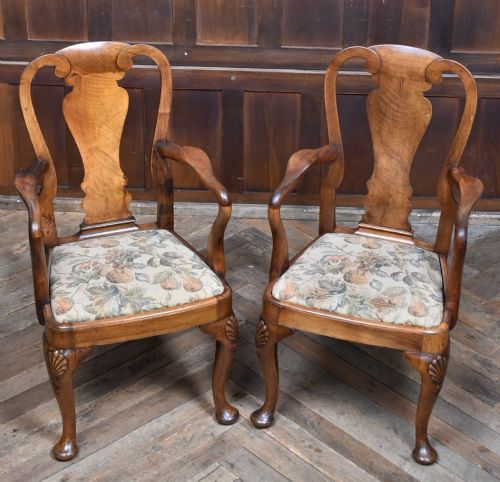
A walnut arm chair spans centuries of domestic seating, originating from robust seventeenth-century frames through to refined Victorian and Edwardian examples. You will frequently encounter nineteenth-century pieces alongside French models bearing Louis XV or Louis XVI style influences.
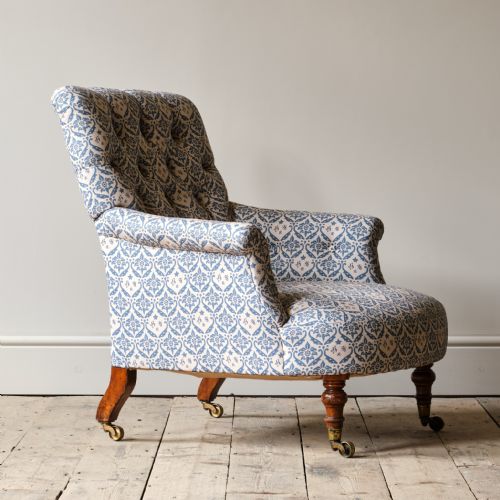
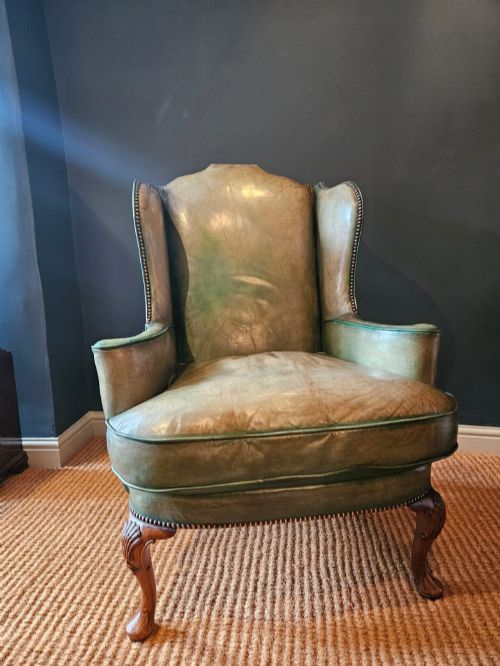
The selection ranges from low salon and bedroom seats to substantial library, desk, and wingback configurations. Form follows period, moving from high-backed carved iterations to low, upholstered club and lounge chairs.
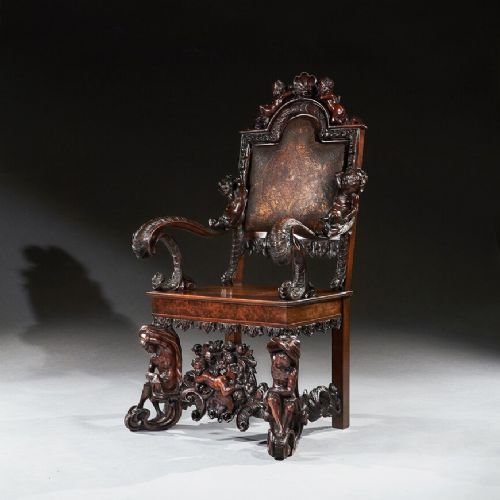
Origin plays a defining role in appearance, with English, French, Dutch, and Italian makers each applying distinct regional interpretations to the timber frame. Whether dealing with a heavy Italian baroque chair or a sleek Art Deco creation, the underlying material unites them.
Materials and construction
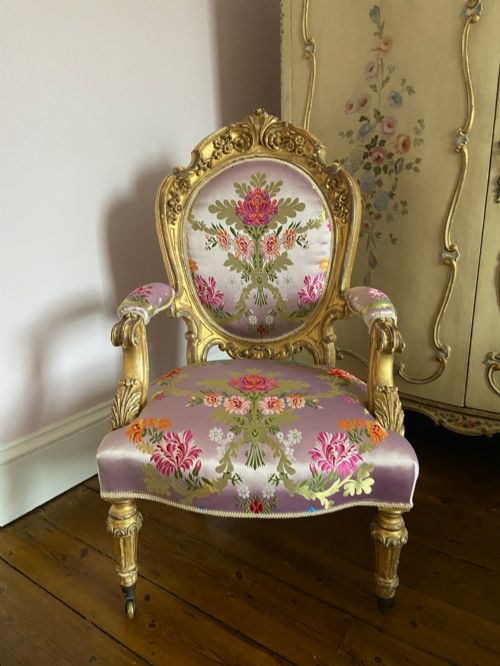
Solid walnut forms the primary structural skeleton of these chairs, chosen for its dense grain and capacity for sharp carving. Craftsmen frequently combined the timber with applied gilding or marquetry inlay to enhance the visual depth of the frame.
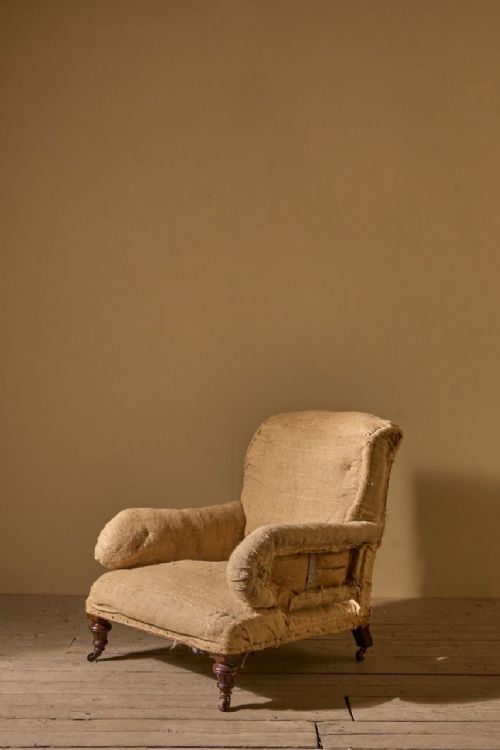
Upholstery relies on traditional textiles including silk, velvet, leather, needlework, damask, and plain linen, often secured with brass tacking or finished with button backs. Internal stuffing utilised period materials like hessian before modern synthetic alternatives emerged.
Some nineteenth-century makers hid secret compartment drawers beneath the armrests for storing reading spectacles.
Assessing quality and execution
The distinction between standard production and exhibition grade lies in the crispness of the hand-carved detailing on the walnut frame. Superior pieces display deep, fluid relief work around the arms, legs, and crest rails without losing structural integrity.
Makers such as Howard and Sons or Hindley and Sons brought exceptional joinery standards to their upholstered frames, ensuring internal stability beneath the surface coverings. Finer chairs also maintain original period upholstery materials and intact secondary timbers rather than modern replacement frames.
Andrea Brustolon·Howard and Sons·Hindley and Sons
The Walnut Arm Chair Glossary
- Fauteuil
- An open-framed armchair originating in France, characterised by upholstered armrests and exposed wooden sides.
- Cabriole leg
- A furniture leg that curves outward and then tapers inward, frequently terminating in a claw and ball foot on eighteenth-century and revival pieces.
- Bergere
- An enclosed upholstered armchair with a solid wooden frame, often featuring cane work panels to the sides and back.
- Marquetry
- Decorative veneer patterns applied to the wooden surfaces of furniture, utilising contrasting timber segments to create pictorial designs.
- Wingback
- A high-backed chair featuring protective panels or wings flanking the headrest to shield the sitter from draughts.
Walnut Arm Chair: Frequently Asked Questions
How do I identify a seventeenth-century walnut arm chair?
Seventeenth-century models typically feature heavier turned supports, stretchers, and straight uprights constructed from solid dark walnut. Look for evidence of hand-tooling and pegged joinery rather than modern mechanical fastenings.
Surface patination accumulated over centuries provides another indicator of age, alongside traditional upholstery methods beneath outer covers.
What is the difference between an armchair and a salon chair?
Armchairs are generally built for heavier daily use in libraries, studies, or parlours, often featuring substantial wooden arms and leather or thick textile upholstery. Salon chairs are typically lighter, more decorative occasional seating designed for reception rooms.
Salon variations frequently incorporate delicate frames, needlework, or silk coverings intended for display rather than robust lounging.
Are Art Deco walnut arm chairs comfortable?
Art Deco pieces from the 1930s prioritize ergonomic lounging, frequently pairing walnut veneer frames with deep calf suede or leather cushions. These chairs sit lower to the ground and offer broader armrests compared to Victorian or Edwardian precedents.
Internal springing systems from this era provide a softer, more relaxed sit suitable for modern living spaces.
How should I care for antique leather and walnut?
Walnut woodwork benefits from occasional gentle cleaning with soft cloths and periodic application of traditional wax to nourish the grain. Avoid placing antique timber furniture in direct sunlight or near heat sources to prevent cracking.
Leather upholstery requires specialised conditioning balms to maintain flexibility and prevent the surface from drying out over time.