
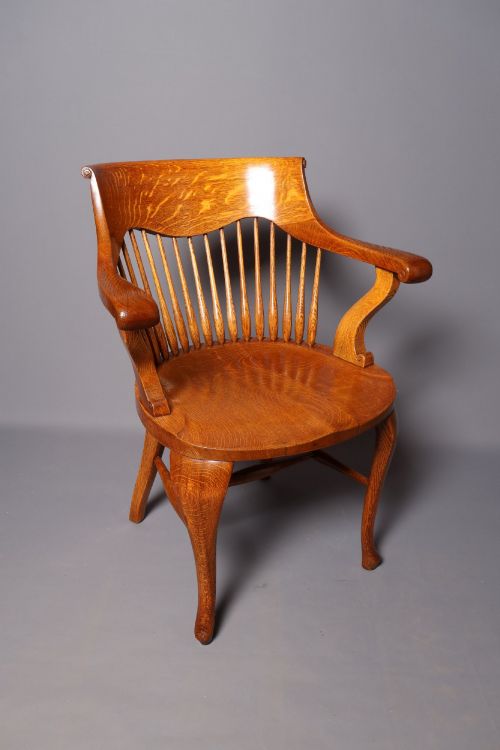
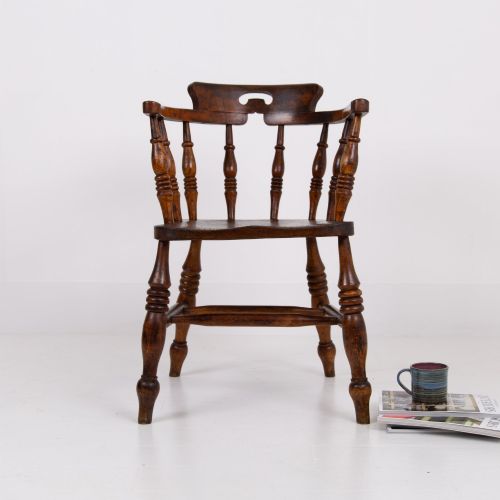
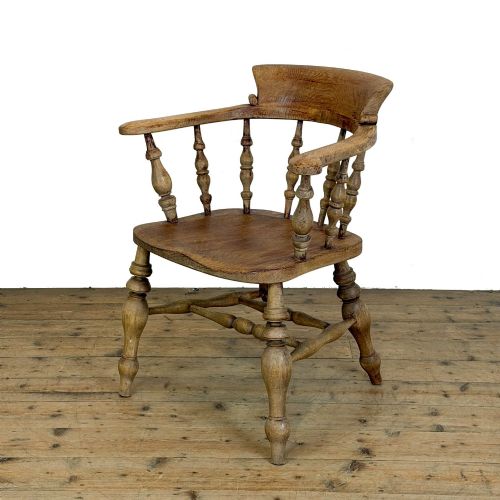


Victorian Bow Back Chair
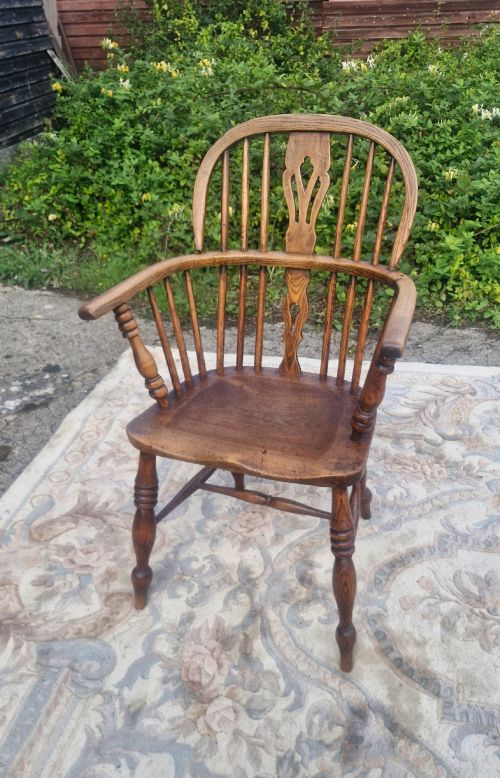
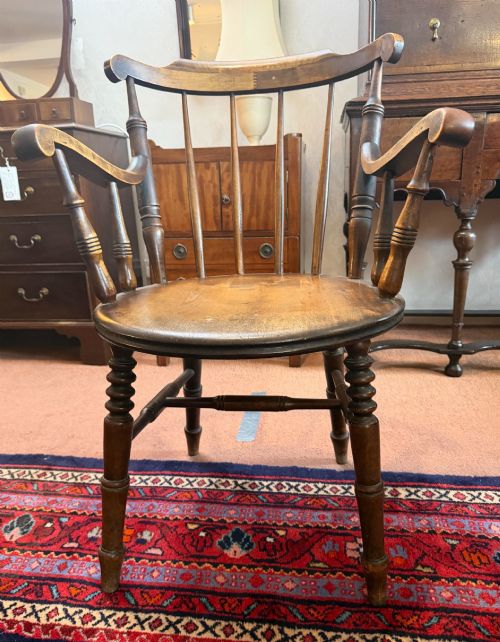
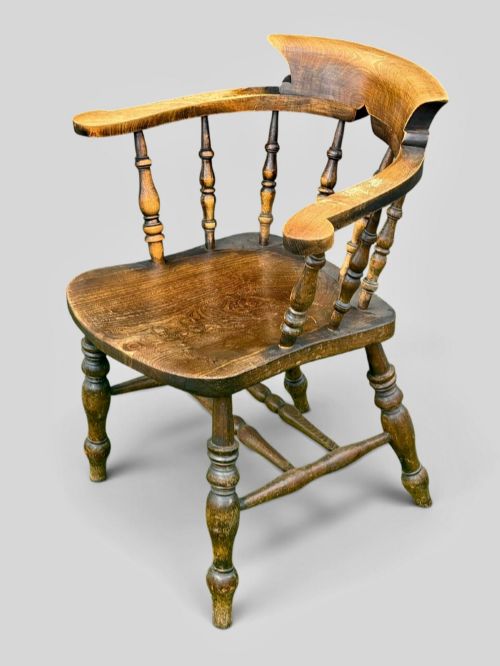
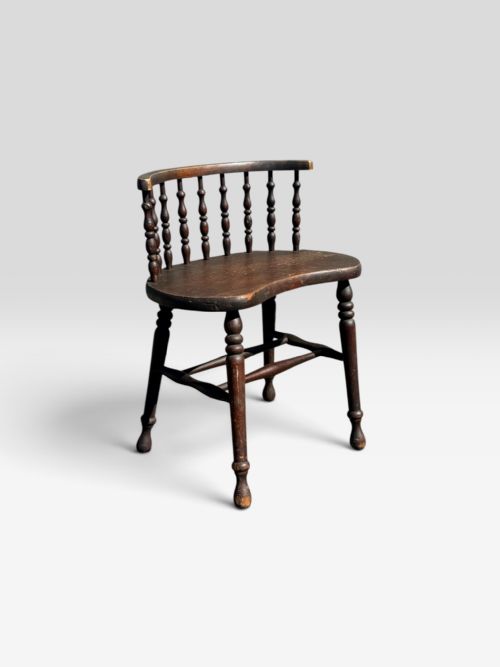
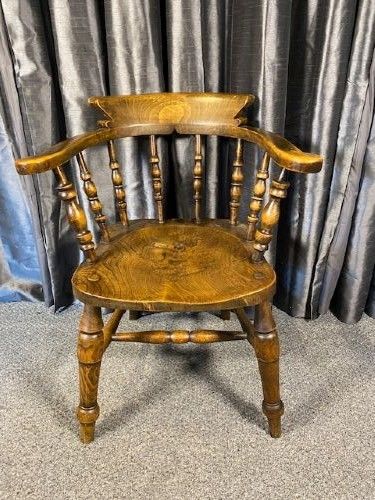
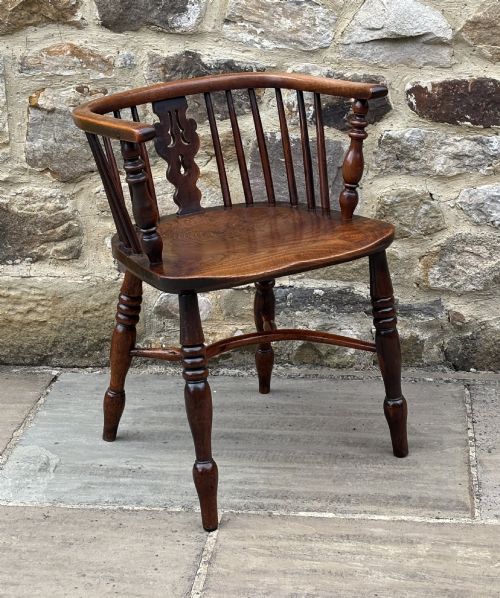
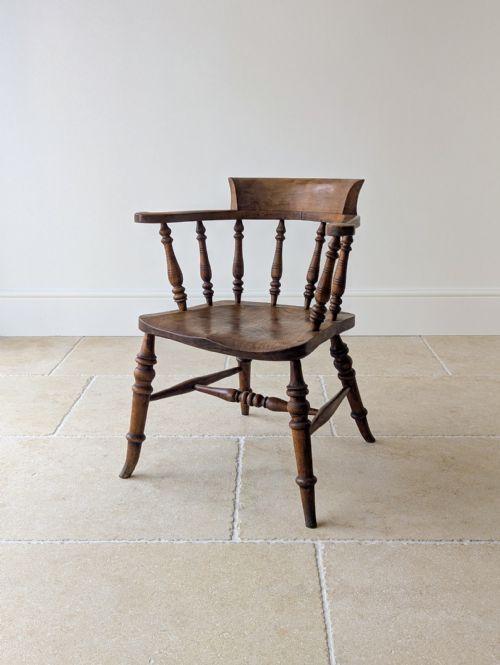
When you search for a victorian bow back chair, you find solid vernacular seating designed for comfort and everyday utility.
Victorian Bow Back Chair
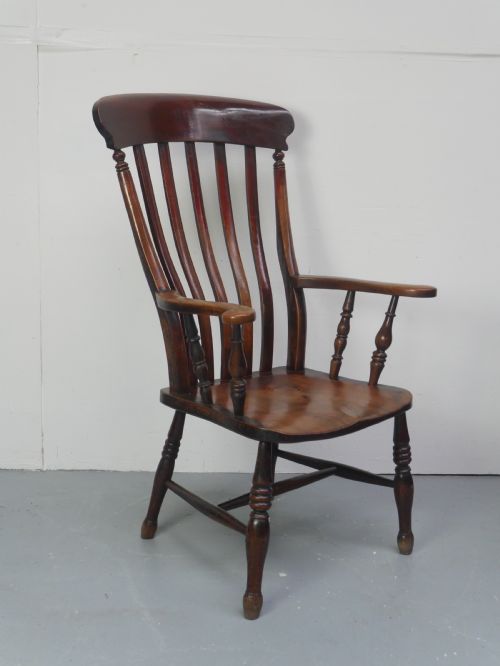
Most pieces seen here belong to the nineteenth century, ranging from mid-century examples to later Victorian and Edwardian adaptations. Forms include low-back armchairs, desk chairs, rocking chairs, and occasional child chairs.
The regional variations include Yorkshire, Nottinghamshire, and Lancashire styles, alongside general English provincial and rustic country interpretations.
How they were made
Joiners and chairmakers utilised a mix of native timbers, frequently combining woods within a single frame for structural strength and contrast. Elm provides a tough, highly figured seat panel, while ash, beech, and yew form the flexible bentwood bows and slender turned spindles.
Makers constructed the seats from solid slabs of timber, often saddled or scooped for comfort, into which the legs and back spindles were wedged and tenoned. Bending the continuous arm rail required steaming the wood to shape the distinctive bow profile without splitting the grain.
The archive records frequent pairings of elm seats with ash spindles, alongside occasional walnut and mahogany desk variants.
What varies in quality
The timber selection defines the upper tier of the range, particularly pieces utilising richly figured yew wood, burr elm, or satin birch with deep, timeworn patination. Plain beech and standard mixed-wood farm chairs sit at the more utilitarian end of the scale.
Construction details such as the thickness of the saddle seat, the crispness of the spindle turnings, and the integrity of the wedged joints separate standard workshop production from finer regional pieces.
The Victorian Bow Back Chair Glossary
- Bow back
- A continuous curved wooden rail forming the upper back and arms of the chair. This steam-bent element distributes weight and provides sturdy armrests.
- Windsor
- A chair built with a solid wooden seat into which the legs and back bow are directly inserted. Regional variations often display distinct spindle layouts and undercarriage turnings.
- Spindle
- A slender, lathe-turned wooden rod supporting the back rail of the chair. These uprights strengthen the upper frame while keeping the seating light.
- Patina
- The surface sheen and colour developed by aged wood through handling, waxing, and exposure over decades. A rich patina indicates long use and honest conservation.
Victorian Bow Back Chair: Frequently Asked Questions
What is the difference between a Windsor and a smoker's bow?
A smoker's bow is a specific, lower-backed form of Windsor chair with a continuous rounded arm rail.
Standard Windsor chairs often feature higher backs with central splats or multiple stick spindles.
What woods were used to make these chairs?
Cabinetmakers utilised native British timbers such as elm for the seats, ash and beech for the spindles and legs, and yew for finer frames.
Combinations of these woods within a single chair were standard practice to balance strength and flexibility.
How do I use a bow back chair at a modern desk?
Many nineteenth-century examples were built specifically as desk or office chairs, featuring ergonomic curved bows and solid wooden seats.
Measuring the desk clearance against the arm height ensures the bow slides neatly beneath the tabletop.
How can I tell the age of a country armchair?
Dating relies on tool marks, timber selection, construction methods, and the wear patterns on the seat and footings.
Mid-nineteenth-century examples often display deep saddle shaping and heavier yew or ash framing compared to later Edwardian pieces.