
Walnut Accent Side Table
A walnut accent side table brings rich timber grain and compact utility to a room, ranging from Victorian marquetry to Art Deco simplicity.
Walnut Accent Side Table
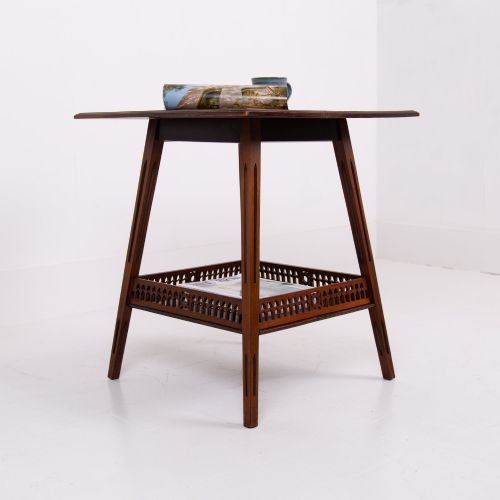
A walnut accent side table encompasses small occasional furniture designed for compact placement, frequently appearing as lamp tables, wine tables, and coffee tables. These pieces serve functional roles beside seating while introducing decorative timber surfaces into domestic interiors.
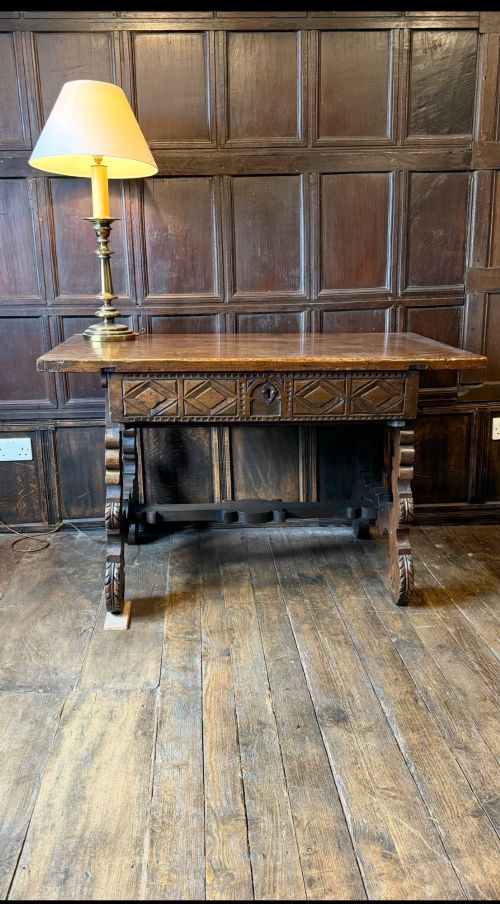
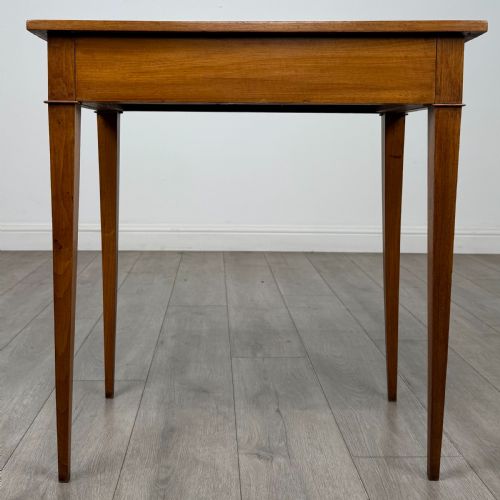
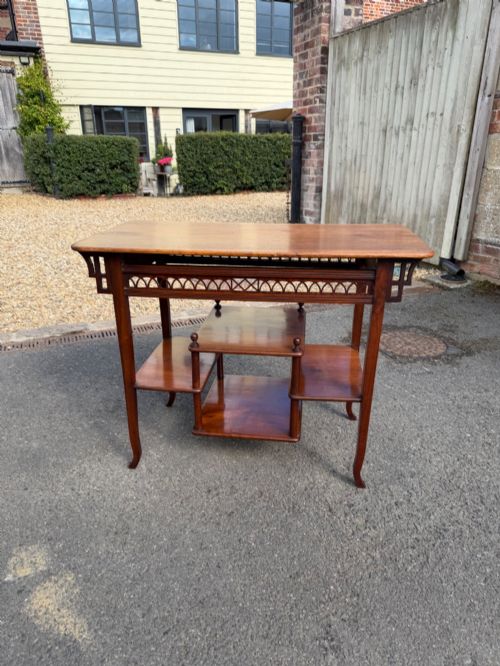
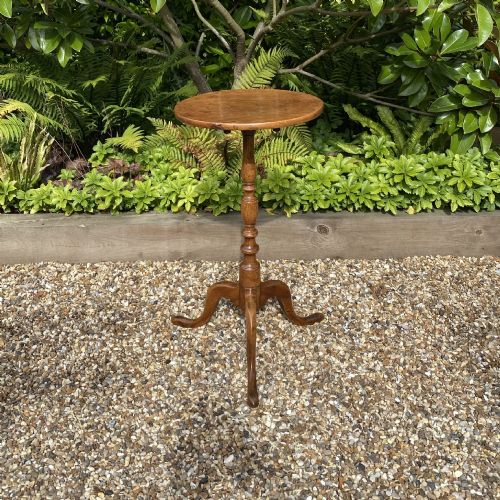
The selection on this page spans several centuries and origins, reaching from eighteenth-century country examples to twentieth-century Art Deco designs. Buyers encounter diverse forms including tripod tables, Sutherland tables, nests of tables, and lowboys.
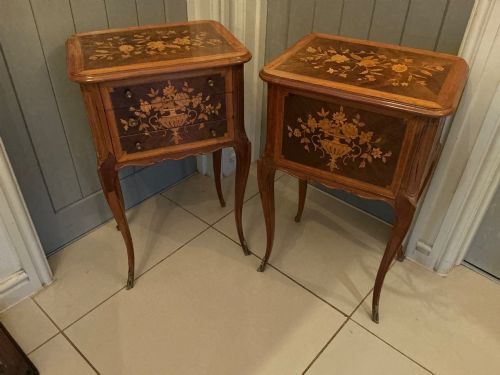
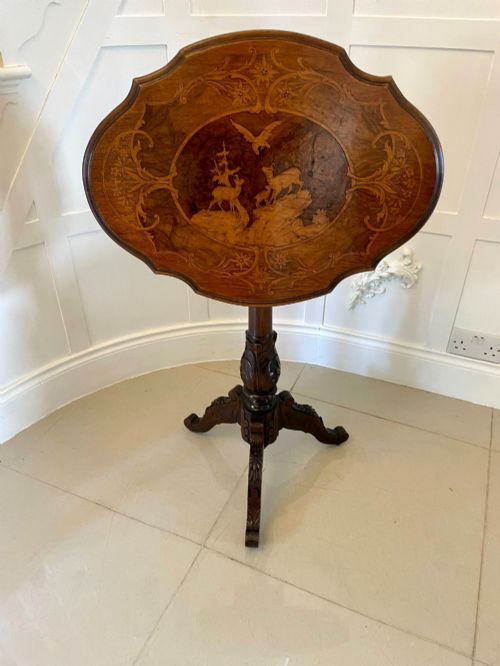
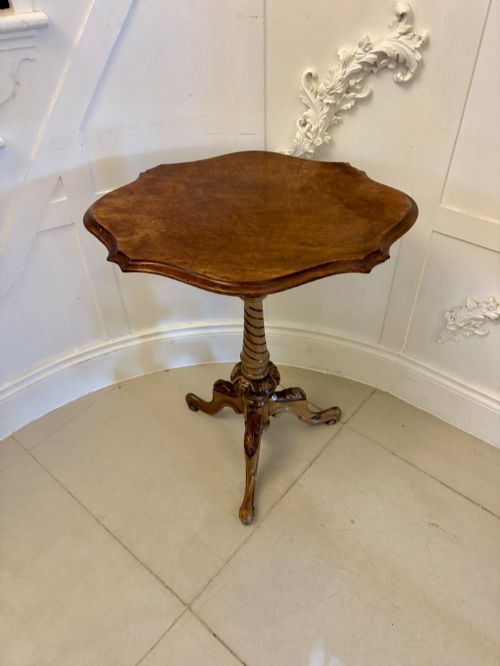
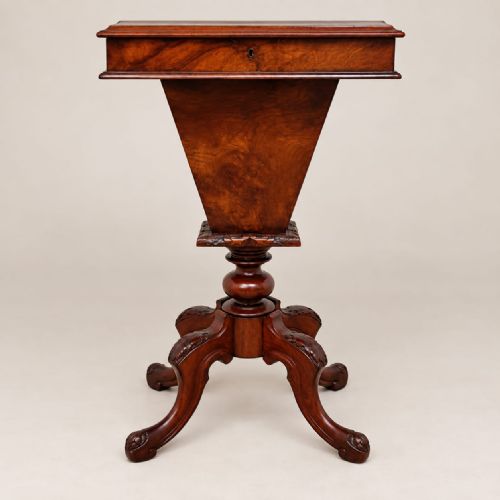
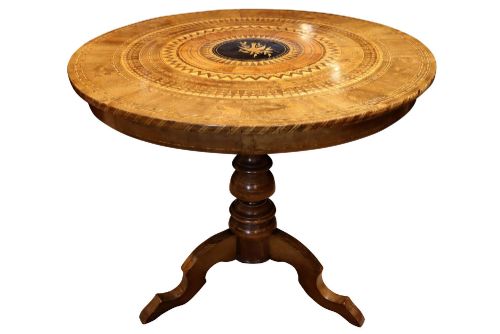
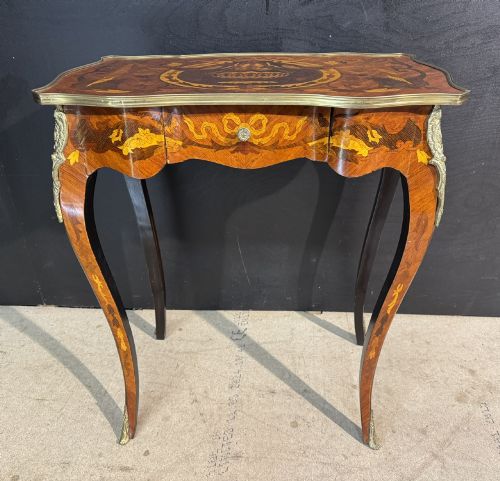
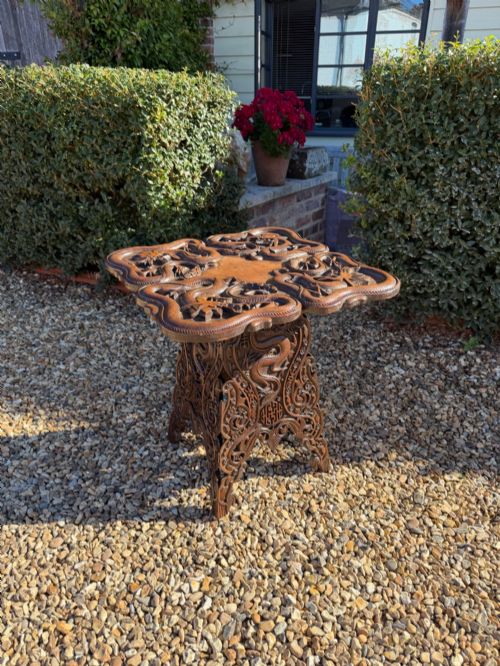
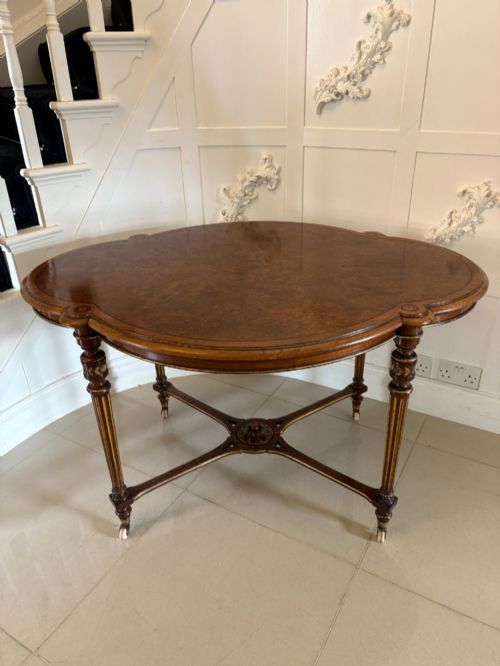
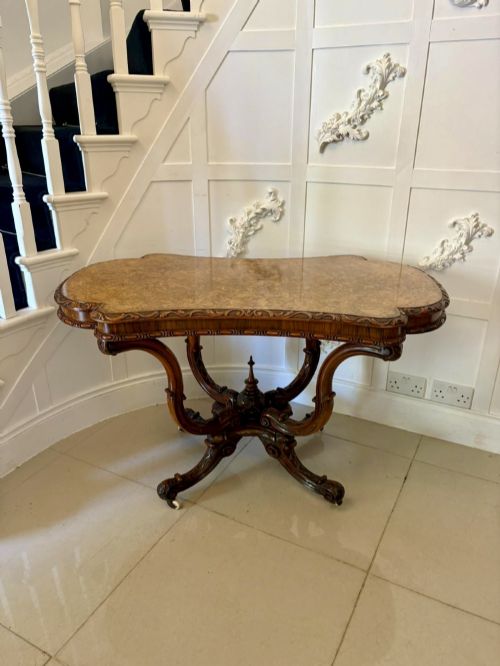
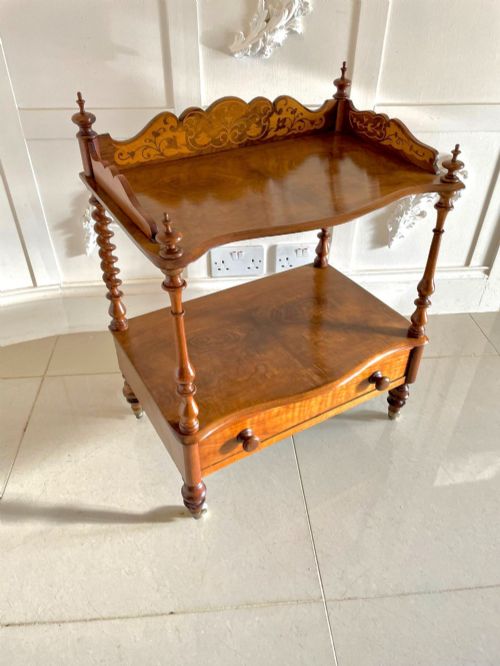
Victorian and Edwardian pieces feature prominently among the current listings, often displaying burr walnut veneers, inlaid marquetry, and carved details. Alongside these, French styles, Italian Sorrento pieces, and Kashmiri craftwork demonstrate the broad geographical reach of walnut furniture.
What varies in quality
The choice of timber grain defines the visual impact, with figured burr walnut and symmetrical marquetry separating standard examples from exceptional pieces. Artisanal precision in inlay work and carving depth indicates the level of craftsmanship invested in the construction.
Proportion and structural integrity distinguish finer examples, where delicate forms like tripod bases and cabriole legs retain stability and balance. The preservation of original surface finishes and patination further establishes the distinction between ordinary and superior pieces.
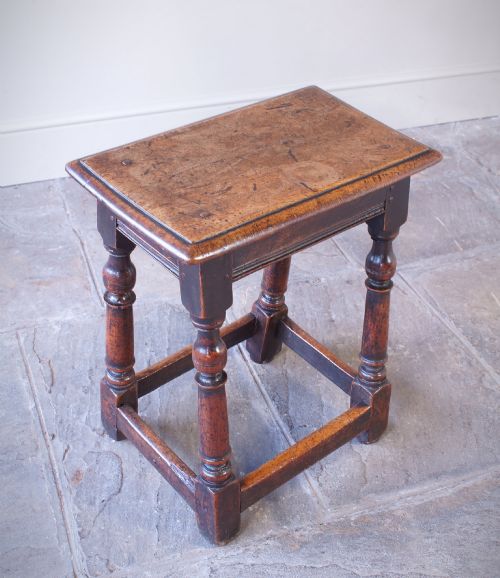
The listings span from seventeenth-century joint stools to 1930s Art Deco coffee tables, uniting diverse eras through walnut timber.
The Walnut Accent Side Table Glossary
- Burr walnut
- A figured wood grain taken from the warted growths on walnut trees, prized for its swirling patterns on tabletops.
- Marquetry
- Decorative patterns formed by fitting together thin slices of coloured wood veneer onto a structural surface.
- Sutherland table
- A narrow drop-leaf table with hinged flaps supported by pivoting swing legs, designed to fold flat.
- Lowboy
- A small kneehole dressing table or side table featuring one or more drawers beneath the top surface.
- Parquetry
- Geometric mosaic woodwork arranged in repeating patterns such as squares or stars across a tabletop.
Walnut Accent Side Table: Frequently Asked Questions
Where should I put a walnut accent side table?
These compact tables fit easily beside armchairs, sofas, or beds where a small surface is needed for lamps or books. Their varied proportions also allow them to stand alone in hallways or landings as decorative display pieces.
Selecting a specific form, such as a tripod wine table or a nest of tables, helps determine its placement within a room's layout.
How do I care for walnut veneer furniture?
Polishing walnut furniture with traditional wax preserves the natural lustre of the timber and protects the underlying veneer from drying out. Avoiding direct sunlight and placement near heat sources prevents the wood from warping or fading over time.
Regular dusting with a soft, dry cloth maintains the surface without the need for harsh chemical cleaners.
How can I tell a Victorian table from an Art Deco one?
Victorian examples often showcase ornate carved details, inlaid marquetry, and turned legs, reflecting a historicist aesthetic. Art Deco pieces favour smooth, figured walnut veneers with clean geometric lines and minimal applied ornamentation.
Comparing the overall silhouette and decorative motifs quickly distinguishes the elaborate nineteenth-century styles from twentieth-century minimalism.