

Wall Mounted Display
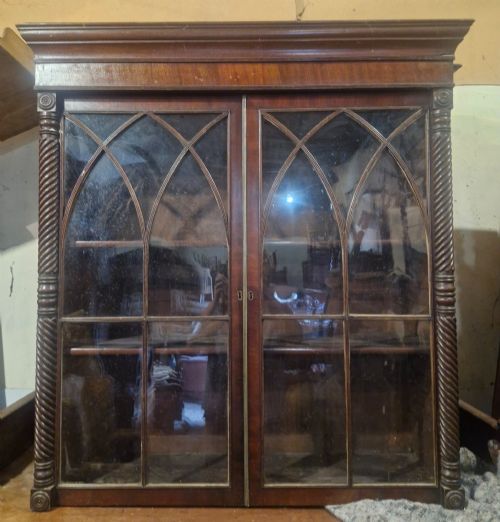
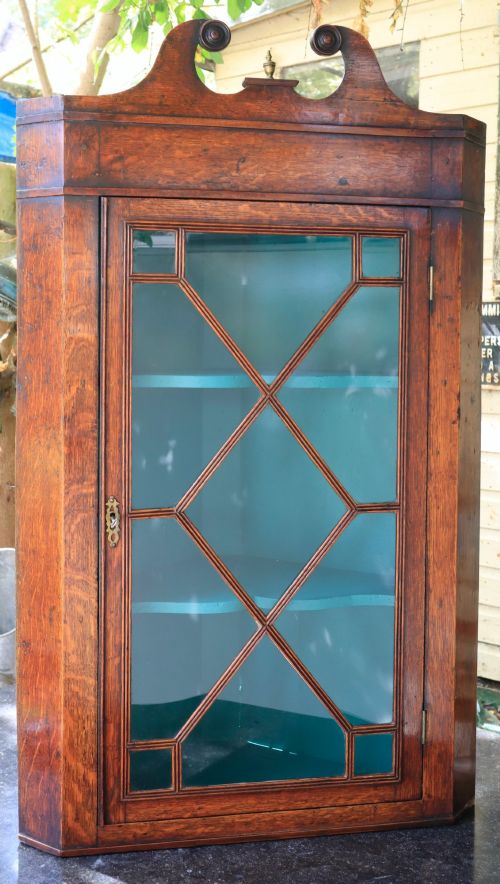
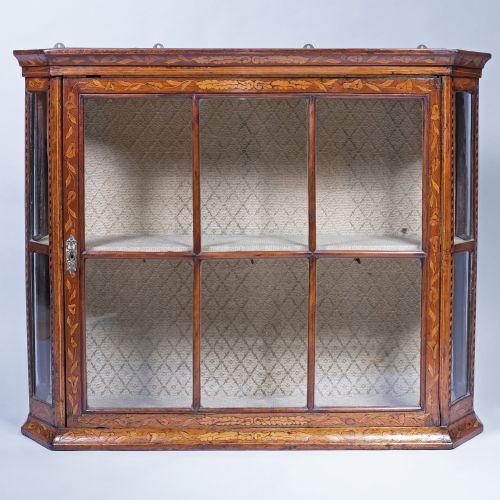
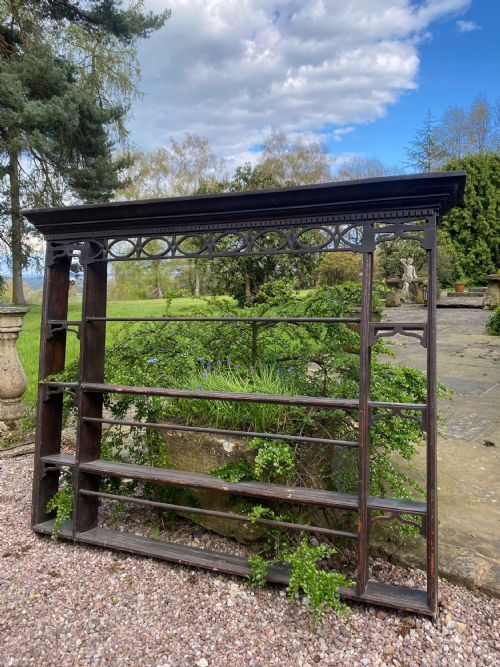
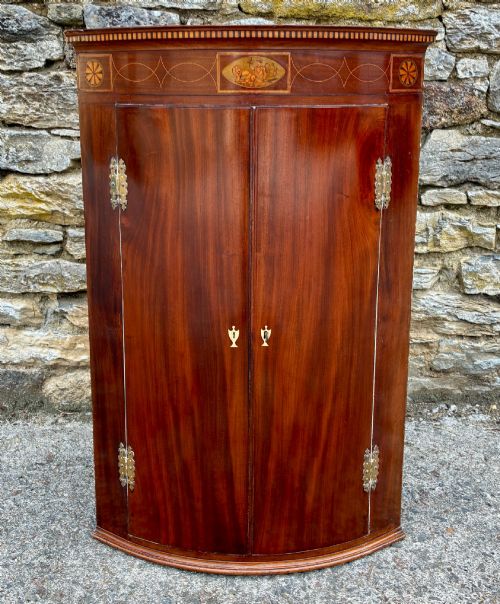
These wall mounted display pieces range from Georgian mahogany corner cupboards to Edwardian glazed cabinets, designed to preserve and exhibit collections at eye level.
Wall Mounted Display
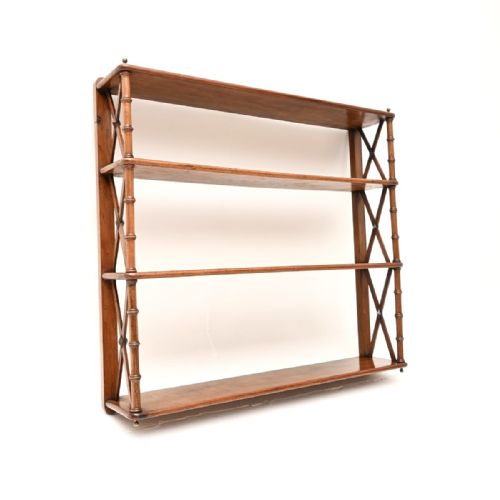
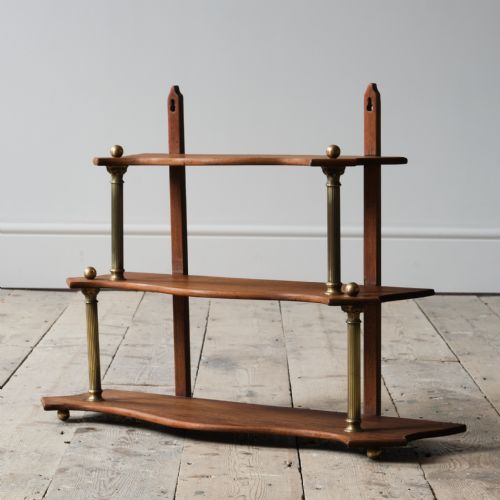
When you search for wall mounted display, you encounter a variety of hanging furniture designed to utilise vertical space in domestic and commercial interiors. The selection spans open wall shelves, plate racks, corner cupboards and glazed hanging cabinets originating from the eighteenth, nineteenth and early twentieth centuries.
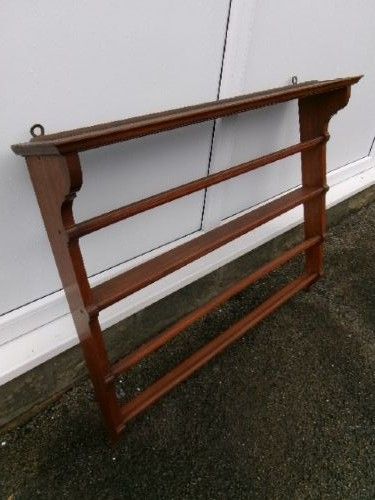
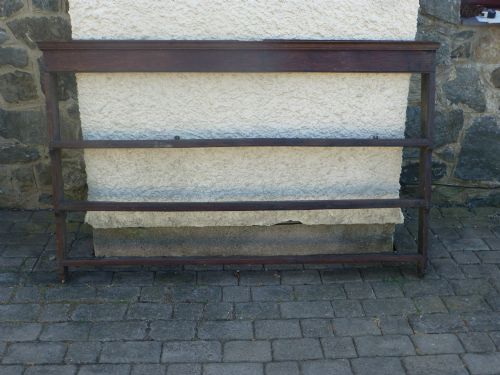
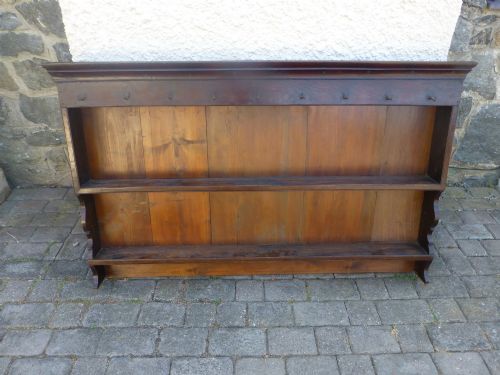
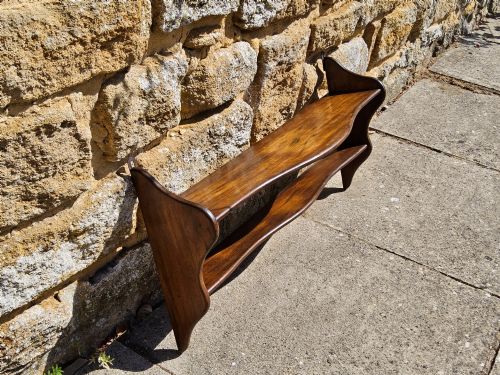
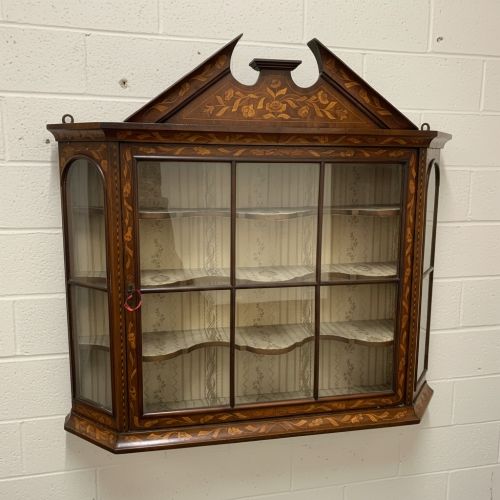
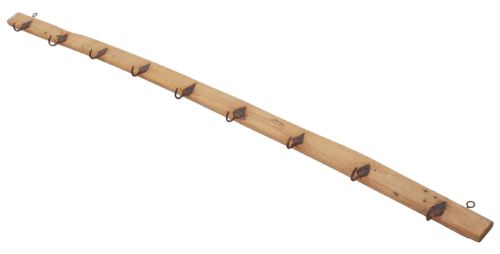
The most common examples on this page are mahogany and oak hanging shelves, alongside corner cabinets from the Georgian and Victorian periods. Pieces range from simple kitchen game hook racks and delft plate racks to elaborate marquetry wall cabinets and shop display cases.
Materials and construction
Cabinet makers utilised dense native timbers such as mahogany, oak, walnut and pine, often enhancing surfaces with brass hardware, glass panels and decorative marquetry. Woods were selected for their stability and grain, supporting structural forms from corner cupboards to tiered waterfall shelves.
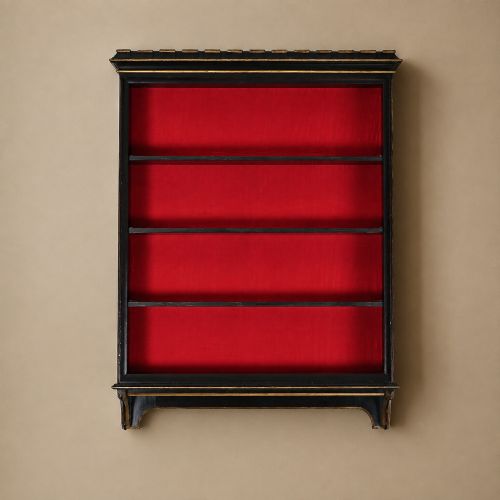
Construction methods include dovetailed joints, pegged frames and fitted shelving, with glazed doors secured by locks and keys on finer cabinets. Painted and ebonised finishes appear alongside polished hardwood surfaces, reflecting the decorative preferences of the Georgian, Victorian and Edwardian eras.
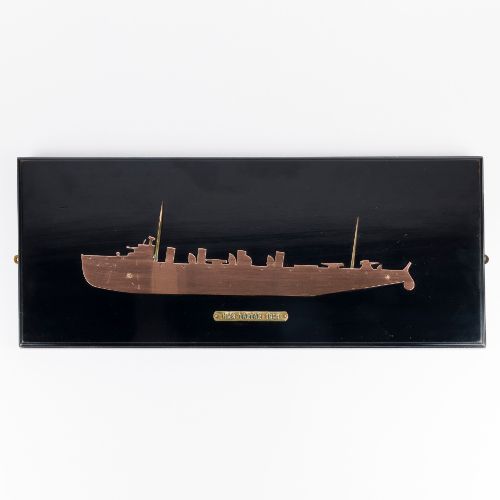
Listings feature eighteenth and nineteenth-century pine, oak, and mahogany alongside specialised taxidermy and brass display pieces.
Distinctions in quality
Quality in these hanging pieces rests on the selection of timber and the precision of the cabinet work, from plain country pine to figured mahogany and intricate Dutch marquetry. Finer examples display thoughtful proportions, original glass, and integrated details such as shaped pediments, brass fittings and working locks.
The integrity of the construction and the preservation of original surfaces separate standard utility items from superior pieces. Workshops that employed skilled joinery produced hanging cabinets and shelves that retain their structural balance and material depth over centuries.
George Edmund Street·Stubbs·Julian Mandel·J Cooper And Sons
The Wall Mounted Display Glossary
- Corner Cabinet
- A specialised storage piece built to fit precisely into the corner of a room, saving floor space.
- Delft Rack
- A wall-mounted wooden rack specifically designed for displaying ceramic plates and platters upright.
- Marquetry
- The art of applying decorative pieces of veneer to a structure to form intricate geometric or floral patterns.
- Pediment
- The triangular or arched architectural crowning feature situated at the top of a cabinet.
- Vitrines
- Glass-fronted display cabinets intended for showcasing delicate ornaments and collections.
Wall Mounted Display: Frequently Asked Questions
How were wall cabinets used historically?
These pieces served to store and display valuable tableware, books and small domestic objects while keeping surfaces clear below. They positioned everyday items and collections at a convenient height within the room.
Finer glazed versions protected delicate porcelain and glassware from dust in formal reception rooms. Simpler open racks held plates and mugs in kitchens for immediate access.
Can these cabinets support heavy items?
Most antique hanging furniture is constructed from solid timbers like oak and mahogany, making the frames themselves robust. However, capacity depends entirely on the condition of the historical joints and how securely the piece is anchored to the wall.
It is essential to use appropriate fixings suited to the specific wall type when mounting older wooden furniture. Distributing weight evenly across the interior shelves prevents undue strain on the hanging brackets.
How do I identify a Georgian wall piece?
Georgian items typically feature rich mahogany or oak timbers, classical proportions, and understated decorative elements such as bracket feet or broken arch pediments. Construction often relies on hand-cut dovetails and traditional timber fixings.
Later Victorian and Edwardian interpretations frequently introduce darker ebonised finishes, glazed shop styling, or lighter marquetry work. Examining the interior timber and backboards helps confirm the period of manufacture.
Where should I hang a display cabinet?
These cabinets suit dining rooms, kitchens, and hallways where wall space allows them to function as focal points without obstructing movement. Positioning them away from direct sunlight protects both the antique wood finishes and any displayed contents.
Ensure the mounting height aligns comfortably with eye level so that contents can be easily viewed. Pairing open shelves in kitchens with enclosed glazed cabinets in living areas creates a balanced interior scheme.